
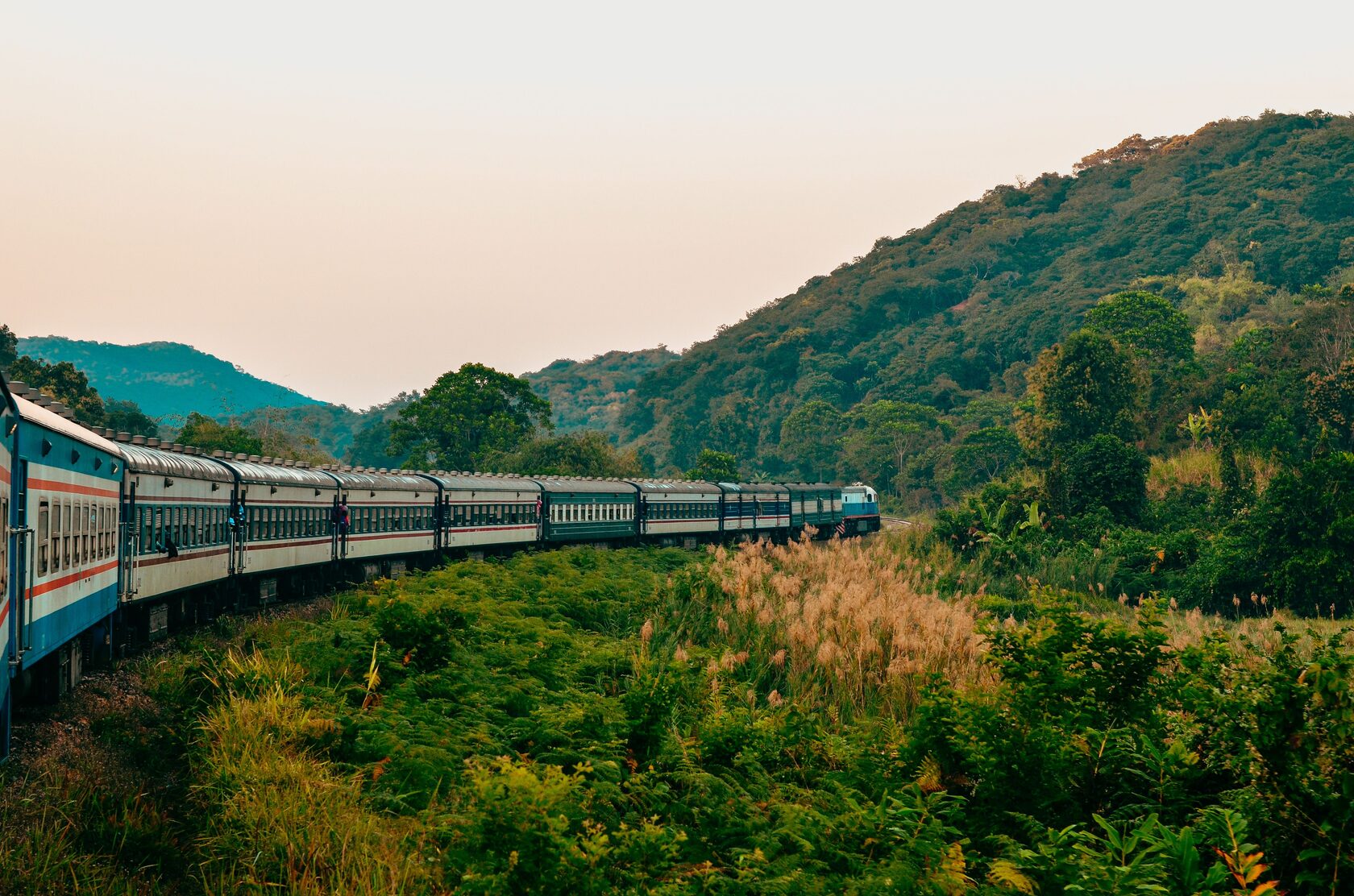
Heritage trains in Southeast Asia offer travelers an immersive window into the region's rich colonial history, dramatic coastlines, and tropical rainforests. These dedicated experiential routes range from newly launched cultural express trains to historic slow-rail engineering marvels.
Heritage trains are experiencing a major boom because they bridge the growing demand for slow, mindful travel with the strategic need to repurpose century-old infrastructure. Rather than treating rail travel merely as point-to-point transit, regional governments and railway operators are transforming historic lines into mobile cultural exhibits and premium travel assets.
Heritage trains are experiencing a major boom because they bridge the growing demand for slow, mindful travel with the strategic need to repurpose century-old infrastructure. Rather than treating rail travel merely as point-to-point transit, regional governments and railway operators are transforming historic lines into mobile cultural exhibits and premium travel assets.
Strategic Drivers of the Slow Rail Boom
- Mindful and Slow Travel: Travelers are increasingly rejecting rushed itineraries in favor of scenic, experiential journeys. Social media momentum around photogenic routes, such as Vietnam’s Hai Van Pass or Thailand’s floating train at Pasak Jolasid Dam, continues to attract domestic and international visitors.
- Revitalizing Colonial Infrastructure: Late 19th- and early 20th-century tracks carrying deep historic weight are being modernized. Agencies like the State Railway of Thailand (SRT) are refurbishing legacy passenger cars into high-margin luxury tourism products.
- Economic Lifelines for Rural Communities: High-speed rail lines efficiently connect primary metropolitan hubs, but heritage rail disperses tourism spend into smaller provinces. Scheduled stops at rural stations allow tourist dollars to flow directly to regional vendors and local guides.
- Onboard Cultural Immersion: Modern heritage trains function as moving cultural hubs. Dedicated carriages host live traditional musicians and offer regional street food, creating an authentic connection between travelers and local communities.
The Regional Data Picture
Data highlights that train tourism in Southeast Asia has entered a hyper-growth phase, evolving from a niche circuit into a primary economic driver. Driven by cross-border micro-tourism, the overall Southeast Asian railroad market size reached $1,394.4 million in 2025, pacing toward a projected $2.14 billion by 2034, while the broader regional tourism ecosystem grew to $39.52 billion in 2026.
Indonesia: International Passenger Volume Surges
Data from state-owned operator PT Kereta Api Indonesia (KAI) reveals a surge in international travelers using the rail network across Java:
Indonesia: International Passenger Volume Surges
Data from state-owned operator PT Kereta Api Indonesia (KAI) reveals a surge in international travelers using the rail network across Java:
- Annual Growth: Long-distance international passenger numbers climbed from 669,226 in 2024 to 694,123 in 2025.
- Mid-Year Momentum: KAI recorded 405,814 international tourist passengers between January and July alone, marking a 3.86% year-on-year increase over the 390,745 passengers recorded during the same period in 2025.
- High-Speed Connectivity & Luxury Investment: The Whoosh High-Speed Rail network has reshaped regional travel, prompting KAI to develop premium assets like the Nusantara Explorer Luxury Sleeper Train. Constructed at Balai Yasa Surabaya Gubeng, this planned 12-car sleeper train features private Signature, Advance, and Compact cabins, a Grand Restaurant, a lounge with live entertainment, and Indonesian neoclassical interiors.
Vietnam: Record Passenger Milestones and Heritage Charters
Vietnam Railways (VNR) generated significant financial gains in the first half of the year, driven by cultural and regional routes:
- Passenger Peak: VNR served nearly 3.9 million passengers in the first half of the year.
- Revenue Spikes: The "Central Heritage Connection" (Hue to Da Nang) saw passenger traffic rise 11%, triggering a 41% surge in revenue. Meanwhile, Hanoi’s "Five City Gates" cultural train carried nearly 100,000 passengers over 400 trips at a steady 80% occupancy rate. VNR also generated over VND 16 billion (~$465,000) from 13 premium charter trips.
- Network Expansions: Following these strong metrics, VNR finalized ticketing and rolling stock configurations for an 8-carriage, 304-passenger capacity "Wonder Journey – World Heritage" route connecting Hue with Phong Nha in Quang Tri Province.
Thailand: Open-Access Reforms and Value Targets
Following an aggressive push to double train tourism revenue, the State Railway of Thailand (SRT) pivoted its strategy toward higher-spending niche travelers:
- Revenue Goals: With total tourism revenue targets set between 2.58 trillion and 2.8 trillion THB, long-haul high-value visitors anchored yields, with long-haul revenue projected to surpass 700 billion THB.
- Open Rail Market Reforms: The SRT authorized structural reforms allowing private operators to charter commercial train services on state tracks using upgraded fleets. Under its "Thailand Connected Tourism 2030" vision, the SRT aims to integrate its 4,044 km network across 47 provinces with hotels and local communities, expanding access into secondary destinations.
Signature Regional Itineraries
Vietnam: Cultural Excursions Across Central and Northern Regions
- Hue–Phong Nha ("Wonder Journey"): Connecting the imperial capital of Hue with Phong Nha, this five-star train features rotating seats, a 24-seat VIP carriage, and community spaces stopping near the Quang Tri Ancient Citadel and Phong Nha-Ke Bang caves.
- Hue–Da Nang ("Central Heritage Connection"): Clatter through the coastal Hai Van Pass while listening to onboard traditional Hue chamber music performances and enjoying local specialties like banh it and fermented pork rolls.
- Hanoi–Hai Phong ("Red Flamboyant"): An Indochine-inspired train offering VIP seating, live music, and direct access to Hai Phong's famous food tours.
- Hanoi–Bac Ninh ("Thang Long – Kinh Bac"): A cultural route running past the Red River while featuring live performances of quan ho folk singing, ca tru, cheo theater, and xam singing.
Indonesia: Scenic & Luxury Rail Expeditions Across Java
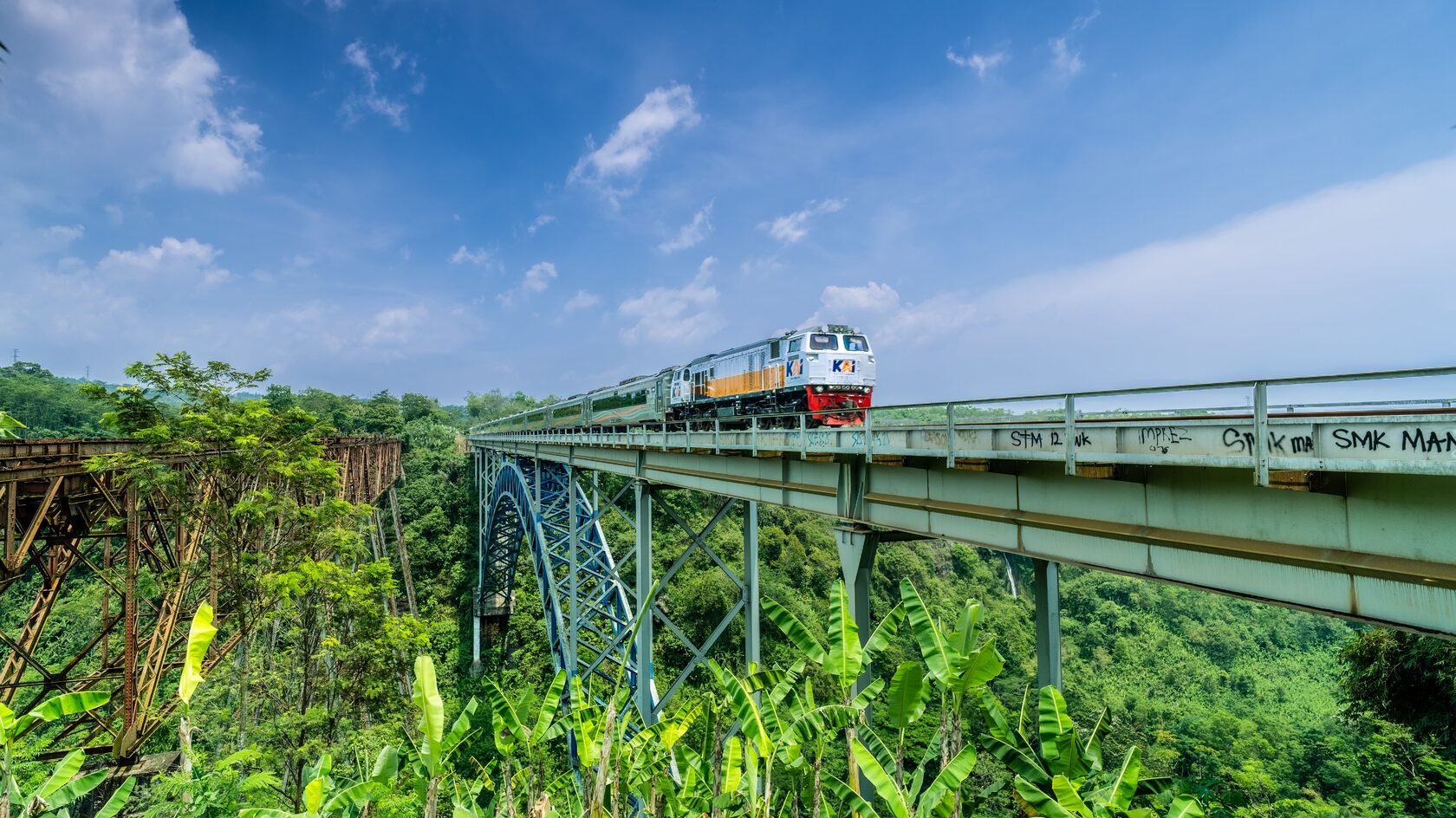
- Kereta Panoramic (Java Scenic Corridors): Designed specifically for wide view scenic travel, this specialized glass-domed carriage operated by KAI Wisata features oversized panoramic side windows, an automatic retractable glass sunroof, and 38 luxury reclining seats. Attached to flagship express trains along Java’s scenic southern corridors, such as the Argo Parahyangan (Jakarta–Bandung), Papandayan (Jakarta–Garut), and Argo Wilis (Bandung–Surabaya), it offers travelers unobstructed views of West Java's volcanic peaks, terraced rice paddies, and historic mountain viaducts.
- Nusantara Explorer Luxury Sleeper Train: Traversing Java's cultural corridor from Jakarta through Yogyakarta and Semarang to Banyuwangi, this flagship 12-car sleeper train combines private Signature, Advance, and Compact cabins with a Grand Restaurant, a lounge featuring a bar and live piano performances, and interiors inspired by Wayang Kulit, Batik Lasem, and Balinese motifs.
Thailand: Historic Trails and Resurrected Vintage Stock
- The Death Railway (Kanchanaburi): Operating on WWII engineering tracks, this route crosses the Bridge on the River Kwai and teetering wooden trestles along the Tham Krasae Viaduct.
- SRT Royal Blossom and KIHA 183: Lovingly restored vintage Japanese passenger cars operating as themed day trips from Bangkok to living heritage sites, Lopburi temples, and the floating train viewpoint at Pasak Jolasid Dam.
Malaysia: The Living Jungle Railway
- Ekspres Rakyat Timuran: Dating back to the British colonial era, this single-track diesel route stretches 526 kilometers from Gemas to Tumpat. Passing the historic 1925 Guillemard Bridge, ancient rainforests, and limestone karsts, it remains a vital cultural link and transport lifeline for rural communities.
Southeast Asia's heritage trains have evolved beyond simple transport. By combining colonial infrastructure, immersive local culture, and modernized luxury sleeper concepts, railway operators are capturing the high-yield slow travel market while driving sustainable economic growth to rural destinations across the region.