
Driven by national momentum from the Japan Tourism Agency, Japan's hospitality ecosystem is undergoing a massive structural transformation.
While local midscale business hotels historically dominated urban footprints, the luxury and ultra-luxury segments have completely decoupled from the broader market. Compounding at an annual growth rate of 8.16%, Japan's premium hospitality sector is expanding rapidly, projected to grow from USD 3.11 billion in 2026 to USD 4.98 billion by 2032.
This hyper-growth is anchored by a surging ultra-high-net-worth individual (UHNWI) traveling demographic, high-yield capital investment, and an aggressive pipeline of brand entries spanning major financial centers, alpine sanctuaries, and coastal prefectures.
While local midscale business hotels historically dominated urban footprints, the luxury and ultra-luxury segments have completely decoupled from the broader market. Compounding at an annual growth rate of 8.16%, Japan's premium hospitality sector is expanding rapidly, projected to grow from USD 3.11 billion in 2026 to USD 4.98 billion by 2032.
This hyper-growth is anchored by a surging ultra-high-net-worth individual (UHNWI) traveling demographic, high-yield capital investment, and an aggressive pipeline of brand entries spanning major financial centers, alpine sanctuaries, and coastal prefectures.
Macro Economic Drivers and Yield Dynamics
Japan's luxury market decoupling is supported by a historic pivot toward ultra-premium inbound tourism, heavily enhanced by structural currency trends.
The top-line performance of Japan's premium segment significantly outpaces baseline industry metrics. Inbound spending reached an unprecedented ¥2.51 trillion in a single quarter, with average individual spending hitting an all-time high of ¥244,457 per traveler, driven by high-end accommodation which commands roughly 37% of total inbound consumption.
However, operators face tight operational margins due to rigid domestic constraints. Severe hospitality labor shortages and skyrocketing construction costs have limited the supply of typical new properties. To protect profit margins and offset these cost floors, developers are shifting focus strictly to high-ADR lifestyle and boutique assets, while utilizing advanced digital integration to streamline operations.
- Industry Annual Growth Rate (CAGR): 3.80%
- Luxury Segment CAGR Outperformance: 8.16%
- Peak Urban Luxury ADR Benchmark: Above USD 500–600 (varying significantly from overall industry averages of USD 70–120).
The top-line performance of Japan's premium segment significantly outpaces baseline industry metrics. Inbound spending reached an unprecedented ¥2.51 trillion in a single quarter, with average individual spending hitting an all-time high of ¥244,457 per traveler, driven by high-end accommodation which commands roughly 37% of total inbound consumption.
However, operators face tight operational margins due to rigid domestic constraints. Severe hospitality labor shortages and skyrocketing construction costs have limited the supply of typical new properties. To protect profit margins and offset these cost floors, developers are shifting focus strictly to high-ADR lifestyle and boutique assets, while utilizing advanced digital integration to streamline operations.
Geographic Expansion Beyond the Capital
While Tokyo remains the highest revenue generator, luxury development is branching heavily into unique regional micro-markets:
- The Tokyo Core Enclaves: Wealth is concentrated in major mixed-use developments around Otemachi, Toranomon, and Akasaka, where global capital continues to view luxury hotels as highly prized trophy assets.
- The Hokkaido Alpine Corridor: Transformed into an international winter playground, Niseko and Sapporo are attracting massive foreign direct investment, moving beyond basic ski lodges into branded year-round ultra-luxury sky residences and lifestyle hubs.
- Kansai Heritage Epicenters: Driven by the spillover from Osaka's landmark Integrated Resort developments and Kyoto's high cultural demand, the Kansai market maintains some of the highest and most resilient ADRs in the country.
- Okinawa & Central Japan Sanctuaries: Emerging as the fastest-growing coastal eco-tourism and manufacturing luxury zones, regional prefectures are seeing massive investments aimed at capturing repeat, high-value global travelers looking past the conventional "Golden Route".
Brand Expansion Pipeline: Openings Overview
The accelerating luxury pipeline across Japan is defined by iconic skyscraper completions, global lifestyle debuts, and elite wellness sanctuaries.
Urban Capital & Central Hub Openings
Urban Capital & Central Hub Openings
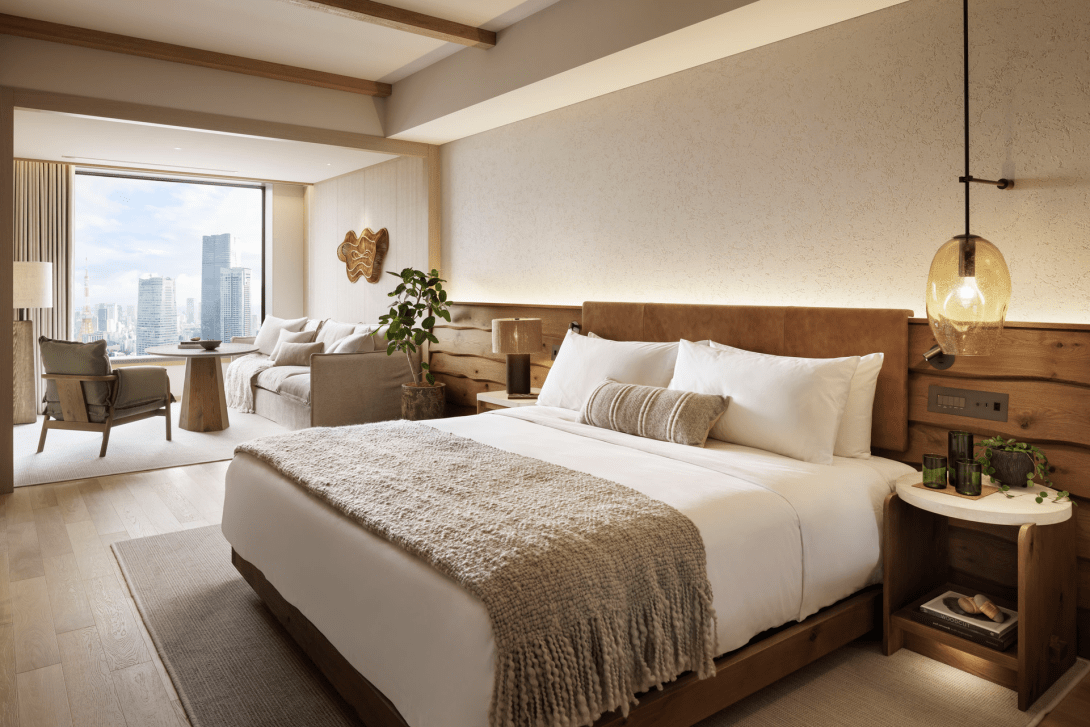
- 1 Hotel Tokyo (2026): Marking the brand's official entry into the Japanese market, this sustainable luxury property occupies the 38th through 43rd floors of the newly completed Akasaka Trust Tower. Developed in partnership with Mori Trust, 1 Hotel Tokyo delivers 211 rooms, 24 suites, 3 penthouses, and the signature Bamford Wellness Spa to the heart of the capital.
- Conrad Nagoya (2026): Partnering with Mitsubishi Estate Co., Ltd., Hilton has expanded its luxury footprint into Central Japan's primary manufacturing hub. Located on the upper floors of The Landmark Nagoya Sakae, Conrad Nagoya introduces 170 upscale keys (including 29 suites) directly connected to Sakae Station, alongside a massive 342-square-meter Grand Ballroom.
- Waldorf Astoria Tokyo Nihonbashi (2027): Bringing vertical, high-end residential luxury to a historic business district, this 197-room flagship skyscraper will occupy the upper floors of a multi-use redevelopment spearheaded by Mitsui Fudosan, featuring a signature Peacock Alley and extensive wellness facilities.
- Janu Tokyo: Positioned as a flagship wellness lifestyle brand, this Azabudakai Hills property by Aman Group introduces multi-room wellness complexes, extensive hydrotherapy circuits, and energetic social dining spaces designed for a younger luxury demographic.
- Gajoen Tokyo, LXR Hotels & Resorts (2027): Managed by Hilton Worldwide and backed by Brookfield, this iconic 100-year-old property in Meguro is undergoing a phased modern enhancement to debut as Tokyo's premier LXR property, blending museum-grade traditional art with custom luxury services.
Hokkaido & Alpine Resorts
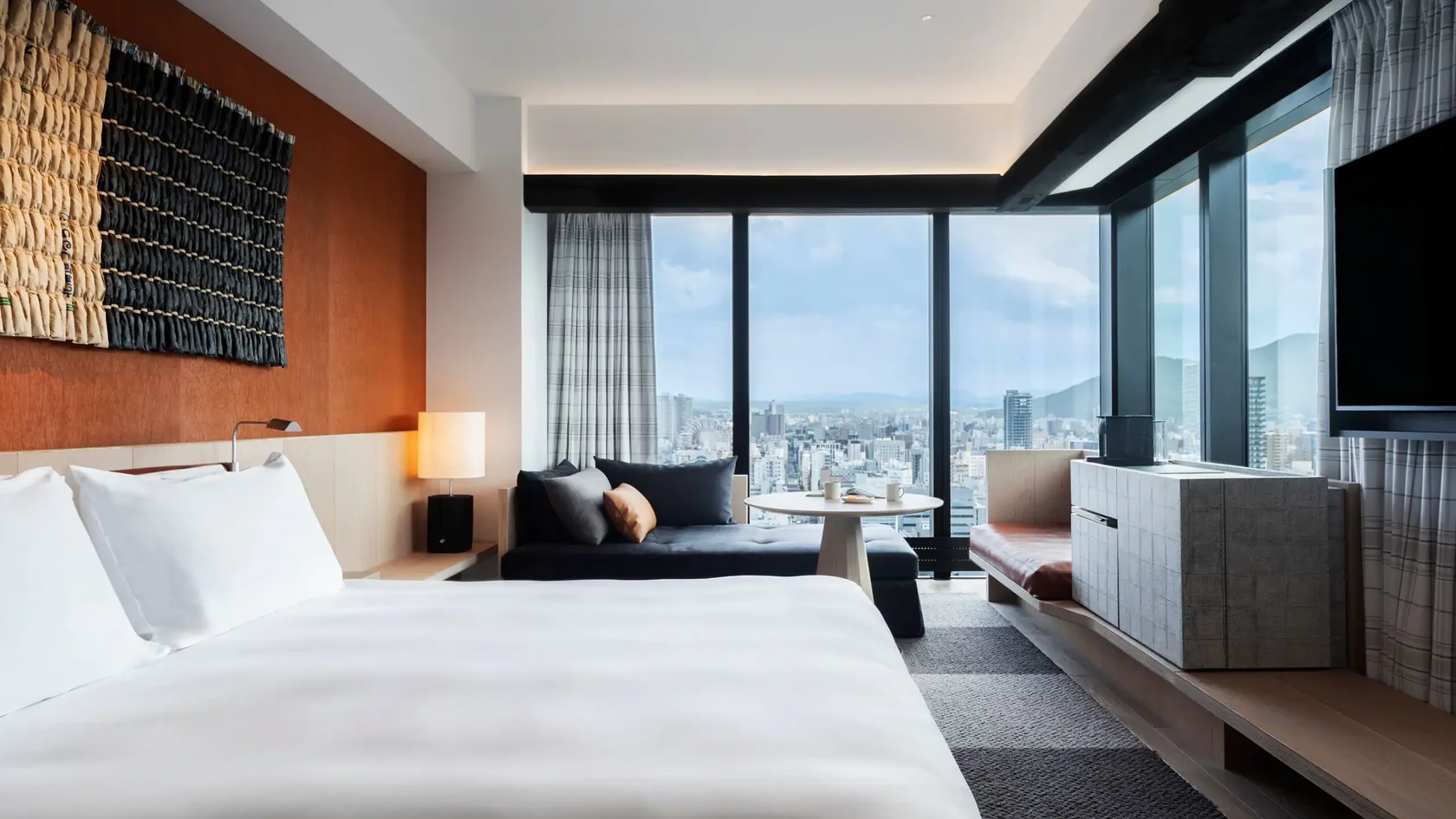
- Hyatt Centric Sapporo (Late 2026): Opening reservations ahead of its Fall 2026 debut, this 216-key lifestyle hotel expands Hyatt's presence into Hokkaido's urban core. Located within the Urban Net Sapporo Link Tower, Hyatt Centric Sapporo features the signature Matsu Grill & Bar and serves as a premium urban gateway to the region's top ski resorts and national parks.
- Hotel101 Niseko (2026): Championed by DoubleDragon Corp, this massive development introduces a unique condo-hotel design asset class to Hokkaido, providing standardized global investment opportunities in a premier ski resort market.
- Aman Niseko (2027): Located on Mount Moiwa in Hokkaido, this ultra-exclusive retreat will feature 30 suites and 31 standalone branded residences. Designed to offer ultimate isolation, it integrates authentic onsen (hot spring) culture with private nature trails.
- Fairmont Niseko (Early 2028): Developed in partnership with J-Will Partners Co., Ltd. and designed by Daiken Sekkei, this 165-key luxury resort reinforces Accor's long-term regional strategy. Nestled on nine acres of forest land between Mount Yotei and Mount Annupuri, Fairmont Niseko will provide year-round luxury ski and golf experiences.
Culture-Driven & Hot Spring Hideaways
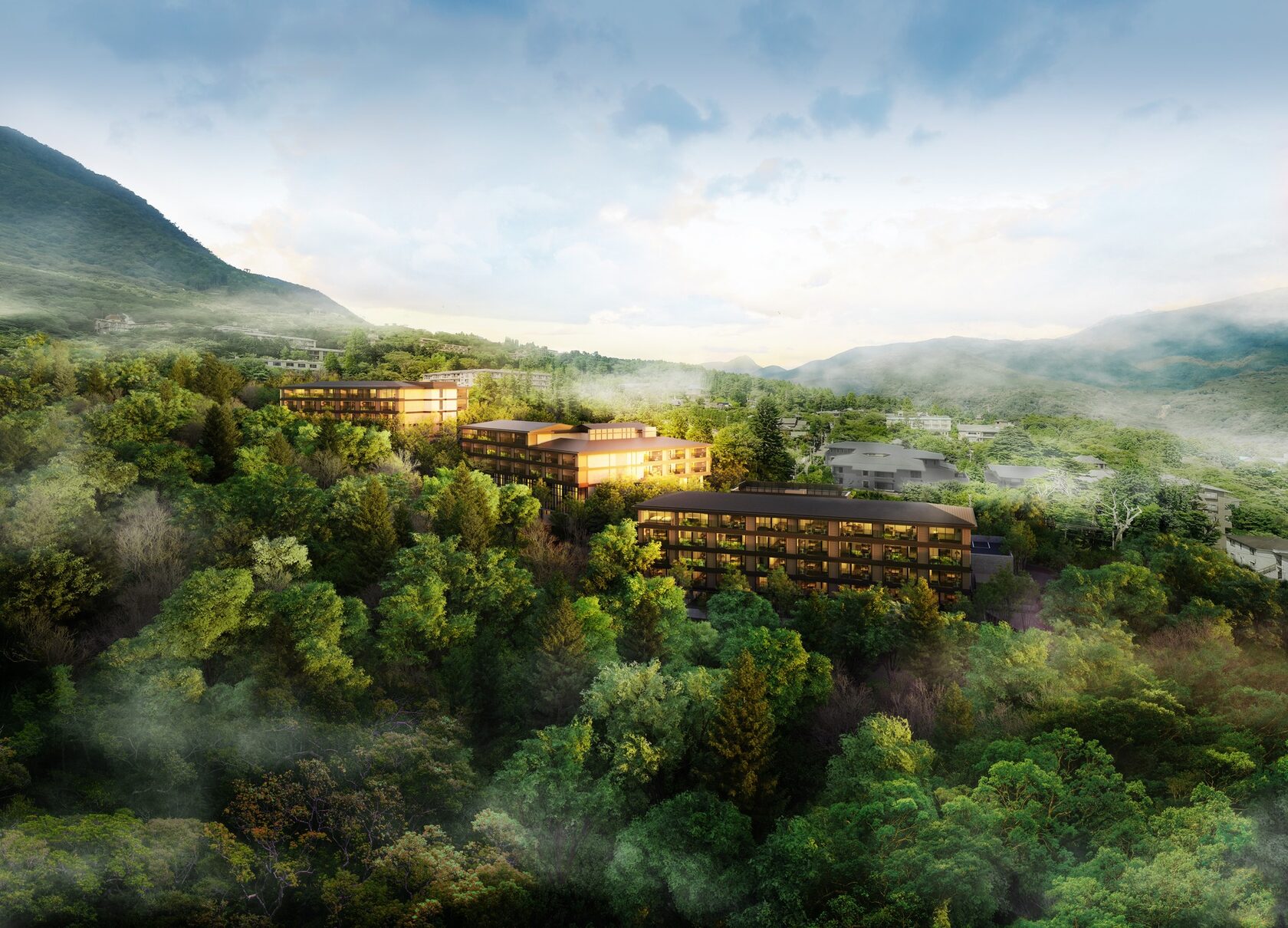
- LXR Hotels & Resorts, Hakone Gora (Summer 2028): Hilton has signed a landmark agreement with THE SANKEI BUILDING CO., LTD. and HASEKO Real Estate Development, Inc. to launch its elite boutique brand in Kanagawa Prefecture. Marking Hilton's first property in Hakone, LXR Hakone Gora will sit inside the foliage-rich Momijidani district, offering customized onsen wellness steps away from the Hakone Open-Air Museum.
- Alila Sengokuhara Hakone (2028): Hyatt Hotels Corporation is debuting its luxury eco-immersive brand in Japan under an agreement with Fujita Corporation. Designed by world-renowned architect Kengo Kuma, Alila Sengokuhara Hakone features 60 keys—including 11 suites—where every single room offers a private, natural thermal hot spring bath.
- Avani Kyoto (2030): Minor Hotels is making its inaugural entry into Japan by transforming the former Kyoto Shimbun headquarters on Karasuma Street. Developed with Taisei Corporation and Heiwa Real Estate Co., Ltd., Avani Kyoto will act as an asset-right joint venture delivering 240 contemporary rooms tailored for modern urban travelers near the Kyoto Imperial Palace.
Southern Island Resorts (Okinawa)
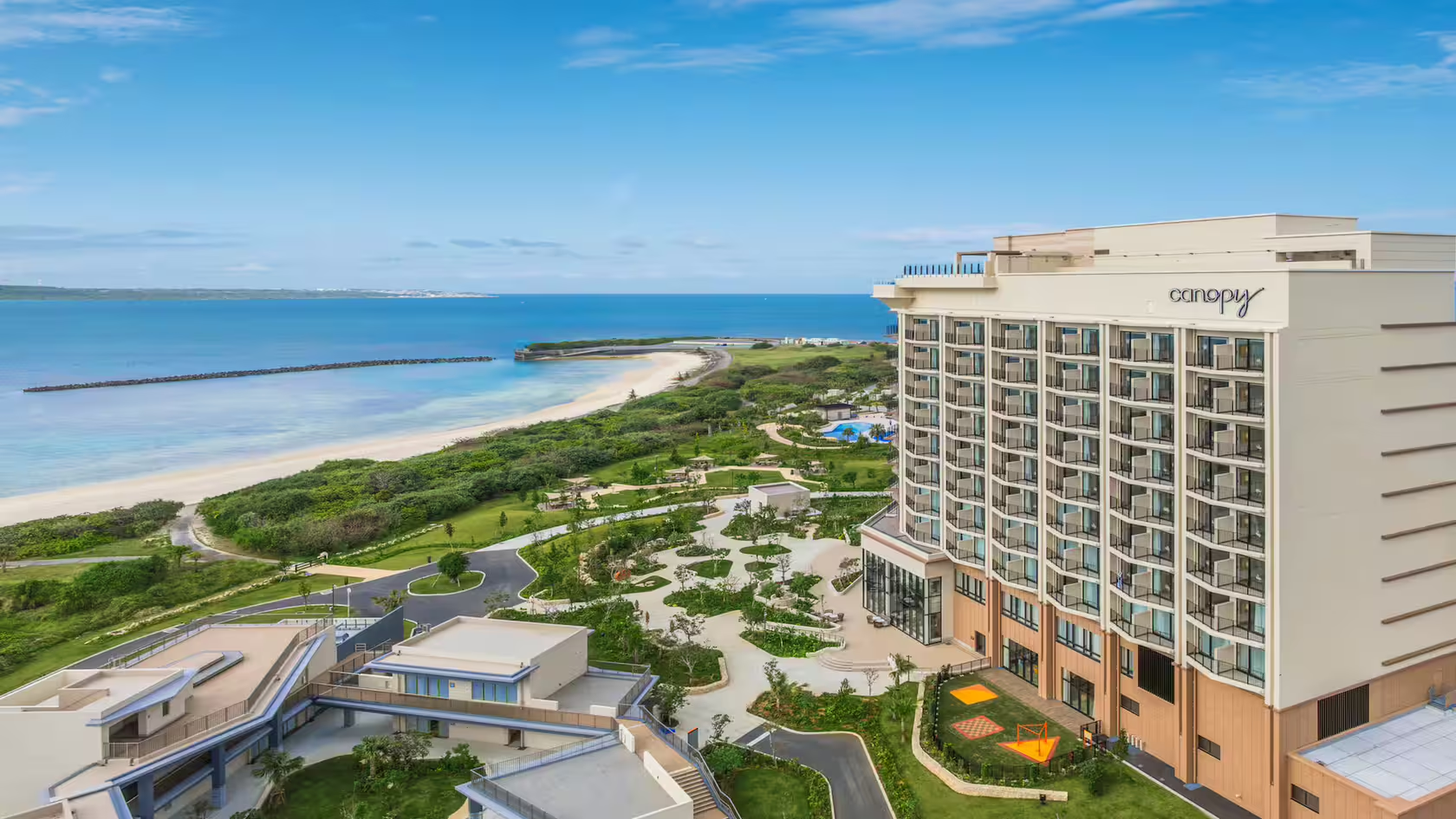
- Canopy by Hilton Okinawa Miyako Island Resort(2026): Representing the Canopy brand's official Asia-Pacific resort debut, this 306-key coastal property taps heavily into eco-conscious luxury. Canopy Okinawa Miyako Island emphasizes localized Ryukyuan design, energy-efficient operations, and farm-to-table regional gastronomy.
- Courtyard by Marriott Okinawa Resort (2026): Marking the Courtyard brand's debut in Japan’s southernmost prefecture, Marriott International has launched a 170-key beachfront property along Kise Beach in Nago. Designed by Kume Sekkei, Courtyard Okinawa Resort features stunning views of Nago Bay, an on-site Marine Club Berry for water sports, and dedicated 10th-floor event infrastructure targeting luxury island destination weddings.
Japan's luxury hospitality sector has successfully shifted its strategy from volume to extreme high-value tourism. By distributing premium properties into regional nature hubs and capturing international capital via premier brand entries, operators are ensuring high-yield asset appreciation across the archipelago.