
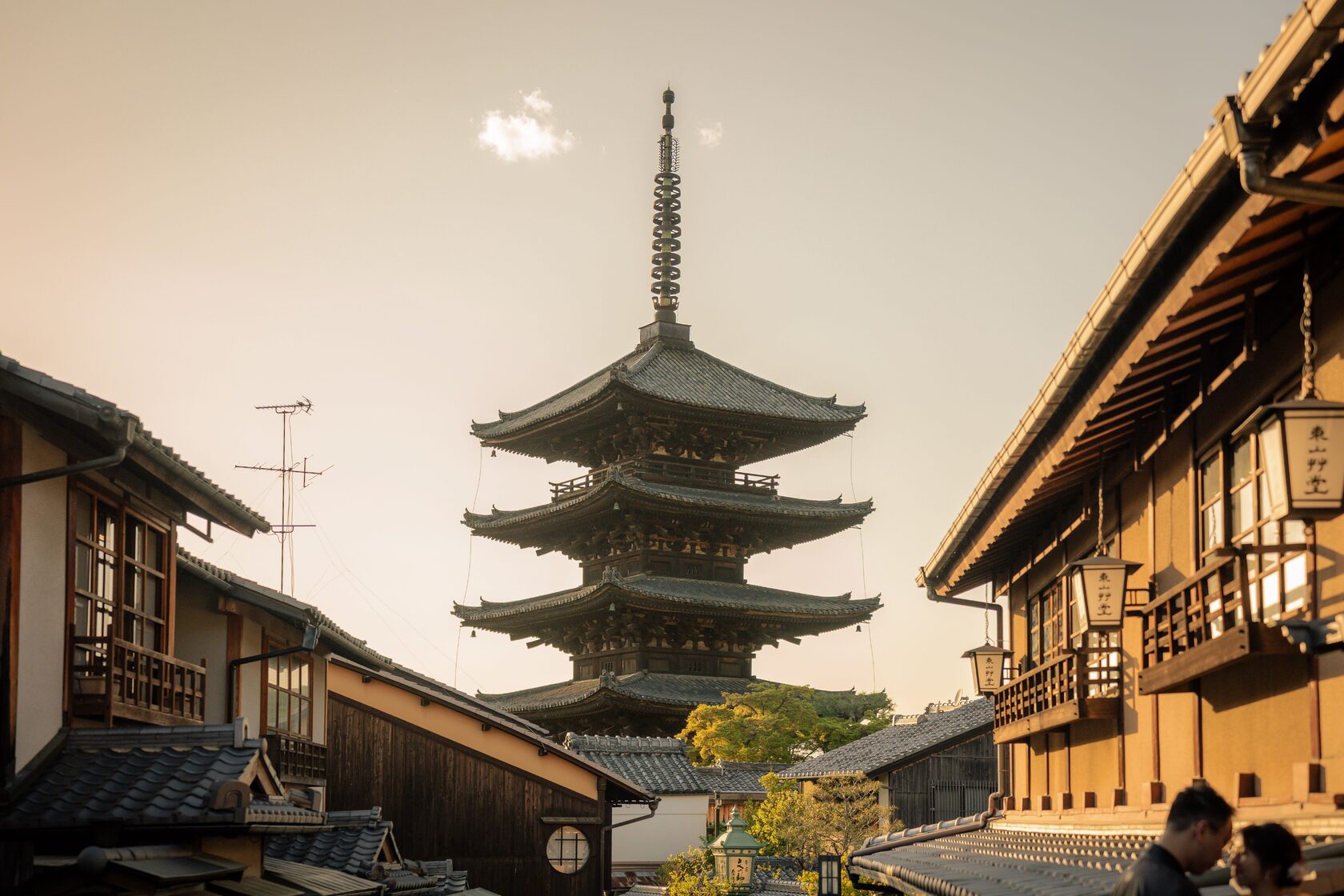
Japan welcomed 21.1 million foreign visitors in the first half of 2026. This marks a 2.0% year-on-year decrease, representing the first H1 volume contraction the country has experienced in five years. While overall arrivals successfully breached the 20-million milestone for the second consecutive year, a massive demographic shakeup and persistent geographic concentration continue to redefine Japan's travel economy.
The minor contraction in total volume was primarily driven by a dramatic divergence between East Asian source markets:
Despite the overall dip in visitor counts, total financial yields hit historic highs due to structural shifts in tourist profiles:
The minor contraction in total volume was primarily driven by a dramatic divergence between East Asian source markets:
- The Chinese Market Slump: Arrivals from mainland China plummeted 56.4% year-on-year to 2.06 million. This drop stems directly from travel advisories issued by Beijing following diplomatic friction.
- The South Korean Surge: Inbound travelers from South Korea rose 18.6% to 5.7 million, leading all source markets on a record-shattering pace.
- The Taiwan Expansion: Traffic from Taiwan grew by 20.9%, reaching approximately 4 million visitors.
Despite the overall dip in visitor counts, total financial yields hit historic highs due to structural shifts in tourist profiles:
- Quarterly Consumption: Inbound spending reached ¥2.51 trillion for the April–June quarter alone, according to data from the Japan Tourism Agency.
- Record Individual Spend: Average spend per traveler increased 3.3% to a record high of ¥244,457.
- Primary Drivers: Growth was fueled heavily by premium hospitality demands, luxury shopping, and high-end culinary tourism. Per-capita spending was led by long-haul travelers from markets like Mexico and the United Kingdom.
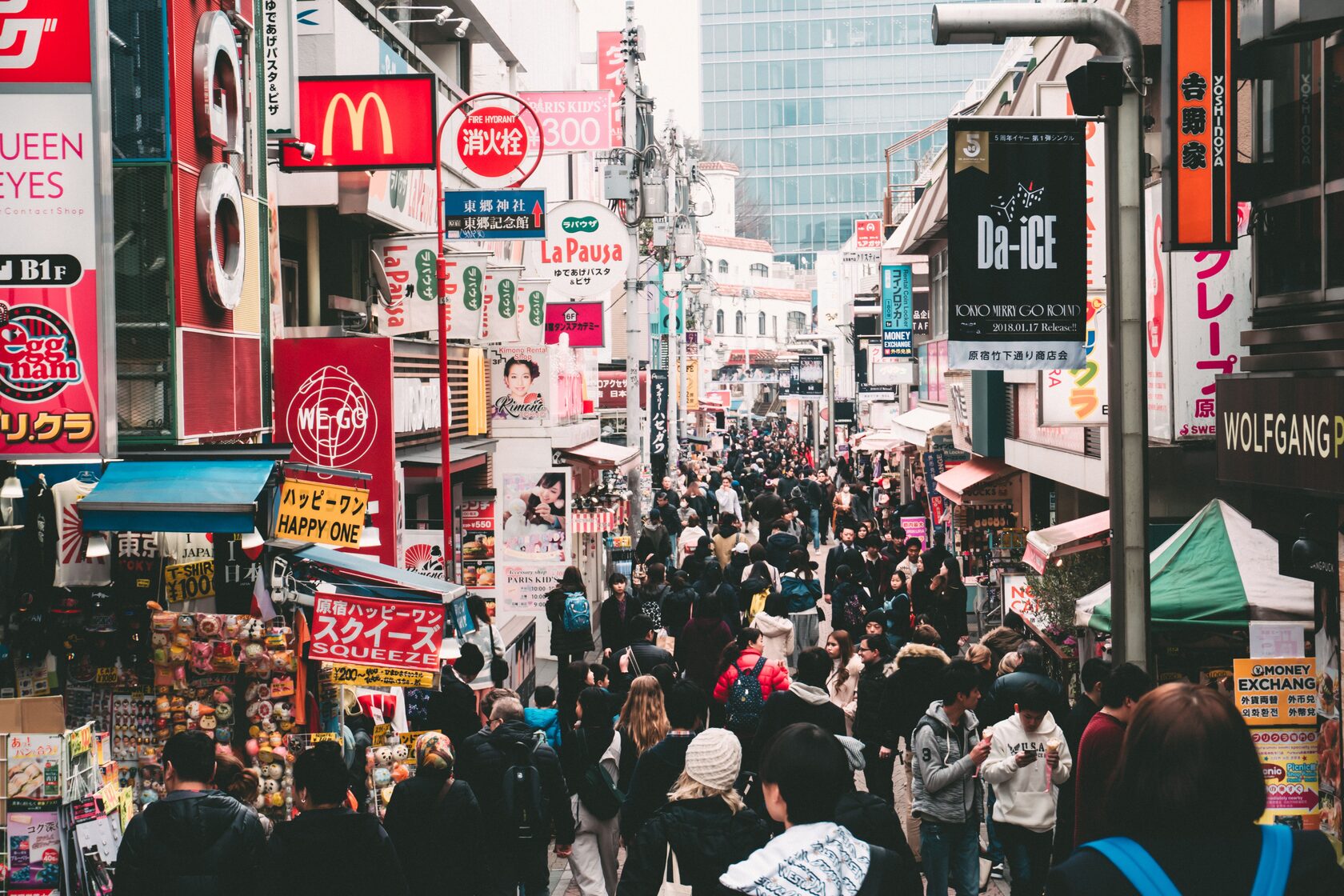
Geographic Distribution & The "Golden Route" Monopoly
International tourist density remains highly imbalanced. The Kanto and Kansai regions absorb over half of all arrivals, while five core prefectures account for 69.7% of all foreign overnight stays.
The Core Powerhouses
Secondary Destinations & Seasonal Highlights
The Regional Void
The Core Powerhouses
- Kanto Hub: Tokyo leads the nation with 59.59 million international guest stays, generating over ¥3.29 trillion in tourist spending.
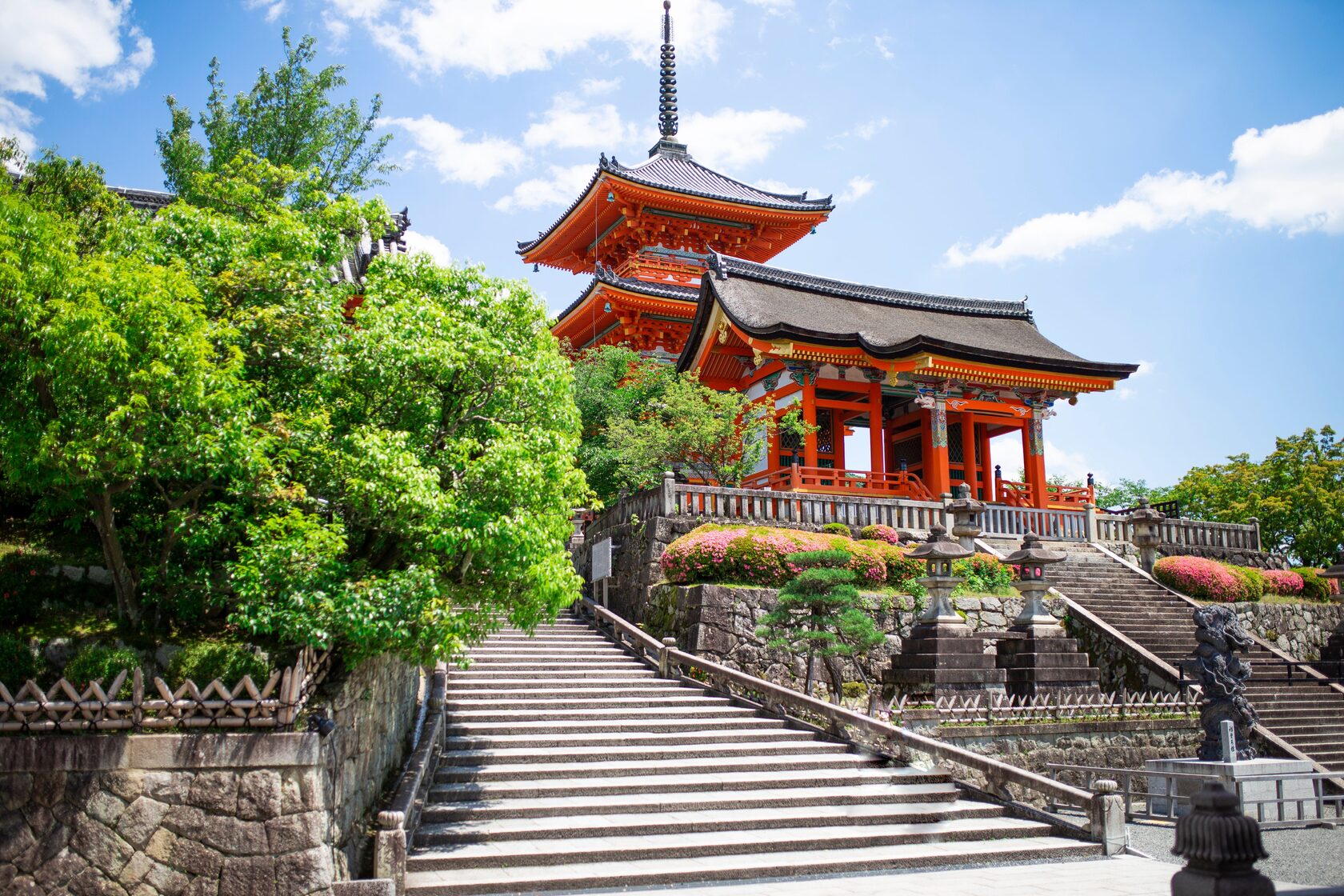
- Kansai Capital: Kyoto hosts 17 of Japan’s top 100 most-visited tourist spots, anchored by historic landmarks like Kiyomizu-dera. Concurrently, Osaka has pivoted toward premium hotel developments to attract affluent long-haul demographics.
Secondary Destinations & Seasonal Highlights
- Hokkaido: Driven heavily by premium winter sports, the Niseko ski resort claims the top spot nationwide for individual tourist satisfaction and luxury infrastructure.
- Chubu: Yamanashi anchors Mount Fuji traffic, hosting up to 8 of the nation's top 100 destinations.
The Regional Void
- Chugoku & Shikoku: These areas suffer a severe drop-off in traffic. While Hiroshima remains a key historical anchor, Shimane Prefecture recorded the lowest inbound spend in the country at just ¥2.25 billion.
- Tohoku: The region remains largely unvisited by mainstream international tour groups despite high-speed Shinkansen accessibility.
Emerging Regulations & Overtourism Tactics
To counter the localized strain on municipal infrastructure, local governments implemented aggressive management strategies during H1 2026:
- Mount Fuji Caps: Universal ¥4,000 climbing fees and strict daily visitor caps were established to mitigate "bullet climbing" and unsafe trail crowds.
- Two-Tier Pricing: Prefectures are embracing local price differentiation. For instance, Himeji Castle enacted an entry fee hike for non-residents, doubling its revenue despite a minor drop in initial attendance.
- Regional Diversification: The Japan National Tourism Organization (JNTO) is actively shifting marketing priorities toward secondary hubs to pull traffic away from the Tokyo-Osaka corridor.
H2 2026 Projections & Outlook
The second half of 2026 is expected to cement the structural shifts observed earlier in the year:
- Revised Annual Forecasts: Real-time data from major institutional forecasters like Mori Trust projects that annual visitor arrivals will settle between 40.5 million and 42 million, representing a mild retraction from last year's record high of 42.68 million.
- Prolonged Chinese Market Slump: Inbound numbers from mainland China are projected to remain suppressed through H2. Ongoing diplomatic tensions will likely freeze large-scale Chinese group tours for the remainder of the calendar year.
- Western Growth Trajectory: Long-haul travelers from North America and Western Europe will compose a higher percentage of the tourist base. Their extended stays and high individual outlays are expected to push annual tourism spending toward a near-record ¥9.64 trillion.
- Capacity Constraints: Severe labor shortages in Japan's regional hospitality sector will limit accommodation capacity outside major hubs. This logistical bottleneck will preserve the Kanto-Kansai "Golden Route" monopoly through the winter season.
Strategic Regional Synthesis
- Kanto (Tokyo, Chiba, Kanagawa): Dominant footprint; generates the highest national tourist revenue.
- Kansai (Kyoto, Osaka, Nara): Dominant footprint; pivoting aggressively to high-end boutique hospitality.
- Hokkaido (Sapporo, Niseko): High seasonal footprint; holds the top-rated luxury winter sport infrastructure.
- Chubu (Yamanashi, Shizuoka): High seasonal footprint; ground zero for strict overtourism climbing fees.
- Kyushu (Fukuoka): Moderate footprint; acts as a vital western maritime and air gateway.
- Chugoku (Hiroshima, Shimane): Low footprint; features high historical interest but suffers severe surrounding visitor voids.
Japan's H1 2026 travel metrics signal a maturing tourism ecosystem. While headline volume contracted slightly due to geopolitical friction in key source markets, record-high visitor spending underscores strong underlying pricing power. Moving into the second half of the year, destinations that balance local overtourism controls with premium, experience-led hospitality will continue to capture the highest economic yields.