
How Hotel Redesigns Elevate Brand Equity and Drive Long-Term Revenue Growth
30.10.2026
In an increasingly competitive luxury hospitality landscape across Southeast Asia, property redesigns have moved far beyond cosmetic capital expenditures. What was once viewed as routine aesthetic upkeep has evolved into a calculated commercial and real estate strategy. For hotel owners, management groups, and institutional investors, an architectural and interior overhaul functions as a dual-action lever: it re-anchors legacy brand heritage against newly built competitors while systematically lifting the ceiling on Average Daily Rates, room yields, and non-rooms revenue.
Across regional hubs from Bangkok and Singapore to Bali, multi-million-dollar property transformations demonstrate how premier operators turn physical hardware into enduring financial performance and elevated brand equity.
Across regional hubs from Bangkok and Singapore to Bali, multi-million-dollar property transformations demonstrate how premier operators turn physical hardware into enduring financial performance and elevated brand equity.
Brand Equity: Balancing Cultural Provenance with Modern Relevance
For established heritage and landmark hotels, the primary strategic risk is obsolescence, the gradual decline into being perceived as dated rather than aspirational. However, stripping away original architectural character risks alienating loyal clientele and turning an authentic property into an interchangeable commodity. The most successful transformations across Southeast Asia balance cultural continuity with contemporary luxury expectations.
Cultural Preservation as a Competitive Moat
In major gateway destinations, generic modern luxury often leads to rate resistance. Embedding indigenous identity and architectural history into a redesign establishes an emotional moat that newly constructed rivals cannot easily replicate.
At Anantara Siam Bangkok, Minor Hotels approached its extensive USD 50 million transformation under the guiding philosophy of "Transformed. Timeless. Thai." Rather than stripping back the character of the 1983 George Wimberley-designed landmark, the property preserved its core artistic features. The hotel meticulously restored its iconic 100-meter hand-painted lobby mural by renowned Thai artist Paiboon Suwannakudt, alongside 19 historic silk ceiling panels depicting celestial Thai cosmology. By framing modern guestrooms and contemporary amenities around these irreplaceable cultural assets, the hotel reinforced its market positioning as a custodian of Thai artistic heritage.
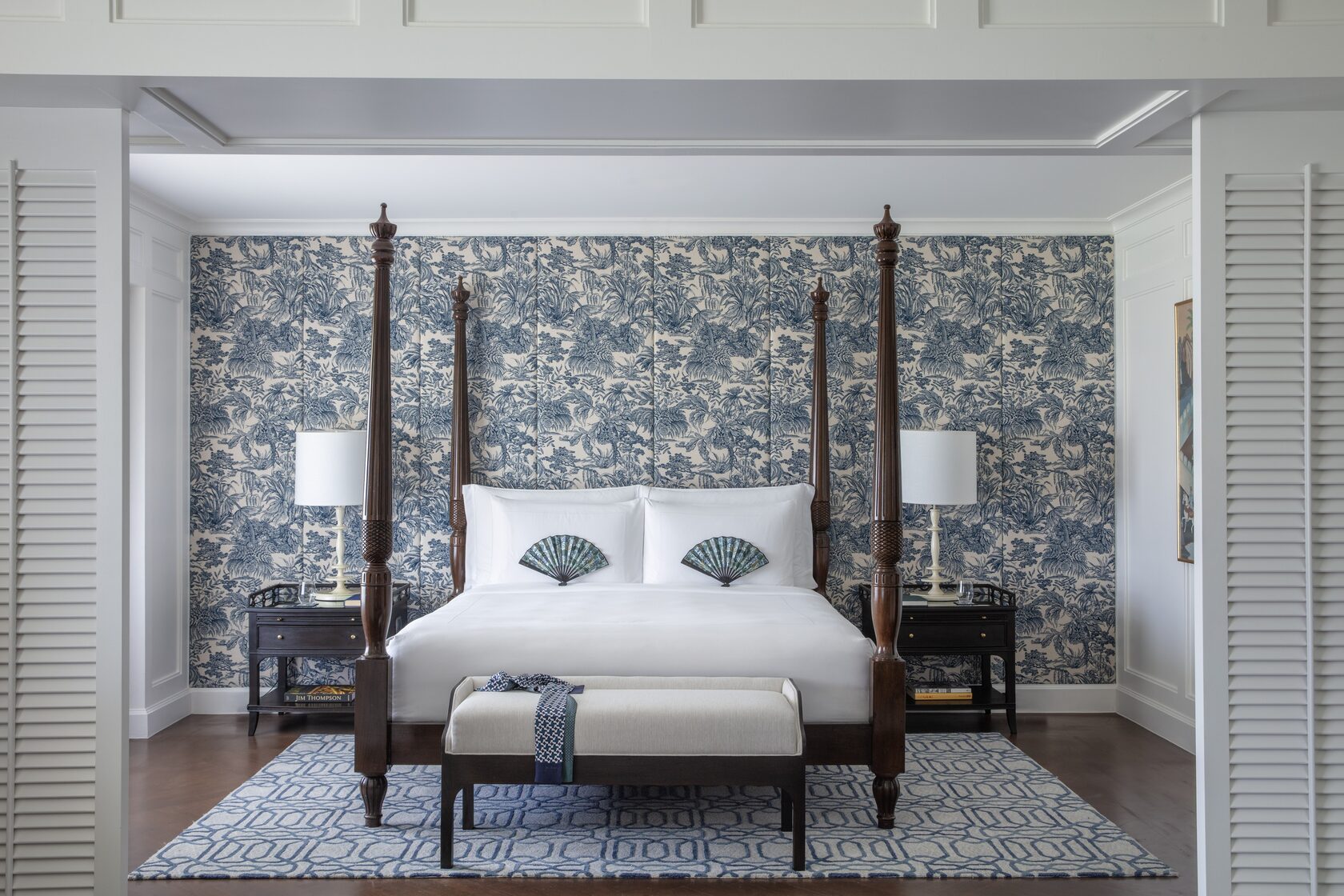
Similarly, Shangri-La Singapore undertook a major redesign of its exclusive Valley Wing, situated within the group’s 1971 global flagship property. The project integrated architectural elements inspired by historic Singaporean shophouses, botanical motifs, geometric latticework, and classical European proportions. Rather than imposing a standard international minimalist scheme, the redesign created a residential environment rooted in the island's botanical and architectural history, establishing an authentic sense of place.
Strategic Co-Branding and Heritage Storytelling
Redesigns also provide a natural platform for high-level brand collaborations. At Anantara Siam Bangkok, the introduction of the Jim Thompson Explorer Suite, developed in partnership with the legendary Thai silk house—paired heritage storytelling with bespoke craftsmanship. Featuring polished teak floors, hand-painted paneling, and curated art pieces, the suite functions as a cultural destination in its own right, lifting global editorial interest and reinforcing the property's luxury prestige.
Revenue Optimization: Lifting Rate Ceilings and Maximizing Asset Yield
From an asset management standpoint, design interventions must provide a direct, measurable return on investment. Well-planned renovations achieve this by introducing premium room formats, refining market segmentation, and capturing price-inelastic demand.
One of the most effective strategies for expanding RevPAR without displacing core market segments is the creation of hyper-exclusive enclaves within a larger hotel footprint.
The redesign of Shangri-La Singapore’s Valley Wing exemplifies this approach. Operating as an independent micro-hotel, the wing features a private driveway, a dedicated lobby, and exclusive lounge privileges including continuous Champagne, afternoon tea, and evening cocktails. This separation allows the property to establish an entry rate floor starting at SGD 764++ per night, capturing a clear rate premium over its Tower and Garden Wings while sharing back-of-house operational infrastructure.
At the top end of the wing, the 348-square-meter Shangri-La Suite and the two-bedroom Singapore Suite were completely rejuvenated with private elevators, dedicated in-suite gyms, and 24-hour butler service. These high-tier suites specifically target diplomatic delegations and ultra-high-net-worth travelers who prioritize privacy, security, and expansive space over standard room configurations.
Spatial Monetization: Garden Villas and Extended-Stay Formats
In dense metropolitan centers, redesigns offer an opportunity to convert underutilized exterior real estate into high-yield inventory.
Anantara Siam Bangkok utilized its central courtyard and tropical landscape to carve out the Anantara Garden Pool Suites and Villas. By introducing private plunge pools and indoor-outdoor living spaces in the heart of Bangkok's commercial district, the hotel created an urban resort format. This allows the property to capture high-spending leisure travelers and affluent families who would typically bypass traditional city-center hotel layouts in favor of suburban or coastal private villas.
A successful redesign does not always require a total structural overhaul. In low-density boutique environments, targeted architectural updates across select keys can unlock substantial pricing power without operational disruption.
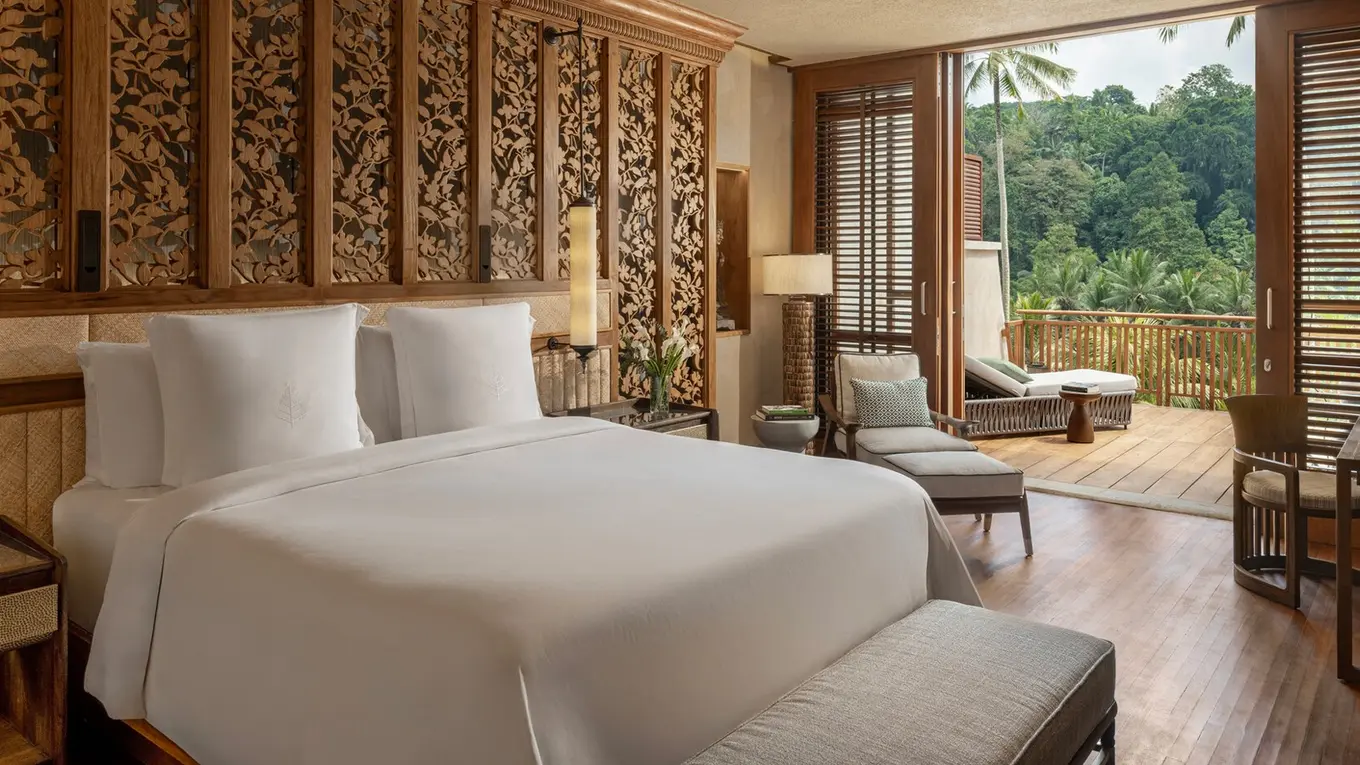
At Four Seasons Resort Bali at Sayan, the resort executed a focused, sustainability-led enhancement across seven key accommodations, comprising five Premier Duplex Suites and two Premier Family Suites. Guided by Hirsch Bedner Associates, the transformation integrated locally sourced natural stone, sustainable timber, artisanal Balinese weaving, and energy-efficient variable refrigerant flow cooling infrastructure. By revitalizing these multi-level and family-focused keys, the property lifted average rates across its most requested riverfront and valley-view accommodations while maintaining uninterrupted operations across the remainder of the resort.
Beyond Rooms: Unlocking Non-Rooms Revenue Streams
A comprehensive redesign looks beyond guestrooms to activate the entire building footprint. In competitive Southeast Asian markets, food and beverage, corporate events, and wellness amenities represent crucial, high-margin revenue drivers that protect the business against seasonal travel dips.
Re-engineering Conference and Event Infrastructure
Event facilities require ongoing modernization to remain competitive for international gatherings. At Anantara Siam Bangkok, the transformation included a comprehensive overhaul of the Grand Ballroom and creative meeting suites. By pairing advanced audiovisual and streaming technology with refined Thai architectural detailing, the property positioned itself to command premium rental rates and catering minimums for global business summits, state banquets, and luxury weddings.
Elevating Wellness into a Primary Commercial Driver
Modern luxury travelers increasingly make booking decisions based on fitness, longevity, and holistic well-being. Recognizing that wellness has shifted from an optional amenity to an active revenue center, Anantara transformed its wellness footprint into the Siam Sports Club. The facility complements traditional spa therapies with a Technogym-equipped training center, a dedicated Pilates reformer studio, an outdoor rock-climbing wall, and a full-scale Muay Thai boxing ring. This expansion monetizes local corporate memberships and wellness day-passes alongside hotel guest spend.
The commercial value of comprehensive hotel reinvention is further demonstrated by the landmark multi-year restoration of Raffles Hotel Singapore. Reopened under lead designer Alexandra Champalimaud, the 130-year-old grande dame reconfigured its suite layouts, installed modern smart-room environmental controls, and thoroughly overhauled its central courtyard and retail arcades.
By restructuring its dining footprint around celebrity-chef partnerships and revitalizing its iconic Long Bar, Raffles significantly grew its non-rooms revenue per square meter while establishing a sustainable room rate floor that routinely exceeds SGD 1,200 to 1,500. The restoration proved that capital invested in authentic architectural preservation and dynamic commercial spaces can reset an asset’s capitalization rate and preserve market leadership for decades.
Redesign must be treated as a discipline of asset management. By lifting operating cash flows, improving guest lifetime value, and reinforcing structural relevance, a well-executed renovation secures long-term property valuations and strengthens overall portfolio performance across Southeast Asia’s dynamic lodging markets.