
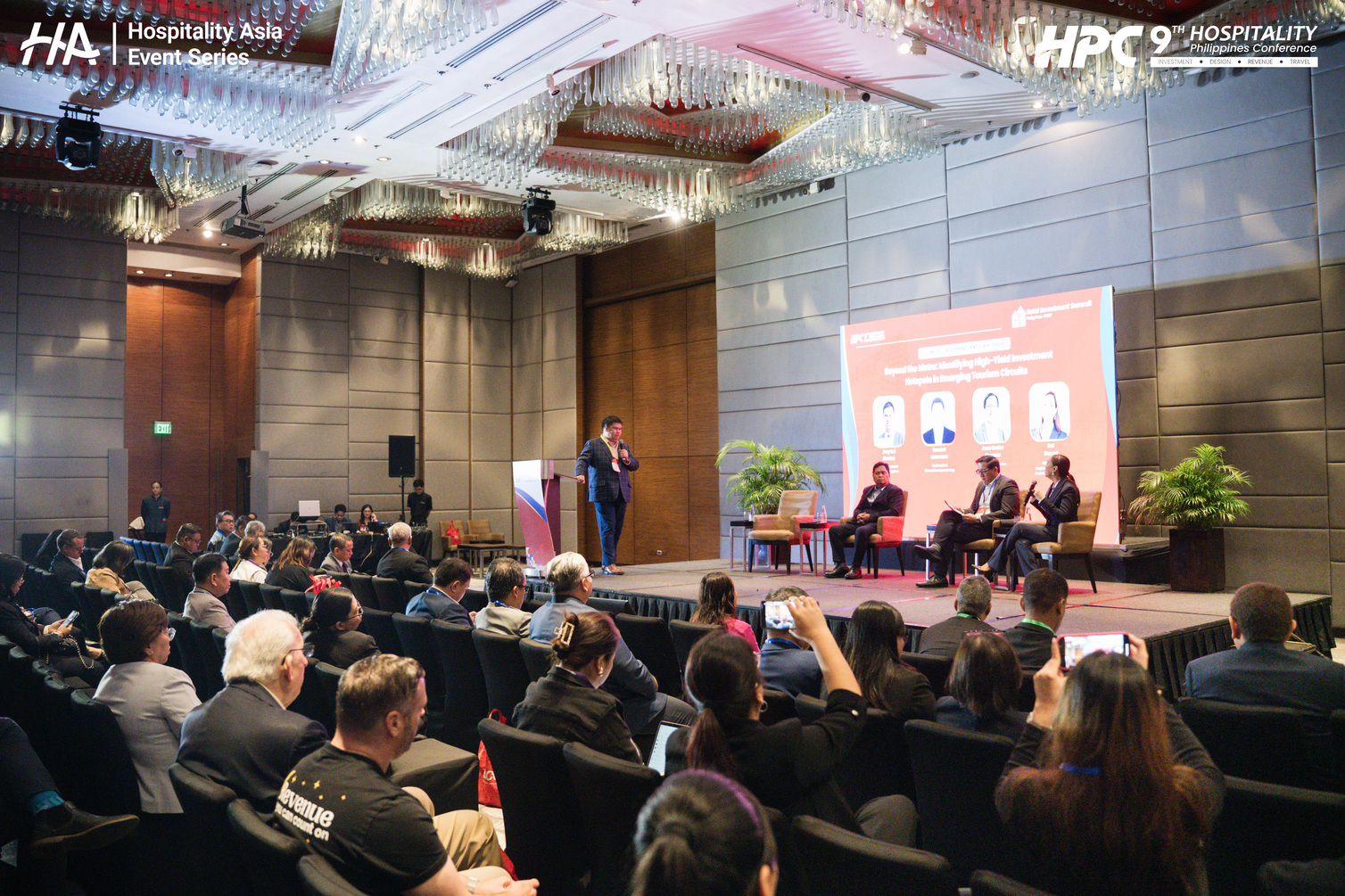
MANILA, Philippines, September 9, 2026 — As the hospitality sector moves past initial post-pandemic recovery spurts, the central question facing developers, institutional investors, and operators is no longer if the market will grow, but where and how sustainable yields can be captured.
Taking place on day one of the 9th Hospitality Philippines Conference (#HPC2026), the Hotel Investment Summit Philippines (#HISP) brought key public officials, property developers, asset managers, and global hotel operators into a frank dialogue under the theme: "What Comes After Growth: Hospitality’s Next Test in the Philippines."
Taking place on day one of the 9th Hospitality Philippines Conference (#HPC2026), the Hotel Investment Summit Philippines (#HISP) brought key public officials, property developers, asset managers, and global hotel operators into a frank dialogue under the theme: "What Comes After Growth: Hospitality’s Next Test in the Philippines."
Public Sector Alignment and Regulatory Catalysts
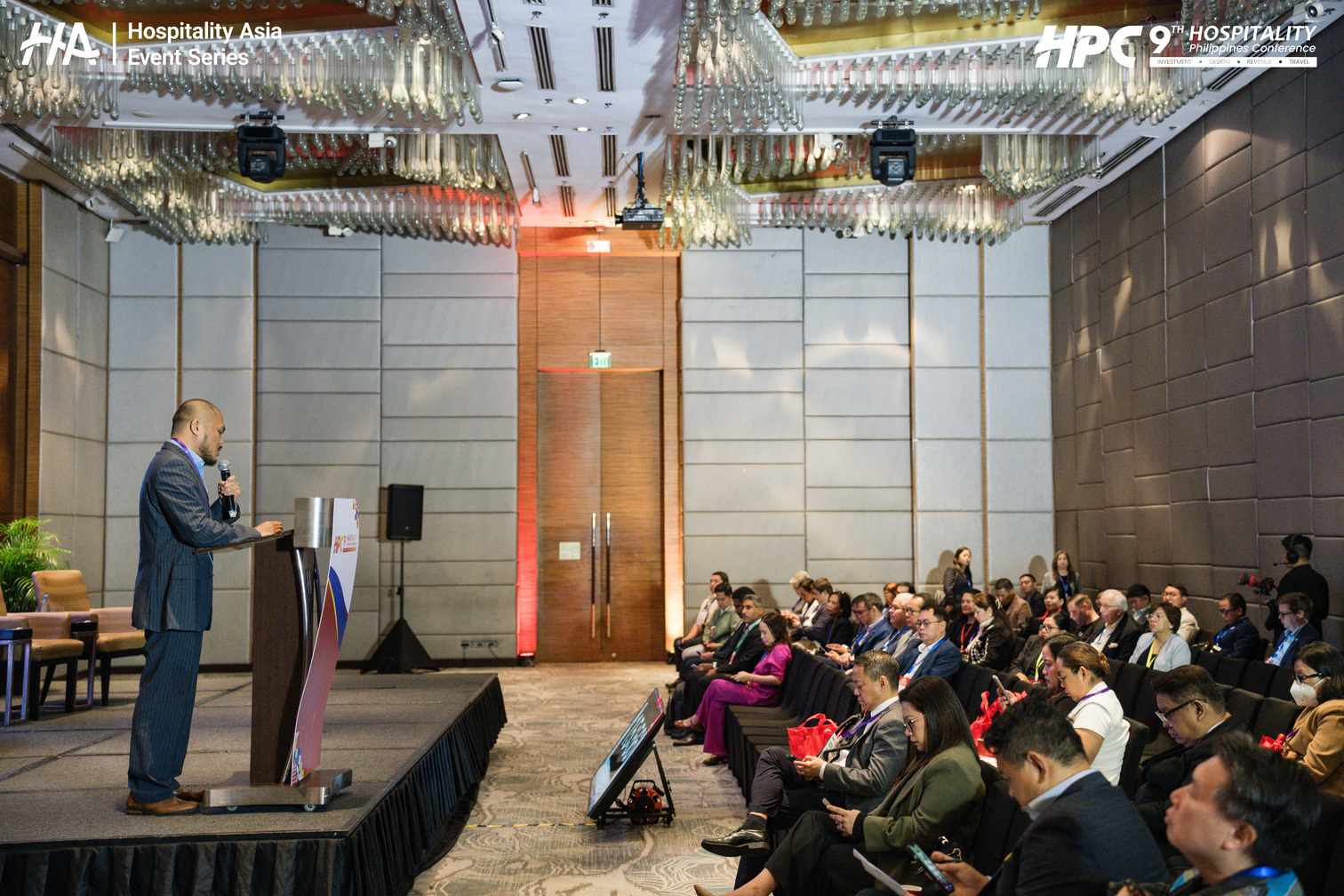
Opening the summit, Marvin Malacaman (Senior Tourism Operations Officer, DOT-NCR) emphasized national-to-local efforts aimed at streamlining permitting processes, boosting regional destination readiness, and positioning the country as an investor-friendly market.
In a panel moderated by Alfred Lay (Leechiu Property Consultants), infrastructure economist Ronilo Balbieran and Atty. Karen Mae Sarinas-Baydo (TIEZA) evaluated the regulatory reforms and tax incentives currently driving cross-border capital into the Philippines. The panel agreed that public infrastructure pipelines, particularly regional airport upgrades and inter-island connectivity, remain the single largest catalyst for unlocking real estate value.
In a panel moderated by Alfred Lay (Leechiu Property Consultants), infrastructure economist Ronilo Balbieran and Atty. Karen Mae Sarinas-Baydo (TIEZA) evaluated the regulatory reforms and tax incentives currently driving cross-border capital into the Philippines. The panel agreed that public infrastructure pipelines, particularly regional airport upgrades and inter-island connectivity, remain the single largest catalyst for unlocking real estate value.
Moving Beyond the Metro: Secondary & Tertiary Hotspots
While Metro Manila remains a core commercial anchor, investor sentiment is increasingly turning toward emerging regional tourism circuits. Moderated by Joey Roi Bondoc (Colliers International), speakers including Samuel Lamorena (Filinvest Development Corporation), Juan Carlos Camara (Navegar), and Gel Gomez (Anchor Land Holdings / Admiral Hospitality) explored high-yield opportunities in secondary and tertiary markets. As land costs in primary urban hubs climb, expanding transport networks are opening prime acreage for resort and boutique urban developments outside traditional tourist tracks.
Mixed-Use Integration: Blending Asset Classes
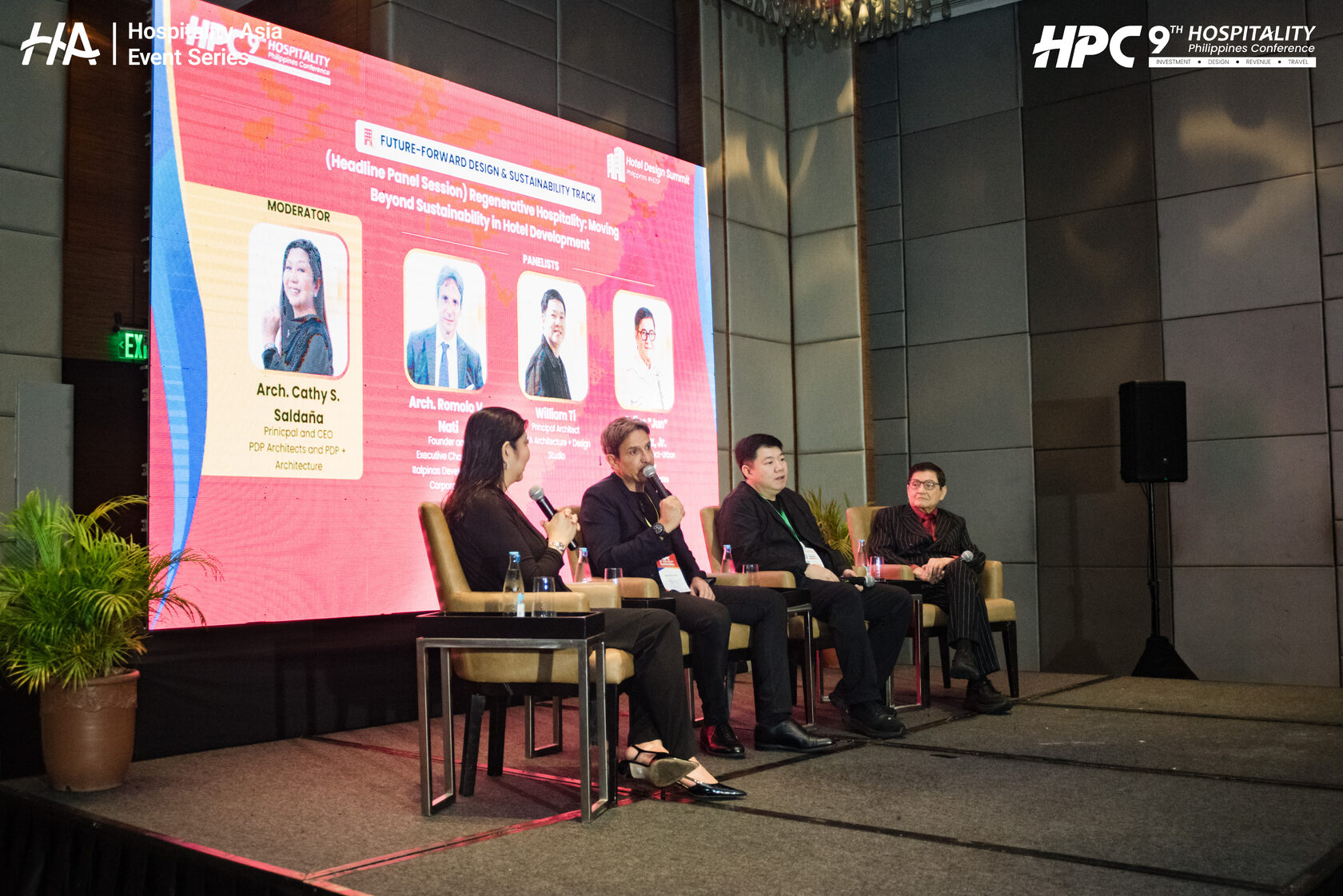
To hedge against hospitality cycles, developers are moving away from single-asset models in favor of multi-layered developments. Moderated by Marites Pamintuan (Kandor Hospitality), the panel featured Manuel Carlos “Goody” Ilagan Jr. (Camaya Coast), Santiago Elizalde (Roxaco Land Corporation), and Venessa Koo (The Ascott Limited) explored how combining hotel rooms, serviced residences, retail, and lifestyle amenities within a single footprint maximizes land utilization, diversifies risk, and improves long-term asset appreciation.
International Hotel Brands: Raising Standards
The role of international hotel brands in elevating operational and service standards nationwide was addressed in a panel hosted by Claro Cordero Jr. (Cushman & Wakefield). Brand leaders Matt Holmes (Wyndham Hotels & Resorts), Phan Huu Duc (TUI Hotels & Resorts), and Chris Cho (Accor) discussed how global brand partnerships raise benchmarks for safety, service, and asset quality, ultimately driving valuation premiums and positioning the Philippines as a more competitive destination for cross-border capital.
The "Sweet Spot" Investment: 2-4 Star Hotels
While luxury developments capture headlines, speakers pointed to mid-scale and economy properties as the true engine of Philippine tourism. Moderated by Anthony Mariano (Triumph Development Corporation), the panel featuring Reigine Valerie Banaag (mySTAY Hotels), Dexter Moya (Global Comfort Group Corporation), and Jeremiah Pampolina (Sta. Lucia Land Inc.) highlighted the robust, resilient demand from domestic travelers and budget-conscious international visitors looking for quality, accessible accommodations.
Capital Efficiency in Economy & Mid-Scale Platforms
Operational execution within the mid-tier segment was further examined in a discussion moderated by Felix Guggenheim (Fuego Hospitality Collective). Panelists Jay Rodriguez (Hotel101 Global), Andoy Beltran (First Metro Securities), and Andrea Mastellone (AsiaWorld Hospitality) unpacked strategies for scaling consistency. By combining lean staffing, digital solutions, and operational efficiencies, operators can significantly lower the total cost of ownership, maximize long-term asset value, and deliver strong, resilient returns to investors.
Structuring Resilient Hotel Management Agreements (HMAs)
Navigating long-term operational risks requires balanced contractual frameworks. Avinash Menon (Megaworld Hotels & Resorts) led a discussion with Romel Rey Dellosa (PRIME Philippines) and Dean Y. Cid (PHINMA Hospitality Management Corp.) on structuring future-proof Hotel Management Agreements. Key negotiation focus areas included establishing realistic performance guarantees, clear base versus incentive fee structures, flexible termination provisions, and well-defined Capital Expenditure (CapEx) commitments to protect underlying property values through shifting market cycles.
Scaling the "Filipino Soul": Localizing Global Brands
The balance between standardized global consistency and authentic local identity took center stage in a panel moderated by Hanky Lee (The Henry Hotels & Resorts). Speakers Miro Marcial (Discovery Hospitality), Bobby Horrigan (Horrigan Hospitality), and Stijn Huijbers (Mandarin Oriental Makati) demonstrated how co-creating localized, culturally rich properties enables assets to command premium room rates, drive long-term valuation, and satisfy modern travelers seeking immersive, high-end experiences.
Designing & Underwriting International Appeal into Mixed-Use Projects
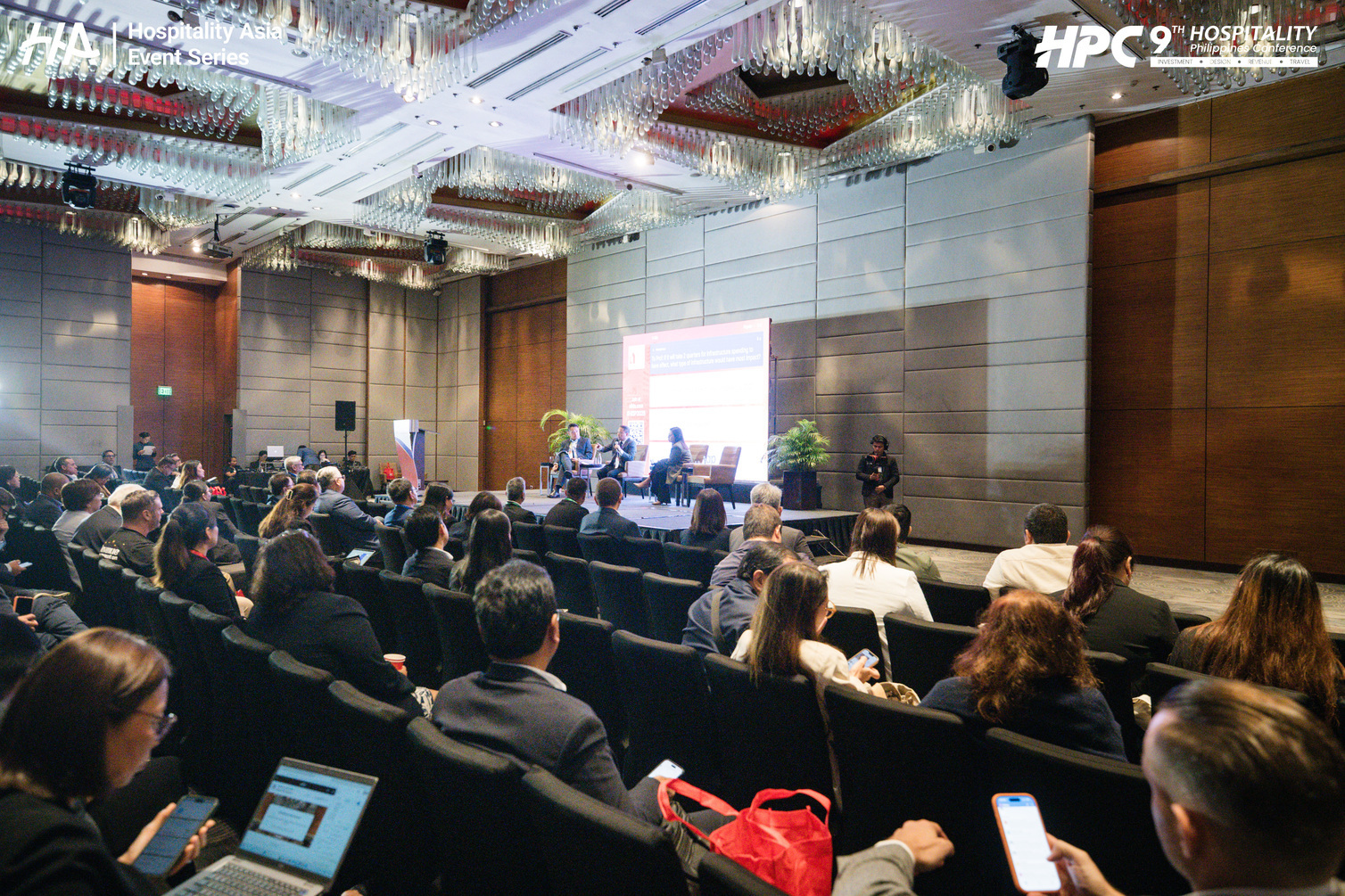
Closing the summit's thematic discussions, Sen Soon-Mun (Horwath HTL) led a panel with Bastien Touzeau (Hyatt Hotels Corporation), Neil Rumbaoa (SM Hotels and Conventions Corp.), and Christine Angela Sevilla (Radisson Hotel Group). The session analyzed the structural design, brand partnerships, and lifestyle amenities required to make Philippine mixed-use developments globally competitive, helping developers optimize real estate components to attract high-net-worth international buyers, corporate tenants, and foreign capital.
The Hotel Investment Summit Philippines 2026 underscored that while the initial post-expansion phase presents operational tests, disciplined capital deployment, focused on emerging geographies, efficient mid-scale models, and flexible management structures, will define the market's next wave of successful hospitality assets.
The Hotel Investment Summit Philippines 2026 underscored that while the initial post-expansion phase presents operational tests, disciplined capital deployment, focused on emerging geographies, efficient mid-scale models, and flexible management structures, will define the market's next wave of successful hospitality assets.