
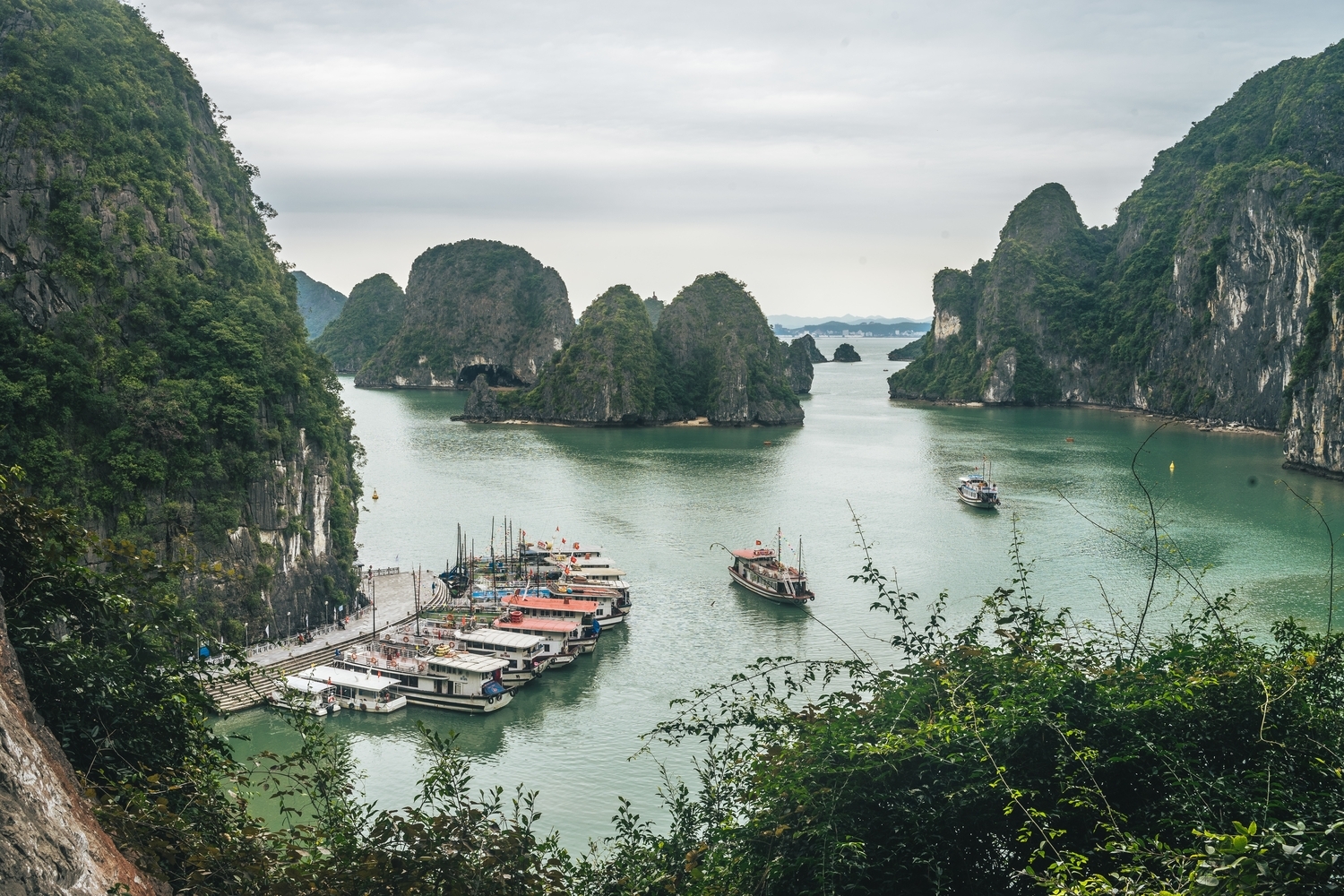
For decades, the global traveler’s compass in Southeast Asia often pointed toward the established hubs of Thailand or Bali. However, a significant shift is underway. From the mist-shrouded peaks of the north to the sun-drenched coastlines of the south, Vietnam is no longer just a stop on a backpacker’s trail. It has evolved into the continent’s most compelling multi-dimensional destination. Whether you are seeking a high-stakes business hub, a tranquil eco-retreat, or a deep dive into ancient culture, Vietnam is proving that it can personalize the travel experience for a new generation of immersive, experience-driven explorers.
The Exponential Surge: A Data-Driven Success
The transformation of Vietnam’s tourism sector is nothing short of a macroeconomic marvel. In 1990, the country generated a modest 1.34 billion VND in tourism revenue. In 2010, this figure had climbed to VND 355 trillion. By 2024, that figure skyrocketed to an astonishing 840 trillion VND (approximately US$40.6 billion). This momentum has only accelerated into 2026. In the first quarter alone, Vietnam welcomed 6.76 million international visitors, a 12.4% increase over the previous year.
Asian markets remain the bedrock of this growth, accounting for over 73% of total arrivals. South Korea continues to be the primary driver, with nearly 490,000 arrivals, a 17% year-on-year increase, fueled by a fascination with Vietnam’s premium golf tourism and family-centric beach resorts. Meanwhile, Japan has signaled a robust recovery in high-spending segments with a 41% month-on-month growth, and China remains a dominant second-largest market. These figures represent more than just statistics; they reflect a global pivot in travel preferences toward a country that offers stability, safety, and a sophisticated infrastructure.
Asian markets remain the bedrock of this growth, accounting for over 73% of total arrivals. South Korea continues to be the primary driver, with nearly 490,000 arrivals, a 17% year-on-year increase, fueled by a fascination with Vietnam’s premium golf tourism and family-centric beach resorts. Meanwhile, Japan has signaled a robust recovery in high-spending segments with a 41% month-on-month growth, and China remains a dominant second-largest market. These figures represent more than just statistics; they reflect a global pivot in travel preferences toward a country that offers stability, safety, and a sophisticated infrastructure.
Strategic Hubs and Integrated Ecosystems
Central to this rise is the reimagining of Vietnam’s urban centers. Hanoi, the nation’s capital, has been designated under the national tourism strategy as a "multi-dimensional tourism hub." This model seamlessly integrates business travel, lifestyle experiences, and global fan engagement, moving beyond traditional sightseeing into a holistic ecosystem where work, leisure, and entertainment coexist.
Hanoi’s strategic location and rapid infrastructure development have solidified its reputation as a premier gateway for international conferences and large-scale corporate events. This "integrated travel" approach allows professionals to transition from high-level boardroom meetings to world-class dining and cultural immersion within the same afternoon, effectively capturing the lucrative "bleisure" market.
Hanoi’s strategic location and rapid infrastructure development have solidified its reputation as a premier gateway for international conferences and large-scale corporate events. This "integrated travel" approach allows professionals to transition from high-level boardroom meetings to world-class dining and cultural immersion within the same afternoon, effectively capturing the lucrative "bleisure" market.
Eco-Tourism and the Luxury of Nature
As global travelers become increasingly eco-conscious, Vietnam is positioning itself as Southeast Asia’s premier green destination. With diverse ecosystems and a renewed focus on environmental preservation, the country is capitalizing on its abundant natural resources to attract travelers who value sustainability as much as comfort.
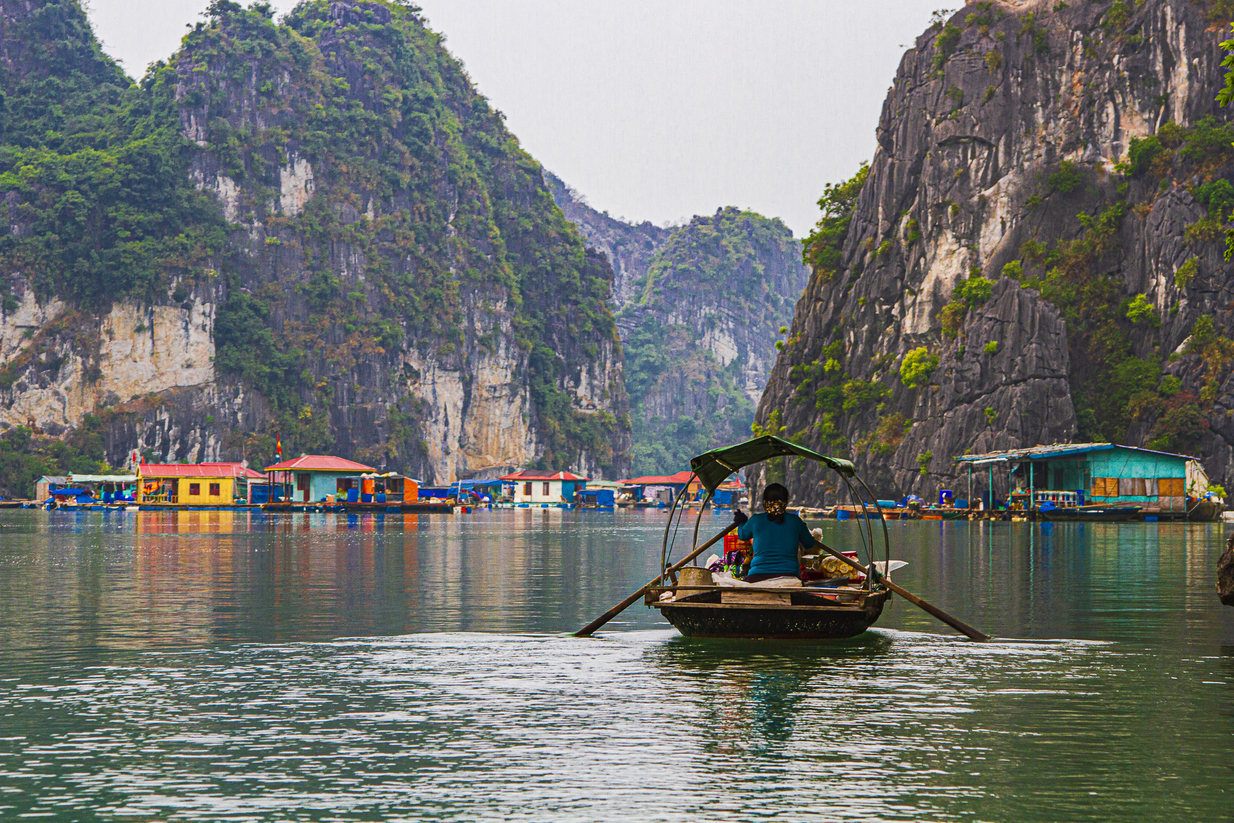
From the UNESCO-protected waters of Ha Long Bay to the pristine forests of the north, the focus is shifting toward "low-impact, high-value" tourism. This commitment is particularly evident in the massive global hospitality investments flowing into regions like Phu Quoc and Vung Tau. These areas are currently undergoing significant development, with new resorts specifically designed to accommodate a surge in international visitors while balancing growth with environmental integrity.
Beyond the high-end resorts, Vietnam’s soft power lies in its authentic cultural fabric. The combination of historic old towns, world-renowned street food, and affordable wellness and beauty services has made it a magnet for Gen-Z and Millennial travelers. This demographic seeks a healing luxury, experiences that nurture the spirit without exhausting the budget. The country’s political stability provides a sense of security that allows these visitors to explore the breadth of the landscape, from tranquil mountain retreats to vibrant lifestyle hubs, with total peace of mind.
From the UNESCO-protected waters of Ha Long Bay to the pristine forests of the north, the focus is shifting toward "low-impact, high-value" tourism. This commitment is particularly evident in the massive global hospitality investments flowing into regions like Phu Quoc and Vung Tau. These areas are currently undergoing significant development, with new resorts specifically designed to accommodate a surge in international visitors while balancing growth with environmental integrity.
Beyond the high-end resorts, Vietnam’s soft power lies in its authentic cultural fabric. The combination of historic old towns, world-renowned street food, and affordable wellness and beauty services has made it a magnet for Gen-Z and Millennial travelers. This demographic seeks a healing luxury, experiences that nurture the spirit without exhausting the budget. The country’s political stability provides a sense of security that allows these visitors to explore the breadth of the landscape, from tranquil mountain retreats to vibrant lifestyle hubs, with total peace of mind.
The Vision for 2030
Vietnam’s ambitions are clear and calculated. For 2026, the nation aims to welcome 25 million international visitors, with a long-term goal of hitting 50 million by 2030. To reach this, the government is continuously enhancing tourist-friendly infrastructure, streamlining services, and marketing the country as a premium, sustainable destination.
Ultimately, Vietnam’s success is rooted in its ability to honor its past while aggressively building for the future. By merging world-class facilities with ancient traditions and modern infrastructure, the country has created a transformative journey for every visitor. The message to the world is simple: Vietnam is no longer a destination of the future, it is the destination of right now.
Ultimately, Vietnam’s success is rooted in its ability to honor its past while aggressively building for the future. By merging world-class facilities with ancient traditions and modern infrastructure, the country has created a transformative journey for every visitor. The message to the world is simple: Vietnam is no longer a destination of the future, it is the destination of right now.