
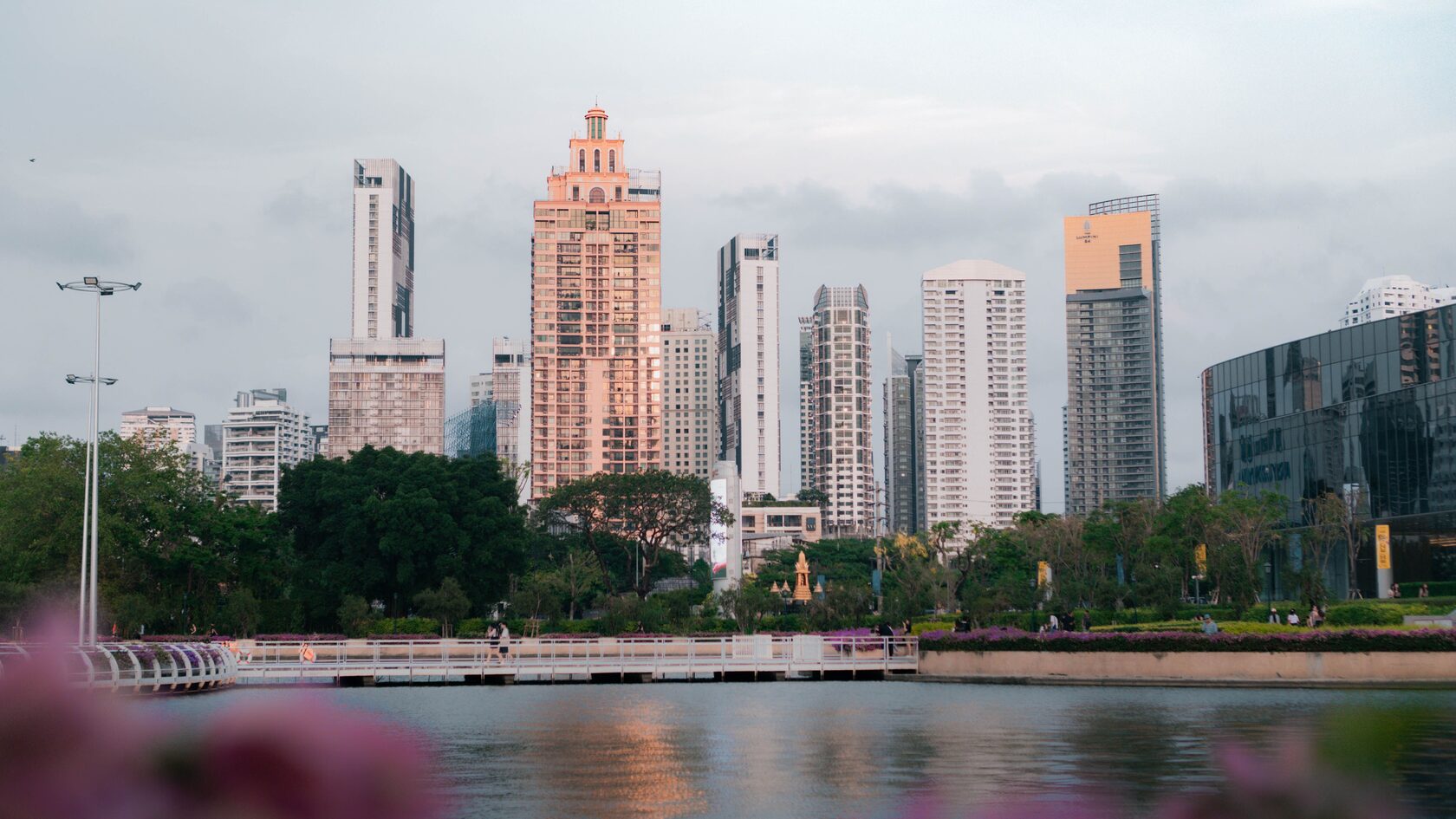
Thailand’s hospitality sector is defined by two fundamentally different economic, financial, and operational ecosystems: urban city hotels and coastal leisure resorts. While both share the backdrop of Southeast Asia's premier tourism powerhouse, their revenue generation, risk profiles, capital requirements, and real estate liquidity follow contrasting paths.
As institutional capital expands alongside rising operational costs nationwide, the distinction between city hubs like Bangkok and premier resort enclaves like Phuket and Pattaya has sharpened into a strategic divergence. Deciding where to allocate capital requires unpacking how these two asset classes operate across cycles, manage their balance sheets, and deliver investor yields.
As institutional capital expands alongside rising operational costs nationwide, the distinction between city hubs like Bangkok and premier resort enclaves like Phuket and Pattaya has sharpened into a strategic divergence. Deciding where to allocate capital requires unpacking how these two asset classes operate across cycles, manage their balance sheets, and deliver investor yields.
The Fundamental Landscapes: City Stability vs. Resort Dynamism
The city hotel market, anchored primarily by Bangkok and regional secondary hubs like Chiang Mai, operates as Thailand's most mature commercial hospitality framework. Bangkok alone features the country's deepest scale, exceeding 147,000 rooms backed by extensive mass transit systems, major commercial business districts, and integrated lifestyle retail infrastructure. Its performance is supported year-round by corporate accounts, meetings, incentives, conferences, and exhibitions, government functions, medical travelers, and long-term expatriates. Because demand is non-cyclical, city hotels display lower seasonal volatility and enjoy deep secondary transaction liquidity.
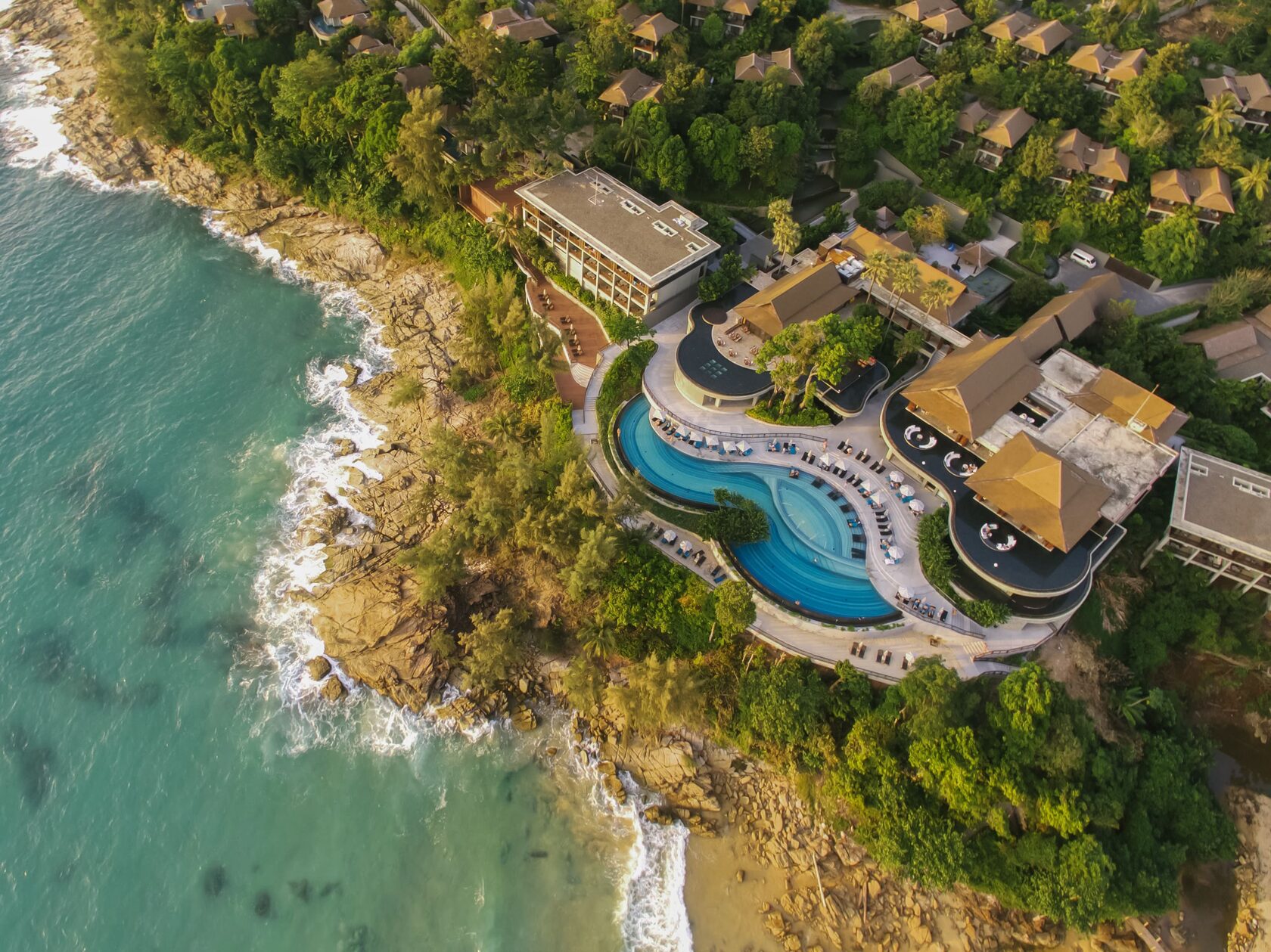
In contrast, resort markets, including Phuket, Pattaya, Samui, Krabi, and Hua Hin, are leisure engines driven by discretionary global holidaymakers, affluent digital nomads, and second-home owners. Phuket stands out as an international luxury hub, where roughly 58 percent of the inventory falls within the luxury segment. Pattaya provides a bridge between leisure and commercial utility, anchored by domestic weekend traffic from Bangkok and industrial demand fueled by the Eastern Economic Corridor. While resorts command exceptional pricing power during peak periods, they remain exposed to seasonal weather patterns, geopolitical shifts, and airline seat capacity fluctuations.
In contrast, resort markets, including Phuket, Pattaya, Samui, Krabi, and Hua Hin, are leisure engines driven by discretionary global holidaymakers, affluent digital nomads, and second-home owners. Phuket stands out as an international luxury hub, where roughly 58 percent of the inventory falls within the luxury segment. Pattaya provides a bridge between leisure and commercial utility, anchored by domestic weekend traffic from Bangkok and industrial demand fueled by the Eastern Economic Corridor. While resorts command exceptional pricing power during peak periods, they remain exposed to seasonal weather patterns, geopolitical shifts, and airline seat capacity fluctuations.
Operational Dynamics: Consistency vs. Compression
The primary operational difference between urban and coastal hotels lies in how they generate their Revenue Per Available Room, which combines room occupancy with Average Daily Rate.
City properties run on a high-floor, lower-ceiling occupancy model. Demand spreads consistently across the week: Sunday through Thursday is driven by business executives, conference delegates, and corporate travelers, while Friday and Saturday transition to weekend domestic staycations and regional leisure tourists. Because urban inventory is deep and competes with short-term rental platforms, with alternative rentals now accounting for roughly 10 percent of total urban accommodation supply, pushing aggressive rate hikes is difficult. City operators instead prioritize volume and steady auxiliary revenue streams, including corporate conferences, catering, and business banqueting.
Resort properties operate under a high-ceiling, low-floor model governed by seasonal compression. During the peak dry season from November to February, international demand spikes drive room occupancy past 80 to 85 percent. Luxury resorts leverage this inelastic demand by raising room rates substantially, banking the bulk of their annual net operating profit within a four-month window. However, during the low monsoon season, occupancies drop sharply. Operators must then discount heavily or rely on volume tour groups to preserve baseline cash flow. Ancillary spending at resorts revolves around discretionary personal leisure: wellness spas, beachfront dining, bespoke tours, and private maritime excursions.
Operating Margins, Cost Inflation, and CapEx Cycles
Both sectors face tighter operating environments, though these pressures affect balance sheets in distinct ways. Data from Kasikorn Research Center indicates that baseline operating expenses, specifically utilities, food supply chain inputs, wage pressures, and online travel agency commissions, now absorb 40 to 45 percent of gross revenues across Thailand's hospitality sector.
Staffing models reflect this pressure. City hotels scale their operational rosters around predictable corporate booking calendars. They can also negotiate corporate group rates directly with enterprise accounts, keeping third-party booking commissions low. Resorts, however, carry high labor friction. They must maintain extensive landscaped grounds, private pool villas, and expansive wellness facilities even during off-peak periods, while relying heavily on costly marketing channels to capture individual retail travelers.
Capital expenditure schedules diverge along environmental lines:
- Resort Environmental Wear: Coastal and island properties suffer rapid physical depreciation from salt air, persistent humidity, and monsoonal storms. They require recurring soft refurbishments every three to five years just to maintain their luxury ratings and support premium daily rates, meaning that delaying a maintenance cycle quickly erodes pricing power.
- City Functional Upgrades: Urban hotels endure lower weather-related degradation. Their capital expenditures prioritize functional modernization: smart room controls, high-speed business connectivity, energy-efficient climate control machinery, and multi-functional co-working environments to keep corporate clients loyal.
Real Estate Underwriting: Transaction Volumes, Cap Rates, and Yield Gaps
Institutional real estate investors treat city and resort properties as distinct portfolio allocations. According to JLL Real Estate Research, Bangkok captures over 75 percent of Thailand's hotel transaction volume, which recently reached a record 26.4 billion Thai Baht. Institutional buyers favor Bangkok because the market allows for clear value-add plays: acquiring mature urban hulls in prime central areas like Sukhumvit, Silom, Sathorn, Wireless Road, and along the Chao Phraya riverfront, then renovating and rebranding them into select-service or upscale flags.
The resort transaction market is smaller and more fragmented, representing less than 25 percent of institutional deal volume. Prime beach-front real estate is tightly held by multi-generational family groups, creating an asset shortage that frequently pushes investors toward greenfield developments.
Intense bidding for prime properties has compressed actual market capitalization rates to between 6.0 and 7.5 percent across both central Bangkok and core resort markets like Phuket, settling at an average of 6.75 percent. However, this compression exposes a clear yield gap against institutional target returns. Institutional buyers target yields between 7.5 and 9.0 percent or higher for Bangkok central business district properties, averaging around 8.25 percent, while demanding 8.0 to 10.0 percent or higher, averaging 9.0 percent, for resort assets to balance seasonality and operational volatility.
Because coastal cash flows fluctuate throughout the year, commercial lenders actively enforce strict debt service coverage ratio limits on resort projects. Consequently, resort developers generally need higher equity contributions upfront than urban hotel sponsors.

Regulatory Structures and Investment Routes
Foreign institutional investors entering Thailand's hospitality market must navigate specific ownership regulations. The Foreign Business Act restricts direct land ownership and caps foreign equity at 49 percent for standard domestic companies. To overcome these limits, institutional platforms use established legal routes:
- Board of Investment Privileges: Under the Board of Investment promoted hotel category, qualifying upscale and luxury developments can secure 100 percent foreign corporate ownership alongside direct land freehold titles, bypassing standard foreign equity limits.
- Cross-Border Tax Treaties: Establishing holding companies through regional hubs like Singapore allows investors to use the Singapore-Thailand Double Taxation Agreement, capping dividend withholding taxes at 10 percent and optimizing post-tax net exits.
Strategic Takeaways for Investors and Operators
Choosing between a Thai city hotel and a coastal resort comes down to an investor's tolerance for volatility and underlying financial goals.
City hotels in Bangkok are built for capital preservation, predictable year-round occupancy, lower operational volatility, and liquid exit options. Investors accept lower cash-on-cash yields in exchange for year-round corporate demand, institutional debt availability, and long-term land value appreciation.
Resort hotels across Phuket, Samui, and Pattaya are engineered for higher yields and rate-driven profits during peak compression periods. Investors must actively manage operational teams, anticipate seasonal cash shortfalls, and maintain higher capital expenditure reserves to combat the coastal environment.
As Thailand's hospitality landscape matures, smart capital is moving away from generic developments toward distinct, well-positioned properties. Whether assembling an urban portfolio anchored to Bangkok's mass-transit corridors or developing a boutique luxury retreat on Phuket's west coast, navigating this structural divide is key to protecting balance sheets and generating durable risk-adjusted returns.