
Across Asia’s major commercial, financial, and urban centers, a fundamental shift is redefining the hospitality landscape. The era of the hyper-packed, high-energy travel itinerary, characterized by endless sightseeing and back-to-back excursions, is giving way to a deliberate search for stillness. Driven by chronic workplace burnout, accumulated sleep debt, and a cultural shift toward health and wellness, travelers are increasingly booking hotel stays with one primary objective: catching up on rest.
Known as the sleepcation or sleep tourism, this movement has evolved from a niche travel preference into a high-yield global industry segment. For institutional asset owners, operators, and hospitality leaders across the Asia-Pacific region, sleep is no longer merely a passive overnight byproduct of a room key. It has become a measurable, high-margin wellness product driving room rates, guest loyalty, and operational strategy.
Known as the sleepcation or sleep tourism, this movement has evolved from a niche travel preference into a high-yield global industry segment. For institutional asset owners, operators, and hospitality leaders across the Asia-Pacific region, sleep is no longer merely a passive overnight byproduct of a room key. It has become a measurable, high-margin wellness product driving room rates, guest loyalty, and operational strategy.
The Economics of Rest: A Multi-Billion Dollar Opportunity
The financial scale of sleep tourism demonstrates its rapid transition into a major market sector. According to market research from Fortune Business Insights, the global sleep tourism market is projected to reach $96.13x billion dollars, expanding at an annual growth rate of over thirteen percent toward $265.85 billion dollars by 2034. Within this segment, luxury properties capture over thirty percent of the market share, proving that consumers are willing to pay premium rates for verified, high-quality recovery environments.
Data shows a fundamental shift in the psychological goals of taking a vacation. According to a report by Skyscanner, 43% percent of wellness travelers explicitly stated that their primary goal on vacation is to improve their sleep quality. In massive travel markets like India, Skyscanner found that 85% of travelers are more focused on sleep than ever before, with one in five booking vacations where sleep is the sole objective. Furthermore, a massive ninety-one percent of frequent travelers reported being willing to pay a premium price for accommodations that guarantee sleep-enhancing features like acoustic isolation and circadian lighting.
The ultimate catalyst for the sleepcation trend is the global exhaustion epidemic, particularly among younger professionals. Workplace data highlights that younger generations are reaching a breaking point, with 74% of Gen Z employees reporting active burnout. Instead of using vacation days to explore new cities, thirty-seven percent of workers admitted to using their paid time off purely to catch up on missed sleep at home or in hotels, a number that rises to forty-three percent among Millennials. Compounding this, more than one-third of adults live with chronic sleep deprivation, creating a massive demographic desperate for an escape that offers guaranteed, uninterrupted recovery.
Regional Market Dynamics: How Sleep Tourism Manifests in Asia
The Asia-Pacific sleep tourism market is expanding at an accelerated rate. Driven by intense corporate work cultures, urban density, and high rates of sleep deprivation, distinct regional travel behaviors have emerged across Asian markets.
India: The "Napcation" Era
In India, where workplace surveys indicate that a notable portion of the urban population sleeps fewer than five hours per night, the market has seen the rise of the napcation. Stressed corporate professionals from tech hubs like Bengaluru and Mumbai are increasingly bypassing high-stimulation destinations to seek quiet retreats in low-density regions such as Kerala, Goa, Uttarakhand, and Himachal Pradesh.
Japan: High-Tech Diagnostics and Thermal Rituals
Japan has long integrated sleep hygiene into its hospitality ecosystem by pairing modern technology with traditional bathing rituals. In urban centers like Tokyo, business hotels offer specialized stay plans featuring personal sleep consultations, high-performance pillow menus, and custom sleep-inducing tea blends like chamomile mixed with local Mimasaka bancha. Meanwhile, traditional thermal destinations like Kinosaki Onsen utilize centuries-old mineral spring rituals to lower core body temperatures before sleep, complementing tatami and futon bedding configurations designed for alignment.
Southeast and East Asia: Nature Immersion and "Eco-Healing"
Across Southeast Asia, developers and asset owners are leveraging natural landscapes to shield guests from urban noise and light pollution. Beyond Bali's sound-healing retreats, nearby Sumba has emerged as a premier sleep destination offering dark night skies and eco-lodges designed to support natural circadian rhythms. In Thailand, travelers from Bangkok are driving demand toward the cooler, high-altitude national park surroundings of Khao Yai, where forest soundscapes encourage quick recovery stays.
Similarly, in South Korea, travelers frequent the bamboo forests of Damyang, drawing on the local wellness concept of healing where dense bamboo acts as a natural noise filter to guarantee total quiet after sunset. In Vietnam’s northern highlands, Ba Be Lake offers quiet eco-lodges surrounded by limestone peaks, prioritizing natural darkness over organized activities, while high-elevation mountain lodges in Alishan, Taiwan, leverage cool air and cypress forest surroundings to foster deep rest cycles.
High-Density Urban Hubs: Corporate Medical Wellness
In financial centers like Singapore, luxury properties are capturing corporate wellness budgets. Leading global brands offer structured clinical programs that blend medical sleep analysis, digital detoxes, and environmental room modifications to cater directly to overworked executives.
Leading international hospitality brands across Asia are moving beyond basic high-thread-count linens to combine medical science, AI bio-hacking, and traditional healing into structured sleep offerings.
Leading international hospitality brands across Asia are moving beyond basic high-thread-count linens to combine medical science, AI bio-hacking, and traditional healing into structured sleep offerings.
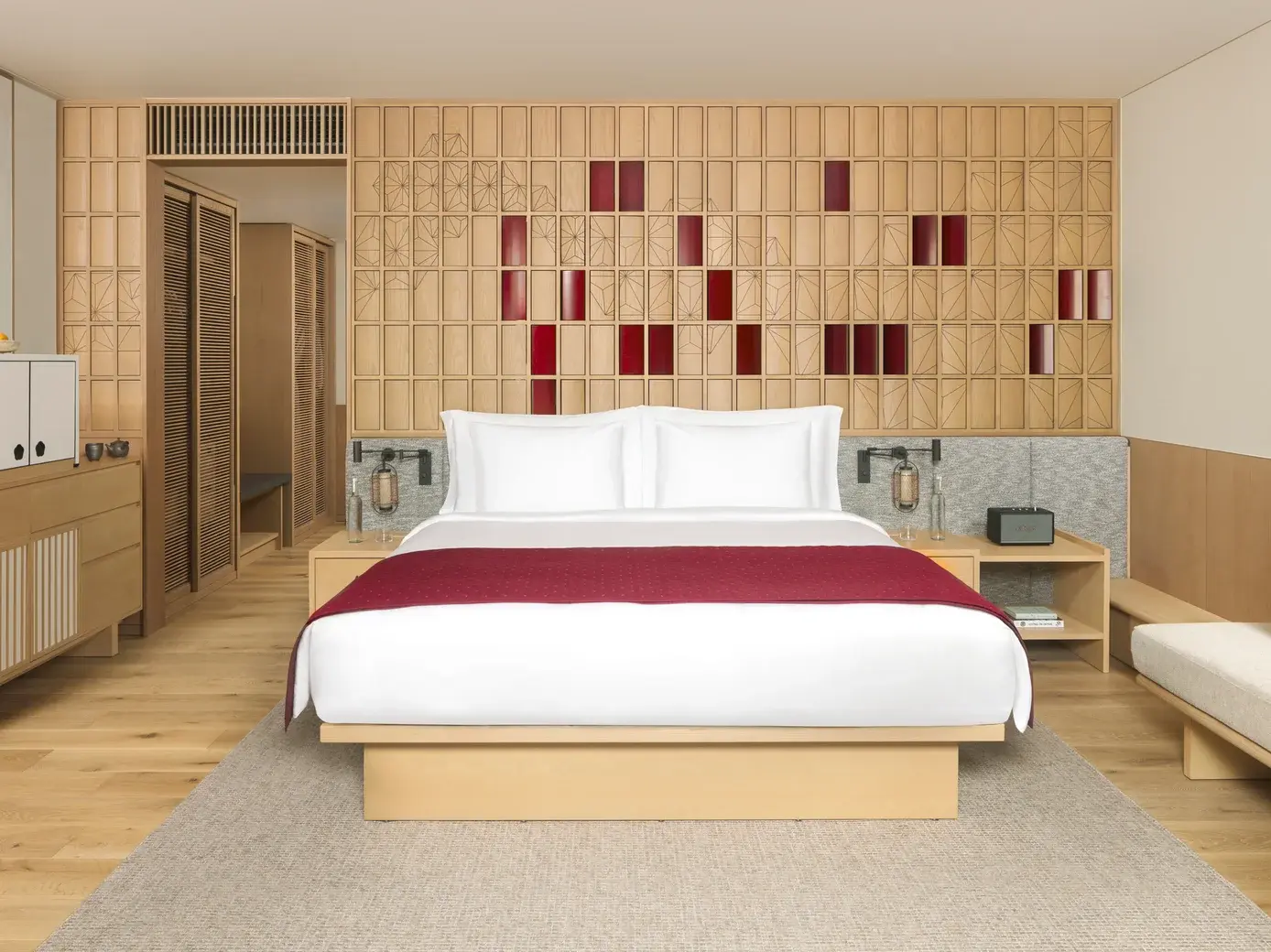
Six Senses Kyoto (Japan)
This urban sanctuary features structured sleep packages powered by smart room engineering. Guests can customize their room environment through automated blackout shutters and micro-climate mattress cooling systems. These hardware solutions are paired with biometrics tracking, personalized sleep consultations, and specialized menus engineered to stabilize circadian rhythms.
This urban sanctuary features structured sleep packages powered by smart room engineering. Guests can customize their room environment through automated blackout shutters and micro-climate mattress cooling systems. These hardware solutions are paired with biometrics tracking, personalized sleep consultations, and specialized menus engineered to stabilize circadian rhythms.
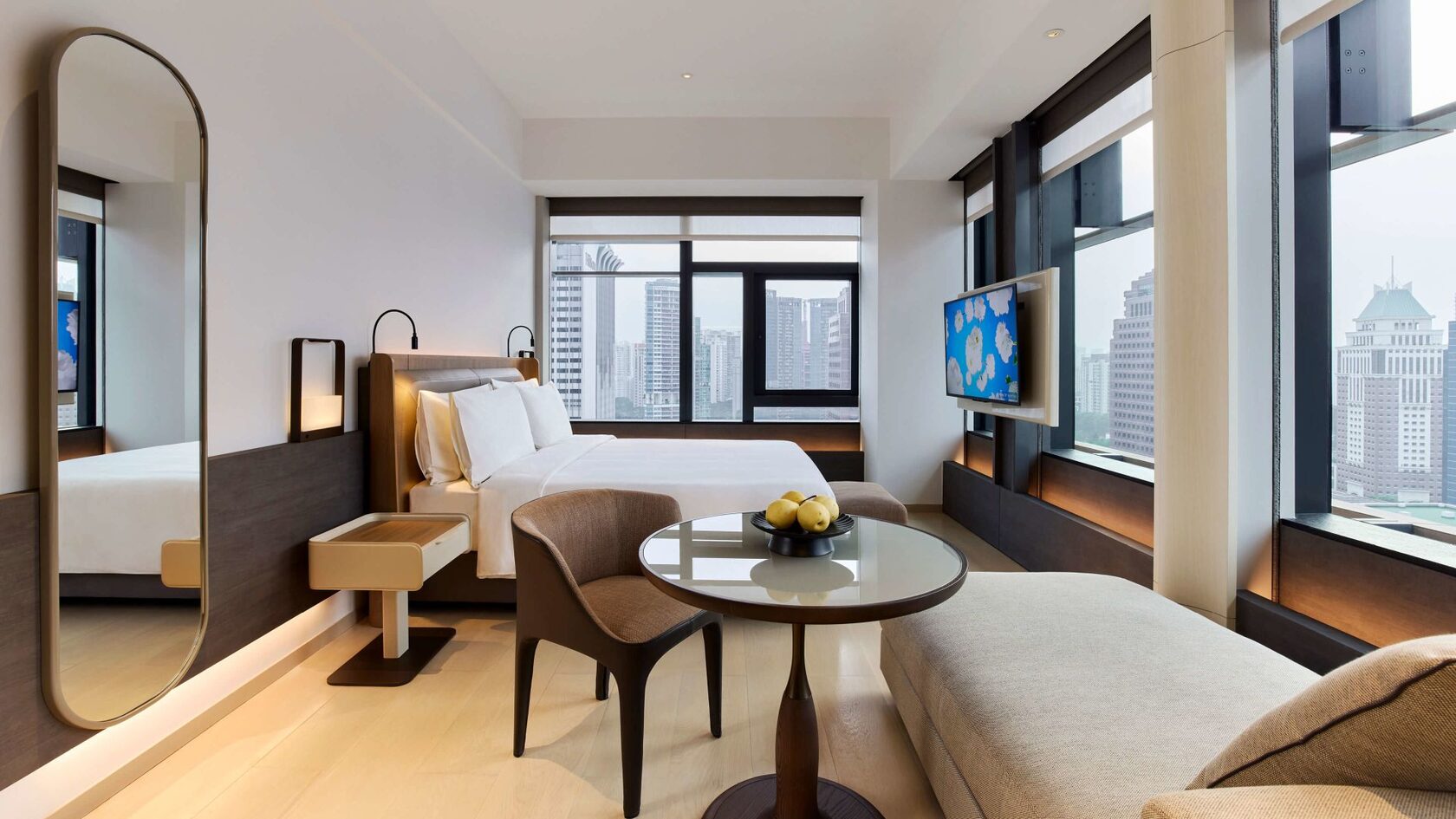
COMO Metropolitan Singapore
Positioned directly toward financial sector professionals, this property runs a signature Sleep and Dreams Retreat in partnership with the COMO Shambhala Wellness Center. Rooms feature tailored acoustic isolation profiles, specialized turndown aromatherapy, and targeted room-service menus curated to support natural melatonin production.
Positioned directly toward financial sector professionals, this property runs a signature Sleep and Dreams Retreat in partnership with the COMO Shambhala Wellness Center. Rooms feature tailored acoustic isolation profiles, specialized turndown aromatherapy, and targeted room-service menus curated to support natural melatonin production.

Kamalaya Koh Samui (Thailand)
Situated in a coastal valley, Kamalaya offers a multi-night Sleep Enhancement Program designed to treat the root causes of chronic sleep disruption. The program integrates traditional acupuncture, conscious breathwork, and targeted herbal supplementation with professional life-enhancement mentorship to balance nervous system regulation.
Situated in a coastal valley, Kamalaya offers a multi-night Sleep Enhancement Program designed to treat the root causes of chronic sleep disruption. The program integrates traditional acupuncture, conscious breathwork, and targeted herbal supplementation with professional life-enhancement mentorship to balance nervous system regulation.
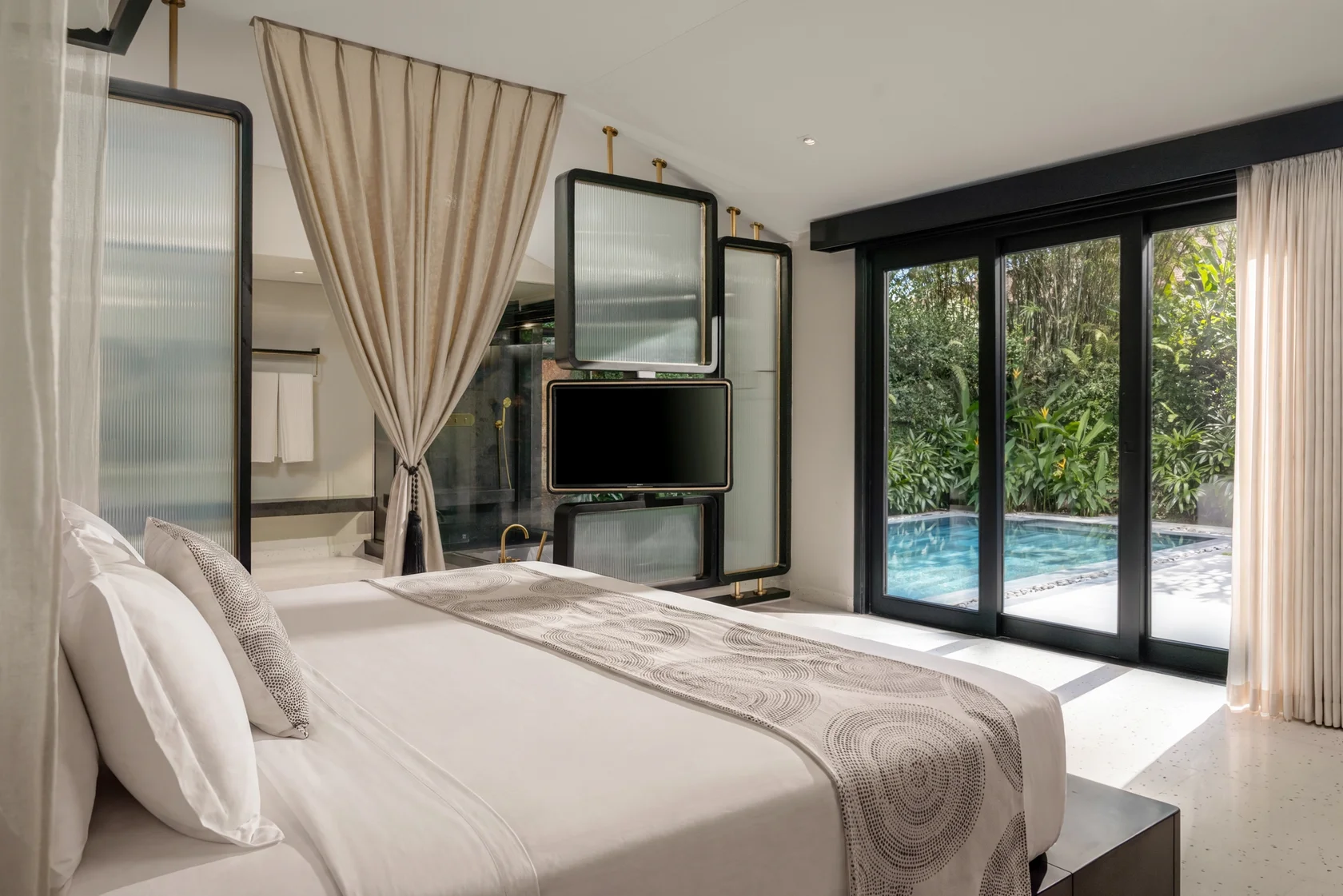
TIA Wellness Resort (Danang, Vietnam)
TIA treats the evening wind-down as an extended ritual. Guests begin the transition in the wellness center with stress-releasing therapies, such as Himalayan heart stone treatments. Upon returning to their villa, staff prepare a private magnesium-and-mugwort-infused bath under low-lux candlelight, paired with adaptogenic nightcaps like hot lavender-reishi lattes.
TIA treats the evening wind-down as an extended ritual. Guests begin the transition in the wellness center with stress-releasing therapies, such as Himalayan heart stone treatments. Upon returning to their villa, staff prepare a private magnesium-and-mugwort-infused bath under low-lux candlelight, paired with adaptogenic nightcaps like hot lavender-reishi lattes.
Implementing a Sleep-Centric Asset Strategy
To capture this market segment, hotel operators must treat sleep as a structured, measurable amenity rather than an operational afterthought across three core pillars:
Hardware: Room Environment Optimization
The physical guest room must be optimized into a sensory-deprivation and recovery chamber. Operators should invest in smart mattresses featuring dynamic temperature regulation and pressure relief, alongside a customizable pillow menu ranging from memory foam and cooling gels to buckwheat and full-body options. Installing motorized tight-sealing blackout curtains, acoustic dampening wall coverings, solid-core doors, and double-paned insulated glass ensures total control over light and noise. Additionally, integrated circadian lighting systems should transition automatically from energizing morning light to low-kelvin amber tones in the evening to encourage natural melatonin production.
Experience: Service and F&B Integration
Hotels must structure specific services that cater explicitly to the exhausted traveler. Offering a sleep concierge service allows guests to select evening wind-down options, such as magnesium bath preparations or pre-bed aromatherapy diffusion featuring lavender, valerian, or chamomile. Partnering with health-tech providers enables properties to offer wearable sleep trackers that generate personalized recovery reports upon checkout. Furthermore, room service menus should be expanded beyond traditional late-night items to include options rich in tryptophan, magnesium, and natural melatonin drivers, such as tart cherry juice mocktails, walnuts, and herbal infusions.
Policy: Operational Realignment
Traditional hotel operations often actively disrupt deep sleep, requiring internal policy updates to support the guest journey. Rigid morning check-out times cut into recovery, making guaranteed late check-outs or flexible twenty-four-hour stay windows a powerful selling point for sleep packages. Operators should establish designated deep sleep zones on specific floors where housekeeping carts operate silently, staff maintain low noise levels, and group bookings are restricted. Allowing guests to opt into afternoon-only room servicing ensures they are never woken up by morning cleaning staff.
The sleepcation trend represents a clear commercial opportunity for hospitality asset owners and operators across Asia. By addressing the regional demand for burnout recovery, properties can unlock new premium revenue streams, drive higher in-property food, beverage, and spa spending, and boost occupancy during traditionally low-demand periods like Sunday nights. Properties that invest in validated sleep hardware, specialized experiences, and supportive operational policies can effectively differentiate their portfolios, transforming a standard hotel room into a high-yielding, health-focused sanctuary.