
Unlocking Infrastructure Connectivity: Shaping the Next Growth Cycle in Vietnam Real Estate
14.10.2026
The third quarter of 2026 (Q3/2026) marked a steady and resilient performance across the 4–5-star hotel markets in Ha Noi, Ho Chi Minh City (HCMC), and Da Nang, as detailed in the Quarterly Knowledge Report – Vietnam Real Estate by Avison Young titled "Unlocking Infrastructure Connectivity: Shaping the Next Growth Cycle." Accommodation demand across these primary destinations was robustly supported by a balanced mix of international visitors, business travelers, foreign professionals, MICE (Meetings, Incentives, Conferences, and Exhibitions) groups, and domestic leisure guests.
A defining characteristic of this market phase is the sustained influx of international brands. Beyond expanding current room supply and elevating overall service quality, these brands are actively diversifying hotel offerings across the three major markets. Over the medium and long term, ongoing infrastructure advancements, improved transport networks, and enhanced air connectivity, coupled with a maturing tourism services ecosystem, are poised to significantly strengthen Vietnam’s overall competitiveness within the broader regional hospitality landscape.
Ho Chi Minh City: Market Stability, Price Adjustments, and the Can Gio Expansion
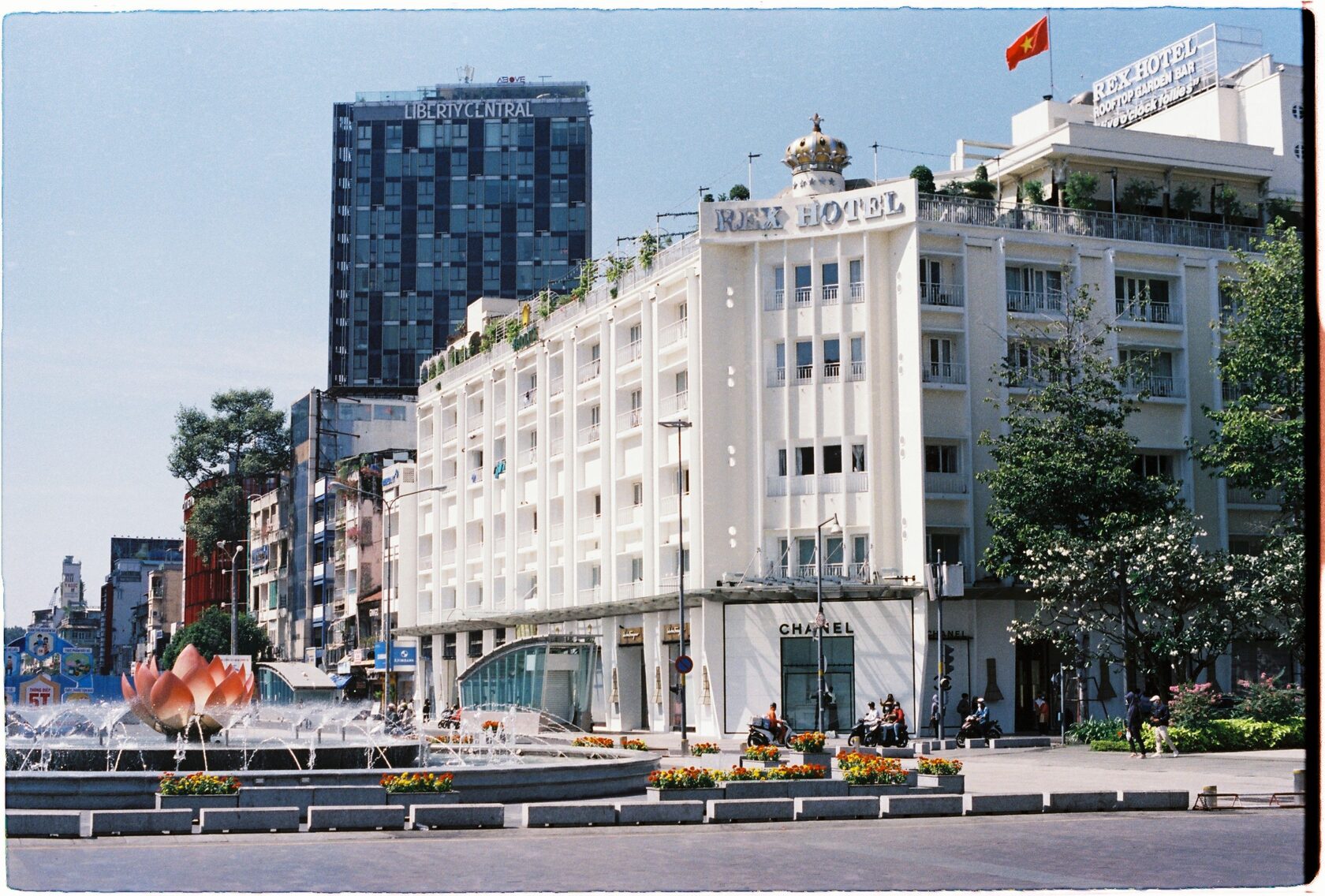
In Q3/2026, the 4–5-star hotel market in Ho Chi Minh City recorded no new supply completions, operating entirely on a balanced supply-demand framework. This limited injection of new room inventory enabled existing properties to preserve strong operational performance, capture healthy market absorption, and maintain stable occupancy levels.
Average Daily Rates (ADR) across the city showed marked improvements compared to the previous quarter:
Demand in HCMC remains firmly anchored by international tourism, corporate business travel, long-stay foreign professionals, MICE events, and domestic leisure guests.
While near-term supply remained flat in Q3/2026, future projects are slated to enter the market from 2027 onward. Near- and medium-term additions will bring increased brand diversity to central and suburban areas, highlighted by upcoming properties such as Caption by Hyatt Ba Son and Nobu Hotel Ho Chi Minh City.
Can Gio Coastal Urban Development: A New Hospitality Hotspot
Can Gio is rapidly emerging as a primary growth node for large-scale hotel and resort development. Two major global hospitality groups, Marriott International and IHG Hotels & Resorts, have entered into substantial development agreements within the Can Gio coastal urban project, adding nearly 1,900 rooms:
These properties are scheduled to open progressively starting from 2028 and 2030, respectively, establishing a comprehensive, large-scale hospitality ecosystem in Can Gio that will expand HCMC's destination appeal and drive long-term lodging demand.
Key Market Highlights and Strategic Brand Deals
Comprehensive Hotel Pipeline for Greater HCMC and Surrounding Destinations
Average Daily Rates (ADR) across the city showed marked improvements compared to the previous quarter:
- 5-Star Hotel Segment: Recorded an average room rate of approximately 250 USD/night, with occupancy levels sustained at 75–80%. The rate increase underscores the capacity of upscale hotels, especially those in prime central business districts, to maintain higher pricing power supported by strong demand and elevated market positioning.
- 4-Star Hotel Segment: Achieved an average room rate of around 150 USD/night, accompanied by occupancy rates ranging from 72–78%. This indicates steady, reliable demand from corporate clients, foreign professionals, and international leisure travelers.
Demand in HCMC remains firmly anchored by international tourism, corporate business travel, long-stay foreign professionals, MICE events, and domestic leisure guests.
While near-term supply remained flat in Q3/2026, future projects are slated to enter the market from 2027 onward. Near- and medium-term additions will bring increased brand diversity to central and suburban areas, highlighted by upcoming properties such as Caption by Hyatt Ba Son and Nobu Hotel Ho Chi Minh City.
Can Gio Coastal Urban Development: A New Hospitality Hotspot
Can Gio is rapidly emerging as a primary growth node for large-scale hotel and resort development. Two major global hospitality groups, Marriott International and IHG Hotels & Resorts, have entered into substantial development agreements within the Can Gio coastal urban project, adding nearly 1,900 rooms:
- Marriott International: Partnered to develop the JW Marriott Hotel Saigon Can Gio and Four Points by Sheraton Saigon, Can Gio, which together will supply approximately 780 rooms.
- IHG Hotels & Resorts & Vinhomes Green Paradise Deal: IHG signed a deal with Vinhomes Green Paradise to develop a portfolio of four hotels comprising over 1,000 rooms in Can Gio. This portfolio includes: InterContinental Saigon Can Gio, Crowne Plaza Saigon Can Gio, Holiday Inn Express Saigon Can Gio, Garner Saigon Can Gio.
These properties are scheduled to open progressively starting from 2028 and 2030, respectively, establishing a comprehensive, large-scale hospitality ecosystem in Can Gio that will expand HCMC's destination appeal and drive long-term lodging demand.
Key Market Highlights and Strategic Brand Deals
- Vinhomes Green Paradise & IHG Hotels & Resorts: Deal to develop 4 hotels (InterContinental, Crowne Plaza, Holiday Inn Express, and Garner Saigon Can Gio) totaling over 1,000 rooms in Can Gio.
- IHG Hotels & Resorts & Meraki Land Partnership: Signed agreements to develop Regent Ho Tram (scheduled to open in 2032) and Crowne Plaza Saigon Binh Duong (scheduled to open in 2029).
- Marriott International & Sun Group Partnership: Signed a landmark agreement to develop 10 hotels and resorts across Phu Quoc and Vung Tau, operating between 2027 and 2030. This expansion will officially introduce the W Hotels and Moxy Hotels brands to Vietnam.
Comprehensive Hotel Pipeline for Greater HCMC and Surrounding Destinations
- 2027 Pipeline: Caption by Hyatt Ba Son, Vias 2 Hotel Tam Thang, Hyatt Regency Ho Tram Resort and Residences, Maia Resort Ho Tram
- 2028 Pipeline: Nobu Ho Chi Minh Hotel, Bien Dong Hotel Vung Tau, JW Marriott Saigon Can Gio & Four Points by Sheraton Saigon, Can Gio
- 2029–2030 Pipeline: Tumys Gold Vung Tau, The Ritz-Carlton, Saigon, Movenpick (Five Star Odyssey), Fivestar Poseidon
Ha Noi: New Upscale Openings, Premium Positioning, and Rate Benchmarks
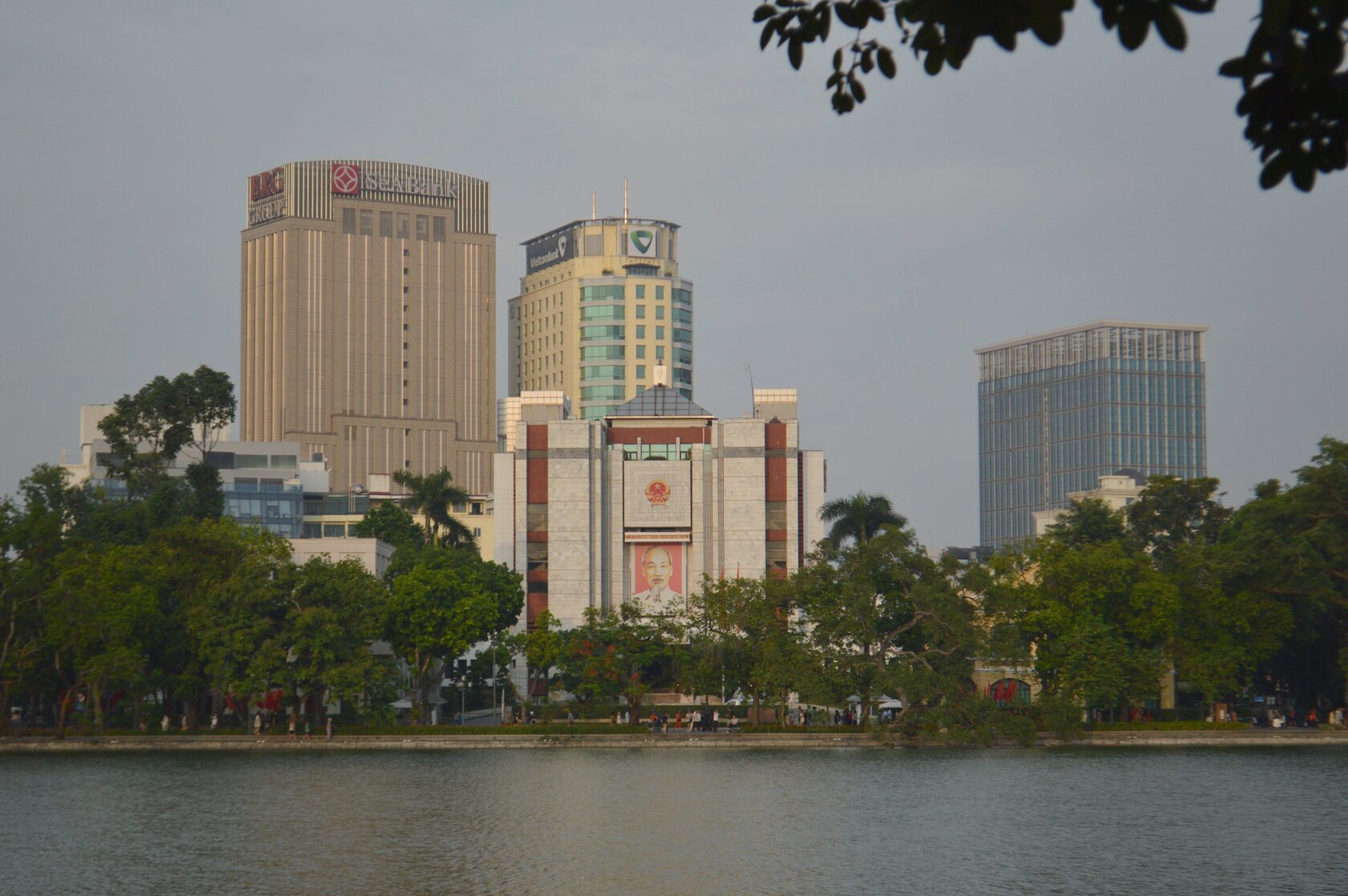
Ha Noi's 4–5-star hotel market expanded in Q3/2026 with the official launch of two notable upscale properties:
Accommodation demand in Ha Noi remained stable, supported by international tourists, foreign business trips, diplomatic conferences, and foreign professionals. Average room rates across the capital saw a clear upward shift:
The market demonstrated clear segment differentiation: 5-star properties successfully leveraged their premium market positioning to command higher rates from high-spending guests, while the 4-star segment maintained strong volume through competitive pricing and broader market appeal.
Pipeline Expansion
Future supply in Ha Noi will continue to diversify through international operator partnerships. Notably, Minor Hotels signed a management agreement to develop Avani+ Hanoi. Located in Bach Mai Ward as an integral component of the Hinode City mixed-use complex, the 310-room hotel is scheduled to open in 2028, further extending international hotel options in central Ha Noi.
- LÈGACY Hanoi – A Fusion Original: Officially launched in September 2026, adding 218 rooms to the capital's supply. The property combines 133 serviced apartments and 85 upscale hotel rooms, fully integrated with a dedicated wellness and healthcare ecosystem.
- The Theodore Hanoi: Officially opened on August 8, 2026, located in close proximity to Hoan Kiem Lake, adding 95 rooms to the city's upscale central supply.
Accommodation demand in Ha Noi remained stable, supported by international tourists, foreign business trips, diplomatic conferences, and foreign professionals. Average room rates across the capital saw a clear upward shift:
- 5-Star Hotel Segment: Recorded an average room rate of approximately 230 USD/night, with occupancy holding at 65–70%. This marked a significant rate increase from the previous quarter, driven largely by the entry and pricing benchmarks set by new and recent upscale brands, including Fairmont, LÈGACY, and The Adore, which elevated average segment pricing.
- 4-Star Hotel Segment: Reached an average room rate of around 130 USD/night, with occupancy ranging between 68–73%, reflecting positive rate realization amid steady corporate and leisure demand.
The market demonstrated clear segment differentiation: 5-star properties successfully leveraged their premium market positioning to command higher rates from high-spending guests, while the 4-star segment maintained strong volume through competitive pricing and broader market appeal.
Pipeline Expansion
Future supply in Ha Noi will continue to diversify through international operator partnerships. Notably, Minor Hotels signed a management agreement to develop Avani+ Hanoi. Located in Bach Mai Ward as an integral component of the Hinode City mixed-use complex, the 310-room hotel is scheduled to open in 2028, further extending international hotel options in central Ha Noi.
Da Nang: Summer Tourism Surge, Festival Impacts, and Source Market Diversification
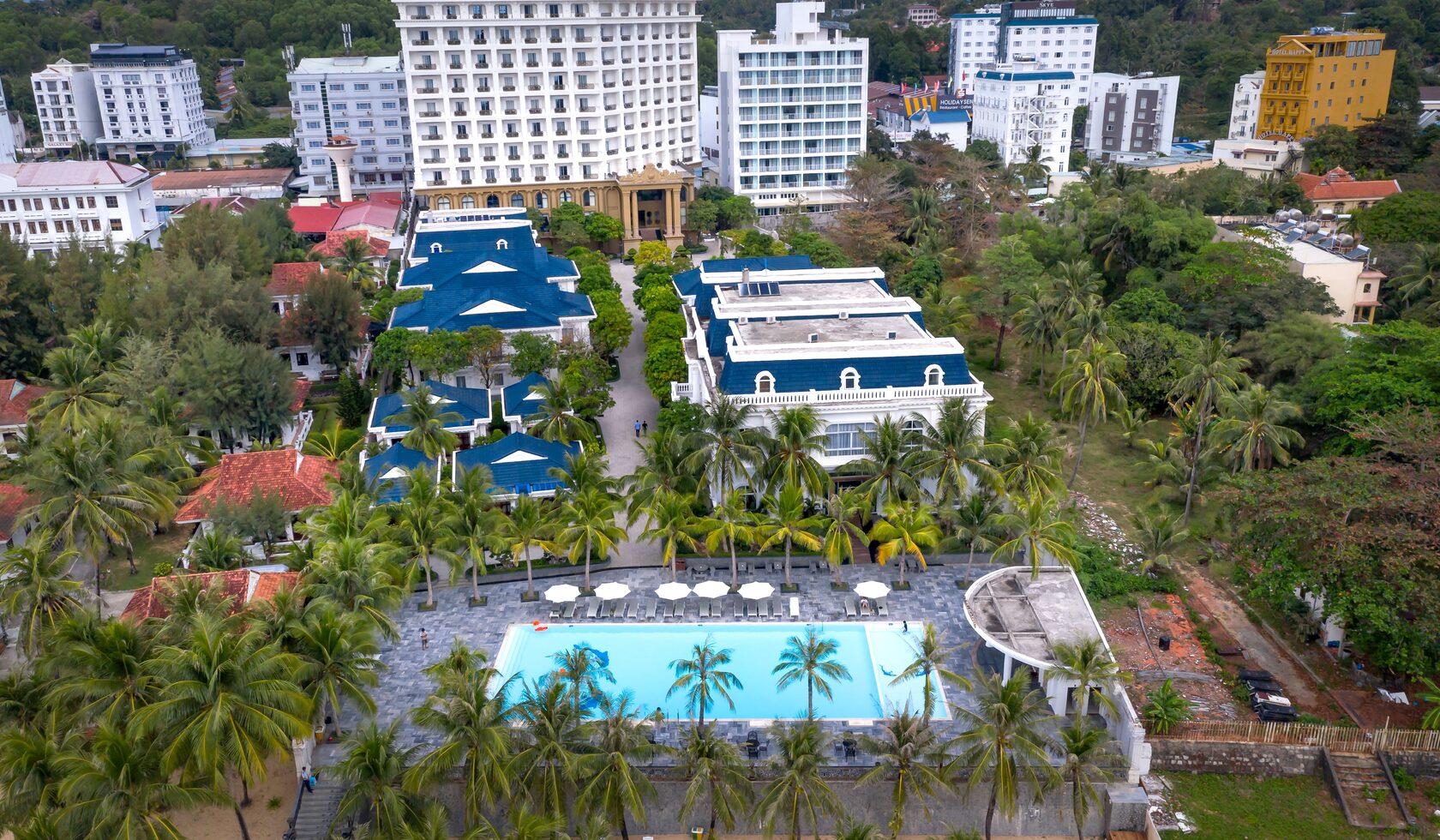
Da Nang’s 4–5-star hotel market expanded its inventory in Q3/2026, bringing total supply in the segment to nearly 21,000 rooms:
Da Nang experienced strong operational performance throughout Q3/2026, driven by the summer travel peak and major cultural events. A primary catalyst was the Da Nang International Fireworks Festival (DIFF 2026), which alone attracted more than 2.7 million guest stays throughout the event, driving a sharp surge in visitor arrivals, particularly in July.
Occupancy levels across central and coastal districts remained exceptionally high:
To reduce historical reliance on traditional source markets, Da Nang is actively expanding outreach to emerging international feeder markets, including India, the Middle East, Europe, and ASEAN countries. Concurrently, guest demand is shifting toward specialized, experience-led products, spurring growth across luxury resorts, wellness retreats, golf tourism, film tourism, MICE events, and dedicated Halal services.
Comprehensive Hotel Pipeline for Da Nang and Surrounding Areas
- TUI BLUE Han River: Officially opened on August 8, 2026, in the Hoa Cuong area, adding 125 rooms to the upscale city-center market.
- Garrya Danang: Expected to open in December 2026, adding 100 rooms. Representing Banyan Group's first Garrya-branded property in Da Nang, the project focuses on a specialized luxury wellbeing concept.
- NHAAN Resort & Spa Hoi An, Tapestry Collection by Hilton: Located in Hoi An Dong, this property officially opened on July 31, 2026, supplying 174 rooms.
Da Nang experienced strong operational performance throughout Q3/2026, driven by the summer travel peak and major cultural events. A primary catalyst was the Da Nang International Fireworks Festival (DIFF 2026), which alone attracted more than 2.7 million guest stays throughout the event, driving a sharp surge in visitor arrivals, particularly in July.
Occupancy levels across central and coastal districts remained exceptionally high:
- 5-Star Hotel Segment: Achieved an occupancy rate of approximately 90%, with average room rates spanning 160–370 USD/night. High-end luxury resort products, particularly private coastal villas in areas like Ngu Hanh Son and Son Tra, regularly commanded rates exceeding 300–500 USD/night.
- 4-Star Hotel Segment: Maintained an occupancy rate of around 88%, with average room rates ranging from 65–115 USD/night.
To reduce historical reliance on traditional source markets, Da Nang is actively expanding outreach to emerging international feeder markets, including India, the Middle East, Europe, and ASEAN countries. Concurrently, guest demand is shifting toward specialized, experience-led products, spurring growth across luxury resorts, wellness retreats, golf tourism, film tourism, MICE events, and dedicated Halal services.
Comprehensive Hotel Pipeline for Da Nang and Surrounding Areas
- 2026 Pipeline: Garrya Da Nang (100 rooms, Banyan Group)
- 2027 Pipeline: Fivitel Nam Hoi An, Resort Fivires, Nobu Danang, Hoi An Marriott Resort & Spa, Da Nang Mikazuki Japanese Resorts & Spa Phase 2, Mandarin Oriental
- 2028–2030 Pipeline: The Arbora Residence, Holiday Inn Da Nang Ba Na Hills, Saigon Da Nang Hotel, Somerset Non Nuoc Danang Resort
Looking Forward: Strategic Trends Shaping Vietnam’s Hospitality Growth
Avison Young identifies five primary strategic trends that will define the next development cycle of Vietnam’s real estate and hospitality market:
1. Strengthening Partnerships to Attract International Visitors
Vietnam’s hospitality sector is increasingly relying on collaborative cross-border alliances between hotel operators, destination developers, and digital travel platforms to broaden international distribution. A key example is the strategic partnership between Vinpearl, Sun Hospitality & Entertainment, and Klook. This alliance focuses on joint destination marketing, tailored product development, cross-platform data sharing, and establishing direct access to high-yield international source markets.
2. International Tourism and MICE Driving Accommodation Demand
Growth in lodging demand is expected to maintain its upward trajectory, bolstered by the ongoing recovery of international leisure tourism, business trips by foreign executives, and corporate MICE events. Strengthening flight connectivity and direct commercial ties with non-traditional markets, such as India, South Korea, China, Southeast Asia, and Western nations, will further diversify the visitor base, protecting occupancy and yield performance year-round.
3. Integrated Ecosystems and Non-Room Revenue Expansion
Developers and operators are pivoting away from traditional, room-centric business models toward integrated tourism ecosystems. By combining accommodations with food and beverage (F&B) hubs, entertainment complexes, wellness facilities, championship golf courses, MICE infrastructure, and curated local experiences, properties can extend average length-of-stay, maximize spend per visitor, and drive overall non-room revenues.
4. Brand and Experience Quality as Primary Competitive Advantages
The expanding footprint of global hotel chains alongside maturing domestic operators is continuously elevating overall market operational standards. As travelers place greater emphasis on personalized experiences, high-level amenities, and service execution, properties featuring convenient access, integrated ecosystem access, and strong operating capability will hold a clear advantage in retaining market share.
5. Transition Toward Sustainable, Professional, and Tech-Enabled Destinations
The integration of digital technologies—including Big Data, Artificial Intelligence (AI), and advanced guest relationship management systems—is opening new frontiers in marketing, distribution efficiency, and operational management. Simultaneously, commitment to environmental sustainability, energy efficiency standards, and green building practices remains an essential mandate, particularly for large-scale resort developments and high-end urban properties aiming for long-term operational resilience.