
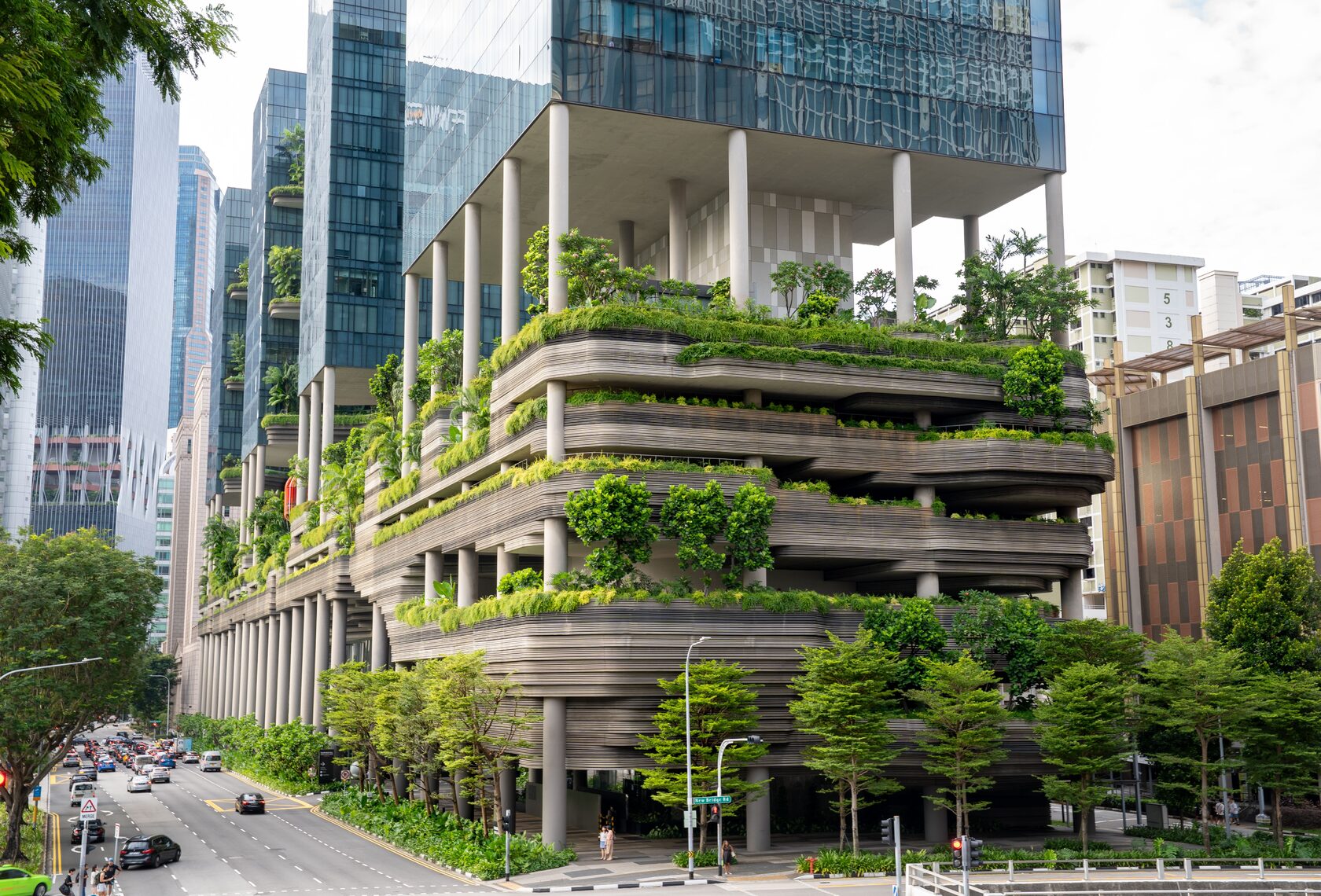
For decades, hospitality viewed sustainability through the narrow lens of operational risk and cost mitigation. The discussions focused on the capital expenditures of LED retrofits, low-flow showerheads, and smart thermostats. While these efficiency measures successfully shaved percentage points off utility overhead, they fundamentally missed the larger commercial picture.
In today’s hyper-competitive hospitality landscape, sustainability has graduated from an operational line item to a primary driver of top-line revenue growth. Environmental, social, and governance (ESG) alignment is no longer just about doing good. It is about winning market share, capturing premium demand, and securing institutional capital.
In today’s hyper-competitive hospitality landscape, sustainability has graduated from an operational line item to a primary driver of top-line revenue growth. Environmental, social, and governance (ESG) alignment is no longer just about doing good. It is about winning market share, capturing premium demand, and securing institutional capital.
B2B Revenue Expansion: Winning the Corporate RFP Procurement War
The most immediate and quantifiable impact of sustainability on a hotel’s top-line revenue occurs within the Business-to-Business (B2B) segment. Corporate travel and the Meetings, Incentives, Conferences, and Exhibitions (MICE) sector form the financial bedrock of urban and upscale hotel properties. However, the procurement process for these lucrative accounts has fundamentally shifted.
The Rise of Mandatory Green Procurement
Global multi-national corporations are bound by strict, legally enforceable scope 3 emission reduction targets. To meet these goals, corporate procurement officers have overhauled their Request for Proposal (RFP) criteria. Organizations are no longer simply looking for the lowest corporate rate; they are mandated to select preferred hotel partners that possess verified third-party eco-certifications.
Properties lacking robust, auditable carbon tracking, waste diversion metrics, and renewable energy strategies face a stark reality: complete exclusion from multi-million dollar corporate travel accounts. Conversely, hotels that can seamlessly integrate into a corporate client’s ESG reporting framework gain an immediate, structural competitive advantage.
Capitalizing on the High-Margin MICE Upsell
The modern conference planner is under immense pressure to deliver sustainable events. Venues that offer turn-key, eco-friendly event infrastructure can command significant premiums. High-revenue opportunities include:
The Rise of Mandatory Green Procurement
Global multi-national corporations are bound by strict, legally enforceable scope 3 emission reduction targets. To meet these goals, corporate procurement officers have overhauled their Request for Proposal (RFP) criteria. Organizations are no longer simply looking for the lowest corporate rate; they are mandated to select preferred hotel partners that possess verified third-party eco-certifications.
Properties lacking robust, auditable carbon tracking, waste diversion metrics, and renewable energy strategies face a stark reality: complete exclusion from multi-million dollar corporate travel accounts. Conversely, hotels that can seamlessly integrate into a corporate client’s ESG reporting framework gain an immediate, structural competitive advantage.
Capitalizing on the High-Margin MICE Upsell
The modern conference planner is under immense pressure to deliver sustainable events. Venues that offer turn-key, eco-friendly event infrastructure can command significant premiums. High-revenue opportunities include:
- Carbon-Neutral Meeting Packages: Bundling room nights with verified carbon offsets and regional, seasonal culinary menus.
- Zero-Waste Catering Operations: Eliminating single-use plastics and providing real-time food waste analytics to event hosts.
- Digital-First Spaces: Utilizing high-end digital signage and paperless workflows to minimize the physical footprint of large-scale activations.

Institutional Valuation and the Cost of Capital
The financial impact of sustainability extends far beyond the property-level profit and loss (P&L) statement. It fundamentally alters asset valuation and the cost of institutional capital.
Front-Loading Sustainability in Asset Design
A critical factor in securing strong asset valuations and high operational returns is shifting the sustainability focus from late-stage operational fixes to early-stage architecture and development briefs. Integrating environmental design from inception eliminates the heavy capital burdens historically associated with green developments.
Front-Loading Sustainability in Asset Design
A critical factor in securing strong asset valuations and high operational returns is shifting the sustainability focus from late-stage operational fixes to early-stage architecture and development briefs. Integrating environmental design from inception eliminates the heavy capital burdens historically associated with green developments.
"One of the most critical determinants of a project's success is how early sustainability is integrated into the design. Incorporating environmental considerations at the outset provides the greatest opportunity to maximize sustainability performance while significantly reducing development costs." Armelle Le Bihan, Founder & CEO of Green Building Consulting & Engineering
Overcoming the CAPEX and Timeline Misconceptions
Executive resistance to early-stage sustainability planning often stems from outdated assumptions regarding development budgets and project schedules. However, modern sustainable engineering demonstrates that early integration yields minimal cost premiums without delaying asset delivery.
Executive resistance to early-stage sustainability planning often stems from outdated assumptions regarding development budgets and project schedules. However, modern sustainable engineering demonstrates that early integration yields minimal cost premiums without delaying asset delivery.
"There is a widespread misconception that sustainable buildings carry prohibitive cost premiums. When sustainability is embedded into the architectural framework from the very beginning, the actual capital expenditure increase typically ranges between just 0.5% and 3%, depending on the level of certification pursued." Armelle Le Bihan, Founder & CEO of Green Building Consulting & Engineering
Passive Architectural Yields in Regional Climates
By addressing climate-specific energy loads during the schematic design phase, operators can significantly depress recurring operational overhead, such as HVAC and water management, thereby directly lifting net operating income (NOI).
By addressing climate-specific energy loads during the schematic design phase, operators can significantly depress recurring operational overhead, such as HVAC and water management, thereby directly lifting net operating income (NOI).
"In tropical regions like Southeast Asia, managing thermal loads and air conditioning represents the single largest operational energy expense. By addressing building orientation, massing, and natural ventilation early in the schematic design phase, developers can drastically reduce the property's baseline energy demand over its entire lifecycle." Armelle Le Bihan, Founder & CEO of Green Building Consulting & Engineering
Securing Favorable Financing and Mitigating Obsolescence
Real estate investment trusts (REITs), private equity firms, and commercial lenders heavily weigh ESG performance when deploying capital. Properties with green building credentials (such as LEED or BREEAM) frequently qualify for green bonds and preferred financing terms. This lowering of the cost of capital provides a major structural financial advantage over less efficient competitors.
Furthermore, a property that fails to invest in sustainable infrastructure faces the looming threat of asset depreciation and regulatory obsolescence. As municipal carbon taxes and stringent energy-efficiency mandates tighten globally, inefficient properties face massive future capital expenditure liabilities. Conversely, a highly efficient, resilient asset commands a premium valuation multiple upon exit, ensuring maximum long-term shareholder value.
For the modern hospitality executive, sustainability is no longer an exercise in corporate philanthropy or defensive public relations. It is an offensive commercial strategy. By systematically embedding ESG capabilities into corporate procurement strategies, direct consumer marketing, guest experience design, and capital allocation frameworks, hospitality leaders unlock entirely new layers of top-line revenue. In the modern era of travel, the greenest hotels are positioned to become the most profitable.
Furthermore, a property that fails to invest in sustainable infrastructure faces the looming threat of asset depreciation and regulatory obsolescence. As municipal carbon taxes and stringent energy-efficiency mandates tighten globally, inefficient properties face massive future capital expenditure liabilities. Conversely, a highly efficient, resilient asset commands a premium valuation multiple upon exit, ensuring maximum long-term shareholder value.
For the modern hospitality executive, sustainability is no longer an exercise in corporate philanthropy or defensive public relations. It is an offensive commercial strategy. By systematically embedding ESG capabilities into corporate procurement strategies, direct consumer marketing, guest experience design, and capital allocation frameworks, hospitality leaders unlock entirely new layers of top-line revenue. In the modern era of travel, the greenest hotels are positioned to become the most profitable.