
The Transformation of Bali’s Multi-Billion Dollar Wellness Economy
02.10.2026
There is an iconic scene in the movie Eat, Pray, Love where Julia Roberts cycles through the emerald-green rice terraces of Ubud, eventually sitting across from the legendary Balinese healer Ketut Liyer. That cinematic depiction captured the imagination of millions worldwide, establishing Bali as a global capital for emotional recovery, spiritual awakening, and holistic healing.
Yet, stepping onto the island reveals an ecosystem that has evolved far beyond rustic bamboo shalas and intuitive palm readings. A modern wellness trip in Bali ranges from soaking in mineral-rich natural pools at COMO Shambhala Estate to undergoing cutting-edge biohacking, cellular health profiling, and cryotherapy treatments at high-end retreats commanding $800 to $8,000 for a six-night stay. Budget-friendly entry points begin around $855, while elite pro-aging and longevity itineraries reach up to $8,900. Bali has systematically transformed its natural, spiritual allure into a formalized, high-yielding global market engine, blending ancient holistic wisdom with institutional science and mega-infrastructure investments.
The wellness tourism sector in Bali is experiencing a major economic surge, serving as the core engine driving Indonesia's strategic rise in the global wellness economy. The Indonesian government’s policy shift toward quality tourism over sheer visitor volume has positioned wellness travelers as the highest-yielding demographic on the island.
The broader wellness tourism segment in Indonesia is valued at 1.7 billion USD, with Bali capturing the overwhelming majority of this value. In total, the national wellness business turnover sits at 14 billion USD, while Bali's untapped health tourism potential, combining traditional wellness and medical spas, is estimated at 11 billion USD (approximately 160 trillion Rupiah) as it aggressively captures outbound domestic medical spending.
Wellness-related activities account for 13.35 percent of all foreign tourist arrivals to Indonesia. With Bali receiving over 5 million international visitors annually, wellness travelers constitute a high-value, high-yield pillar. Wellness resorts and eco-certified villas in hotspots like Ubud and Canggu report a 25 percent to 40 percent premium in Average Daily Rates (ADR) compared to conventional luxury accommodations. Furthermore, wellness travelers stay longer, averaging 10 to 21 days, generating two to three times the per-guest revenue of standard holidaymakers.
This momentum is backed by strong mid-term projections extending through 2035. The broader Indonesian wellness tourism market is projected to expand from 7 billion USD to 20.6 billion USD by 2035, representing a compound annual growth rate (CAGR) of 11.4 percent. This outpaces the global wellness tourism industry benchmark, which is forecast to expand from 1.06 trillion USD to 1.54 trillion USD by 2030 at a CAGR between 9.1 percent and 9.7 percent. Driven by these tailwinds, dedicated Bali wellness resorts are projecting a 12 percent to 18 percent increase in baseline occupancy, reflecting year-round demand stabilization.
The island's commercial prominence is reinforced by premier trade gatherings. The Bali Wellness and Beauty Expo features over 140 wellness brands. Meanwhile, the iconic Bali Spirit Festival in Ubud, Gianyar, a flagship initiative under the Event by Indonesia strategy, recorded a direct economic turnover of 6.7 billion Rupiah, impacting local lodging, culinary small businesses, and cultural performers.
Why Bali? The Four Pillars of the Island’s Healing Advantage
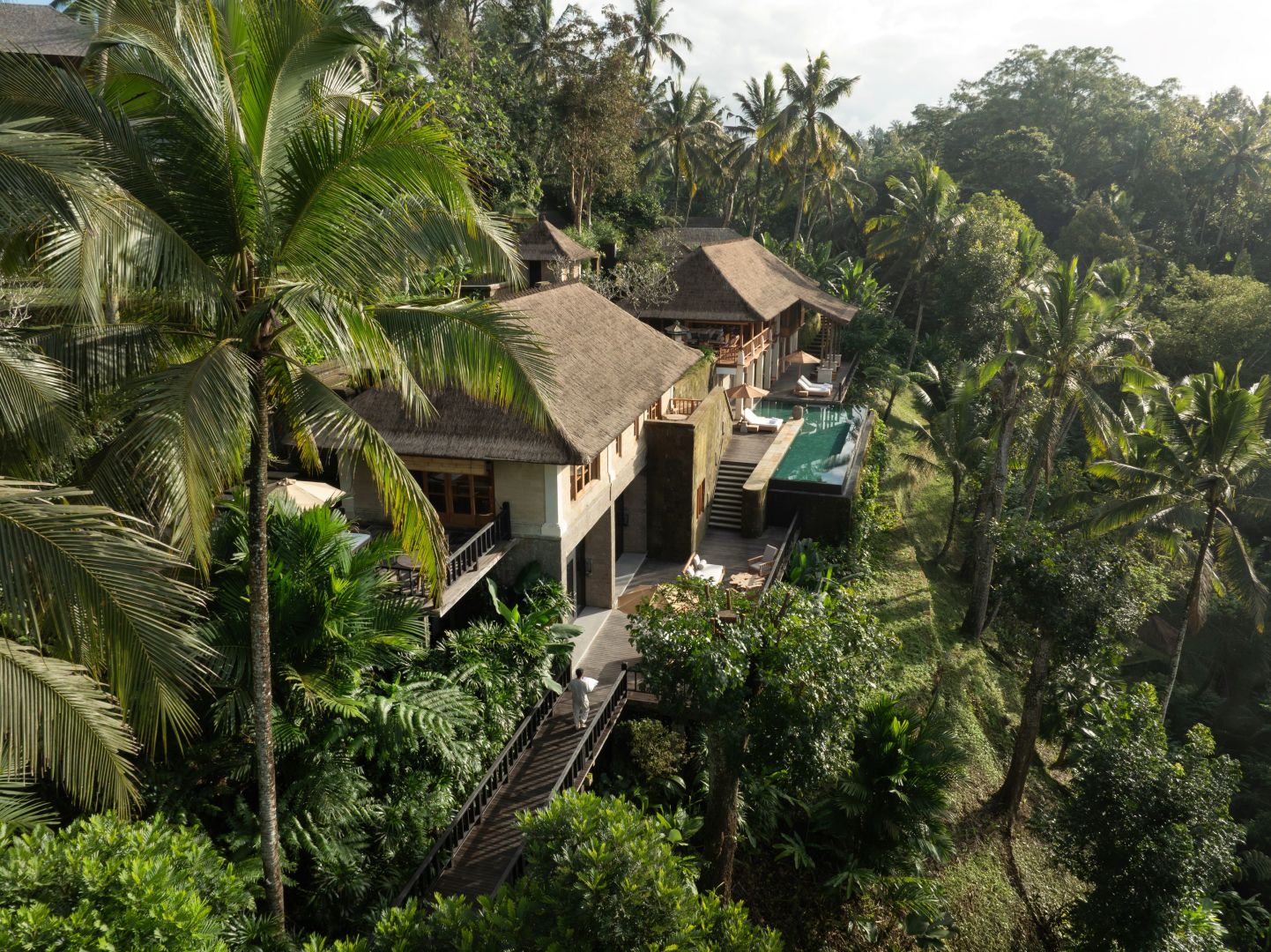
Bali ranks among the world’s top wellness destinations because it blends a deeply rooted spiritual culture with world-class modern luxury and a varied natural landscape. Unlike destinations where wellness is a commercial add-on, healing in Bali is integrated into everyday life.
Tri Hita Karana and Living Culture
At the heart of Bali’s appeal is the traditional philosophy of Tri Hita Karana, which dictates that true well-being comes from maintaining harmony across three relationships:
Deep Roots in Traditional Healing (Usada)
Long before modern wellness tourism existed, Bali relied on Usada, a traditional system of holistic medicine derived from ancient palm-leaf manuscripts (lontar):
Diverse Natural Landscapes
Bali offers distinct natural environments within a compact geographical footprint:
The Spa and Resort Evolution: Five Core Operating Trends
The basic one-hour Balinese beach massage has evolved into multi-day, outcome-driven programs. Properties are repositioning the spa from an optional amenity into the central pillar of the guest experience.
Tri Hita Karana and Living Culture
At the heart of Bali’s appeal is the traditional philosophy of Tri Hita Karana, which dictates that true well-being comes from maintaining harmony across three relationships:
- The Divine: Everyday rituals, temple offerings (canang sari), and water purification ceremonies (melukat) create a naturally meditative atmosphere.
- Other Humans: Balinese hospitality and communal care foster a supportive tone for emotional and mental healing.
- The Environment: Traditional architecture emphasizes open-air spaces, bringing the natural sounds of jungles, rivers, and oceans directly into yoga shalas and spa pavilions.
Deep Roots in Traditional Healing (Usada)
Long before modern wellness tourism existed, Bali relied on Usada, a traditional system of holistic medicine derived from ancient palm-leaf manuscripts (lontar):
- Balian Healers: Visitors access traditional Balinese healers who utilize intuitive bodywork, energy alignment, and reflexology.
- Herbal Medicine: The island relies heavily on Jamu (traditional herbal tonics) and localized remedies using native roots and spices like turmeric, ginger, and lemongrass.
Diverse Natural Landscapes
Bali offers distinct natural environments within a compact geographical footprint:
- Ubud (The Jungle & Rice Terraces): The spiritual heart of yoga, sound healing, and holistic retreats.
- Nusa Dua & Sanur (The Coast): Elite luxury beachfront centers focusing on spa therapies, medical-wellness integration, and quiet relaxation.
- Canggu & Uluwatu (Ocean & Surf): Active wellness blending high-intensity fitness, surf therapy, recovery lounges with saunas and ice baths, and organic cafes.
The Spa and Resort Evolution: Five Core Operating Trends
The basic one-hour Balinese beach massage has evolved into multi-day, outcome-driven programs. Properties are repositioning the spa from an optional amenity into the central pillar of the guest experience.
- From Pampering to Structured Resets: Guests are moving away from single, a la carte afternoon treatments toward fully curated, multi-day immersions. Flagship venues like Desa Potato Head offer limited-capacity, 4-day structural resets designed for psychological and physical recovery.
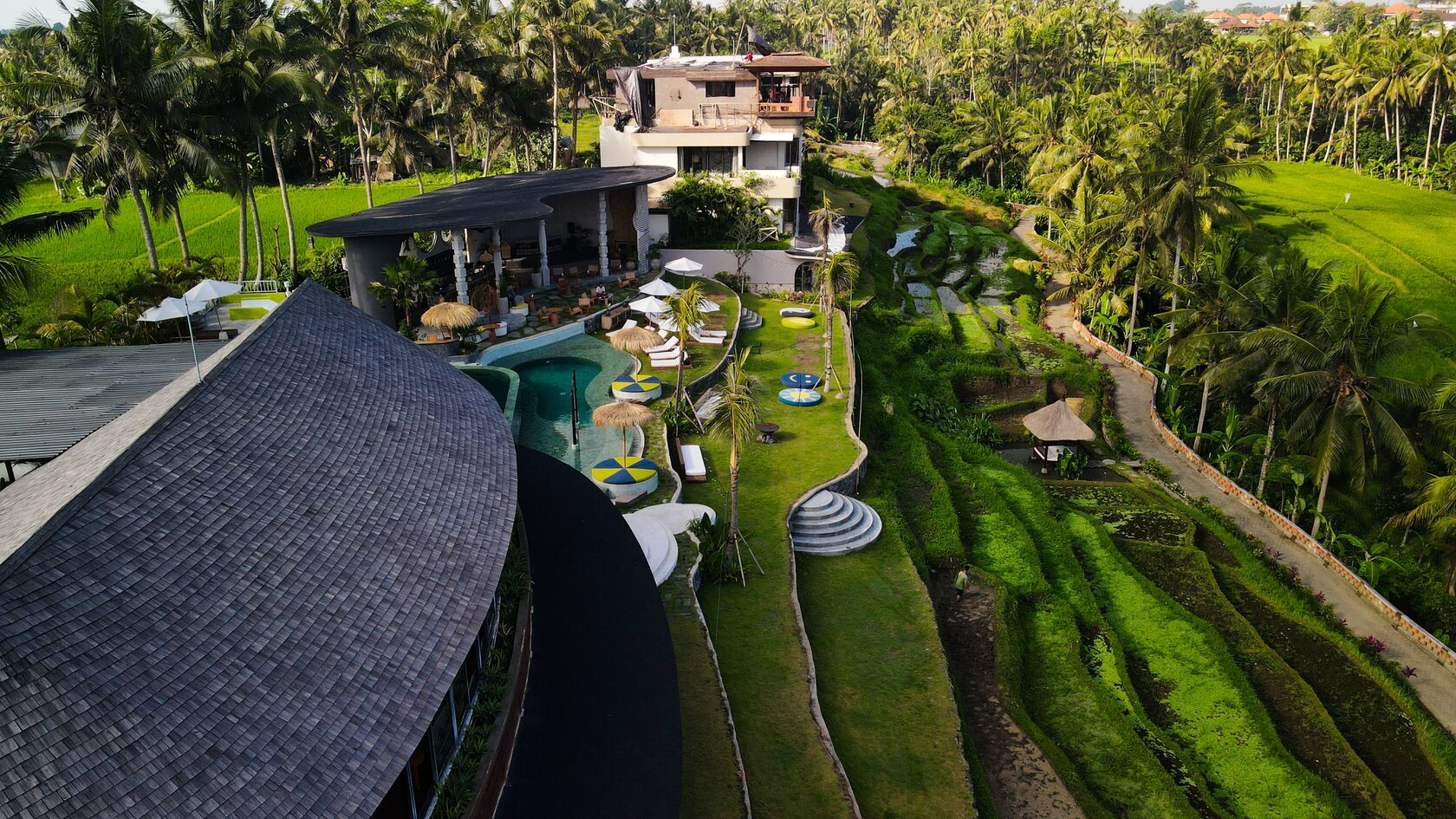
- High-Tech Recovery Meets Biohacking: Traditional spa menus are incorporating advanced recovery infrastructure. Spas are deploying infrared saunas, hot-and-cold plunge pools, cryotherapy chambers, and localized compression therapies. Mega complexes like Nirvana Life in Canggu capture daily recovery circuits for digital nomads.
- Hyper-Personalization and Sleep Science: Standard spa menus are integrating customized medicine, medical aesthetics, and targeted emotional balancing. Luxury brands layer technology over local traditions to map out bio-individual health plans, including diagnostics, DNA testing, and custom sleep-cycle coaching.
- Raw Biophilic Architecture: Developers are shifting away from sterile treatment rooms toward natural textures. Luxury spas utilize raw stone formations, marble, onyx, volcanic lava stone, and petrified wood to create riverfront and jungle pavilions, as seen at COMO Shambhala Estate and AYANA Resort Bali.
- Prosocial Wellness: Modern guests value communal and ethical experiences. Hospitality brands are introducing group-focused recovery circles, couples packages, and sustainable operations that respect local therapists, support local herbal supply chains, and preserve village ecosystems.
Regulation and Macro Shifts: The Future of Bali Wellness
The future of Bali wellness is moving toward a formalized economy that blends preventative longevity science with cultural preservation, supported by strategic government policies.
The Sanur Special Economic Zone (SEZ)
The most significant shift in Bali's wellness infrastructure is the formal integration of clinical medicine with holistic recovery within the Sanur Special Economic Zone (SEZ):
Institutionalizing Longevity Science
High-end wellness travelers expect measurable biological metrics. Luxury properties are introducing diagnostic tools such as cellular health profiling, DNA sequencing, epigenetics tracking, and wearable metric analysis. Treatments like intravenous (IV) peptide therapies, hyperbaric oxygen chambers, and NAD+ infusions are becoming standard amenities in luxury eco-resorts.
Cultural Sustainability Regulations
To prevent the commercial exploitation of traditional Balinese healing (Usada), local traditional councils and government bodies are introducing frameworks to credential authentic Balian healers. This ensures that spiritual practices like Melukat water blessings remain authentic, ethical, and community-focused.
Decentralization and Eco-Sanctuaries
As southern hubs like Canggu and Seminyak reach peak density, investment capital is flowing into low-density areas in West Bali (Pemuteran, Menjangan) and the mountainous regions of North Bali (Munduk, Bedugul). These projects feature off-grid structures built from rammed earth, structural bamboo, solar glass, and local volcanic rock.
Corporate and Mental Wellness Stays
Addressing executive burnout, Bali is expanding its mental wellness offerings. Sound healing architecture (such as acoustic pyramids) paired with breathwork science and neuro-feedback training are heavily utilized to manage corporate stress and sleep deprivation.
The Sanur Special Economic Zone (SEZ)
The most significant shift in Bali's wellness infrastructure is the formal integration of clinical medicine with holistic recovery within the Sanur Special Economic Zone (SEZ):
- Clinical Excellence: Anchored by the Bali International Hospital, developed in collaboration with the U.S.-based Mayo Clinic, the facility offers advanced diagnostics, oncology, cardiology, and complex procedures.
- The Wellness Bridge: Surrounding the medical core are anti-aging clinics, aesthetic medical spas, and regenerative hubs. Travelers can combine a clinical health check-up in Sanur with a subsequent holistic recovery retreat in Ubud.
Institutionalizing Longevity Science
High-end wellness travelers expect measurable biological metrics. Luxury properties are introducing diagnostic tools such as cellular health profiling, DNA sequencing, epigenetics tracking, and wearable metric analysis. Treatments like intravenous (IV) peptide therapies, hyperbaric oxygen chambers, and NAD+ infusions are becoming standard amenities in luxury eco-resorts.
Cultural Sustainability Regulations
To prevent the commercial exploitation of traditional Balinese healing (Usada), local traditional councils and government bodies are introducing frameworks to credential authentic Balian healers. This ensures that spiritual practices like Melukat water blessings remain authentic, ethical, and community-focused.
Decentralization and Eco-Sanctuaries
As southern hubs like Canggu and Seminyak reach peak density, investment capital is flowing into low-density areas in West Bali (Pemuteran, Menjangan) and the mountainous regions of North Bali (Munduk, Bedugul). These projects feature off-grid structures built from rammed earth, structural bamboo, solar glass, and local volcanic rock.
Corporate and Mental Wellness Stays
Addressing executive burnout, Bali is expanding its mental wellness offerings. Sound healing architecture (such as acoustic pyramids) paired with breathwork science and neuro-feedback training are heavily utilized to manage corporate stress and sleep deprivation.
Curated Benchmark Destinations: Top Bali Retreats
Here are three benchmark properties shaping Bali's luxury wellness landscape:
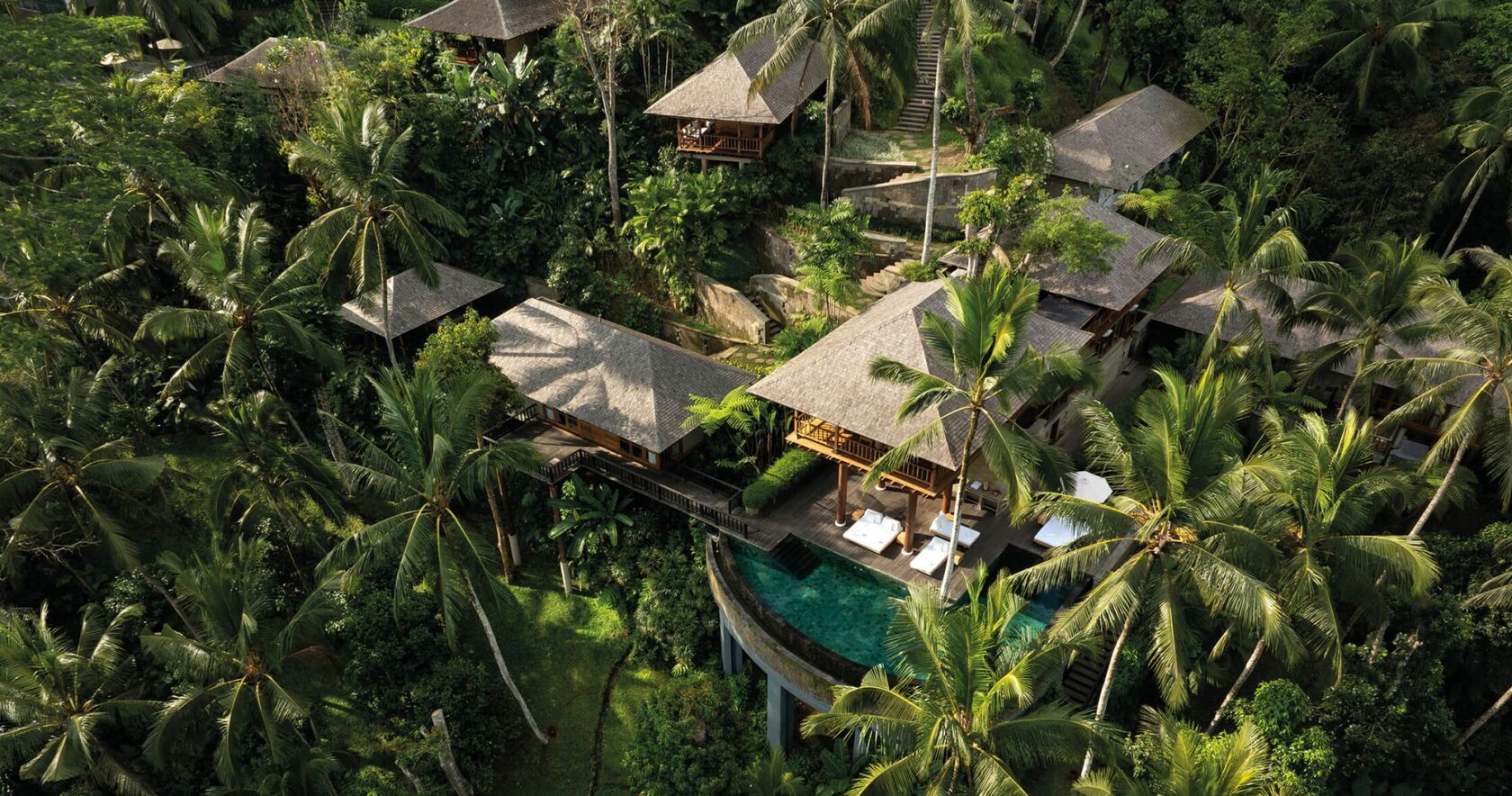
COMO Shambhala Estate (Ubud)
- Vibe: Deep jungle luxury designed for total life recalibration.
- Core Focus: Combines Asian therapies with modern health technology, featuring a vitality pool, Ayurvedic consultations, traditional Chinese medicine, and private ice baths for guided breathwork.
- Insider Tip: Take the private jungle trail down to the Kedara water garden at dawn for a quiet soak in natural mineral pools.
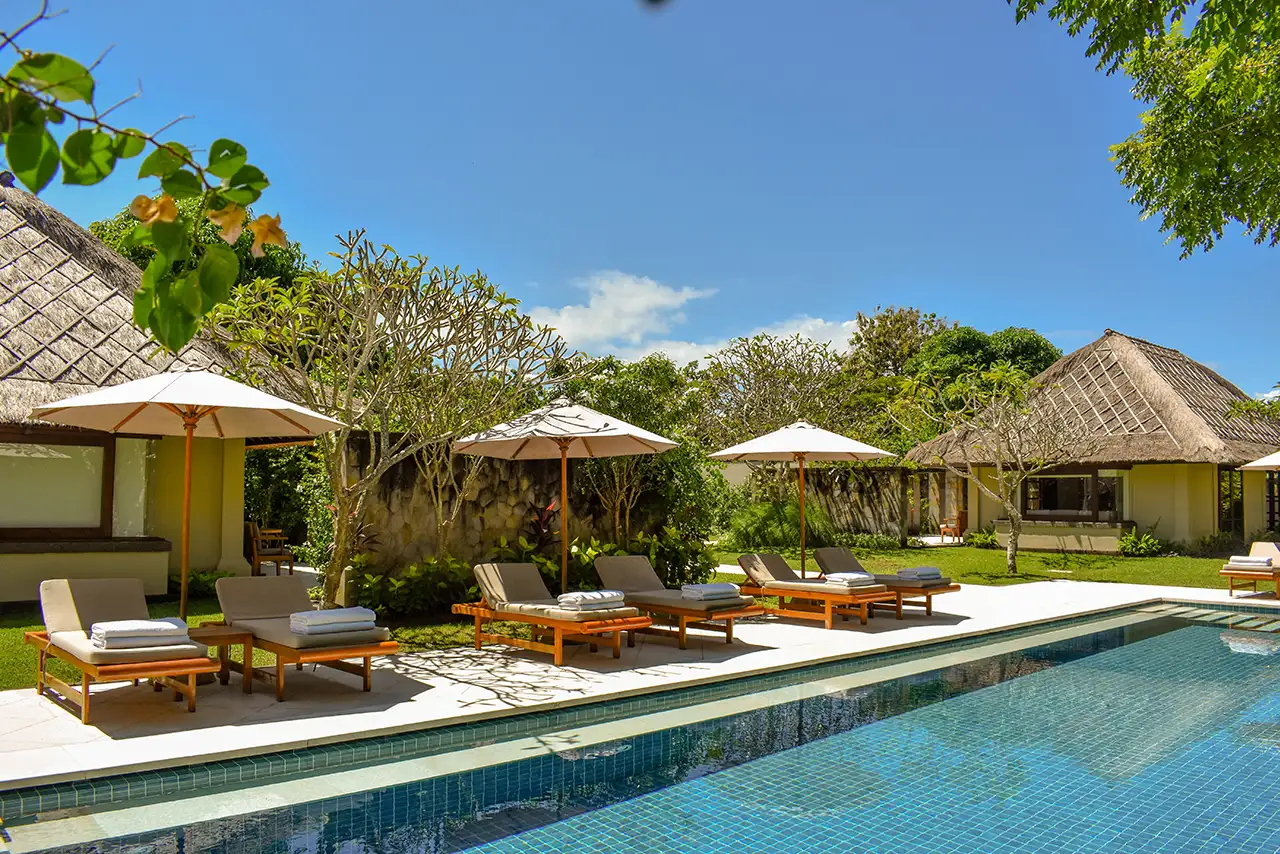
REVĪVŌ Wellness Resort (Nusa Dua)
- Vibe: An intimate, 3-hectare sustainable sanctuary in the hills of Nusa Dua.
- Core Focus: Personalized, data-driven wellness programs focusing on sleep enhancement, structural fat loss, emotional balance, and longevity.
- Insider Tip: Consult with their on-site vitality clinic to align physical workouts with custom health diagnostics.
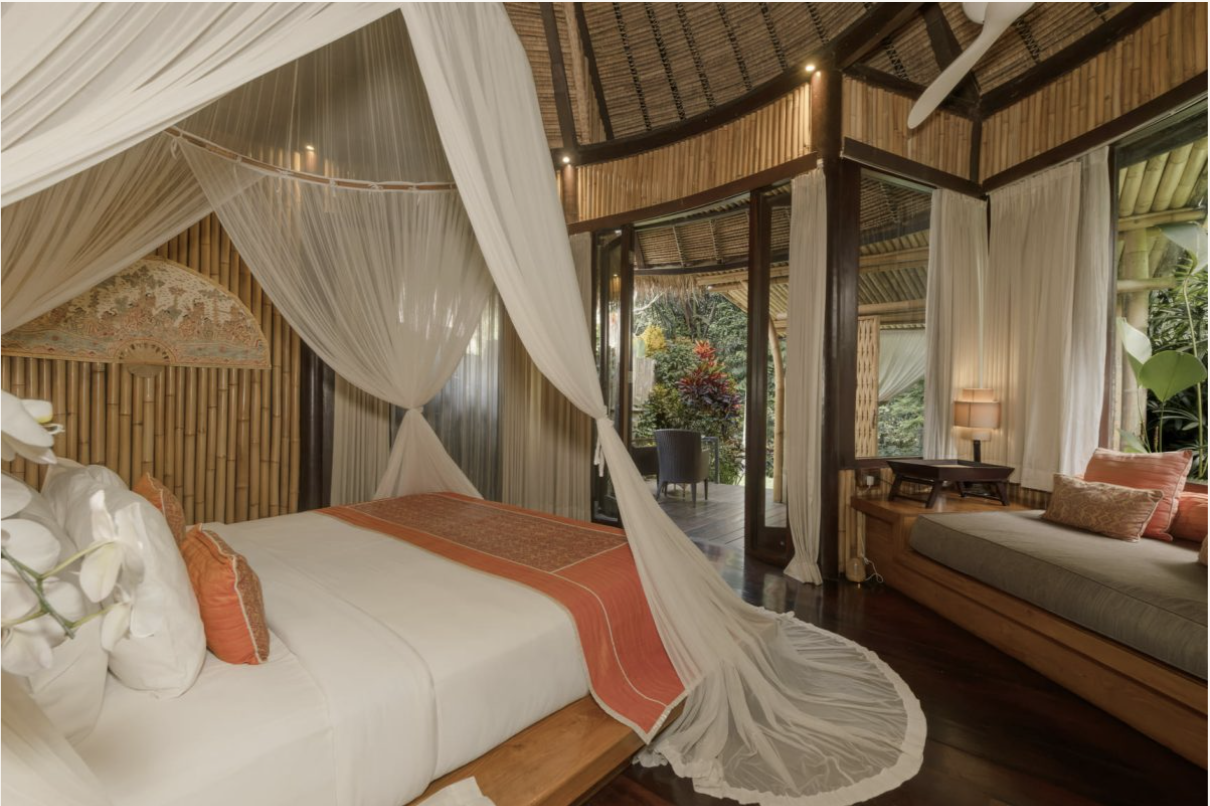
Fivelements Retreat Bali (Ubud)
Bali’s wellness economy demonstrates how cultural heritage can be integrated with modern health science. By combining traditional philosophy with clinical infrastructure, high-tech recovery, and sustainable design, the island offers a model for high-yield, quality tourism in the Asia-Pacific region.
- Vibe: Eco-architectural sanctuary resting directly along the sacred Ayung River.
- Core Focus: Balinese spirituality, ancestral healing rituals, and gourmet plant-based cuisine.
- Insider Tip: Do not leave without booking their signature Fire and Water blessing conducted by a local Balinese priest.
Bali’s wellness economy demonstrates how cultural heritage can be integrated with modern health science. By combining traditional philosophy with clinical infrastructure, high-tech recovery, and sustainable design, the island offers a model for high-yield, quality tourism in the Asia-Pacific region.