
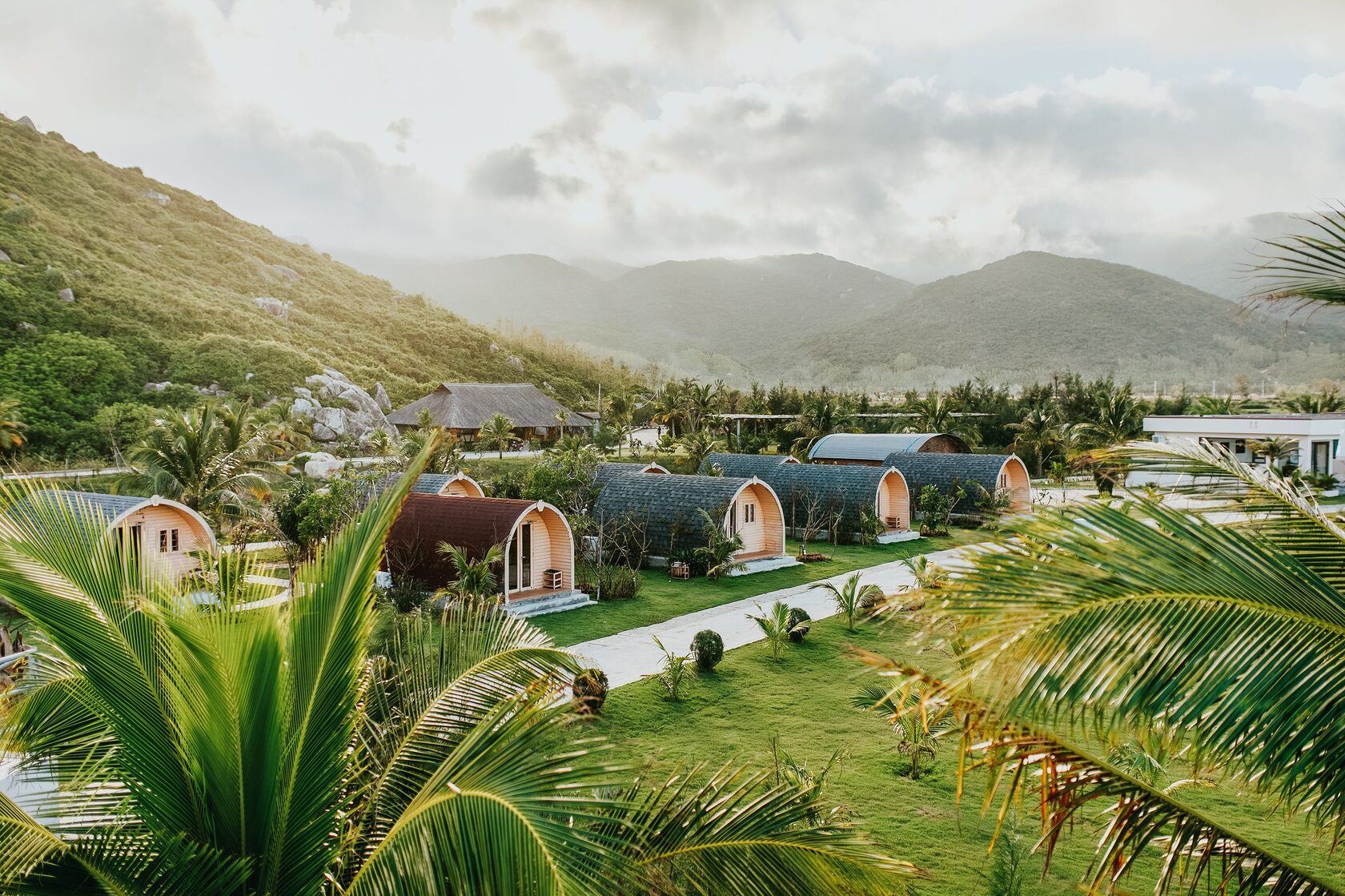
The global hospitality landscape is undergoing a structural shift. The traditional definition of luxury, once anchored in opulent marble lobbies, resource-heavy amenities, and artificial isolation, is rapidly giving way to a model where pristine biomes, conservation, and architectural integration serve as the primary value drivers.
Asia stands at the absolute center of this transformation. Driven by an influx of high-net-worth travelers who prioritize sustainability without sacrificing comfort, eco-luxury resorts across Southeast and East Asia are proving that high-yield financial performance and deep environmental stewardship are mutually reinforcing goals.
The commercial case for eco-luxury hospitality is supported by strong performance metrics across the Asia-Pacific (APAC) region.
Asia stands at the absolute center of this transformation. Driven by an influx of high-net-worth travelers who prioritize sustainability without sacrificing comfort, eco-luxury resorts across Southeast and East Asia are proving that high-yield financial performance and deep environmental stewardship are mutually reinforcing goals.
The commercial case for eco-luxury hospitality is supported by strong performance metrics across the Asia-Pacific (APAC) region.
- Accelerated Growth Trajectory: The broader global eco-luxury hospitality sector is expanding at a projected Compound Annual Growth Rate (CAGR) of 9.00% through 2032. Concurrently, regional demand specifically for low-impact eco-resorts is expected to surge at a 19.9% CAGR between 2026 and 2033.
- Resilient Revenue Metrics: Post-pandemic Average Daily Rate (ADR) and Revenue Per Available Room (RevPAR) gains in Asia have been disproportionately captured by nature-integrated luxury assets. Leisure destinations in Vietnam, Indonesia, and the Philippines led regional performance surges, buoyed by international travelers seeking low-density, isolated sanctuaries.
- The Eco-Premium Factor: Proprietary market research reveals that affluent travelers demonstrate a lower price elasticity for sustainable properties. Consumers regularly pay a 20% to 35% premium for resorts backed by verified carbon-neutral footprints, zero-waste-to-landfill operations, and direct community conservation funding.
Strategic Growth Projections
Capital deployment across Asian hospitality is increasingly prioritizing low-density, experiential inventory over massive urban builds.
- Wellness Tourism Integration: The Southeast Asian wellness economy, which heavily intersects with eco-resort infrastructure, has rebounded to $21.2 billion and is projected to expand to $50.4 billion by 2034. High-net-worth guests are seeking properties that offer holistic, nature-based health programs alongside strict environmental standards.
- Green Building Certification Pipelines: Regional development pipelines reflect an aggressive turn toward institutional green credentials. Hotel openings across Vietnam, Thailand, and the Philippines are increasingly seeking LEED, EarthCheck, or local green building certifications to secure institutional ESG investment capital and insulate assets against future regulatory penalties.
Southeast Asia Regional Case Studies
Southeast Asia serves as the global incubator for low-impact luxury, leveraging its diverse ecosystems, from rainforest corridors to marine reserves.
Indonesia: Outer-Island Expansion Beyond Bali
Indonesia: Outer-Island Expansion Beyond Bali
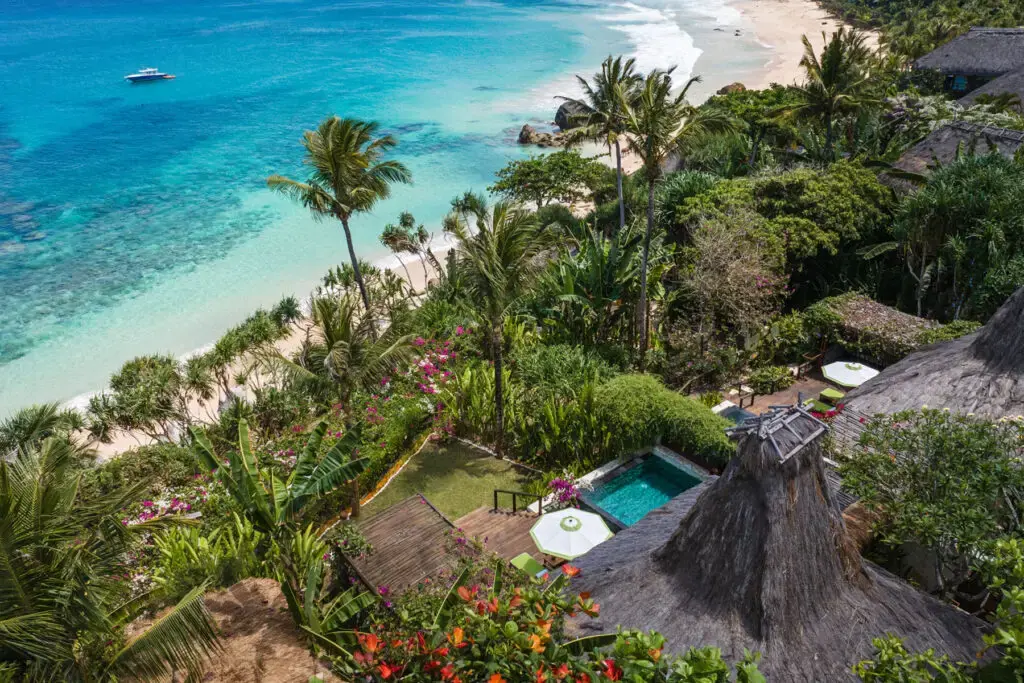
As core tourist zones in Bali face overtourism and infrastructural strain, luxury operators are expanding into pristine outer islands like Sumba, Rote, Lombok, and the Riau Archipelago. Destinations like Lombok are executing sustainable tourism frameworks to manage visitor volume while preserving local ecosystems. Ultra-luxury properties like NIHI Sumba and NIHI Rote pair elite leisure activities with localized employment academies, funneling a portion of operational profits directly into community health, clean water, and education programs through dedicated foundations.
Malaysia: Rainforest Protection and Marine Conservation
Malaysia: Rainforest Protection and Marine Conservation
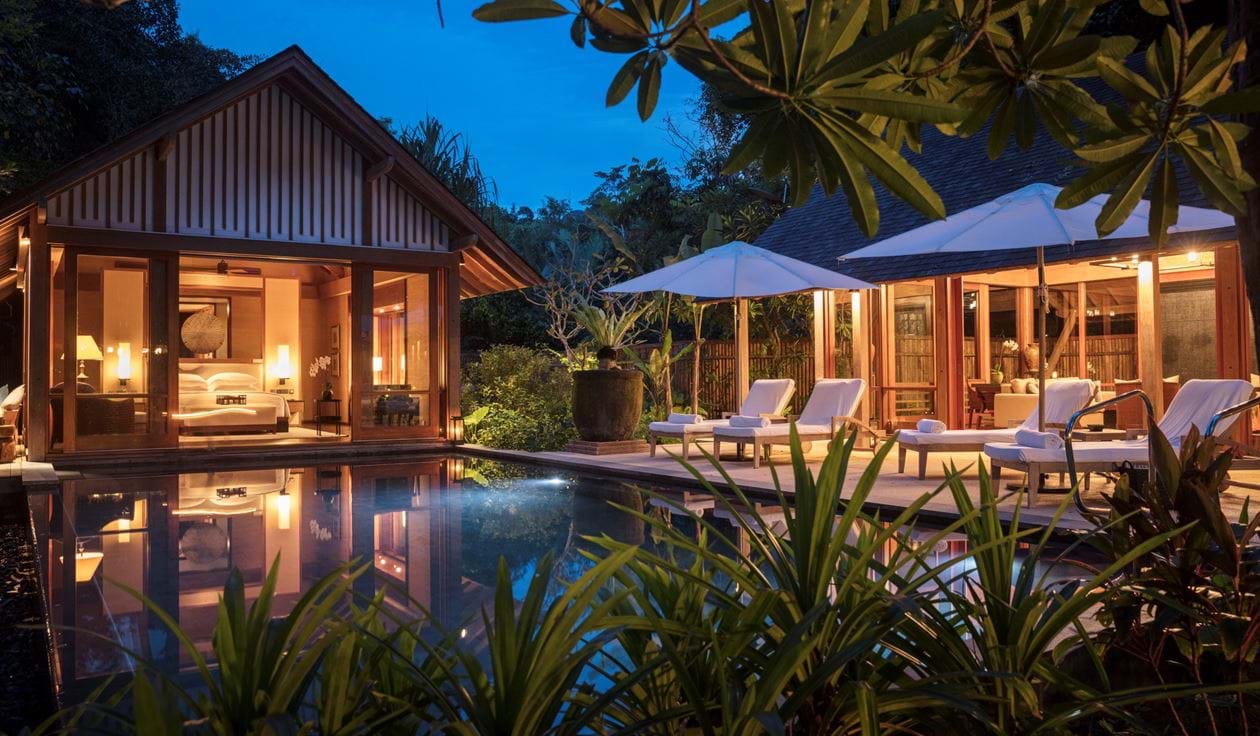
Capitalizing on some of the world's oldest rainforests, Malaysia has centered its national strategy on low-impact, community-based ecotourism. Along the Kinabatangan River in Sabah, pioneer properties like Sukau Rainforest Lodge operate on green operational guidelines to protect orangutan and Borneo pygmy elephant habitats via solar power, rainwater harvesting, and local employment. Off the mainland, enclaves such as The Datai Langkawi operate dedicated on-site sustainability labs, employing marine biologists and naturalists to run zero-waste systems and reverse local coral reef degradation.
Thailand: Institutionalizing the Sustainable Premium
Thailand: Institutionalizing the Sustainable Premium
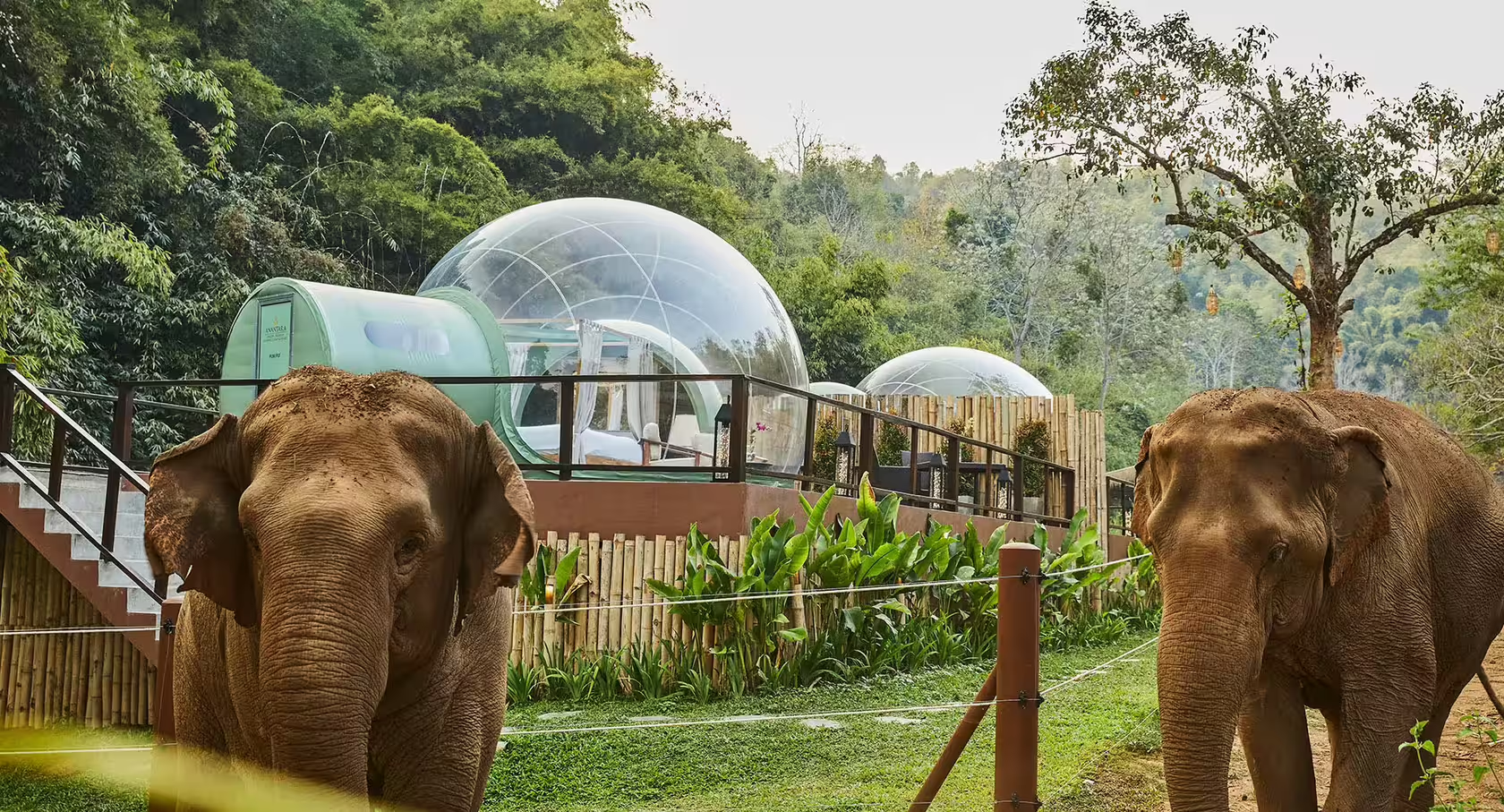
Supported by a $43 billion national wellness economy, Thailand has institutionalized eco-hospitality through initiatives like the state-backed Amazing Thailand Sustainable Tourism framework. High-profile properties like Anantara Golden Triangle Elephant Camp & Resort anchor their guest value proposition directly to transparent wildlife conservation. By partnering with the Golden Triangle Asian Elephant Foundation, the property funds scientific research and ethical elephant rescues, incorporating these initiatives directly into the guest experience.
Vietnam: Ultra-Luxury Within National Bio-Reserves
Vietnam: Ultra-Luxury Within National Bio-Reserves

Vietnam recorded remarkable occupancy surges in APAC by emphasizing nature-based, isolated luxury resort developments. Ultra-luxury properties built within or adjacent to coastal national parks, such as Six Senses Con Dao, leverage dramatic topographies. These resorts incorporate solar-thermal architectural layouts, greywater filtration systems, and active sea turtle incubation programs, turning ecological preservation into a primary marketing driver.
Cambodia: Direct Conservation Funding Models
Cambodia: Direct Conservation Funding Models
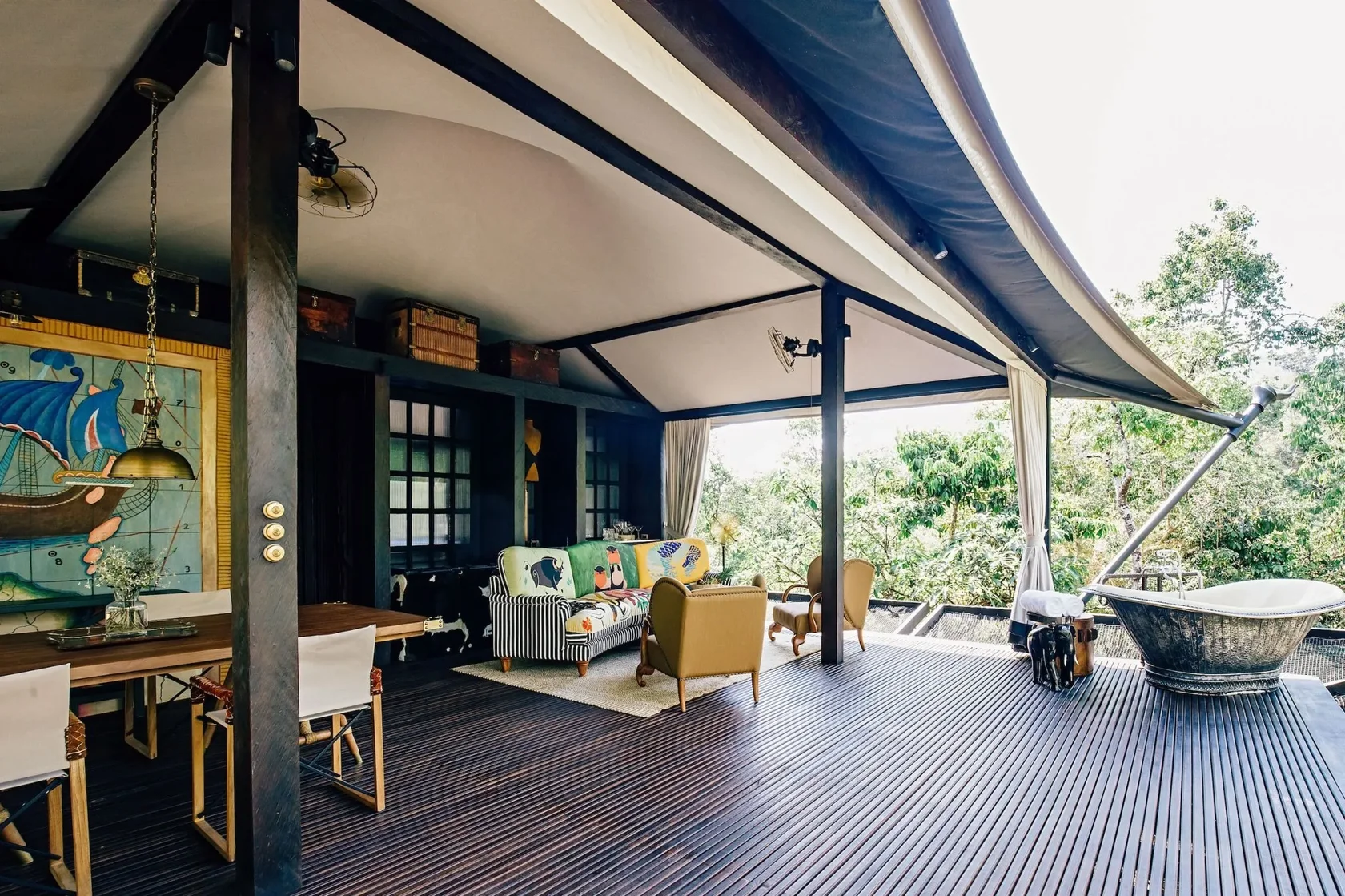
In the Cardamom Rainforest, Shinta Mani Wild, designed by Bill Bensley, demonstrates a radical model for private conservation. Suspended over a rushing river, the 15-tent luxury camp was created specifically to convert a 350-hectare unprotected logging and poaching corridor into a permanent wildlife sanctuary. Room revenues directly fund an on-site Wildlife Alliance ranger station, providing the financial backbone needed to patrol the forest, remove illegal snares, and protect endangered species like clouded leopards and pangolins.
Japan: Low-Impact Ryokans and Geothermal Escapes
Japan: Low-Impact Ryokans and Geothermal Escapes
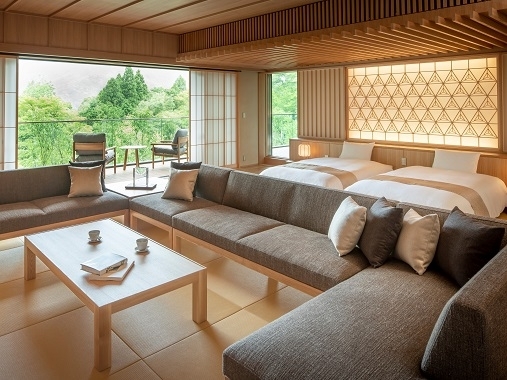
Japan’s luxury market centers on natural harmony, mountain-lake protection, and architectural preservation. Operators like Hoshino Resorts capitalize on satoyama landscapes, the boundary zones where agricultural communities meet natural forests. Properties integrate localized geothermal energy loops for zero-emission floor heating and climate control, while sourcing micro-seasonal ingredients from nearby farms to eliminate agricultural supply chain carbon footprints.
Operational Realities and Commercial Outlook
Operating a luxury resort in a fragile biome introduces distinct commercial and logistical complexities:
The future of Asian hospitality belongs to brands that view environmental preservation not as a marketing expense, but as their core underlying asset. As intact natural biomes become increasingly scarce, the properties that actively protect these environments will continue to capture the market's highest room rates, guest loyalty, and long-term capital appreciation.
- High Initial CAPEX: Integrating off-grid renewable energy, advanced greywater treatment plants, and low-impact building materials typically increases upfront capital expenditures by 15% to 25%. However, forward-thinking operators amortize these costs over time through reduced municipal utility bills and operational self-sufficiency.
- Mitigating Greenwashing Risk: Modern affluent consumers scrutinize environmental claims. To establish trust and protect brand equity, leading resorts secure third-party certifications, such as EarthCheck, LEED, or Green Growth 2050, to validate their operational metrics.
- Logistical Friction: Remote, protected biomes present access challenges. Successful operators resolve this by integrating seamless, low-impact transit logistics, such as private electric vehicle transfers or curated arrival experiences—turning remote access into an asset of exclusive isolation.
The future of Asian hospitality belongs to brands that view environmental preservation not as a marketing expense, but as their core underlying asset. As intact natural biomes become increasingly scarce, the properties that actively protect these environments will continue to capture the market's highest room rates, guest loyalty, and long-term capital appreciation.