
Frictionless Luxury Meets Heritage: The Rapid Rise of All-Inclusive Resorts in Japan
16.09.2026
The narrative defining Japan’s tourism and hospitality sector is undergoing a profound structural evolution. Driven by an unprecedented surge in foreign arrivals and a global preference for hassle-free, experiential travel, the nation's luxury resort market is expanding rapidly. Forecasts project the market will nearly double over the coming years, expanding from a multi-billion-dollar baseline into one of the most lucrative hospitality frontiers in the Asia-Pacific region. This momentum is heavily anchored by the rise of Western-style all-inclusive concepts that bundle lodging, gourmet dining, premium spirits, ski passes, and curated wellness activities into a single upfront transaction.
Cross-border institutional capital, sovereign wealth funds, and private equity firms are aggressively targeting Japanese resort real estate. Driven by strong yields and high Average Daily Rates (ADR), international investors are pouring billions into acquiring and repositioning regional resort assets. However, because construction-material inflation and strict seismic retrofit mandates make greenfield development costly, operators are increasingly focusing their capital on acquiring, renovating, and rebranding existing properties rather than building from the ground up.
The Cultural Evolution: All-Inclusive vs. The Ryokan Model
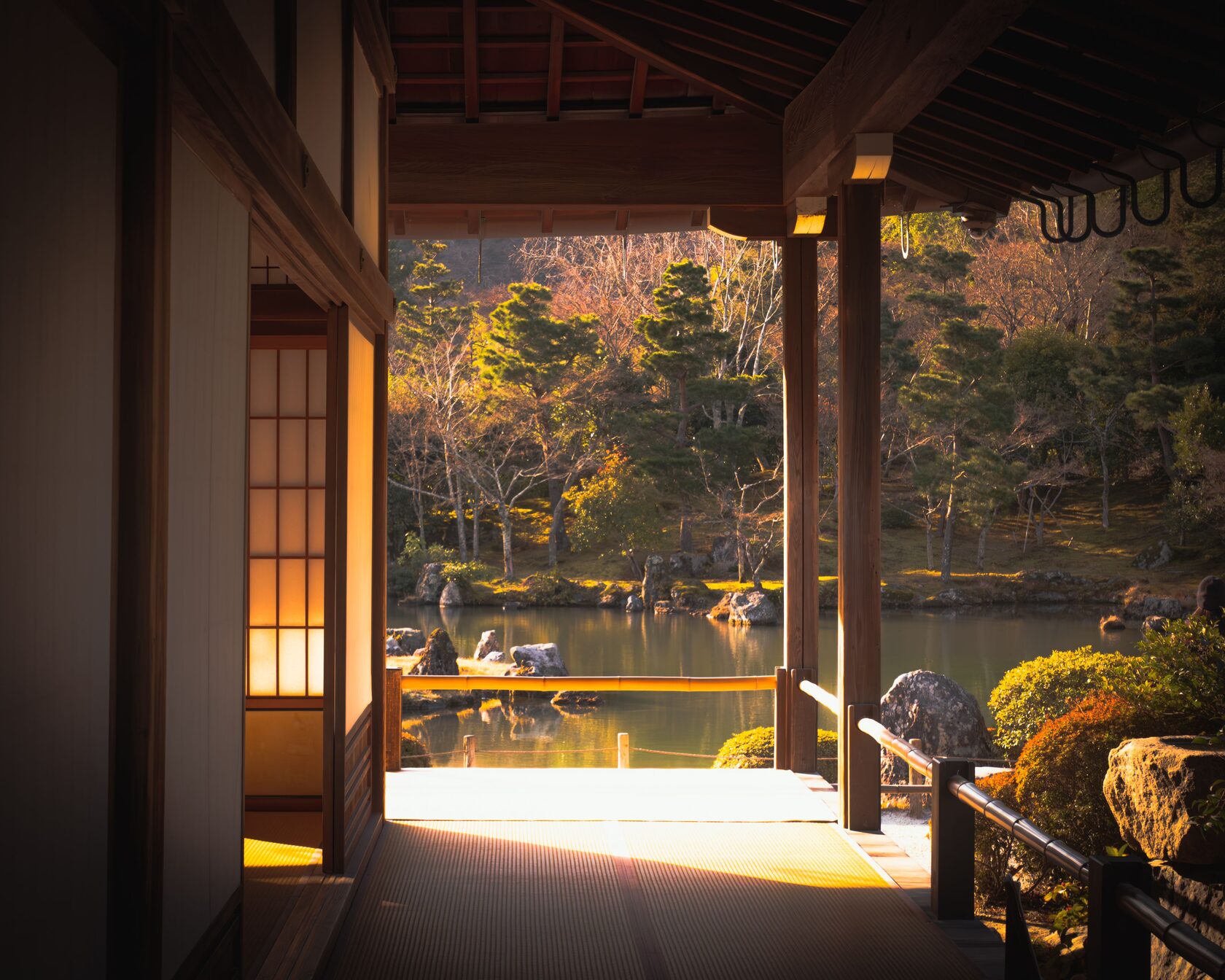
For centuries, Japan possessed its own highly sophisticated, proto-all-inclusive hospitality model: the traditional ryokan. Long before Western operators began bundling beachside cocktails and activities into a flat room rate, Japanese innkeepers were practicing ippaku nishoku, a traditional stay format encompassing overnight lodging, access to natural hot spring baths (onsen), a meticulous multi-course kaiseki dinner, and a traditional breakfast.
At its core, the ryokan is rooted deeply in omotenashi, Japan’s legendary approach to hospitality, which emphasizes anticipating a guest’s every need before they even realize it themselves. Yet, as a historic wave of international travelers floods into Japan's alpine and coastal regions, this time-honored model is colliding with the expectations of the modern global traveler. The result is a fascinating cultural evolution, where rigid traditions are bending to accommodate a new era of "frictionless luxury."
The Cultural Clash of Expectations
While both systems aim to pamper the guest, their execution could not be more different across operational and experiential lines.
- Dining Flexibility: Traditional ryokans operate on a philosophy of structured, quiet refinement. Guests are expected to adapt to the rhythm of the house, with dinner seatings strictly set for specific times in the early evening. Conversely, the modern Western all-inclusive model prioritizes absolute flexibility, offering open dining windows, diverse international buffets, and multiple specialty restaurants that cater to varying sleep and activity schedules.
- Culinary Control: The ryokan experience centers around a chef-curated kaiseki menu, a multi-course culinary showcase of hyper-local, seasonal ingredients that historically struggled to accommodate complex dietary restrictions. Modern all-inclusive resorts remove this friction by providing extensive international menus with built-in vegan, gluten-free, and halal options.
- The Beverage Model: In a traditional ryokan, in-room tea and welcome sweets are complimentary, but alcoholic beverages, specialty coffees, and evening lounge drinks are carefully audited and billed separately upon checkout. All-inclusive resorts eliminate this transactional friction by wrapping open bars, free-flowing craft spirits, regional sakes, and all-day lounge access directly into the upfront reservation price.
- Activities and Logistics: The traditional ryokan experience is focused inward, emphasizing rest, private reflection, and thermal bathing, leaving external sightseeing, ski rentals, and local transport to be self-booked by the guest. Western all-inclusive properties bundle ski lift passes, group snow sports instruction, guided mountain treks, marine sports, and regional excursions into the base rate.
- Atmosphere and Social Dynamics: The ryokan environment is quiet, meditative, and highly private, designed for individual retreat. Modern all-inclusive resorts foster a vibrant, social, family-friendly, and community-centric environment.
Why Modern Travelers Are Shifting the Balance
The migration toward all-inclusive resorts in destinations like Hokkaido and Okinawa is not a rejection of traditional Japanese culture; rather, it is a deliberate effort by travelers to eliminate vacation friction.
For an international tourist arriving after a long-haul flight, navigating the unspoken etiquette of a traditional ryokan can occasionally induce travel anxiety. Language barriers can make explaining a severe food allergy stressful, and receiving a long, itemized bill for incidentals at checkout disrupts the psychological comfort of a pre-paid getaway. Furthermore, in premier winter sports hubs like Niseko, Sahoro, and Tomamu, travelers prefer their lift passes, ski schools, equipment rentals, and group dining handled through a single booking rather than coordinating with multiple local vendors.
The Western all-inclusive model provides an essential psychological safety net. It allows international visitors to experience the bucket-list highlights of Japan, world-class powder snow, pristine subtropical beaches, hot springs, and authentic regional cuisine, without the logistical headache of managing localized expenses.
The Hybrid Future: "Omotenashi" Unbound
Recognizing this shift in traveler behavior, domestic Japanese hospitality brands are refusing to be left behind. Rather than ceding the high-yielding resort market to global all-inclusive operators, a new wave of hybrid luxury is emerging across Japan. Forward-thinking domestic operators are blending the best of both worlds: maintaining the architectural elegance, hot spring heritage, and serene service of a ryokan, while quietly adopting the financial and operational mechanics of the all-inclusive model.
Domestic market leaders are actively modifying historical rules to capture foreign demand. For instance, major hot-spring resort chains have reported massive surges in international guest bookings compared to pre-pandemic baselines. To sustain this momentum, traditional properties are relaxing rigid dining schedules, introducing tailored dietary menus, providing open free-drink lounge access during afternoon and evening hours, and re-evaluating historical bans on visible tattoos in communal onsen baths.
By adapting to the global demand for convenience and pre-paid billing, Japan is not losing its cultural identity. Instead, domestic hoteliers are successfully translating omotenashi into a universal language of modern convenience that resonates with today’s affluent global traveler.
Key Regional Clusters and Market Trajectories
The geographical expansion of all-inclusive concepts in Japan is concentrated within high-yield leisure enclaves:
- Hokkaido (Alpine & Snow Hubs): Famous worldwide for its dry powder snow, Hokkaido serves as the primary battleground for all-inclusive resort growth. Properties in Tomamu, Sahoro, and Kiroro lead the market by bundling ski lift passes, specialized snow sports academies, kids' clubs, and multi-venue international dining into a single package, capturing high-spending winter travelers from Europe, Australia, the Americas, and Southeast Asia.
- Okinawa & Ishigaki (Subtropical Beach Escapes): In the southern islands, warm-weather all-inclusive resorts cater to multi-generational families and beach leisure travelers. Destinations like Kabira Cove on Ishigaki Island offer bundled marine sports, diving excursions, local Ryukyuan cultural performances, and all-day dining.
- Boutique Onsen Enclaves (Hakone, Tohoku, & Matsushima): Beyond massive family resorts, an adult-focused boutique all-inclusive model is emerging near Tokyo and northern Japan. Properties in areas like Hakone and Matsushima blend natural geothermal baths with open craft sake lounges, night-cap bars, and complimentary late-night dining options, achieving exceptional Average Daily Rates (ADR) by offering an all-inclusive spin on modern luxury.
The Outlook for Japan's Resort Sector
The rise of all-inclusive hospitality across Japan marks a permanent expansion of the nation's tourism capabilities. By combining the financial efficiency and guest convenience of bundled pricing with the deep-rooted cultural heritage of omotenashi, real estate developers, asset managers, and hospitality operators are tapping into an exceptionally resilient revenue stream. As global operators deepen their regional footprints and domestic brands continue to refine their hybrid models, all-inclusive resorts will remain a primary growth engine for Japan's hospitality economy in the years ahead.