
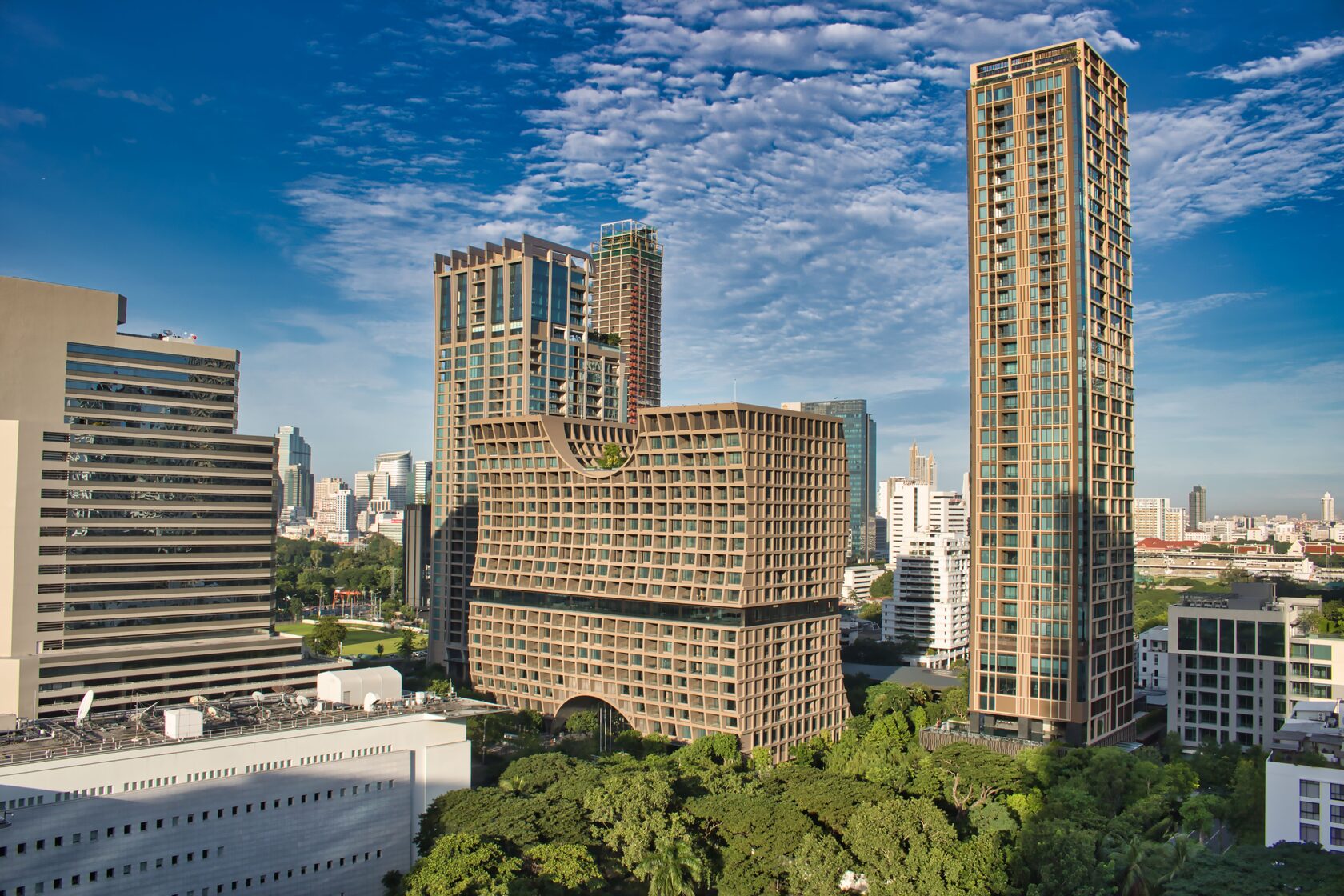
The commercial lodging supply chain across the Asia-Pacific region is entering the third quarter of 2026 with historic velocity. Driven by robust post-pandemic infrastructure recoveries, strong regional GDP growth, and a wave of aggressive pan-Asian corporate corridors, global hotel networks are deploying record capital allocations. Unlike previous development cycles that relied heavily on speculative, standalone high-rises, the Q3 2026 pipeline demonstrates a sophisticated balance between massive urban mixed-use integrations and strategic brand conversions.
Upmarket lifestyle and luxury segments dominate the current opening matrix. Global operators are rapidly expanding their footprints by transforming older office assets into premium keys or anchoring their presence within master-planned city precincts. From the corporate business capitals of Tokyo, Seoul, and Manila to the pristine wellness coastlines of Jeju, Gifu, and Vietnam, this quarter's opening cycle highlights a coordinated, cross-border pivot toward high-yielding hospitality infrastructure.
Upmarket lifestyle and luxury segments dominate the current opening matrix. Global operators are rapidly expanding their footprints by transforming older office assets into premium keys or anchoring their presence within master-planned city precincts. From the corporate business capitals of Tokyo, Seoul, and Manila to the pristine wellness coastlines of Jeju, Gifu, and Vietnam, this quarter's opening cycle highlights a coordinated, cross-border pivot toward high-yielding hospitality infrastructure.
The Q3 2026 Pan-Asian Multi-Country Blueprint
Vietnam & Thailand: Coastal Resorts and Integrated Precincts
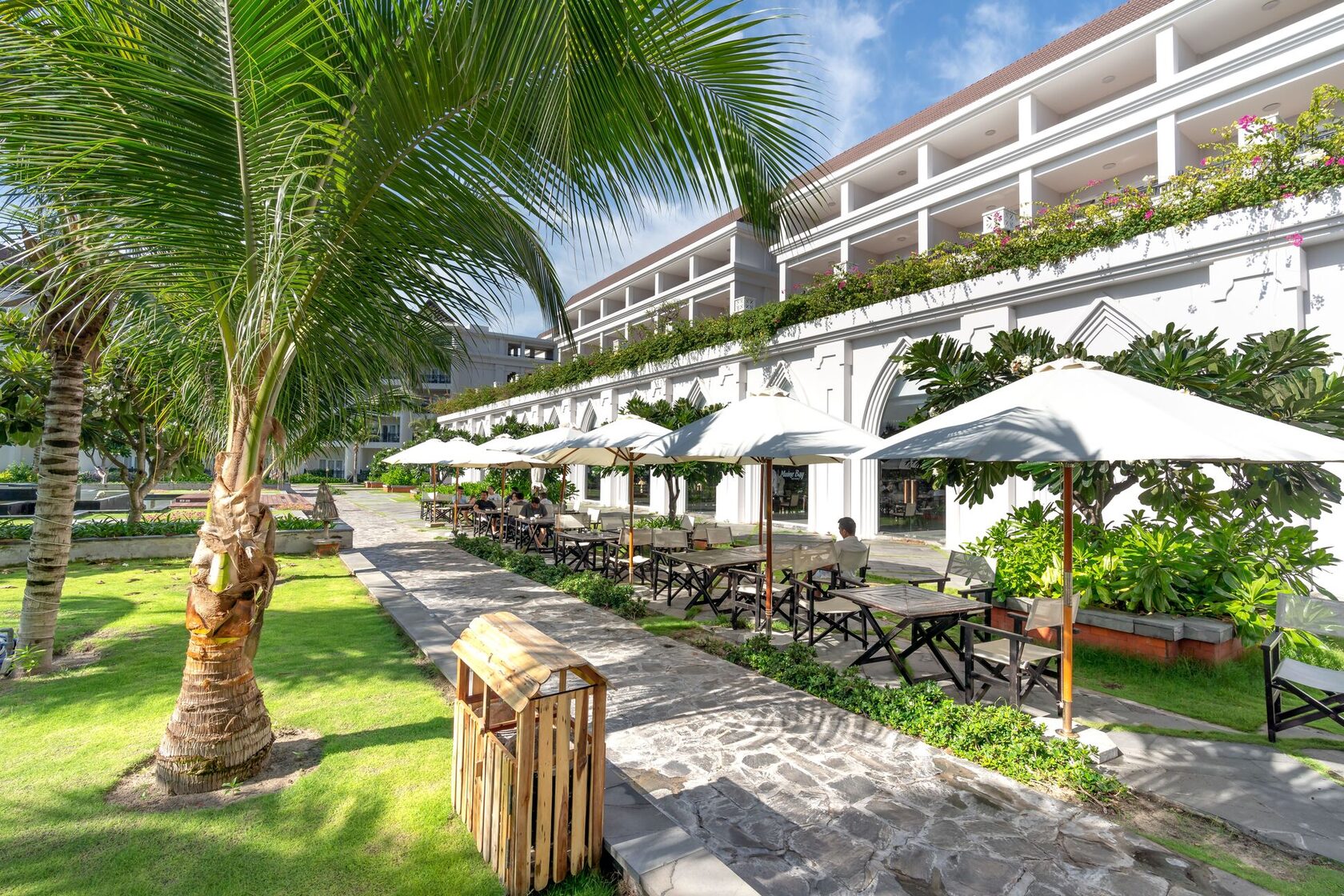
Vietnam continues to track as one of the fastest-growing hospitality pipelines in the world, projected to see a massive 11% surge in total regional room supply. Developers are moving forward on 248 active projects, led this quarter by the monumental Meliá Serenity Cam Ranh Beach Resort. This five-star oceanfront sanctuary introduces a massive 698 contemporary rooms, 40 private villas, and 64 bungalow-style accommodations explicitly designed to capture premium all-inclusive leisure travel.
Concurrently, Thailand is maintaining a powerful development pipeline of over 160 active projects. Rather than focusing on isolated hotel towers, Bangkok’s landscape is now completely dominated by massive, integrated mixed-use precincts that combine corporate headquarters, premium retail, and ultra-luxury lodging into single ecosystems. A prime example of this integrated philosophy is the upcoming Fraser Suites Bangkok, strategically positioned inside the multi-billion-dollar One Bangkok district to capture instant business foot traffic and high-end retail consumers.
The Philippines: Manila’s 4,500-Room Capital Wave
Metro Manila's hospitality sector is preparing for an unprecedented influx of fresh supply, with roughly 4,500 premium rooms arriving on the market. Market research from JLL indicates a near-perfect equilibrium between international capital and domestic development forces: foreign hotel brands account for approximately 2,300 keys, while homegrown hospitality players are contributing a further 2,200 keys, heavily bolstered by projects strategically deferred from late 2025.
The defining corporate project of this wave is the launch of Ascott Ortigas Manila. Following a comprehensive architectural strip-down and reimagining of the former Joy-Nostalg Hotel & Suites Manila, this 229-unit serviced residence executes a total brand conversion. Situated directly across from the Asian Development Bank (ADB) headquarters, the asset is perfectly engineered to capture long-stay corporate accounts, international finance delegations, and luxury business travelers through premium dining outlets and high-spec corporate event spaces.
Vietnam continues to track as one of the fastest-growing hospitality pipelines in the world, projected to see a massive 11% surge in total regional room supply. Developers are moving forward on 248 active projects, led this quarter by the monumental Meliá Serenity Cam Ranh Beach Resort. This five-star oceanfront sanctuary introduces a massive 698 contemporary rooms, 40 private villas, and 64 bungalow-style accommodations explicitly designed to capture premium all-inclusive leisure travel.
Concurrently, Thailand is maintaining a powerful development pipeline of over 160 active projects. Rather than focusing on isolated hotel towers, Bangkok’s landscape is now completely dominated by massive, integrated mixed-use precincts that combine corporate headquarters, premium retail, and ultra-luxury lodging into single ecosystems. A prime example of this integrated philosophy is the upcoming Fraser Suites Bangkok, strategically positioned inside the multi-billion-dollar One Bangkok district to capture instant business foot traffic and high-end retail consumers.
The Philippines: Manila’s 4,500-Room Capital Wave
Metro Manila's hospitality sector is preparing for an unprecedented influx of fresh supply, with roughly 4,500 premium rooms arriving on the market. Market research from JLL indicates a near-perfect equilibrium between international capital and domestic development forces: foreign hotel brands account for approximately 2,300 keys, while homegrown hospitality players are contributing a further 2,200 keys, heavily bolstered by projects strategically deferred from late 2025.
The defining corporate project of this wave is the launch of Ascott Ortigas Manila. Following a comprehensive architectural strip-down and reimagining of the former Joy-Nostalg Hotel & Suites Manila, this 229-unit serviced residence executes a total brand conversion. Situated directly across from the Asian Development Bank (ADB) headquarters, the asset is perfectly engineered to capture long-stay corporate accounts, international finance delegations, and luxury business travelers through premium dining outlets and high-spec corporate event spaces.
Japan & South Korea: Regional Leisure Cycles, Volcanic Resorts, and Tech-Hub Stays
East Asia’s powerhouse markets are striking a perfect balance between high-end coastal leisure and strategic corporate business lodging, delivering thousands of keys across both specialized vacation islands and tech-heavy commercial districts.
Japan is entering a highly lucrative new tourism growth cycle, with international brands aggressively expanding beyond traditional primary gateways like Tokyo and Osaka to capture premium regional leisure spend. This strategy is anchored by the launch of the Hilton Takayama Resort, marking a historic milestone as Hilton’s first property in the culture-rich Gifu prefecture and allowing international travelers to access the historic alpine streets of Takayama with five-star comfort. Concurrently, global brands are executing major luxury milestones in Nagoya, transforming the industrial hub into an upscale lifestyle destination ahead of peak autumn corporate travel seasons.
Across the water, South Korea's pipeline splits its momentum between destination luxury and corporate efficiency. The Sheraton Jeju Hotel is slated to debut its elevated oceanfront destination on South Korea's beloved volcanic island, bringing 400 contemporary rooms, lava field views, and an exclusive Sheraton Club Lounge built for premium loyalty members. Meanwhile, in the capital region, the Hyatt Place Seoul Pangyo delivers 204 rooms directly into South Korea’s premier IT and business hub, optimizing fast casual dining and smart-room tech integrations for high-density tech professionals.
Indonesia & Malaysia: Boutique Sanctuaries and VMY Infrastructure
Marriott International is aggressively diversifying its Indonesian footprint this quarter, deploying distinct boutique and historic concepts to capture both leisure and urban corporate markets. In Bali, the intimate Cicada Resort Bali Ubud features six premium guestrooms tucked into northern Ubud's natural canopy using low-impact vernacular architecture. Concurrently, in West Java, the historic 188-room Grand Hotel Preanger, Bandung is officially entering the Marriott network as a Tribute Portfolio Resort, preserving its classic Art Deco architecture while upgrading internal mechanical grids.
Across the border, Malaysia's pipeline is operating at a rapid pace as operators race to open doors ahead of the highly publicized Visit Malaysia Year (VMY 2026). In the leisure sector, the long-delayed Pulau Poh Hotel in Tasik Kenyir, Terengganu, is opening its doors to unlock new eco-tourism capacity within a vital regional lake preserve. Concurrently, H World Group is executing its first major Malaysian expansion by launching the high-efficiency JI Hotel brand in Kuala Lumpur's central core, paving the infrastructure groundwork for ultra-luxury flagships arriving later in the year, including the Waldorf Astoria Kuala Lumpur and Kimpton Naluria Kuala Lumpur.
The massive layout of keys arriving in Q3 2026 proves that the broader Asian market is no longer viewed as a fragmented vacation destination, but as a primary anchor for global portfolio diversification. By prioritizing integrated mega-districts that guarantee corporate foot traffic and executing swift asset conversions that compress time-to-market, developers are successfully shielding themselves from inflationary construction risks. For asset managers, the current pipeline provides the ultimate blueprint for capturing the lucrative intersection of regional business travel, luxury wellness leisure, and high-yield corporate accounts.
East Asia’s powerhouse markets are striking a perfect balance between high-end coastal leisure and strategic corporate business lodging, delivering thousands of keys across both specialized vacation islands and tech-heavy commercial districts.
Japan is entering a highly lucrative new tourism growth cycle, with international brands aggressively expanding beyond traditional primary gateways like Tokyo and Osaka to capture premium regional leisure spend. This strategy is anchored by the launch of the Hilton Takayama Resort, marking a historic milestone as Hilton’s first property in the culture-rich Gifu prefecture and allowing international travelers to access the historic alpine streets of Takayama with five-star comfort. Concurrently, global brands are executing major luxury milestones in Nagoya, transforming the industrial hub into an upscale lifestyle destination ahead of peak autumn corporate travel seasons.
Across the water, South Korea's pipeline splits its momentum between destination luxury and corporate efficiency. The Sheraton Jeju Hotel is slated to debut its elevated oceanfront destination on South Korea's beloved volcanic island, bringing 400 contemporary rooms, lava field views, and an exclusive Sheraton Club Lounge built for premium loyalty members. Meanwhile, in the capital region, the Hyatt Place Seoul Pangyo delivers 204 rooms directly into South Korea’s premier IT and business hub, optimizing fast casual dining and smart-room tech integrations for high-density tech professionals.
Indonesia & Malaysia: Boutique Sanctuaries and VMY Infrastructure
Marriott International is aggressively diversifying its Indonesian footprint this quarter, deploying distinct boutique and historic concepts to capture both leisure and urban corporate markets. In Bali, the intimate Cicada Resort Bali Ubud features six premium guestrooms tucked into northern Ubud's natural canopy using low-impact vernacular architecture. Concurrently, in West Java, the historic 188-room Grand Hotel Preanger, Bandung is officially entering the Marriott network as a Tribute Portfolio Resort, preserving its classic Art Deco architecture while upgrading internal mechanical grids.
Across the border, Malaysia's pipeline is operating at a rapid pace as operators race to open doors ahead of the highly publicized Visit Malaysia Year (VMY 2026). In the leisure sector, the long-delayed Pulau Poh Hotel in Tasik Kenyir, Terengganu, is opening its doors to unlock new eco-tourism capacity within a vital regional lake preserve. Concurrently, H World Group is executing its first major Malaysian expansion by launching the high-efficiency JI Hotel brand in Kuala Lumpur's central core, paving the infrastructure groundwork for ultra-luxury flagships arriving later in the year, including the Waldorf Astoria Kuala Lumpur and Kimpton Naluria Kuala Lumpur.
The massive layout of keys arriving in Q3 2026 proves that the broader Asian market is no longer viewed as a fragmented vacation destination, but as a primary anchor for global portfolio diversification. By prioritizing integrated mega-districts that guarantee corporate foot traffic and executing swift asset conversions that compress time-to-market, developers are successfully shielding themselves from inflationary construction risks. For asset managers, the current pipeline provides the ultimate blueprint for capturing the lucrative intersection of regional business travel, luxury wellness leisure, and high-yield corporate accounts.