
The All-Inclusive Hotels in Southeast Asia is Redefining High-End Bundled Hospitality
11.09.2026
The all-inclusive hotel model is undergoing a major evolution. Historically associated with mass-market beach enclaves in the Caribbean, all-inclusive hospitality in Southeast Asia is being reimagined as an upper-upscale, culturally immersive, and wellness-focused product. Major global hospitality groups are introducing luxury bundled concepts to capture multi-generational families and experience-seeking travelers who want friction-free vacations without signing individual bills or managing daily expenses.
An all-inclusive hotel or resort bundles lodging, unlimited food, beverages, and daily activities into a single upfront price. While a standard European Plan (Room Only) charges extra for every meal, coffee, and activity, the all-inclusive structure allows guests to leave their wallets in the room safe while maintaining full access to the property's amenities.
An all-inclusive hotel or resort bundles lodging, unlimited food, beverages, and daily activities into a single upfront price. While a standard European Plan (Room Only) charges extra for every meal, coffee, and activity, the all-inclusive structure allows guests to leave their wallets in the room safe while maintaining full access to the property's amenities.
Deconstructing the All-Inclusive Model: Baseline Features vs. Add-Ons
Understanding standard billing models highlights the operational and guest-facing differences of the modern all-inclusive format.
Resorts generate auxiliary revenue through premium add-ons. Premium top-shelf spirits, aged wines, and private reserve dining require extra fees. Individual spa treatments, facials, and wellness therapies carry additional costs, as do motorized water sports (such as jet skiing or scuba diving certifications) and off-site guided excursions.
- Room Only (European Plan): Covers accommodation only; all dining, drinks, and activities are billed out-of-pocket.
- Half-Board: Includes room plus two daily meals (typically breakfast and dinner), leaving lunch and beverages out-of-pocket.
- Full-Board: Covers room and three daily meals, but excludes snacks, drinks outside meal times, and alcohol.
- All-Inclusive: Covers room, three daily meals, continuous snacks, unlimited beverages (non-alcoholic and standard spirits), daily fitness or non-motorized water sports, and kids' club programming.
Resorts generate auxiliary revenue through premium add-ons. Premium top-shelf spirits, aged wines, and private reserve dining require extra fees. Individual spa treatments, facials, and wellness therapies carry additional costs, as do motorized water sports (such as jet skiing or scuba diving certifications) and off-site guided excursions.
Market Trajectory: A Strategic "Slow Burn"
The broader Southeast Asian hospitality sector is experiencing strong momentum, with the regional hotel pipeline reaching record highs across luxury and upscale tiers. Within this landscape, the global all-inclusive market is expanding at an estimated ~11.9% compound annual growth rate (CAGR).
However, the adoption of all-inclusive models in Southeast Asia follows a calculated, selective trajectory rather than a rapid mass-market takeover. The market is currently progressing through three distinct phases:
Unlike the Caribbean or Mexico, where the all-inclusive model was institutionalized early, Southeast Asia possesses a vibrant, low-cost local dining and entertainment infrastructure right outside the resort gates. Hotel owners and institutional real estate investors remain cautious, ensuring that flagship properties can maintain healthy margins and high guest retention when competing against cheap local options.
To justify premium price points, developers are turning heavily toward wellness integration. Properties that build high-end spa therapies, medical wellness programs, and fitness retreats directly into their base pricing command 20% to 35% higher Average Daily Rates (ADR) than standard luxury properties.
The most striking aspect of an all-inclusive luxury stay in Southeast Asia is the immediate elimination of micro-friction. In a destination where daily dining, service charges, local taxes, and activity fees routinely trigger ongoing mental calculations, leaving your wallet in the room safely fundamentally changes the pace of a trip.
During a stay at one of the all-inclusive resorts in Nusa Dua, Bali, the value of the model reveals itself through curated destination programming rather than simple volume. Instead of having to arrange external transport or navigate crowded local centers for workshops, I can participate in on-site Balinese crafts or watch traditional evening dance performances directly on the resort grounds. Access to multiple distinct culinary venues, ranging from regional fusion to specialized international grills, helps prevent the repetitive dining fatigue often linked with older all-inclusive formats. For travelers seeking total psychological decompression, the model delivers a level of operational ease that traditional itemized luxury hotels struggle to match.
However, the adoption of all-inclusive models in Southeast Asia follows a calculated, selective trajectory rather than a rapid mass-market takeover. The market is currently progressing through three distinct phases:
- Post-Pandemic Brand Pitch: Global chains introduce luxury bundled concepts to asset owners.
- Flagship Deployments: Real estate developers evaluate initial pilots in primary destinations like Bali and Phu Quoc.
- Premium-Niche Expansion: Integrated wellness and experiential billing models scale across secondary markets.
Unlike the Caribbean or Mexico, where the all-inclusive model was institutionalized early, Southeast Asia possesses a vibrant, low-cost local dining and entertainment infrastructure right outside the resort gates. Hotel owners and institutional real estate investors remain cautious, ensuring that flagship properties can maintain healthy margins and high guest retention when competing against cheap local options.
To justify premium price points, developers are turning heavily toward wellness integration. Properties that build high-end spa therapies, medical wellness programs, and fitness retreats directly into their base pricing command 20% to 35% higher Average Daily Rates (ADR) than standard luxury properties.
The most striking aspect of an all-inclusive luxury stay in Southeast Asia is the immediate elimination of micro-friction. In a destination where daily dining, service charges, local taxes, and activity fees routinely trigger ongoing mental calculations, leaving your wallet in the room safely fundamentally changes the pace of a trip.
During a stay at one of the all-inclusive resorts in Nusa Dua, Bali, the value of the model reveals itself through curated destination programming rather than simple volume. Instead of having to arrange external transport or navigate crowded local centers for workshops, I can participate in on-site Balinese crafts or watch traditional evening dance performances directly on the resort grounds. Access to multiple distinct culinary venues, ranging from regional fusion to specialized international grills, helps prevent the repetitive dining fatigue often linked with older all-inclusive formats. For travelers seeking total psychological decompression, the model delivers a level of operational ease that traditional itemized luxury hotels struggle to match.
Case Studies: Country-by-Country Operational Strategies
To prevent guests from leaving the property, successful operators shift from simply selling rooms to creating self-contained destination ecosystems through tailored programming and unique food and beverage concepts.
🇮🇩 Indonesia: The Powerhouse Anchor
🇮🇩 Indonesia: The Powerhouse Anchor
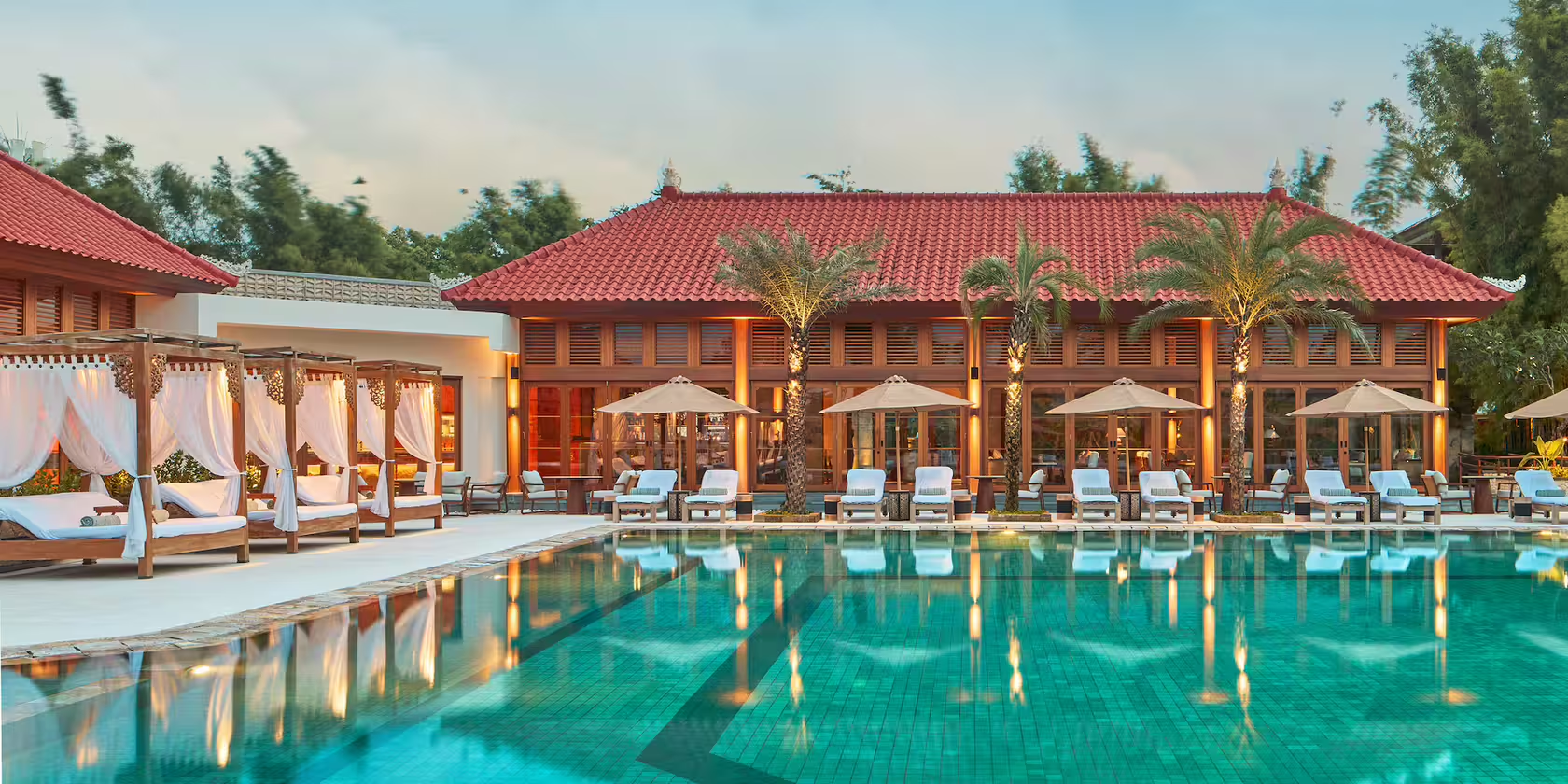
As the region's primary earnings driver, Indonesia is leading the shift toward luxury all-inclusive concepts.
🇲🇾 Malaysia: Capturing the Foodie Traveler
- Paradisus by Meliá Bali: Transformed from the former Meliá Bali into Meliá’s flagship all-inclusive luxury brand, this 492-suite property uses a bundled model to operate as a self-contained cultural destination. It holds guest interest by hosting multi-weekly Balinese theatre dinners, on-site batik workshops, and traditional instrument masterclasses.
- Club Med Bali: Operating across a 14-hectare footprint, this family-focused resort relies on its "G.O." (Gentle Organizers) community model. It locks in guest itineraries by bundling high-barrier activities into the base price, including a flying trapeze academy, specialized archery ranges, and structured youth sports leagues.
🇲🇾 Malaysia: Capturing the Foodie Traveler
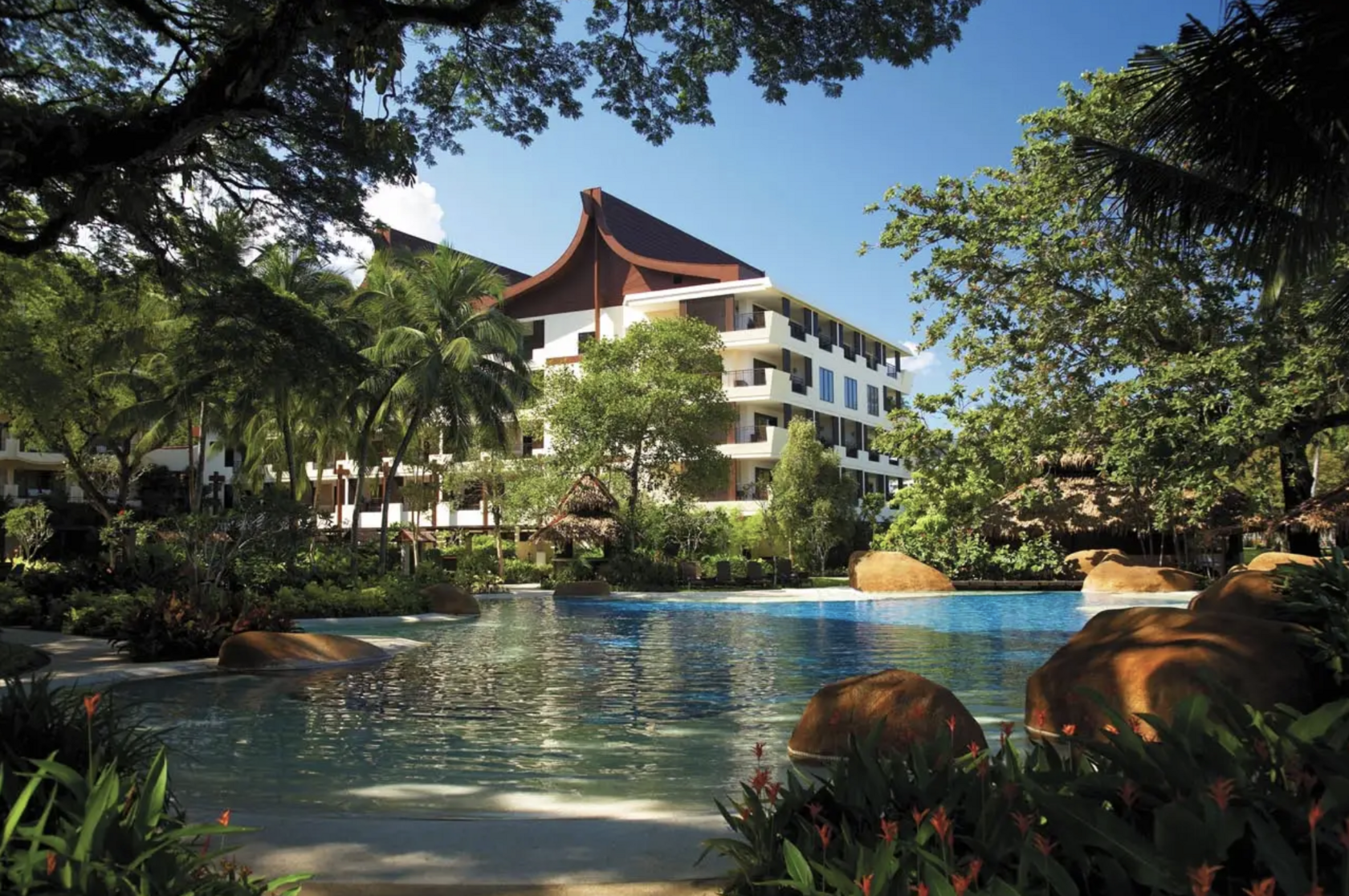
In destinations known for street food, resorts must offer compelling culinary and experiential value to keep spending in-house.
🇹🇭 Thailand: Secluded Coastal Protection
- Shangri-La Rasa Sayang (Penang): Operating on Batu Ferringhi beach, this property offers an "All-Inclusive Tropical Holiday" package. By bundling premium local culinary dining, unlimited beverages, exclusive Rasa Wing lounge privileges, and access to an internal pitch-and-putt golf course, the resort shields its food and beverage revenue from outside competition.
- The Banjaran Hotsprings Retreat (Ipoh): This ultra-luxury wellness sanctuary leverages its natural limestone valley geography. The resort builds access to natural geothermal hot springs, thermal steam caves, and ice baths into the core stay, anchoring evening dining via Jeff's Cellar, a fine-dining venue built inside a natural limestone cave.
🇹🇭 Thailand: Secluded Coastal Protection
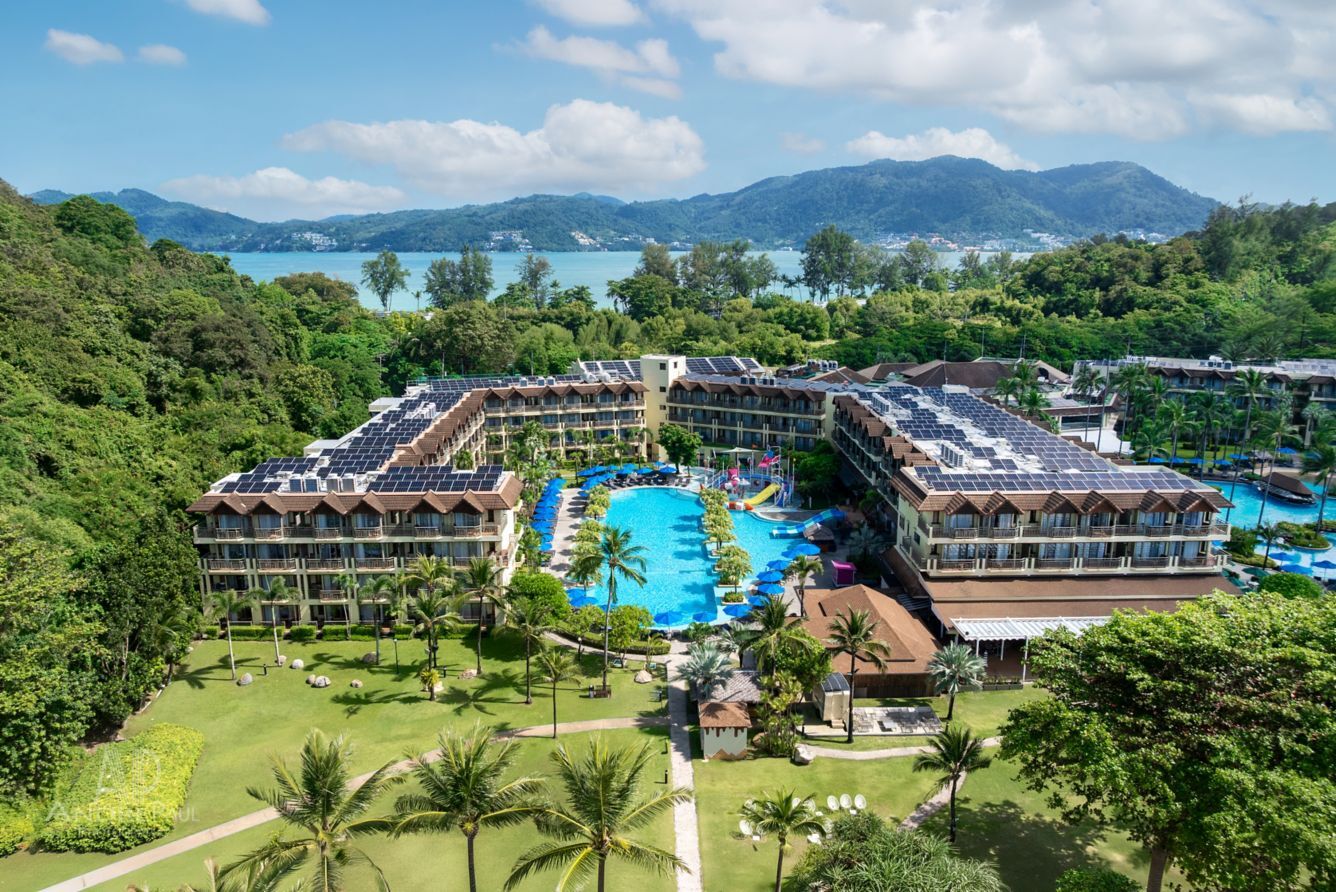
Thailand’s luxury resort market uses bundled formulas to serve leisure travelers seeking seamless island escapes.
🇻🇳 Vietnam: The High-Growth Frontier
- Phuket Marriott Resort & Spa, Merlin Beach (Phuket): Located on a private stretch of Patong Beach, this resort offers an "Ultimate All-Inclusive Package" featuring multi-restaurant dining, unlimited beverages, and non-motorized water sports. It enhances guest engagement through an on-site Marine Conservation Reef Education Center offering interactive coral restoration experiences off its private beach.
- Le Méridien Khao Lak Resort & Spa (Khao Lak): Operating in an area where guests often explore external bars, this property locks in daytime activity through bundled culinary access across three specialized restaurants and four bars, combined with lagoon-pool programming and beach wellness activities.
🇻🇳 Vietnam: The High-Growth Frontier

Vietnam leads regional growth speed, supported by aggressive infrastructure projects and expanded visa waivers.
🇵🇭 Philippines: Barefoot Luxury & Eco-Sanctuaries
- Regent Phu Quoc (Phu Quoc Island): Focusing on bespoke, luxury-tier experiences, this all-villa and suite property keeps guests on-site by offering a signature taste studio blending art and dining, interactive kids' mini-club theater programming, and private luxury yacht charters off the coast.
- Rixos Phu Quoc (Hon Thom Island): Ennismore’s major flagship property, set to open on Hon Thom Island, introduces an extensive all-inclusive entertainment ecosystem. Featuring 1,300 keys, the mega-resort integrates international dining across 22 restaurants and bars, live theatrical performances, sports academies, and direct access to the Sun World Hon Thom entertainment complex via the Hon Thom Cable Car.
🇵🇭 Philippines: Barefoot Luxury & Eco-Sanctuaries
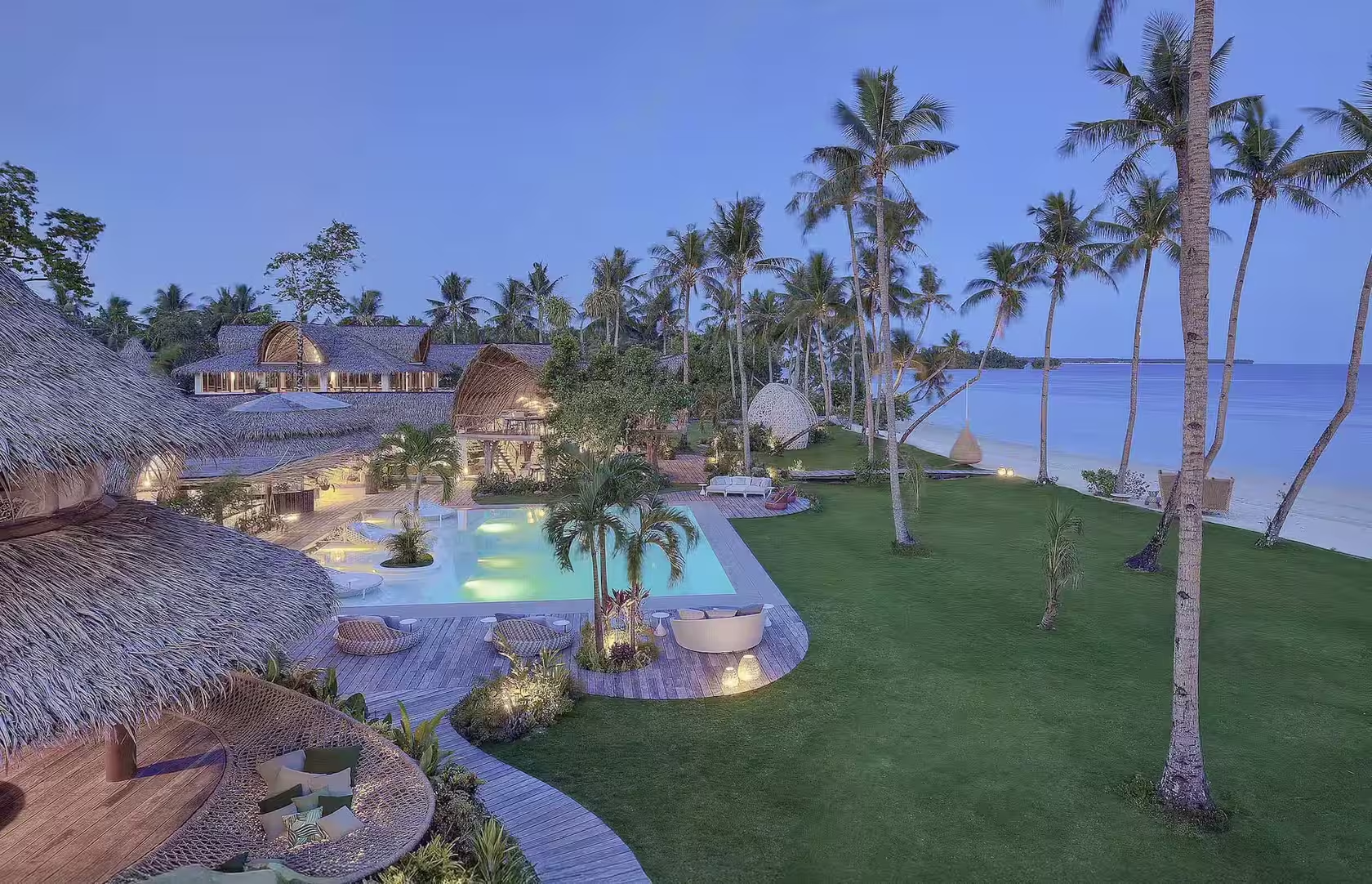
In island destinations where transportation logistics can be complex, all-inclusive resorts provide an all-in-one luxury solution.
The evolution of all-inclusive hospitality in Southeast Asia marks a permanent shift toward quality, convenience, and experiential depth. By combining frictionless, wallet-free billing with localized cultural programming, high-end dining, and integrated wellness retreats, developers and global hospitality operators are establishing a sustainable, high-yield business model that aligns with the expectations of modern global travelers.
- Nay Palad Hideaway (Siargao Island): Situated on a world-famous surfing island, this boutique property operates a wallet-free ecosystem. Private surfing lessons, daily boat excursions, deep-sea fishing, custom wellness treatments, and tailor-made gourmet menus are built entirely into the upfront rate.
- El Nido Resorts - Pangulasian Island (Palawan): Positioned inside a pristine marine sanctuary, the resort bundles eco-friendly experiential programming directly into the guest itinerary, including guided reef snorkeling tours with resident environment officers, private island-hopping, secret lagoon kayak trails, and stargazing sessions.
The evolution of all-inclusive hospitality in Southeast Asia marks a permanent shift toward quality, convenience, and experiential depth. By combining frictionless, wallet-free billing with localized cultural programming, high-end dining, and integrated wellness retreats, developers and global hospitality operators are establishing a sustainable, high-yield business model that aligns with the expectations of modern global travelers.