
Thailand's High-End Hotels Expansion and Changing Traveler Habits
07.09.2026
Thailand's luxury hotel market is experiencing a massive growth phase, with 167 projects totaling 43,067 rooms currently in development. This makes Thailand the fifth-largest hotel pipeline in the entire Asia-Pacific region outside of China.
However, this supply expansion arrives during a period of market shifts. A temporary shortage of direct long-haul flights from Europe and North America has constrained international arrivals. In response, luxury properties across various tiers are deploying promotional discounts ranging from 20% to 70% off standard rates to protect seasonal occupancy levels.
How Different Cities and Islands Are Performing
The luxury hospitality landscape across Thailand is moving at distinct speeds depending on the destination.
In Bangkok, active construction leads the entire Asia-Pacific region. The city's total room inventory has passed 147,000 rooms. Even though low-season RevPAR experienced a minor 7% drop, a 3.4% rise in domestic travel has helped cushion the market, keeping average occupancy rates around a healthy 73%.
In Phuket, luxury and upscale properties make up 58% of the island's 47,195 rooms. This concentration will grow further, as 89% of all planned openings through 2028 fall into premium tiers. While ultra-luxury resorts maintain steady booking volumes from affluent travelers, mid-tier independent properties are facing heavier price discounting pressures.
In Pattaya, luxury properties are outperforming budget accommodations. High-end resorts command a 48.8% price premium over standard hotels in the area.
In Koh Samui, strict local zoning laws keep new construction tightly limited to a 5-year CAGR of just 1%. This scarcity allowed existing properties to raise average daily room rates (ADR) by up to 21% during peak months. Instead of building new ground-up projects, operators like Centara Reserve Samui are investing heavily in complete property refurbishments and eco-friendly retrofits.
In Krabi and Phang Nga, eco-luxury resorts are thriving. Krabi saw a 20.4% increase in room rates. Phang Nga continues to grow as a low-density, high-privacy alternative to busy Phuket, supported long-term by transit plans like the future Andaman International Airport in Khok Kloi.
In Hua Hin, the market is recovering through a focus on health and wellness retreats, with premium beachfront zones expecting steady yield growth.
New Openings and Major Property Launches
Thailand's luxury landscape is welcoming a comprehensive wave of new hotel launches, historic restorations, unified brand portfolios, and specialized wellness retreats across the country.
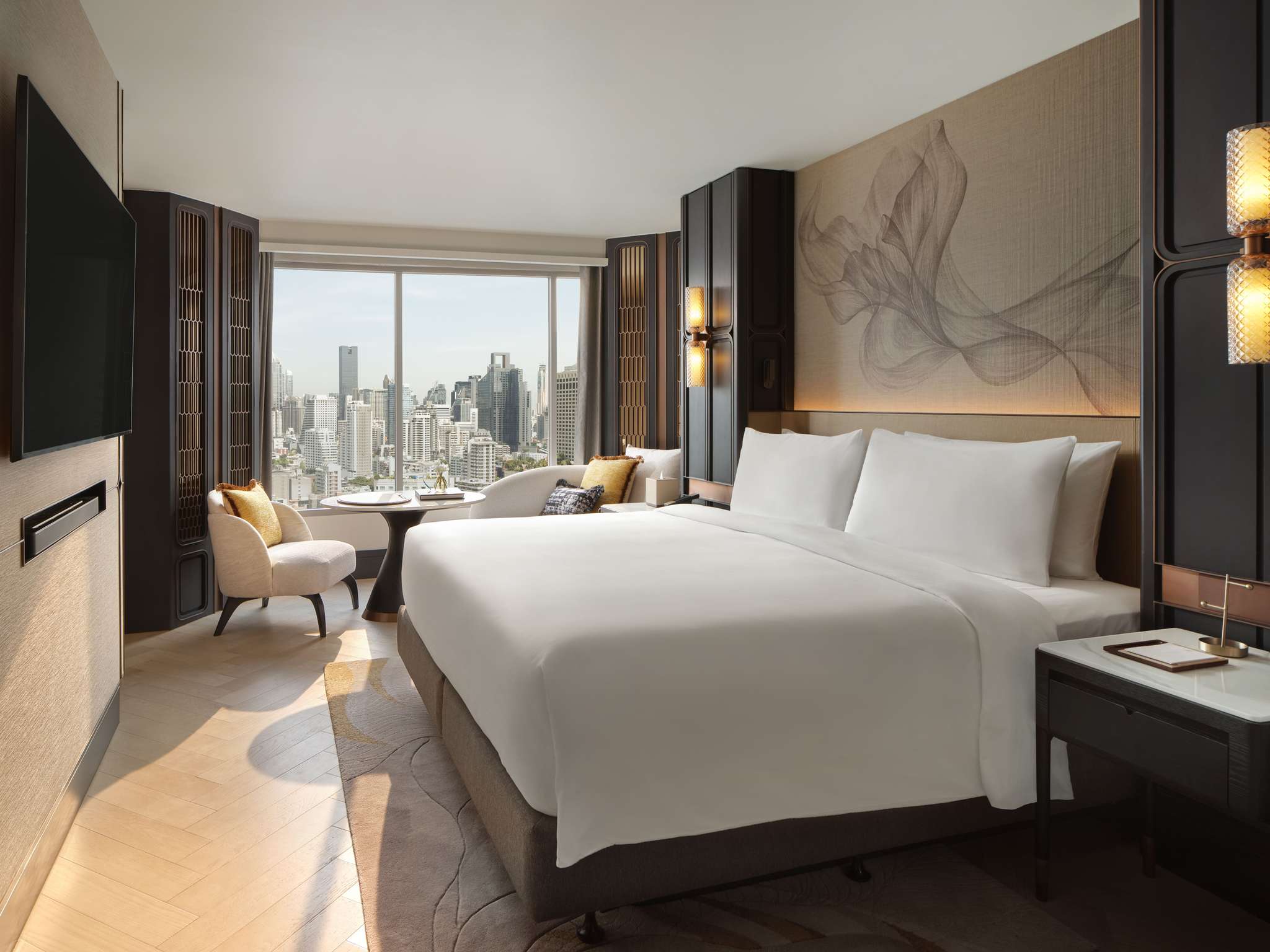
Bangkok City and Riverfront
- Mandarin Oriental, Bangkok: Continued award-winning luxury icon anchoring the Chao Phraya riverfront.
- Capella Bangkok: Acclaimed ultra-luxury riverfront sanctuary.
- Four Seasons Hotel Bangkok at Chao Phraya River: Renowned luxury benchmark along the city's main waterway.
- Aman Nai Lert Bangkok: A vertical park retreat located inside historic Nai Lert Park, featuring all-suite rooms, a large multi-floor wellness center, and private residences.
- Dusit Thani Bangkok: A complete ultra-luxury rebuild of one of the city's most iconic historic hotels, keeping its golden spire intact.
- Fairmont Bangkok Sukhumvit: The official debut of the Fairmont brand in Thailand, showcasing botanical interior design, the Wiggle Room cabaret club, and dual rooftop venues.
- The Langham, Customs House, Bangkok: A restoration of the 130-year-old Old Customs House building along the Chao Phraya River into a high-end heritage hotel.
- InterContinental Bangkok Chinatown: Expanding premium brand presence directly into one of Bangkok's oldest cultural heritage zones.
- The Landmark Collection Assets (The Landmark Bangkok & Lancaster Bangkok): Unifying iconic local properties under a strategic global brand portfolio.
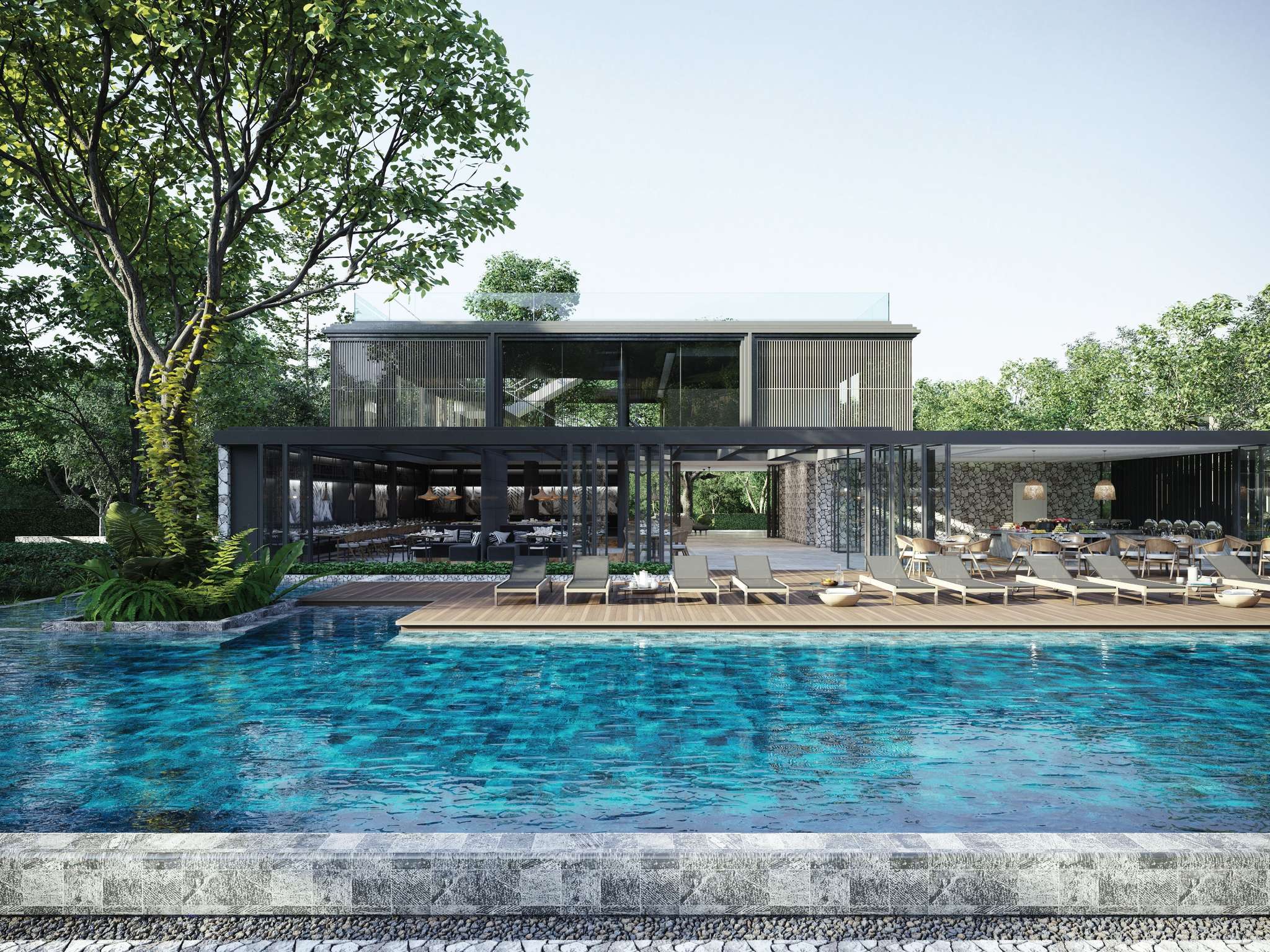
Phuket and the Southern Islands
- Kamaliss MontAzure Phuket – MGallery Collection & Navera Phuket – MGallery Collection: Boutique luxury resorts built around natural lagoons in the Kamala and Surin beach communities.
- Nivata Koh Samui (Tapestry Collection by Hilton): A boutique retreat on the quiet southern coast of Koh Samui focusing on human-scale luxury.
- KAIA Koh Phangan: Backed by the investment collective behind Capella Bangkok, this tented beachfront eco-resort features upcycled teak wood and private food pantries.
- JW Marriott Chalong Bay Resort & Spa: A sprawling upcoming resort introducing massive health and recovery wellness infrastructure to Southern Phuket.
- Rixos Water World Phuket: An upcoming property being retrofitted by Ennismore as Thailand’s premier experience-led, ultra-luxury all-inclusive water resort.
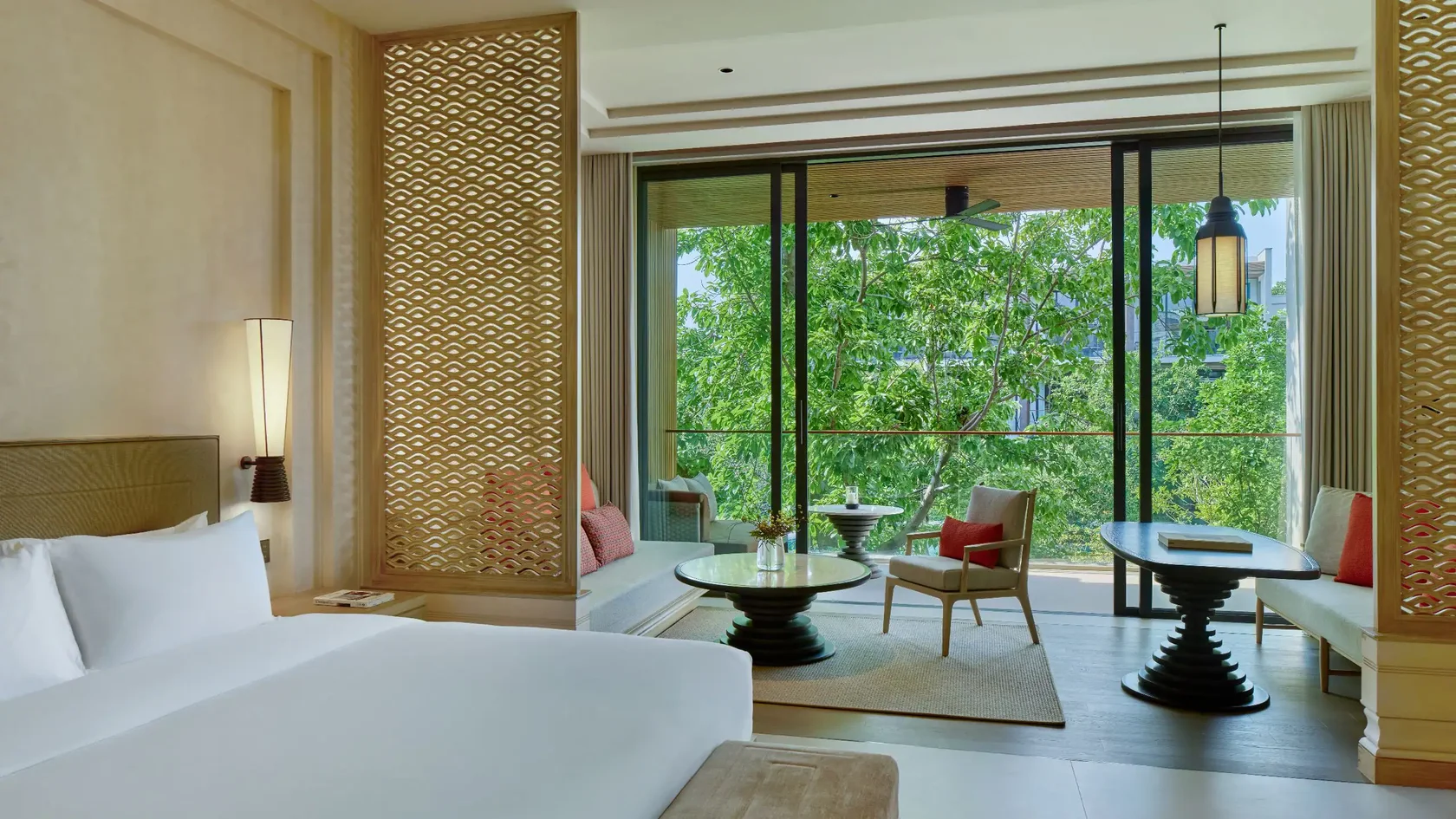
Mainland and Northern Regions
Thailand's luxury hotel market is demonstrating strong long-term fundamentals. By balancing major urban developments in Bangkok with eco-friendly island retrofits and health-focused retreats in secondary regions, hoteliers and developers are building a resilient foundation for long-term growth across the country.
- The BARAI by Hyatt (The BARAI Hua Hin): A slow-paced luxury wellness retreat designed by architect Lek Bunnag, located adjacent to the Hyatt Regency and centered around traditional Thai healing methods.
- Centara Reserve Krabi: Centara’s second "Reserve" brand iteration, bringing ultra-personalized luxury programming to a secluded beachfront enclave on the Krabi mainland.
- Kahavadi Chiang Rai (Curio Collection by Hilton): A peaceful riverside manor along the Kok River featuring Northern Thai architecture, courtyard pool oases, and tailored wellness gardens.
Thailand's luxury hotel market is demonstrating strong long-term fundamentals. By balancing major urban developments in Bangkok with eco-friendly island retrofits and health-focused retreats in secondary regions, hoteliers and developers are building a resilient foundation for long-term growth across the country.