
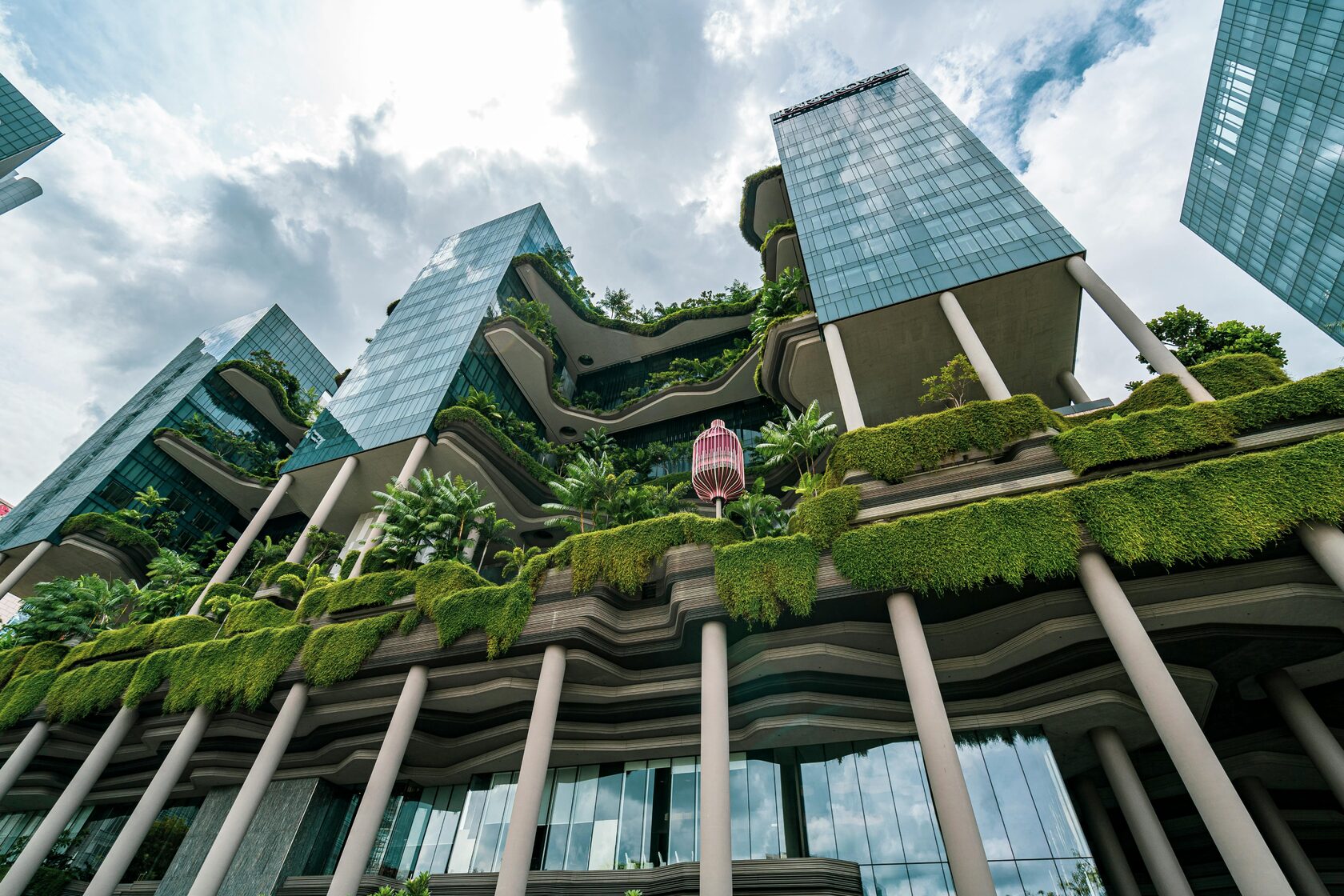
The global hospitality industry is standing at a critical juncture where traditional tourism models, often characterized by environmental degradation and cultural erosion, are being replaced by a more profound philosophy. While sustainability has long focused on minimizing negative impacts, a new wave of visionary architects and hoteliers is embracing regenerative design. This approach goes beyond neutrality to achieve a net-positive impact, ensuring that a hotel’s presence actually leaves the environment and its people healthier than they were before.
The Shift from Sustainability to Active Regeneration
Regenerative design thinking is a holistic approach that views a hotel as a functional part of a living ecosystem. Unlike conventional sustainable buildings that simply aim to reduce waste or energy use, regenerative properties act as restorative engines for their surroundings.
This movement is gaining significant momentum as travelers become more eco-conscious. A 2021 report from Booking.com revealed that 61% of travelers want to travel more sustainably, and studies by the Adventure Travel Trade Association (ATTA) show that regenerative tourists spend, on average, 20% more than traditional travelers. This increased expenditure directly benefits local economies, with some reports suggesting that regenerative models can boost local economic benefits by up to 30%.
This movement is gaining significant momentum as travelers become more eco-conscious. A 2021 report from Booking.com revealed that 61% of travelers want to travel more sustainably, and studies by the Adventure Travel Trade Association (ATTA) show that regenerative tourists spend, on average, 20% more than traditional travelers. This increased expenditure directly benefits local economies, with some reports suggesting that regenerative models can boost local economic benefits by up to 30%.
Core Principles of the Net-Positive Stay
At the heart of regenerative hospitality is the principle of net-positive impact. This means a hotel must restore the land it sits on, improve local air quality, and actively increase biodiversity. To achieve this, designers employ biophilic design, which integrates natural light, living walls, and organic materials to enhance guest well-being while physically connecting the built environment to nature.
Furthermore, these properties utilize closed-loop systems where waste is treated as a resource. Through advanced recycling, composting, and greywater treatment systems, regenerative hotels aim for a future where nothing is sent to a landfill and water is returned to the earth cleaner than when it was extracted.
Furthermore, these properties utilize closed-loop systems where waste is treated as a resource. Through advanced recycling, composting, and greywater treatment systems, regenerative hotels aim for a future where nothing is sent to a landfill and water is returned to the earth cleaner than when it was extracted.
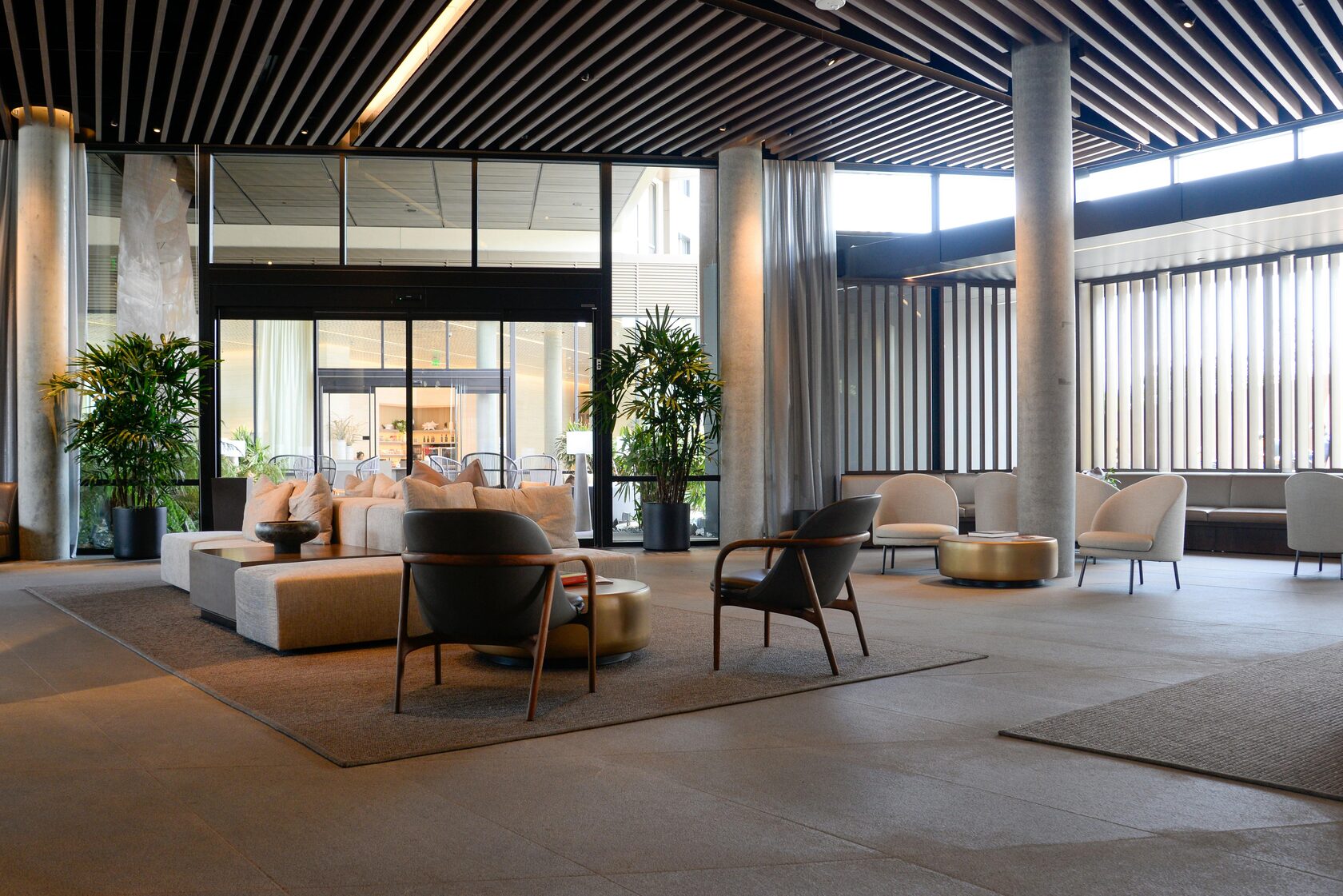
Restorative Landscaping and Indigenous Architecture in East Asia
Across East Asia, several pioneering projects are demonstrating how regenerative design can be successfully localized. In South Korea, some of the new Hanok-inspired luxury retreats are focusing on restorative landscaping, a process that involves removing invasive species and reintroducing native vegetation to rebuild natural habitats.
By using local, renewable materials for construction, these projects reduce transportation emissions while preserving the cultural and social integrity of the region. Similarly, in Japan, high-end Satoyama resorts are designed to work in symbiosis with traditional agricultural landscapes, ensuring that tourism supports the maintenance of local forests and water systems rather than exploiting them.
By using local, renewable materials for construction, these projects reduce transportation emissions while preserving the cultural and social integrity of the region. Similarly, in Japan, high-end Satoyama resorts are designed to work in symbiosis with traditional agricultural landscapes, ensuring that tourism supports the maintenance of local forests and water systems rather than exploiting them.
Economic Empowerment through Localized Supply Chains
Regenerative hotels act as catalysts for economic empowerment by deeply integrating with their communities. By sourcing up to 80% of goods and services locally, these establishments create jobs and support traditional crafts.
In Southeast Asia, regenerative eco-lodges are increasingly investing in capacity-building programs that equip local residents with high-value skills in hospitality and environmental management. This approach ensures that cultural preservation is not just a marketing tool but a living part of the guest experience, enriched by local storytelling, cuisine, and heritage.
In Southeast Asia, regenerative eco-lodges are increasingly investing in capacity-building programs that equip local residents with high-value skills in hospitality and environmental management. This approach ensures that cultural preservation is not just a marketing tool but a living part of the guest experience, enriched by local storytelling, cuisine, and heritage.
The Business Case for Regenerative Development
For developers, the move toward regeneration offers a powerful competitive advantage. While it may require a higher upfront investment, it results in long-term cost savings through energy-efficient systems and waste-recycling processes.
Moreover, regenerative spaces are inherently more resilient to natural disasters and climate change because they are designed to work with, rather than against, natural systems. There is also a significant human benefit: by incorporating clean air and greenery, these hotels promote the mental and physical wellness of both guests and employees, leading to higher satisfaction and brand loyalty.
Moreover, regenerative spaces are inherently more resilient to natural disasters and climate change because they are designed to work with, rather than against, natural systems. There is also a significant human benefit: by incorporating clean air and greenery, these hotels promote the mental and physical wellness of both guests and employees, leading to higher satisfaction and brand loyalty.
Environmental Restoration and Biodiversity
The environmental initiatives of regenerative hotels, such as reforestation and water conservation, contribute directly to the resilience of natural habitats. Utilizing green infrastructure, such as green roofs, not only improves energy efficiency but also creates essential habitats for local wildlife in increasingly urbanized areas.
By reducing the carbon footprint through sustainable materials and passive heating and cooling systems, the hospitality industry can move away from being a major polluter to becoming a protector of biodiversity and ecosystem health.
By reducing the carbon footprint through sustainable materials and passive heating and cooling systems, the hospitality industry can move away from being a major polluter to becoming a protector of biodiversity and ecosystem health.
A 2030 Vision for the Future of Travel
Looking ahead to 2030, the industry must fundamentally rethink growth. Unchecked expansion is contradictory to the principles of regeneration; therefore, the focus must shift from high-volume tourism to high-value, low-impact experiences. This transition requires leadership to embrace regeneration as a core philosophy rather than a response to external pressures. Collaboration between independent hotels, local communities, and global policy initiatives will be essential for creating a systemic shift in the travel industry. From remote eco-lodges to urban boutique hotels, every property has a role to play in supporting biodiversity and strengthening the cultural fabric of our world.
The era of the neutral hotel is fading. As we move toward a regenerative future, the most successful hospitality brands will be those that prove they can give back more than they take, turning every guest stay into an act of global restoration.
The era of the neutral hotel is fading. As we move toward a regenerative future, the most successful hospitality brands will be those that prove they can give back more than they take, turning every guest stay into an act of global restoration.