

In an increasingly saturated global hospitality market, accommodation in its simplest form has become a commodity. Clean linens, modern amenities, and a convenient location represent baseline expectations rather than competitive differentiators. A brand, however, is a distinct identity. It is what compels a traveler to choose one property over an identical room down the street.
When a hotel’s current identity no longer aligns with the guest experience, following major property renovations, or during a shift in ownership, a comprehensive rebrand becomes essential. Rebranding is not merely a visual refresh; it is a fundamental repositioning designed to maximize revenue, capture high-margin market segments, and protect asset value over the long term.
When a hotel’s current identity no longer aligns with the guest experience, following major property renovations, or during a shift in ownership, a comprehensive rebrand becomes essential. Rebranding is not merely a visual refresh; it is a fundamental repositioning designed to maximize revenue, capture high-margin market segments, and protect asset value over the long term.
When to Consider Rebranding
A successful rebrand requires precise timing and clear strategic intent. Hotel owners and asset managers should consider executing a rebrand during specific inflection points:
- Property Renovations or Expansion: A physical transformation of guest rooms, public areas, or amenities necessitates a brand identity that reflects the elevated physical product.
- Shifting Target Audience: Pivoting from a budget-focused segment to luxury, or transitioning from business travelers to lifestyle leisure guests, requires a complete alignment of messaging, aesthetics, and service delivery.
- Declining Occupancy and Revenue: Consistently depressed Average Daily Rates (ADR) or stagnant booking volumes signal an identity crisis, requiring repositioning to attract a new customer base.
- Management or Ownership Transitions: Bringing in a new management company or independent ownership group often prompts a fresh strategic vision.
- Outdated Brand Equity: When a property's digital footprint, visual collateral, and operational tone feel out of touch with modern traveler expectations, a strategic update revitalizes market relevance.
Rethinking the Execution Framework
Industry leaders increasingly view rebranding not as a single disruptive event, but as an evolving, space-by-space transition. Hospitality brand strategist and CEO of The WEEK & Resort, Leah Lee, emphasizes that a rebrand should be rooted in operational reality and living philosophy rather than massive capital outlay:
"A hotel owner should consider rebranding whenever they feel their brand is no longer alive, and the original philosophy behind it is no longer strong. Rebranding does not require spending billions of dollars or shutting down a hotel to reopen it overnight. A hotel is like a changing construction site where rebranding can happen gradually, space by space.
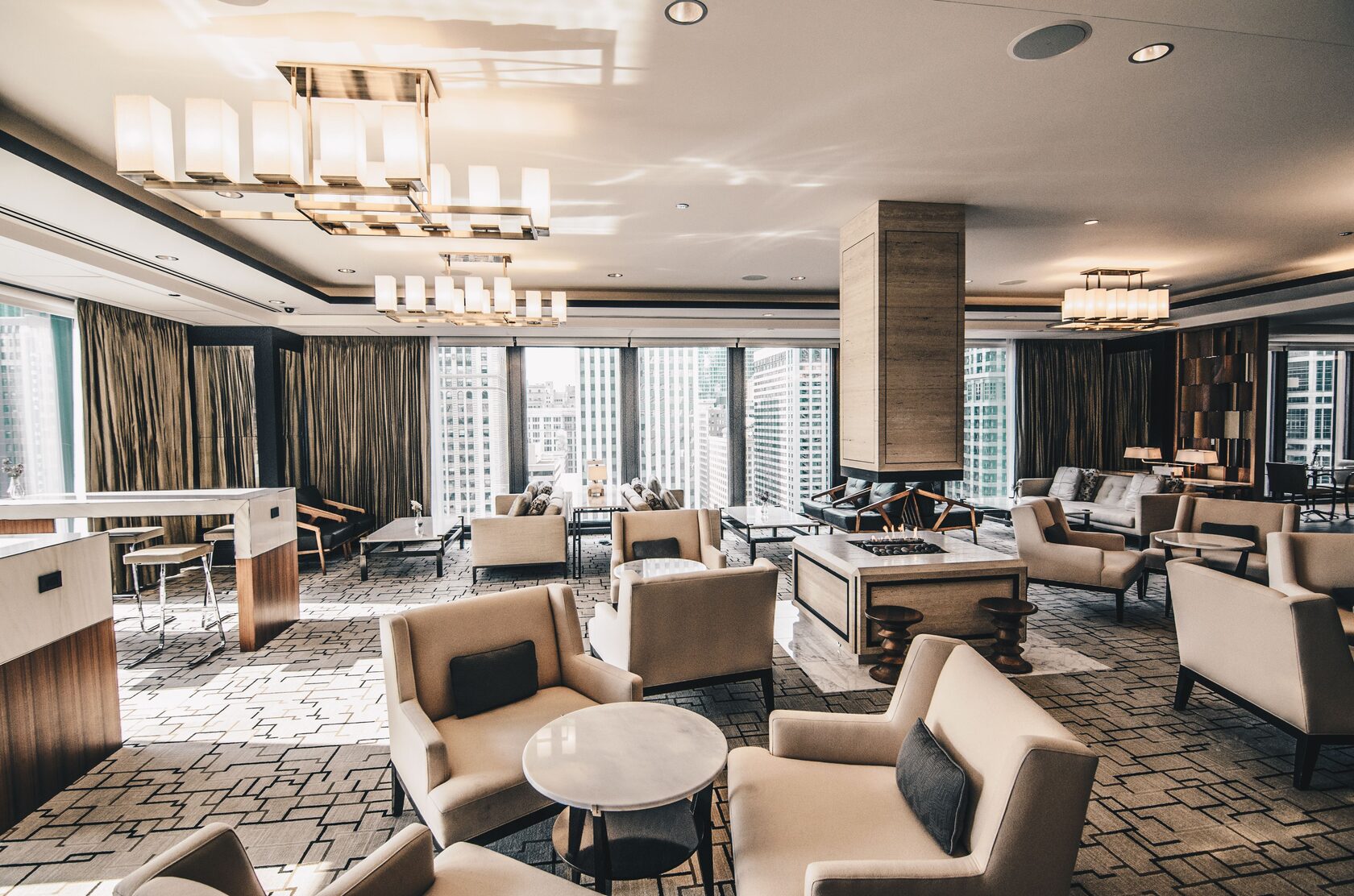
To execute a long-run rebrand, owners can collaborate with other brands that share a similar style and mindset, allowing them to cross-contaminate their markets. Rebranding can involve changing small details in different areas, such as introducing new content or changing a few pieces of furniture in the lobby. Altering how people sit and move through a space can completely change its atmosphere."
The Financial Mechanics: How Rebranding Maximizes Revenue
Strategic rebranding transforms a commoditized hotel into a high-value destination, granting the property pricing power that an outdated or misaligned identity cannot command.
1. Driving Premium Pricing Power (ADR Growth)
Aligning physical space, visual storytelling, and service delivery with lifestyle or luxury standards allows properties to command higher room rates. Modern travelers willingly pay a premium for cohesive, design-forward experiences over sterile alternatives. Furthermore, clear messaging and high-quality digital assets reduce booking friction, making higher price points easier to convert.
2. Capturing High-Yield Segments
Transitioning an asset toward a sleek, tech-forward, or wellness-oriented brand positions it to capture affluent demographics and lucrative corporate accounts. Guests attracted to a strong brand narrative spend more heavily on ancillary services, driving revenue across food and beverage outlets, spas, and curated retail spaces.
3. Lowering Customer Acquisition Costs (CAC)
A compelling, modern brand identity drives direct web traffic, enabling hotels to bypass expensive Online Travel Agency (OTA) commissions that range from 15% to 25% per reservation. The core economic progression is straightforward: a strong brand identity fosters direct booking intent, which directly reduces reliance on third-party channels and lowers OTA fees, ultimately yielding a higher operating margin for the asset. Highly aesthetic, experience-driven spaces also encourage organic user-generated content, creating a self-sustaining marketing engine through authentic social proof.
4. Maximizing Long-Term Asset Value
Physical Capital Expenditure (CapEx) investments lose financial impact if an outdated brand identity suppresses market perception. Rebranding resets the property's competitive set, allowing it to capture market share from higher-tier competitors. During real estate transactions, properties backed by contemporary, profitable, and well-positioned brands command significantly higher exit valuations.
1. Driving Premium Pricing Power (ADR Growth)
Aligning physical space, visual storytelling, and service delivery with lifestyle or luxury standards allows properties to command higher room rates. Modern travelers willingly pay a premium for cohesive, design-forward experiences over sterile alternatives. Furthermore, clear messaging and high-quality digital assets reduce booking friction, making higher price points easier to convert.
2. Capturing High-Yield Segments
Transitioning an asset toward a sleek, tech-forward, or wellness-oriented brand positions it to capture affluent demographics and lucrative corporate accounts. Guests attracted to a strong brand narrative spend more heavily on ancillary services, driving revenue across food and beverage outlets, spas, and curated retail spaces.
3. Lowering Customer Acquisition Costs (CAC)
A compelling, modern brand identity drives direct web traffic, enabling hotels to bypass expensive Online Travel Agency (OTA) commissions that range from 15% to 25% per reservation. The core economic progression is straightforward: a strong brand identity fosters direct booking intent, which directly reduces reliance on third-party channels and lowers OTA fees, ultimately yielding a higher operating margin for the asset. Highly aesthetic, experience-driven spaces also encourage organic user-generated content, creating a self-sustaining marketing engine through authentic social proof.
4. Maximizing Long-Term Asset Value
Physical Capital Expenditure (CapEx) investments lose financial impact if an outdated brand identity suppresses market perception. Rebranding resets the property's competitive set, allowing it to capture market share from higher-tier competitors. During real estate transactions, properties backed by contemporary, profitable, and well-positioned brands command significantly higher exit valuations.
Why Identity Transcends Physical Real Estate
Building a strong brand creates a sustainable competitive advantage across five key operational and commercial areas:
- Eliminating Price Wars: Without a distinct brand, a hotel competes strictly on room rate, leading to a margin-eroding race to the bottom. A strong brand shifts consumer focus from price to perceived value and emotional connection.
- De-Risking the Purchase: Booking a hotel is an act of trust where guests pay upfront for an unverified experience. A cohesive brand signals quality, safety, and operational consistency, reducing hesitation for first-time bookers.
- Building Lifetime Guest Value: Travelers form emotional attachments to stories, service cultures, and memorable atmospheres rather than raw real estate. A distinct brand experience fosters brand advocates who return regularly, lowering long-term marketing costs.
- Operational Alignment: A well-defined brand identity serves as an internal blueprint for staff behavior, uniform design, and guest interaction styles, attracting top hospitality talent and streamlining operational decision-making.
Strategic Rebranding in Action
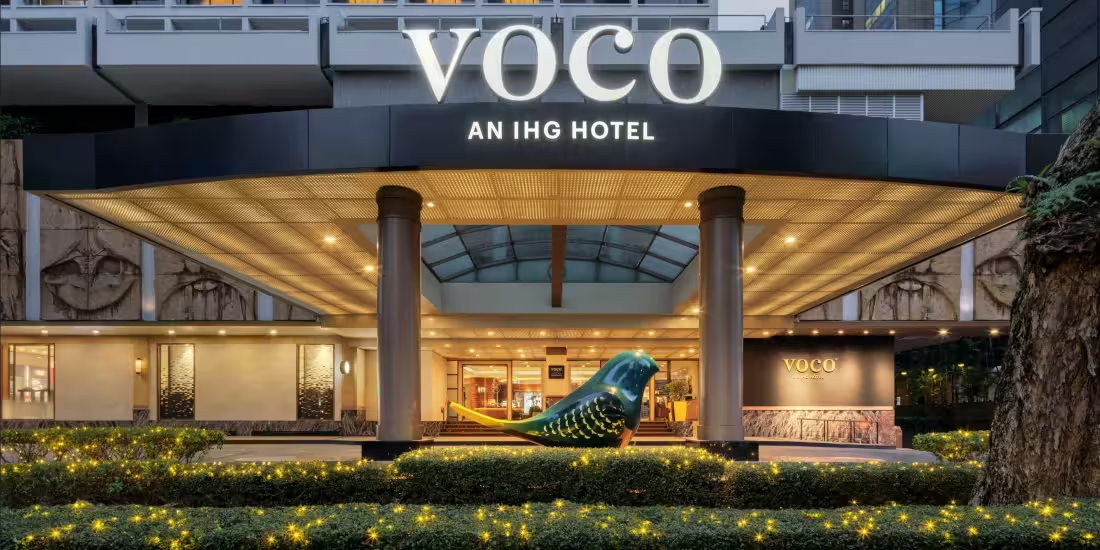
A clear example of a successful hotel rebranding in Southeast Asia is demonstrated by the transformation of the 51-year-old Hilton Singapore into voco Orchard Singapore by IHG Hotels & Resorts. The 423-room landmark property had been managed by Hilton since 1970. Following the conclusion of the prior management agreement, the property officially launched as voco Orchard Singapore on January 1, 2022, marking the brand's debut in Southeast Asia.
The successful conversion of voco Orchard Singapore relied on a zero-downtime overnight flag transition paired with a shift toward IHG's playful, informal "voco life" lifestyle positioning. By seamlessly integrating into IHG’s global loyalty network and revitalizing its F&B outlets and 1,750+ square meters of event spaces, the property rapidly captured returning corporate and leisure demand without pre-opening lag.
The successful conversion of voco Orchard Singapore relied on a zero-downtime overnight flag transition paired with a shift toward IHG's playful, informal "voco life" lifestyle positioning. By seamlessly integrating into IHG’s global loyalty network and revitalizing its F&B outlets and 1,750+ square meters of event spaces, the property rapidly captured returning corporate and leisure demand without pre-opening lag.

Another example is, in late 2021, Japan Hotel REIT Investment Corporation (JHR) took the bold counter-strategy of letting an international franchise agreement expire to birth a high-end indigenous brand variant: Oriental Hotel Okinawa Resort & Spa.
While the previous Marriott name carried international weight, the franchise framework restricted the property from tailoring its food, excursions, and aesthetic deeply around Okinawa’s unique sub-tropical culture. In response, JHR transitioned the property to "Oriental Hotel," the premier flagship brand of Hotel Management Japan. They transformed the massive central lobby into a lush, experiential "Yanbaru Forest" biome and localized the culinary programs.
Hotel rebranding is a high-leverage strategic tool that extends far beyond cosmetic updates. By systematically evaluating market demand, adjusting spatial dynamics, and building a living brand philosophy, hotel owners can bypass price competition, reduce distribution costs, and unlock sustained asset value growth in an evolving global market.
While the previous Marriott name carried international weight, the franchise framework restricted the property from tailoring its food, excursions, and aesthetic deeply around Okinawa’s unique sub-tropical culture. In response, JHR transitioned the property to "Oriental Hotel," the premier flagship brand of Hotel Management Japan. They transformed the massive central lobby into a lush, experiential "Yanbaru Forest" biome and localized the culinary programs.
Hotel rebranding is a high-leverage strategic tool that extends far beyond cosmetic updates. By systematically evaluating market demand, adjusting spatial dynamics, and building a living brand philosophy, hotel owners can bypass price competition, reduce distribution costs, and unlock sustained asset value growth in an evolving global market.