
Beyond the Golden Route: Secondary Cities Drive Japan’s Next Hospitality Boom
08.09.2026
The narrative of Japan’s tourism sector is undergoing a profound structural evolution. For decades, institutional capital and international travelers converged almost exclusively on the "Golden Route", the hyper-connected corridor linking Tokyo, Kyoto, and Osaka. However, that concentrated model has hit a wall. Sky-high room rates, severe urban overtourism, compressed net yields, and targeted municipal tax interventions in major metros are driving a massive wave of capital and traveler dispersion across the archipelago.
As regional travel shifts from a niche interest into the primary growth driver of the national market, projected to expand steadily toward USD 49.34 billion, secondary cities, coastal retreats, and mountain prefectures are emerging as high-margin frontiers for hotel operators and real estate underwriters.
As regional travel shifts from a niche interest into the primary growth driver of the national market, projected to expand steadily toward USD 49.34 billion, secondary cities, coastal retreats, and mountain prefectures are emerging as high-margin frontiers for hotel operators and real estate underwriters.
Market Drivers Fueling the Regional Shift
The movement of travelers and investment funds beyond primary urban hubs is being accelerated by three distinct forces:
1. Overtourism Interventions in Tier-1 Metros
Major tourist centers have implemented aggressive friction policies to manage congestion. In Kyoto, multi-tiered lodging taxes and strict enforcement on vacation rentals have significantly elevated the cost of staying in the city center. Simultaneously, state-supported dual-pricing frameworks, such as Himeji Castle charging non-resident foreign tourists more than double the local admission rate, are sending clear signals. This regulatory and economic friction creates a natural displacement effect, diverting cost-conscious domestic travelers and adventurous foreign visitors toward regional alternatives.
2. Explosive Regional ADR and Land Value Gains
Data from hospitality analytics tracking reveals that rural and secondary prefectures are recording the nation's sharpest percentage increases in Average Daily Rates (ADR). Prefectures such as Aomori (+58.9%) and Ibaraki (+51.8%) have seen ADR surges as international visitors disperse outward. Concurrently, real estate values in resort and secondary hubs like Hakuba (+29.3%) and Takayama (+28.1%) are climbing rapidly, offering attractive capital appreciation alongside operating yields.
3. The Search for Authentic, Low-Density Experiences
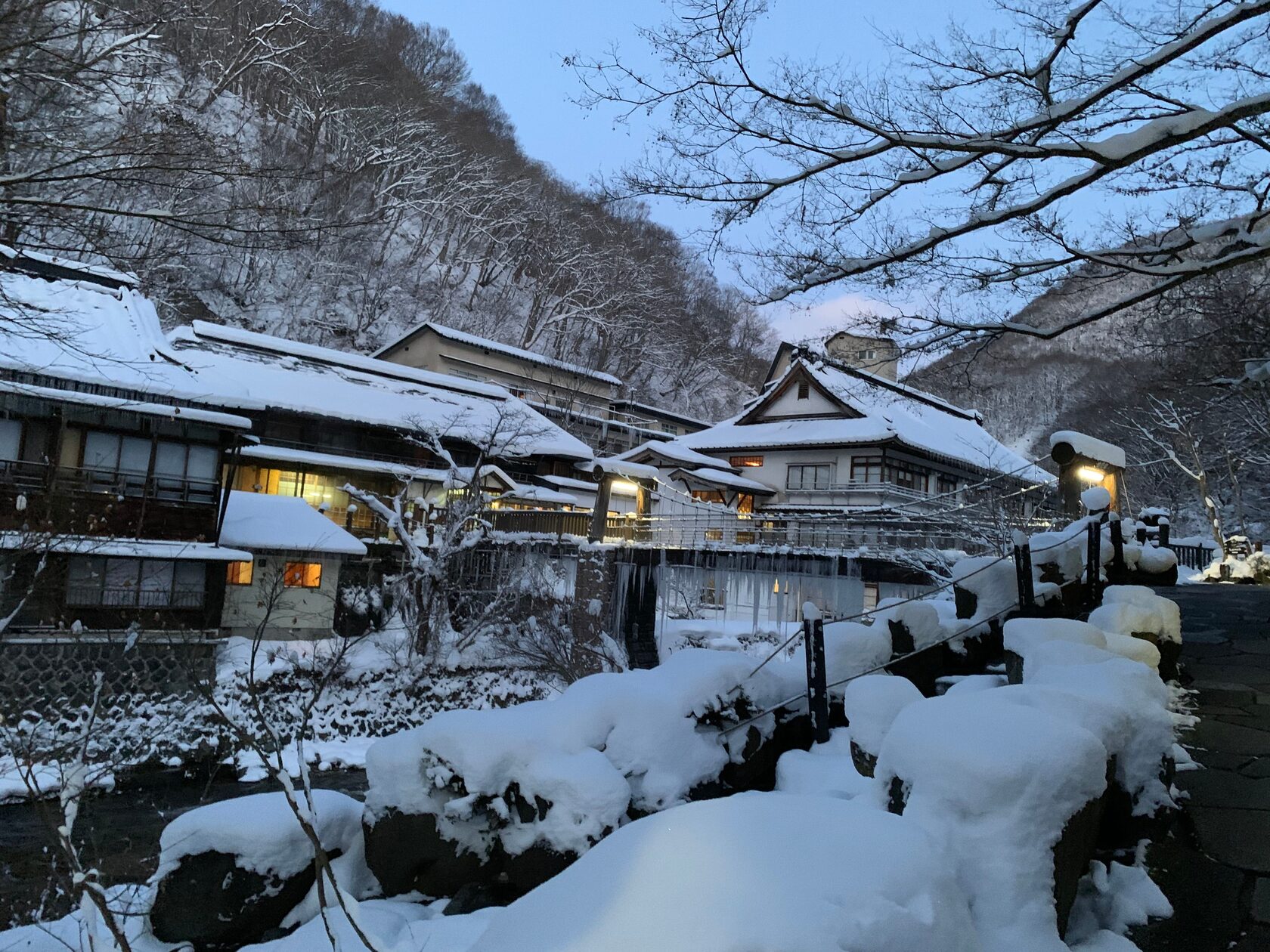
Travel behavior is pivoting away from landmark-checking toward immersion. Booking engine metrics show that search volumes for secondary destinations are growing roughly 15% faster than for traditional hubs. Repeat visitors are actively seeking uncrowded destinations rich in natural landscapes, traditional hot spring (onsen) culture, regional gastronomy, and contemporary art, benefiting regions like the Setouchi Inland Sea and the Tohoku region.
High-Growth Secondary Clusters
Investment pipelines and consumer search metrics highlight several rapidly expanding regional hotspots:
- Takamatsu & Shikoku: Driven by improved regional flight connectivity and island-hopping art tours across Setouchi, search interest has surged by over 600% during peak travel seasons, spurring boutique and midscale hotel developments.
- Kanazawa & Beppu: Experiencing search growth exceeding 200% to 300%, these cities serve as primary alternatives to Kyoto for heritage culture and wellness-focused hot spring resets.
- Hokkaido (Furano, Niseko): Evolving beyond winter ski dominance into year-round luxury nature retreats, anchored by branded residential condominiums and eco-resorts.
- Okinawa (Miyakojima & Surrounding Islands): Experiencing high-end beach-resort development, highlighted by ultra-luxury villa debuts like Rosewood Miyakojima, catering to long-stay international travelers.
Evolving Accommodation Formats
To capture dispersing demand while navigating Japan's structural labor shortages, hotel formats in secondary markets are rapidly innovating:
- Differentiated Luxury & Onsen Modernization: Traditional accommodation formats are being institutionalized. Domestic heavyweight Hoshino Resorts is scaling its modern onsen brand, KAI, with targeted regional openings like KAI Kusatsu (Gunma) and KAI Zao (Yamagata) to accommodate foreign visitors seeking bathhouse culture.
- Vacation Rentals & Whole-House Buyouts: In coastal and mountainous prefectures like Shizuoka's Izu Peninsula, whole-house vacation rentals and single-room villa setups represent over 45% of new accommodation openings. Multi-generational and long-stay travelers are favoring whole-property buyouts, delivering steady yield opportunities for asset owners.
- Midscale Automation: In secondary business hubs like Fukuoka and Hiroshima, operators are deploying digital check-in kiosks and smart management systems. This technology offsets persistent local labor constraints while maintaining attractive, competitive pricing.
The Operator Playbook: International Networks vs. Domestic Masters
The expansion into secondary markets features two contrasting strategies as global brands and domestic operators compete for regional market share. While international brands utilize asset-light management or franchise contracts to expand rapidly through loyalty program distribution, domestic operators leverage local asset ownership, cultural heritage, and deep operating histories.
The International Playbook: Global Loyalty and Conversion Scale
International hotel groups utilize asset-light management and franchise agreements to build scale through two approaches:
The Domestic Playbook: Cultural Heritage and Real Estate Access
Domestic operators leverage their understanding of complex local zoning, historical onsen water rights, and municipal partnerships:
In high-end onsen resorts, domestic operators maintain a dominant edge because foreign brands struggle to replicate authentic omotenashi (hospitality) and bathhouse culture. Conversely, international brands lead the midscale inbound segment, where foreign tourists prefer predictable amenities, English-speaking staff, and loyalty point rewards.
The International Playbook: Global Loyalty and Conversion Scale
International hotel groups utilize asset-light management and franchise agreements to build scale through two approaches:
- The Blanket Strategy: Marriott International continues its expansion, operating over 120 properties across more than 30 prefectures. By establishing midscale footprints like Fairfield by Marriott alongside regional roadside rest stations (Michi-no-Eki), they channel international loyalty members directly into rural areas. Similarly, IHG Hotels & Resorts executed a major regional portfolio conversion with Gaw Capital Group, rapidly rebranding 14 regional assets to scale midscale flags like Garner and Holiday Inn Express.
- The Pinpoint Strategy: Global operators selectively plant luxury and lifestyle anchors in key regional cities. Examples include Hyatt Centric Sapporo, Andaz Hiroshima, and ultra-luxury coastal sanctuaries like Rosewood Miyakojima.
The Domestic Playbook: Cultural Heritage and Real Estate Access
Domestic operators leverage their understanding of complex local zoning, historical onsen water rights, and municipal partnerships:
- Cultural Preservation: Hoshino Resorts leads regional revitalization with its goal of scaling its KAI brand to 30 properties by 2030, alongside historic preservation initiatives like HOSHINOYA Asuka in Nara.
- Railway and Transport Integration: Railway-affiliated hotel groups (Tokyu, Sotetsu, Hankyu) and developers like Mitsubishi Estate (with its WAYPOINT apartment-hotel brand) build properties directly adjacent to regional Shinkansen stations, securing steady corporate and domestic leisure volume.
- Volume Leadership: Domestic economy giants like APA Group dominate secondary business hubs (Toyama, Okayama) through an owner-builder model, bypassing construction delays that slow foreign greenfield developments.
In high-end onsen resorts, domestic operators maintain a dominant edge because foreign brands struggle to replicate authentic omotenashi (hospitality) and bathhouse culture. Conversely, international brands lead the midscale inbound segment, where foreign tourists prefer predictable amenities, English-speaking staff, and loyalty point rewards.
National Policy: Government Incentives Accelerating Dispersion
Recognizing that overtourism threatens urban livability while rural regions face economic contraction, the Japanese government’s Tourism Nation Promotion Basic Plan prioritizes geographic value redistribution over raw volume.
The expansion of Japan’s hotel market into secondary and tertiary cities marks a permanent evolution in the nation’s tourism economy. Driven by traveler demand for authentic experiences, favorable regional cap rates for institutional capital, and active policy support from municipal and national authorities, regional Japan has established itself as an essential frontier for value-add real estate investment. As global networks expand their footprints and domestic operators deepen their cultural roots, secondary destinations will continue to serve as the primary growth engine for Japan’s hospitality sector in the years ahead.
- The Increased Departure Tax: The International Tourist Tax (Departure Tax) provides a direct funding mechanism for regional growth. Revenue generated is channeled into regional infrastructure, multilingual signage, nature preserve maintenance, and the modernization of traditional ryokans across designated regional areas.
- Targeted Model Clusters: Under the 14 "Model Destinations" initiative, regional clusters, such as Kagoshima (promoted for volcanoes and hot springs) and the Setouchi Inland Sea region, receive concentrated state subsidies to upgrade historical accommodations and implement high-value English guiding programs.
- Strategic Urban Push Policies: The national government actively supports municipal lodging taxes in tier-1 hubs and venue dual-pricing frameworks, intentionally creating economic friction in cities like Tokyo and Kyoto to push tourist traffic outward.
The expansion of Japan’s hotel market into secondary and tertiary cities marks a permanent evolution in the nation’s tourism economy. Driven by traveler demand for authentic experiences, favorable regional cap rates for institutional capital, and active policy support from municipal and national authorities, regional Japan has established itself as an essential frontier for value-add real estate investment. As global networks expand their footprints and domestic operators deepen their cultural roots, secondary destinations will continue to serve as the primary growth engine for Japan’s hospitality sector in the years ahead.