
📌 3 Key Takeaways
- Maximizing Non-Room Revenue via TRevPAR: Driving total asset yield requires looking beyond room rates to monetize public spaces—turning lobby hubs into daily destinations for local dining, co-working, and events.
- Converting Local Footfall into Commercial Resilience: Engaging the surrounding neighborhood builds a steady, year-round revenue stream that protects net profits during off-peak travel seasons.
- Removing Operational Friction at Arrival: Replacing formal front desks with welcoming, bar-based check-ins establishes immediate guest rapport and accelerates on-property spending from minute one.
In Southeast Asia’s hyper-dynamic hotel markets, traditional hospitality blueprints are rapidly ceding ground to lifestyle-driven environments. Modern commercial growth no longer relies on static luxury amenities or rigid corporate service formulas. Instead, asset performance is increasingly defined by social gravity, a hotel's ability to draw in local urban subcultures, blend work with social play, and convert every square meter into a multi-channel revenue generator.
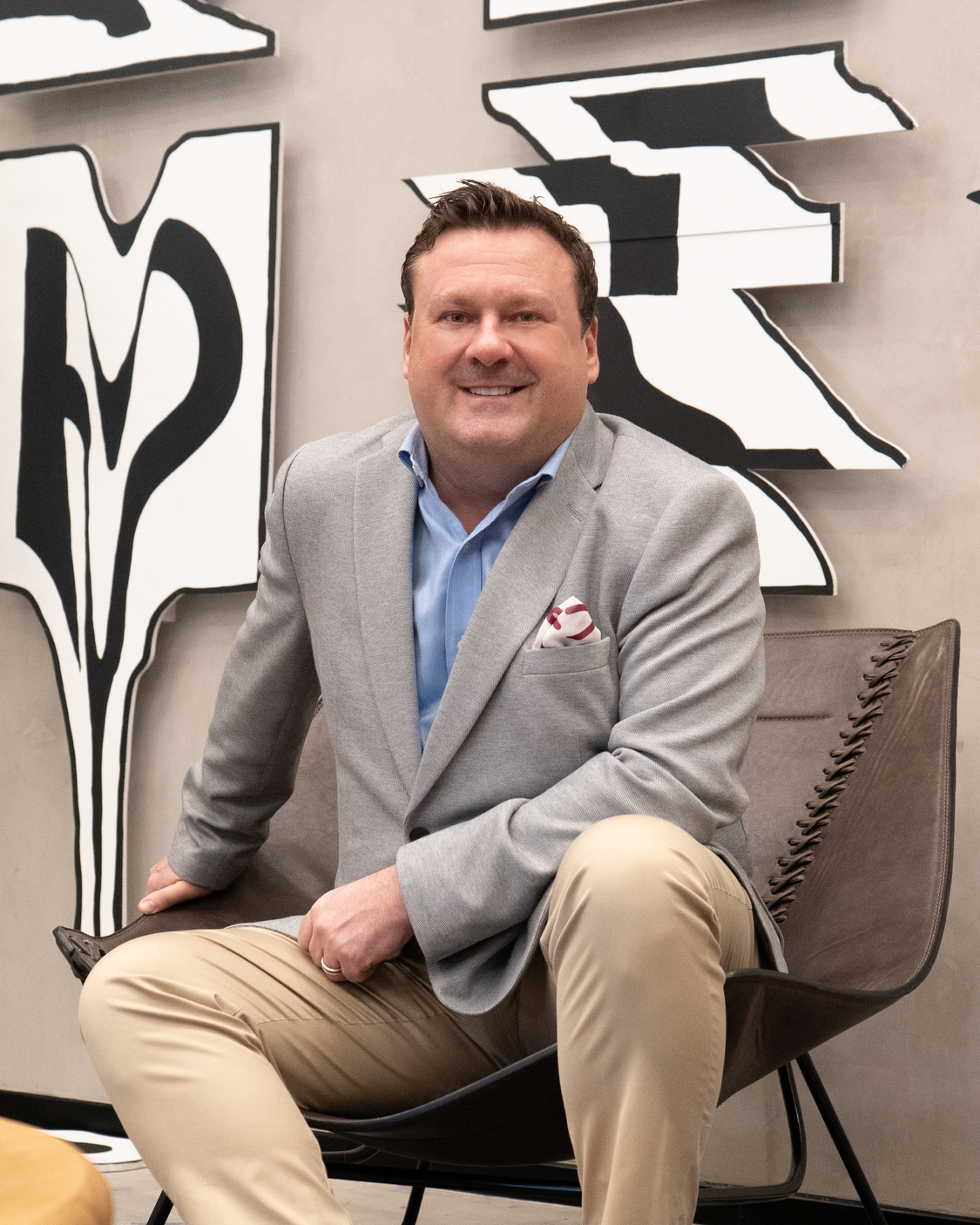
Taking the helm of this operational shift is Ross Park, Captain (General Manager) of the 504-room Moxy Bangkok Ratchaprasong. Park brings a strategic blend of commercial expertise and sales leadership to Thailand’s first and Asia Pacific's largest Moxy hotel under Marriott International lifestyle brand. In this exclusive interview, Park outlines his strategic approach to driving Total Revenue Per Available Room (TRevPAR), breaking down legacy operational friction, and building a flexible, community-centric environment where authentic human connection remains the ultimate commercial advantage.
Taking the helm of this operational shift is Ross Park, Captain (General Manager) of the 504-room Moxy Bangkok Ratchaprasong. Park brings a strategic blend of commercial expertise and sales leadership to Thailand’s first and Asia Pacific's largest Moxy hotel under Marriott International lifestyle brand. In this exclusive interview, Park outlines his strategic approach to driving Total Revenue Per Available Room (TRevPAR), breaking down legacy operational friction, and building a flexible, community-centric environment where authentic human connection remains the ultimate commercial advantage.
The Lifestyle Commercial Model & TRevPAR Strategy
Q: Traditional hotel models rely almost exclusively on room night volume and static dining. How does a lifestyle hotel leverage social gravity to balance transient guest revenue with local community spend?
Ross Park: A successful lifestyle property cannot exist solely for out-of-town travelers; it must function as an integral piece of the local neighborhood fabric. When local residents, office workers, and city visitors choose to spend their time alongside staying guests, the hotel transforms into a self-sustaining destination.
At our property, we sit in a prime urban crossroad. Whether local professionals pop in for a morning coffee, meet friends after work, or visit our newly opened rooftop venue ‘Sato San’ for drinks, that shared footfall builds a far more resilient business model. On guest channels, the word "vibe" appears constantly. That feeling is impossible to mandate artificially; it is generated organically by our Crew and sustained by the local community choosing to spend their time with us.
Q: Capital markets are actively shifting focus from traditional RevPAR (Room Revenue) to TRevPAR (Total Revenue Per Available Room). Where are the biggest opportunities to monetize the guest journey beyond the guestroom?
Ross Park: The commercial journey should never begin and end at the guestroom door. Every social corner, collaborative project, pop-up space, and dining concept represents an opportunity to add tangible value. By offering multi-layered experiences that encourage people to linger longer, connect, and return, you capture higher incremental spend. When frontline teams are given the creative freedom to experiment with unique activations, that natural curiosity drives revenue across the entire floor plan.
Q: Real estate developers and institutional investors are increasingly allocating capital away from rigid corporate formats toward lifestyle assets. What macro-market behaviors are backing this investment shift?
Ross Park: Modern consumer attitudes toward physical real estate have shifted dramatically. Look at contemporary urban residential design: private apartment footprints are getting smaller, while communal social facilities are expanding. Travelers now happily trade personal square footage for dynamic, well-curated shared environments. Lifestyle hospitality mirrors this trend. Flexible real estate, authentic local connections, and social spaces generate lasting memories, making lifestyle assets far more adaptable and commercially attractive to institutional investors.
Ross Park: A successful lifestyle property cannot exist solely for out-of-town travelers; it must function as an integral piece of the local neighborhood fabric. When local residents, office workers, and city visitors choose to spend their time alongside staying guests, the hotel transforms into a self-sustaining destination.
At our property, we sit in a prime urban crossroad. Whether local professionals pop in for a morning coffee, meet friends after work, or visit our newly opened rooftop venue ‘Sato San’ for drinks, that shared footfall builds a far more resilient business model. On guest channels, the word "vibe" appears constantly. That feeling is impossible to mandate artificially; it is generated organically by our Crew and sustained by the local community choosing to spend their time with us.
Q: Capital markets are actively shifting focus from traditional RevPAR (Room Revenue) to TRevPAR (Total Revenue Per Available Room). Where are the biggest opportunities to monetize the guest journey beyond the guestroom?
Ross Park: The commercial journey should never begin and end at the guestroom door. Every social corner, collaborative project, pop-up space, and dining concept represents an opportunity to add tangible value. By offering multi-layered experiences that encourage people to linger longer, connect, and return, you capture higher incremental spend. When frontline teams are given the creative freedom to experiment with unique activations, that natural curiosity drives revenue across the entire floor plan.
Q: Real estate developers and institutional investors are increasingly allocating capital away from rigid corporate formats toward lifestyle assets. What macro-market behaviors are backing this investment shift?
Ross Park: Modern consumer attitudes toward physical real estate have shifted dramatically. Look at contemporary urban residential design: private apartment footprints are getting smaller, while communal social facilities are expanding. Travelers now happily trade personal square footage for dynamic, well-curated shared environments. Lifestyle hospitality mirrors this trend. Flexible real estate, authentic local connections, and social spaces generate lasting memories, making lifestyle assets far more adaptable and commercially attractive to institutional investors.
Dismantling Traditional Operational Rules
Q: The hospitality industry spent a century perfecting the formal front desk. From an operational standpoint, how does shifting check-in to a social bar environment alter the guest relationship?
Ross Park: The initial conversation sets the tone for the entire stay. Replacing a rigid front desk with a social bar arrival completely changes guest psychology. Instead of feeling like they are entering a transactional corporate space, guests immediately feel integrated into the venue's social energy. By turning arrival into a relaxed, welcoming interaction, you immediately dismantle the invisible wall between staff and guests. That first touchpoint sets an approachable tone for the rest of their stay.
Q: Managing a public hub that functions simultaneously as a co-working space, dining area, and evening venue can create operational friction. How do you keep shared spaces active 24/7 without alienating different guest profiles?
Ross Park: A well-designed lifestyle hotel should never force guests to adapt to the space; the physical space must adapt to the guest. Over the course of 24 hours, a lobby hub naturally evolves from early-morning laptop sessions to afternoon coffee and evening cocktails.
To maintain that fluid balance without friction, layout architecture is everything. Guests seeking quiet focus can retreat to dedicated spaces like our Library + Plug-In zones, while those looking to socialize can gather in the main lounge, outdoor garden terrace, or rooftop bar. Offering varied, intuitive zones ensures every guest engages with the property on their own terms.
Q: How do you maintain operational consistency across a large-scale property while giving the team room to express personality and spontaneity?
Ross Park: Operational consistency does not require corporate sameness. Guests expect flawless baseline service standards, but they also want local character, distinct personality, and moments that bring a smile. The goal is not to standardize every hotel so it looks identical. It is about ensuring the brand DNA remains unmistakable while reflecting the distinct subculture of the local neighborhood. That is how you deliver experiences that are globally recognizable yet genuinely local.
Q: In an era dominated by mobile keys, automated check-in, and guest-facing tech, how do you prevent digital automation from stripping the human warmth out of hospitality?
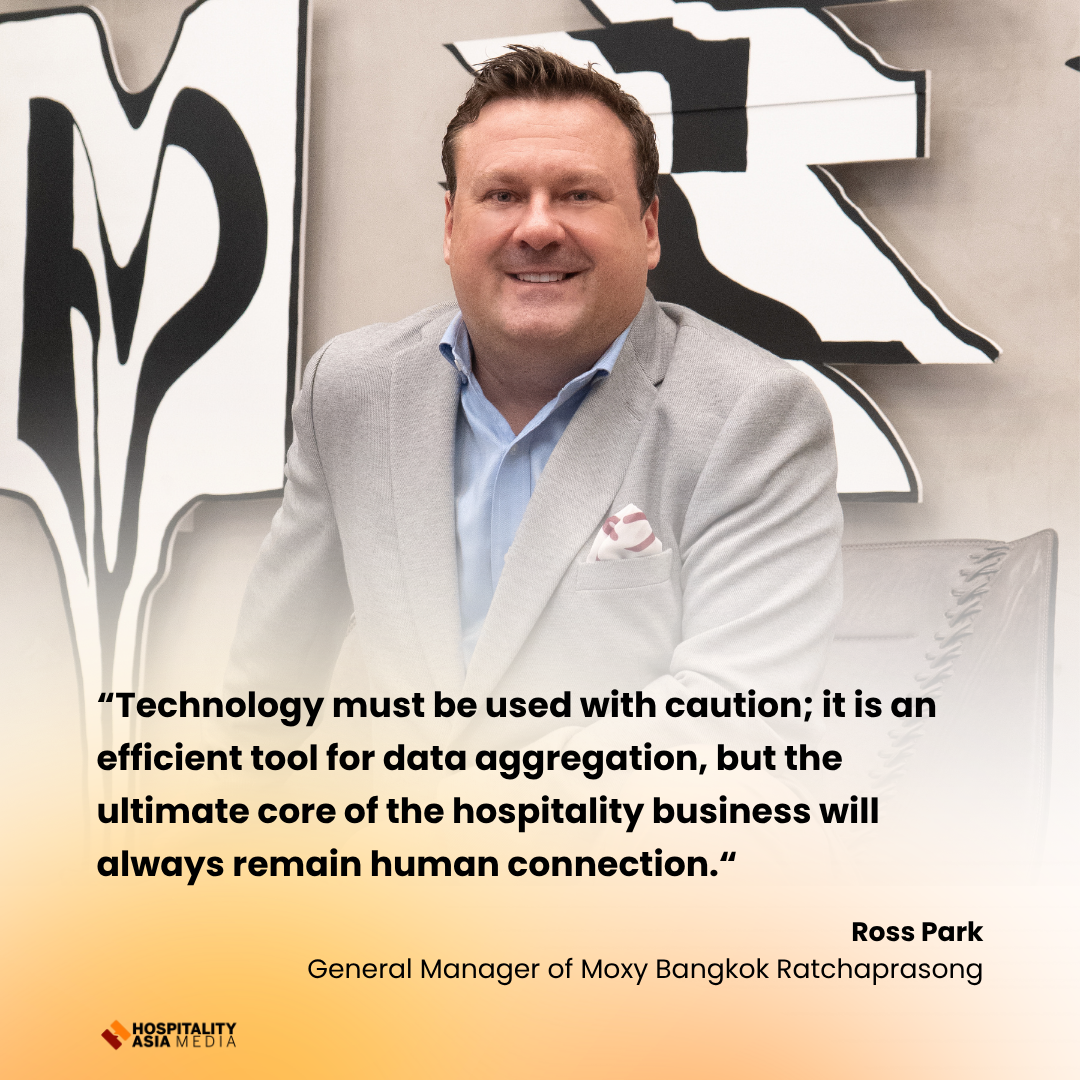
Ross Park: Technology should be used to eliminate operational friction, never to replace personality or human DNA. We deploy tech, from high-speed in-room streaming to digital WhatsApp room keys, to streamline processes. The goal of automation is to handle administrative tasks in the background, freeing up our Crew to engage in real conversations and build rapport. Technology gets guests into the hotel; genuine human interactions give them a reason to return.
Ross Park: The initial conversation sets the tone for the entire stay. Replacing a rigid front desk with a social bar arrival completely changes guest psychology. Instead of feeling like they are entering a transactional corporate space, guests immediately feel integrated into the venue's social energy. By turning arrival into a relaxed, welcoming interaction, you immediately dismantle the invisible wall between staff and guests. That first touchpoint sets an approachable tone for the rest of their stay.
Q: Managing a public hub that functions simultaneously as a co-working space, dining area, and evening venue can create operational friction. How do you keep shared spaces active 24/7 without alienating different guest profiles?
Ross Park: A well-designed lifestyle hotel should never force guests to adapt to the space; the physical space must adapt to the guest. Over the course of 24 hours, a lobby hub naturally evolves from early-morning laptop sessions to afternoon coffee and evening cocktails.
To maintain that fluid balance without friction, layout architecture is everything. Guests seeking quiet focus can retreat to dedicated spaces like our Library + Plug-In zones, while those looking to socialize can gather in the main lounge, outdoor garden terrace, or rooftop bar. Offering varied, intuitive zones ensures every guest engages with the property on their own terms.
Q: How do you maintain operational consistency across a large-scale property while giving the team room to express personality and spontaneity?
Ross Park: Operational consistency does not require corporate sameness. Guests expect flawless baseline service standards, but they also want local character, distinct personality, and moments that bring a smile. The goal is not to standardize every hotel so it looks identical. It is about ensuring the brand DNA remains unmistakable while reflecting the distinct subculture of the local neighborhood. That is how you deliver experiences that are globally recognizable yet genuinely local.
Q: In an era dominated by mobile keys, automated check-in, and guest-facing tech, how do you prevent digital automation from stripping the human warmth out of hospitality?
Ross Park: Technology should be used to eliminate operational friction, never to replace personality or human DNA. We deploy tech, from high-speed in-room streaming to digital WhatsApp room keys, to streamline processes. The goal of automation is to handle administrative tasks in the background, freeing up our Crew to engage in real conversations and build rapport. Technology gets guests into the hotel; genuine human interactions give them a reason to return.
Decoding the Next-Gen Consumer & Future Horizons
Q: Younger demographics view traditional luxury tropes, like opulent marble lobbies or rigid formality, as outdated. How do you define modern luxury for today's traveler?
Ross Park: Modern luxury has evolved from what a property has to how a space makes a guest feel. High-end design, local cultural relevance, music, and approachable service create a much deeper impact than expensive, formal fixtures. We don't attempt to impress guests with rigid formality. Instead, we deliver quality hardware, seamless tech infrastructure, and win guests over through personality, unexpected touches, and spaces built for real connection.
Q: The line between work and leisure has blurred completely. What adjustments keep daytime spaces active and revenue-generating during traditionally quiet hours?
Ross Park: Modern travelers no longer divide work and leisure into rigid time slots. Corporate guests frequently extend stays into weekend leisure, bringing family or friends along. Hotels must support these hybrid habits naturally, creating environments where productivity, dining, and relaxation co-exist seamlessly without forcing guests to change locations. By designing central hubs where laptops, games, informal meetings, and coffee share the same room, public spaces stay active and financially productive all day.
Q: Today's consumers are quick to spot staged, superficial "photo-ops." What is your strategy for curating activations that feel authentically tied to the city's urban subculture?
Ross Park: The best guest experiences are curated for human beings, not for algorithms. Building static photo spots is unnecessary. Instead, we focus on driving authentic social moments through local music collaborations, bold culinary events, and local art partnerships. When guests are having a great time, the visual storytelling and organic social sharing take care of themselves.
Q: Looking five years ahead, what legacy hotel rules are set to disappear as lifestyle hospitality continues to dominate major global markets?
Ross Park: The old rules that strictly divided hotels into separate zones for sleeping, dining, or working, and forced staff into departmental silos, will continue to dissolve. The future of hospitality belongs to operational models that blend these experiences effortlessly.
Our Crew members are cross-trained to engage with every guest profile, regardless of age or background. Whether a guest is 17 or 71, if they are curious, social, and eager to discover new experiences, they feel completely integrated or we call them ‘Fun Hunters’. The properties that win over the next decade won't just sell room nights; they will operate as vibrant community hubs where people genuinely want to spend time.
Ross Park: Modern luxury has evolved from what a property has to how a space makes a guest feel. High-end design, local cultural relevance, music, and approachable service create a much deeper impact than expensive, formal fixtures. We don't attempt to impress guests with rigid formality. Instead, we deliver quality hardware, seamless tech infrastructure, and win guests over through personality, unexpected touches, and spaces built for real connection.
Q: The line between work and leisure has blurred completely. What adjustments keep daytime spaces active and revenue-generating during traditionally quiet hours?
Ross Park: Modern travelers no longer divide work and leisure into rigid time slots. Corporate guests frequently extend stays into weekend leisure, bringing family or friends along. Hotels must support these hybrid habits naturally, creating environments where productivity, dining, and relaxation co-exist seamlessly without forcing guests to change locations. By designing central hubs where laptops, games, informal meetings, and coffee share the same room, public spaces stay active and financially productive all day.
Q: Today's consumers are quick to spot staged, superficial "photo-ops." What is your strategy for curating activations that feel authentically tied to the city's urban subculture?
Ross Park: The best guest experiences are curated for human beings, not for algorithms. Building static photo spots is unnecessary. Instead, we focus on driving authentic social moments through local music collaborations, bold culinary events, and local art partnerships. When guests are having a great time, the visual storytelling and organic social sharing take care of themselves.
Q: Looking five years ahead, what legacy hotel rules are set to disappear as lifestyle hospitality continues to dominate major global markets?
Ross Park: The old rules that strictly divided hotels into separate zones for sleeping, dining, or working, and forced staff into departmental silos, will continue to dissolve. The future of hospitality belongs to operational models that blend these experiences effortlessly.
Our Crew members are cross-trained to engage with every guest profile, regardless of age or background. Whether a guest is 17 or 71, if they are curious, social, and eager to discover new experiences, they feel completely integrated or we call them ‘Fun Hunters’. The properties that win over the next decade won't just sell room nights; they will operate as vibrant community hubs where people genuinely want to spend time.
About Ross Park
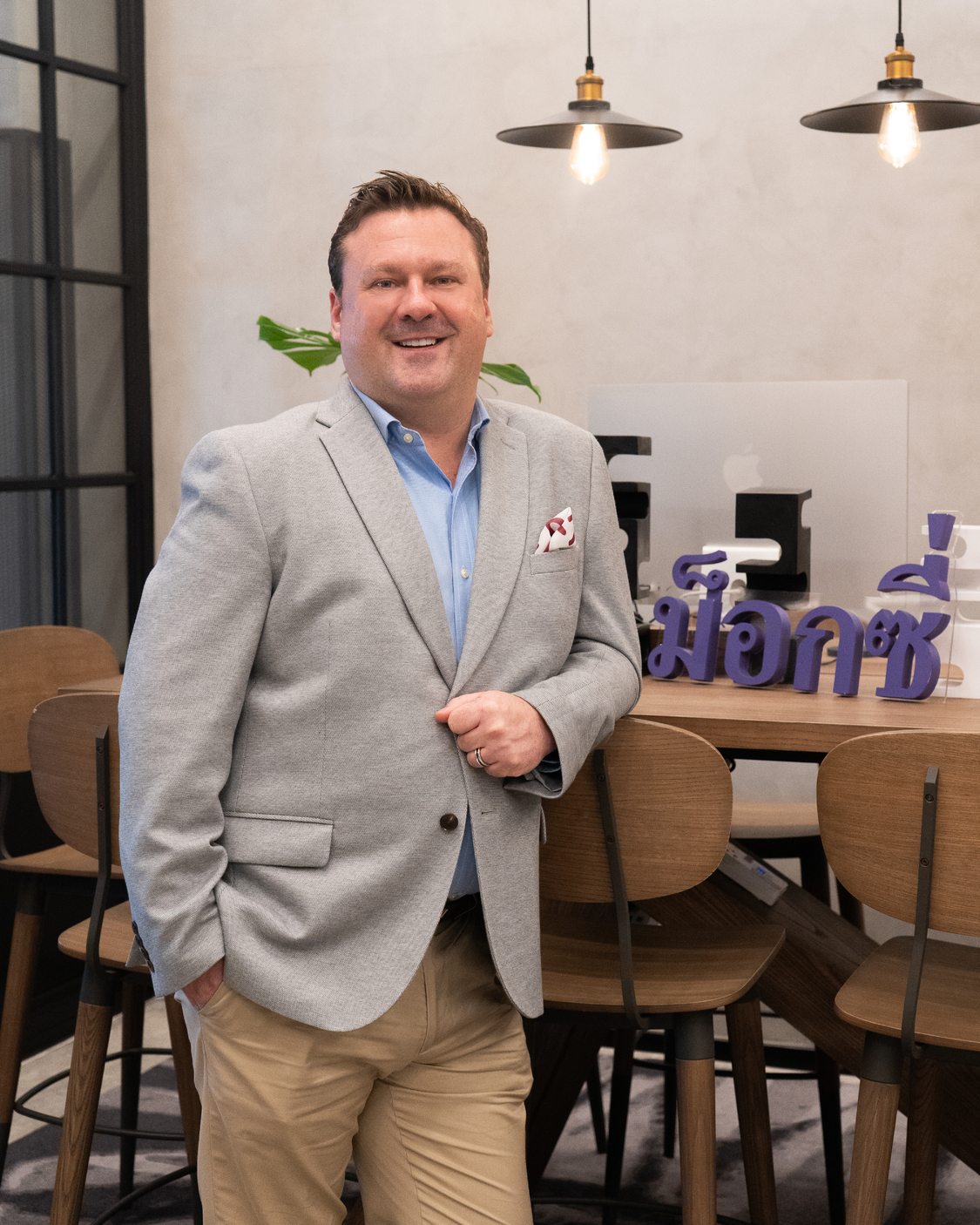
Ross Park is the Captain (General Manager) of Moxy Bangkok Ratchaprasong, leading the operational, commercial, and experiential positioning for the 504-room lifestyle property, Asia's largest hotel under the brand. A hotelier with deep commercial expertise across sales, marketing, and rooms management, Park joined Marriott in 2016 and has built an extensive executive track record across luxury and lifestyle brands.