
Q3 2026 Financial Results: Resilient Global Fee Momentum Meets Shifting Asia-Pacific Market Dynamics for Ascott, Hyatt, and Hilton
30.10.2026
The third-quarter financial updates for 2026 illustrate strong overall operating momentum among global lodging heavyweights, alongside active capital rotation and asset-light fee expansion. CapitaLand Ascott Trust (CLAS), Hyatt Hotels Corporation, and Hilton Worldwide all demonstrated operational resilience, supported by sustained leisure demand, recovering corporate travel, and healthy development pipelines.
Yet, a closer look at the Asia-Pacific (APAC) market reveals a dynamic, multi-layered environment. While international gateway markets such as Japan and Southeast Asia delivered robust pricing power and operational upside, Greater China posted more moderate sequential growth, and asset managers actively reconstituted portfolios to lock in long-term yields.
Global Performance Highlights (Q3 2026)
Across global portfolios, asset-light fee streams and disciplined capital allocation remained the primary catalysts for bottom-line expansion in Q3 2026.
Hilton Worldwide
Hilton delivered record third-quarter results that surpassed expectations across both top- and bottom-line metrics:
Hyatt Hotels Corporation
Hyatt continued to leverage its asset-light pivot and luxury leisure positioning to generate significant fee expansion:
CapitaLand Ascott Trust (CLAS)
As the largest lodging trust in the Asia-Pacific region, CLAS highlighted operational strength alongside strategic portfolio reconstitution:
Hilton Worldwide
Hilton delivered record third-quarter results that surpassed expectations across both top- and bottom-line metrics:
- Revenue & Profitability: Total revenue grew 6.6% year-over-year to $3.33 billion. Net income rose 27.3% to $536 million, while Adjusted EBITDA reached $1.058 billion, up 8.4% compared to Q3 2025. Adjusted diluted EPS rose 16.1% to $2.45.
- System-wide RevPAR: Comparable system-wide RevPAR increased 5.8% year-over-year on a currency-neutral basis, driven by a 3.9% increase in Average Daily Rate (ADR) to $164.57 and a 1.4-percentage-point rise in occupancy to 75.8%.
- Net Unit Growth & Pipeline: Hilton added 27,000 rooms (23,000 net rooms) in the quarter, bringing net unit growth to 6.0% year-over-year. The development pipeline reached a record 543,100 rooms across 3,869 hotels, up 5% from the prior year.
- Shareholder Returns: Hilton returned 879milliontoshareholdersinQ3(2.902 billion year-to-date through October) and raised its full-year system-wide RevPAR growth forecast to between 4.0% and 4.5%.
Hyatt Hotels Corporation
Hyatt continued to leverage its asset-light pivot and luxury leisure positioning to generate significant fee expansion:
- Earnings & Gross Fees: Net income attributable to Hyatt swung to a profit of $58 million (compared to a $49 million net loss in Q3 2025), with adjusted diluted EPS reaching $1.27. Total gross fees increased 15.2% year-over-year to $327 million, led by a 21.9% surge in incentive management fees and a 10.0% rise in base management fees.
- RevPAR Trajectory: Comparable system-wide RevPAR climbed 7.2% year-over-year to $154.80, underpinned by a 5.7% lift in ADR to $210.36 and a 1.1-percentage-point gain in occupancy to 73.6%.
- Adjusted EBITDA: Adjusted EBITDA reached $295 million (up 6.2% year-over-year, or up 19% after adjusting for 2025 asset dispositions).
- Full-Year Outlook: Hyatt raised its full-year 2026 RevPAR growth guidance to between 5.0% and 5.5% and lifted projected capital returns to shareholders to between $375 million and $425 million.
CapitaLand Ascott Trust (CLAS)
As the largest lodging trust in the Asia-Pacific region, CLAS highlighted operational strength alongside strategic portfolio reconstitution:
- Operating Portfolio RevPAU: On a same-store basis (excluding acquisitions, divestments, and renovations), portfolio Revenue Per Available Unit (RevPAU) grew 4% year-over-year to S$164, supported by an average portfolio occupancy of 84%.
- Stable Gross Profit Foundation: Approximately 60% to 70% of CLAS’s gross profit continues to stem from stable, defensive income sources (master leases, rental housing, and student accommodation). Excluding the temporary closure of The Cavendish London for asset enhancement, Q3 gross profit remained stable.
- Portfolio Reconstitution: CLAS completed the divestment of The Robertson House by The Crest Collection in Singapore for S360million(4%abovebookvalue,yieldinganetgainofS37 million) and redeployed capital into higher-yielding assets, acquiring the 212-room Coliwoo Midtown in Singapore for S$134 million to expand its living sector presence.
Asia-Pacific Breakdown: Growth Nodes, Reconstitution, and Divergence
In the Asia-Pacific region, performance varied by market segment, balance-sheet exposure, and geographical focus.
1. Hyatt Hotels: Asia-Pacific Ex-China Drives Double-Digit RevPAR

Hyatt demonstrated the benefits of its high-end luxury and resort weighting across Asia-Pacific:
- Regional RevPAR Leadership: System-wide comparable RevPAR in Asia-Pacific, excluding Greater China, surged by 10.8% year-over-year, marking one of the fastest growth rates across Hyatt’s global footprint.
- Incentive Fee Surge: Hyatt’s 21.9% global jump in incentive management fees was heavily attributed to outperformance in key APAC resort and corporate corridors, including Japan, Southeast Asia, and South Korea.
- Greater China Moderation: Within Greater China, RevPAR grew at a more modest pace of 2.1% year-over-year, reflecting normalized domestic leisure spending and corporate expense controls, balanced by consistent luxury business in Tier-1 cities.
2. Hilton Worldwide: Steady Footprint Expansion Amid APAC Base Comparisons

Hilton maintained strong development momentum in the region, even as headline rate metrics encountered tough year-over-year comps:
- RevPAR Movement: Asia-Pacific comparable RevPAR contracted marginally by 0.5% year-over-year in Q3. This was largely influenced by high comparison baselines in mainland China from the post-reopening travel boom and localized domestic outbound patterns.
- Network & Pipeline Scale: Despite short-term pricing moderation in select sub-markets, Hilton continued to aggressively scale its select-service and lifestyle portfolios (such as Hampton by Hilton and Hilton Garden Inn) across APAC, driving fee volume through continuous net room additions.
3. CapitaLand Ascott Trust: Active Asset Recycling in Key Gateway Markets
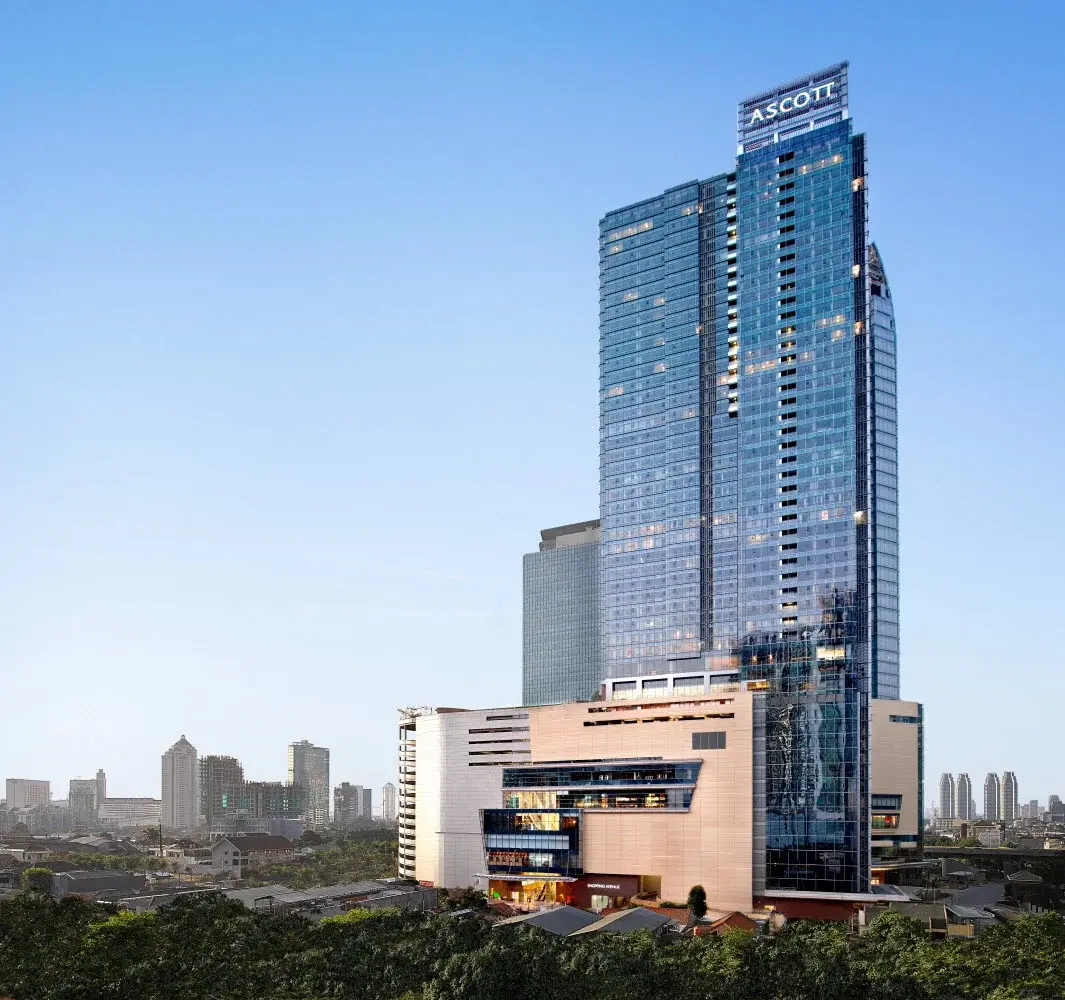
CLAS demonstrated how institutional asset managers are navigating the region through active portfolio reconstitution:
- Japan (RevPAU +11% Same-Store): Supported by strong inbound tourism and domestic corporate travel, same-store RevPAU for hotels and serviced residences in Japan surged 11% year-over-year. The rental housing portfolio maintained high average occupancy above 95%, generating a 14% year-over-year increase in revenue bolstered by the acquisition of six rental housing properties in late 2025 and early 2026.
- Singapore (Stable RevPAU & Portfolio Reinvestment): Serviced residences and hotels under management contracts maintained a stable RevPAU of S$197. CLAS strengthened its income resilience by divesting The Robertson House at a premium and acquiring Coliwoo Midtown on a fixed-rent structure, while progressing the redevelopment of Somerset Clarke Quay to secure new income streams for 2027.
- Australia (Master Lease Stability): Despite a high comparison baseline from a heavy event calendar in Q3 2025, revenue from Australian master leases rose 3% year-over-year, providing predictable cash flow and underpinning CLAS’s defensive investment profile.
Key Strategic Takeaways for APAC Hospitality
- Strategic Portfolio Reconstitution Outweighs Pure Scale: As illustrated by CLAS’s selective sales and acquisitions in Singapore and Japan, lodging owners are actively divesting mature, low-yielding assets to recycle capital into higher-yielding, counter-cyclical extended-stay and living sector assets.
- Regional Divergence Requires Tailored Underwriting: The gap between high-flying inbound destinations (Japan, Southeast Asian leisure gateways) and normalizing markets (Greater China) requires brands and owners to balance core fee models across both leisure and corporate hubs.
- Asset-Light Models Shield Against Rising CapEx: For global brand managers like Hilton and Hyatt, double-digit fee expansion and growing pipelines provide cash-flow durability without the direct burden of escalating debt and construction costs.
As the lodging sector heads into the final quarter of 2026, the performance of Ascott, Hyatt, and Hilton confirms that resilience in global hospitality is increasingly tied to operational agility and smart capital allocation rather than sheer room volume.
While macroeconomic conditions in Greater China remain a key factor to monitor as domestic travel patterns normalize, the structural strength of outbound leisure, the recovery of international corporate travel, and the sustained expansion of gateway markets like Japan and Southeast Asia provide a durable runway for growth.
For institutional owners and global operators alike, the road ahead in the Asia-Pacific region will belong to those who can effectively balance high-margin fee growth with disciplined portfolio recycling—positioning their assets to capture selective, high-yield demand across an increasingly fragmented regional landscape.