
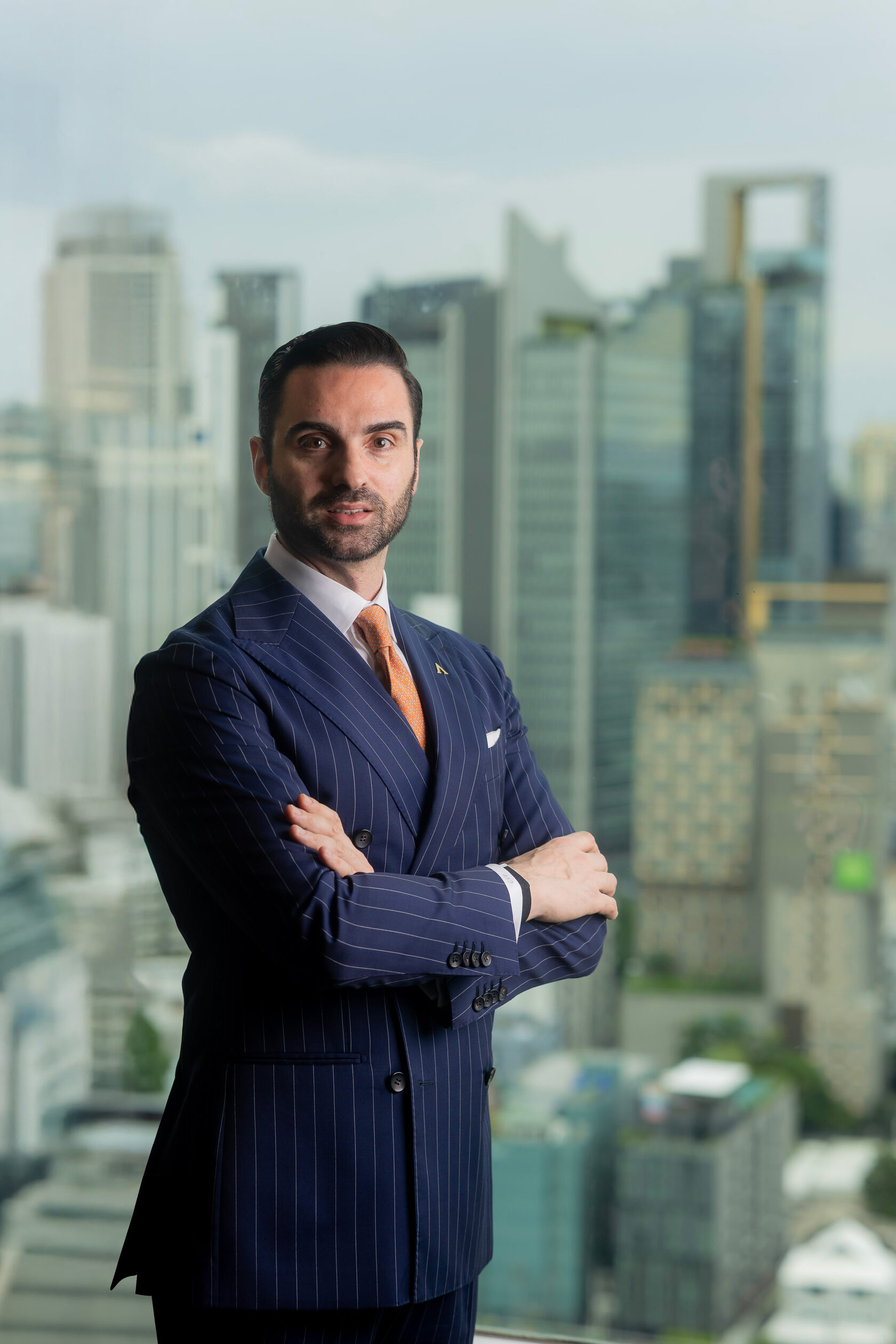
The luxury hospitality landscape in Southeast Asia is entering a highly competitive phase, characterized by accelerating supply pipelines and rapidly changing consumer behaviors. In dynamic hubs like Bangkok, the modern General Manager must balance aggressive commercial realities with the deeply human elements of service. Stepping into this evolving environment is Nicola Coccia, the newly appointed General Manager of Conrad Bangkok. Returning to the property where his journey with the brand originally began, Coccia brings an operational philosophy, data-guided decision-making, and people-centered empathy.
In this exclusive interview with Hospitality Asia Media, Coccia outlines his strategic roadmap for maintaining pricing power, scaling hyper-personalization, and managing the delicate intersection of high-tech infrastructure and human-centric hospitality.
In this exclusive interview with Hospitality Asia Media, Coccia outlines his strategic roadmap for maintaining pricing power, scaling hyper-personalization, and managing the delicate intersection of high-tech infrastructure and human-centric hospitality.
Market Dynamics & Revenue Strategies
Q: With a massive influx of new luxury hotel developments hitting Bangkok, what strategic operational levers can you pull to maintain your Average Daily Rate (ADR) and avoid a race-to-the-bottom price war?
Nicola Coccia: In a market with increasing luxury supply, maintaining pricing power is best achieved through strategic positioning and consistent delivery of guest expectation. When occupancy reaches natural limits, the focus cannot be volume alone; the strategy must strengthen guest preference, return visits, and increase advocacy. The key levers are brand differentiation, optimal segmentation, channel mix, direct guest relationships, guest loyalty, and distinctive experiences.
At Conrad Bangkok, our central business district location is complemented by a nature-led urban retreat concept, refined guest rooms, business facilities, Seasons Spa, and dedicated wellness activities, including outdoor tennis and pickleball courts. Together, these elements create value beyond the room and reinforce the hotel’s long-term revenue strategy. Ultimately, ADR is strengthened through consistency, trust, and loyalty. When team members are engaged and empowered to deliver warm, attentive service, the hotel competes through the quality and depth of the experience rather than relying on price competition.
Q: Rising operational costs for goods, energy, and labor are squeezing profit margins. How do you maximize perceived value on-property for value-sensitive luxury travelers while managing these escalating costs behind the scenes?
Nicola Coccia: Luxury travelers have become more discerning, with stronger expectations of relevance, quality, and meaningful experiences throughout their stay. Today’s guests look beyond the room itself to the overall quality, ease, and purpose of the experience. Value must be felt through the complete stay, from room comfort and attentive service to dining, well-being, and destination connection.
As operational costs rise, thoughtful stewardship becomes essential. Energy efficiency, responsible sourcing, digital solutions, and waste reduction all support long-term efficiency, while engaged team members and a strong service culture ensure the guest-facing experience remains generous, attentive, and refined.
Nicola Coccia: In a market with increasing luxury supply, maintaining pricing power is best achieved through strategic positioning and consistent delivery of guest expectation. When occupancy reaches natural limits, the focus cannot be volume alone; the strategy must strengthen guest preference, return visits, and increase advocacy. The key levers are brand differentiation, optimal segmentation, channel mix, direct guest relationships, guest loyalty, and distinctive experiences.
At Conrad Bangkok, our central business district location is complemented by a nature-led urban retreat concept, refined guest rooms, business facilities, Seasons Spa, and dedicated wellness activities, including outdoor tennis and pickleball courts. Together, these elements create value beyond the room and reinforce the hotel’s long-term revenue strategy. Ultimately, ADR is strengthened through consistency, trust, and loyalty. When team members are engaged and empowered to deliver warm, attentive service, the hotel competes through the quality and depth of the experience rather than relying on price competition.
Q: Rising operational costs for goods, energy, and labor are squeezing profit margins. How do you maximize perceived value on-property for value-sensitive luxury travelers while managing these escalating costs behind the scenes?
Nicola Coccia: Luxury travelers have become more discerning, with stronger expectations of relevance, quality, and meaningful experiences throughout their stay. Today’s guests look beyond the room itself to the overall quality, ease, and purpose of the experience. Value must be felt through the complete stay, from room comfort and attentive service to dining, well-being, and destination connection.
As operational costs rise, thoughtful stewardship becomes essential. Energy efficiency, responsible sourcing, digital solutions, and waste reduction all support long-term efficiency, while engaged team members and a strong service culture ensure the guest-facing experience remains generous, attentive, and refined.
Operational Longevity & Asset Optimization
Q: What workforce management strategies are vital for maintaining a healthy cash flow and retaining specialized talent during shoulder and low-occupancy months?
Nicola Coccia: Seasonality is best managed with foresight and discipline. High-demand periods require strong execution and revenue optimization, while shoulder and lower-occupancy months should be viewed as valuable opportunities to strengthen the business from within. These periods are ideal for investing in team development, service refinement, maintenance planning, product enhancement, and local market activation, rather than simply reducing activity.
Quieter periods allow hotels to build the foundations that support stronger performance during peak months. This means using time valuably to enhance team skills, strengthen employee engagement through focused training and mindful CSR initiatives, and develop local campaigns that support steadier cash flow beyond room revenue. Talent retention remains essential in luxury hospitality. Service culture takes time to build, and specialized skills cannot be replaced quickly. Strong leadership balances cost awareness with investment in people, keeping the hotel ready and relevant in every season.
Q: Many urban hotels possess premium real estate, like fine-dining rooms or resort-style pool decks, that sit underutilized during specific daytime blocks. How can operations monetize these physical spaces for locals without diluting the exclusivity promised to overnight guests?
Nicola Coccia: Premium hotel areas can generate greater value through thoughtfully curated access and clearly defined guest journeys. Selected daytime windows can welcome local residents and business professionals through carefully designed offerings, such as private dining, wellness day programs, small business gatherings, or exclusive culinary sessions, supported by thoughtful pricing, limited capacity, and advance reservations.
The priority is to create additional value while preserving the privacy, comfort, and exclusivity expected by in-house guests. A balanced approach means selecting suitable time periods, managing capacity, requiring reservations, and giving each activation a clear purpose. The leadership approach is to unlock the potential of available premium areas through meaningful concepts while protecting the sense of exclusivity that remains central to the stay experience.
Nicola Coccia: Seasonality is best managed with foresight and discipline. High-demand periods require strong execution and revenue optimization, while shoulder and lower-occupancy months should be viewed as valuable opportunities to strengthen the business from within. These periods are ideal for investing in team development, service refinement, maintenance planning, product enhancement, and local market activation, rather than simply reducing activity.
Quieter periods allow hotels to build the foundations that support stronger performance during peak months. This means using time valuably to enhance team skills, strengthen employee engagement through focused training and mindful CSR initiatives, and develop local campaigns that support steadier cash flow beyond room revenue. Talent retention remains essential in luxury hospitality. Service culture takes time to build, and specialized skills cannot be replaced quickly. Strong leadership balances cost awareness with investment in people, keeping the hotel ready and relevant in every season.
Q: Many urban hotels possess premium real estate, like fine-dining rooms or resort-style pool decks, that sit underutilized during specific daytime blocks. How can operations monetize these physical spaces for locals without diluting the exclusivity promised to overnight guests?
Nicola Coccia: Premium hotel areas can generate greater value through thoughtfully curated access and clearly defined guest journeys. Selected daytime windows can welcome local residents and business professionals through carefully designed offerings, such as private dining, wellness day programs, small business gatherings, or exclusive culinary sessions, supported by thoughtful pricing, limited capacity, and advance reservations.
The priority is to create additional value while preserving the privacy, comfort, and exclusivity expected by in-house guests. A balanced approach means selecting suitable time periods, managing capacity, requiring reservations, and giving each activation a clear purpose. The leadership approach is to unlock the potential of available premium areas through meaningful concepts while protecting the sense of exclusivity that remains central to the stay experience.
The Evolution of Hospitality Technology
Q: Digital check-ins and AI-driven services are heavily utilized to solve labor shortages. Where should a general manager draw the line on automation to ensure operational efficiency doesn't kill the hotel's soul?
Nicola Coccia: Technology plays an important role in making hospitality more seamless, but it should always support the guest experience without reducing the warmth of service. Automation is useful for routine requests, simple information, digital check-ins, and operational updates, giving guests convenience while allowing team members to focus on the moments that require care, judgment, and personal attention.
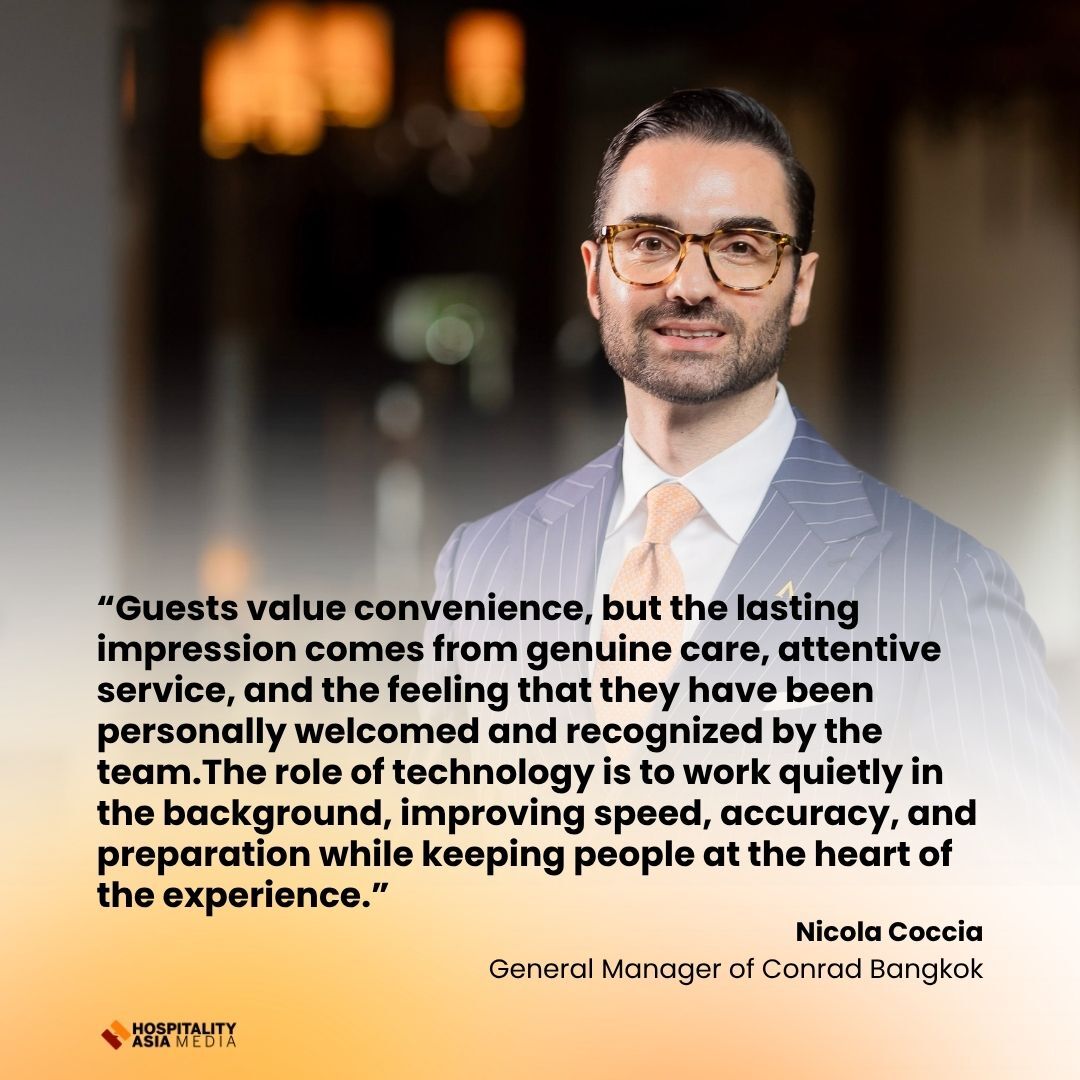
Arrival, recognition, service recovery, special occasions, and personalized recommendations are still deeply human moments. Guests value convenience, but the lasting impression comes from genuine care, attentive service, and the feeling that they have been personally welcomed and recognized by the team. This is where team members create emotional value that technology alone cannot deliver. The role of technology is to work quietly in the background, improving speed, accuracy, and preparation while keeping people at the heart of the experience.
Q: Operationally, how do you scale deep personalization across hundreds of rooms without overwhelming front-line teams or making guest interactions feel script-driven and mechanical?
Nicola Coccia: Personalization today goes beyond a standard preference profile. It means understanding each stay’s unique needs, from wellness schedules and dining requirements to mood and the guest’s preferred level of engagement. For personalization to work at scale, it needs to be flexible and reliable, giving teams the structure to deliver service that feels personal, not scripted.
Operationally, tailored service at scale depends on turning guest insights into simple, prioritized actions. Technology can organize information and share relevant details with the right departments at the right time, keeping it clear, useful, and actionable. At scale, the priority is to identify the moments that matter most to each guest. The management focus is to create a clear service framework across departments, supported by communication, preparation, and good judgment. This allows teams to respond with confidence and warmth, while keeping the experience personal and natural rather than mechanical.
Q: Given the varying data privacy mindsets of travelers, where is the boundary between predictive, intuitive service and an operational overreach that makes a guest feel monitored?
Nicola Coccia: The balance between personalization and over-personalization lies in respect, consent, and relevance. Guests value tailored service when information is used with a clear purpose, such as dining preferences, wellness appointments, or special occasions they have chosen to share. Operationally, the boundary is defined by how naturally and respectfully the insight is applied. Information should support the guest experience, not make the guest feel observed. This requires clear data practices, good judgment, and a service culture that protects trust while helping teams deliver with warmth and confidence.
At Conrad Bangkok, personalization is most effective when it supports purposeful travel, contemporary luxury, and Hilton’s Travel with Purpose framework, which focuses on delivering meaningful guest experiences through care for people, hotels, communities, and responsible business. The goal is for guests to feel recognized, respected, and well cared for, with each interaction feeling natural, appropriate, and guided by accountability, integrity, and transparency.
Nicola Coccia: Technology plays an important role in making hospitality more seamless, but it should always support the guest experience without reducing the warmth of service. Automation is useful for routine requests, simple information, digital check-ins, and operational updates, giving guests convenience while allowing team members to focus on the moments that require care, judgment, and personal attention.
Arrival, recognition, service recovery, special occasions, and personalized recommendations are still deeply human moments. Guests value convenience, but the lasting impression comes from genuine care, attentive service, and the feeling that they have been personally welcomed and recognized by the team. This is where team members create emotional value that technology alone cannot deliver. The role of technology is to work quietly in the background, improving speed, accuracy, and preparation while keeping people at the heart of the experience.
Q: Operationally, how do you scale deep personalization across hundreds of rooms without overwhelming front-line teams or making guest interactions feel script-driven and mechanical?
Nicola Coccia: Personalization today goes beyond a standard preference profile. It means understanding each stay’s unique needs, from wellness schedules and dining requirements to mood and the guest’s preferred level of engagement. For personalization to work at scale, it needs to be flexible and reliable, giving teams the structure to deliver service that feels personal, not scripted.
Operationally, tailored service at scale depends on turning guest insights into simple, prioritized actions. Technology can organize information and share relevant details with the right departments at the right time, keeping it clear, useful, and actionable. At scale, the priority is to identify the moments that matter most to each guest. The management focus is to create a clear service framework across departments, supported by communication, preparation, and good judgment. This allows teams to respond with confidence and warmth, while keeping the experience personal and natural rather than mechanical.
Q: Given the varying data privacy mindsets of travelers, where is the boundary between predictive, intuitive service and an operational overreach that makes a guest feel monitored?
Nicola Coccia: The balance between personalization and over-personalization lies in respect, consent, and relevance. Guests value tailored service when information is used with a clear purpose, such as dining preferences, wellness appointments, or special occasions they have chosen to share. Operationally, the boundary is defined by how naturally and respectfully the insight is applied. Information should support the guest experience, not make the guest feel observed. This requires clear data practices, good judgment, and a service culture that protects trust while helping teams deliver with warmth and confidence.
At Conrad Bangkok, personalization is most effective when it supports purposeful travel, contemporary luxury, and Hilton’s Travel with Purpose framework, which focuses on delivering meaningful guest experiences through care for people, hotels, communities, and responsible business. The goal is for guests to feel recognized, respected, and well cared for, with each interaction feeling natural, appropriate, and guided by accountability, integrity, and transparency.
Q: Data creates value only when insight translates into physical execution. How do you construct an internal system where advanced data analytics seamlessly translate into real-time service?
Nicola Coccia: Advanced systems may anticipate guest needs, arrival patterns, or operational bottlenecks, but the real measure is how that information is communicated, understood, and acted upon by the team. The focus is less on how much data is collected and more on turning insights into simple, practical, and actionable steps for front-line teams. The most effective systems help team members anticipate guest needs without creating additional complexity. Information needs to be easy to understand, timely, and connected to clear service priorities.
To implement this effectively, leadership must create a clear service rhythm across departments, ensuring insights are translated into timely actions that support preparation, guest recognition, and service recovery. When technology strengthens preparation, confidence, and team empowerment, it becomes a practical service tool rather than information sitting inert in a system. This is how data supports seamless, personalized, and attentive service, while allowing team members to deliver the human care that defines the guest experience.
Q: How do you design a smart room ecosystem (IoT, voice controls, streaming) that is completely frictionless for a tech-native traveler, yet completely invisible and non-alienating to a traditional traveler who prefers low-tech comfort?
Nicola Coccia: The strategy is to design technology around choice, simplicity, and comfort. Tech-forward travelers may value seamless room controls, streaming access, and connected services, while traditional travelers need the same convenience through familiar, analog controls and attentive team support. This is especially important as multi-generational and skip-generation guests often share the same stay but have entirely different comfort levels with technology.
The best smart-room ecosystem adapts to the guest, rather than asking the guest to adapt to the technology. From an operational perspective, this means creating flexible pathways: a digital-first journey for guests who prefer connected experiences, and a service-first journey for those who value traditional comfort. Technology should be intuitive when used and almost invisible when it is not. Reflecting Conrad’s contemporary luxury and intuitive service, technology should enhance the stay with warmth and simplicity, making amenities like dining and wellness easier to access without adding complexity. The ultimate goal is for every guest, across generations, to feel recognized, supported, and fully at ease.
Ultimately, navigating Bangkok’s dense luxury supply surge requires a leadership approach that is both commercially ruthless and deeply empathetic. For properties to thrive rather than merely survive, technology must be anchored behind the scenes to optimize asset performance, leaving empowered frontline teams free to cultivate genuine human relationships. By designing adaptable physical spaces, executing disciplined lifecycle workflows, and safeguarding the intangible soul of regional hospitality, modern properties can defend their premium value and continue delivering restorative, meaningful guest experiences.
Nicola Coccia: Advanced systems may anticipate guest needs, arrival patterns, or operational bottlenecks, but the real measure is how that information is communicated, understood, and acted upon by the team. The focus is less on how much data is collected and more on turning insights into simple, practical, and actionable steps for front-line teams. The most effective systems help team members anticipate guest needs without creating additional complexity. Information needs to be easy to understand, timely, and connected to clear service priorities.
To implement this effectively, leadership must create a clear service rhythm across departments, ensuring insights are translated into timely actions that support preparation, guest recognition, and service recovery. When technology strengthens preparation, confidence, and team empowerment, it becomes a practical service tool rather than information sitting inert in a system. This is how data supports seamless, personalized, and attentive service, while allowing team members to deliver the human care that defines the guest experience.
Q: How do you design a smart room ecosystem (IoT, voice controls, streaming) that is completely frictionless for a tech-native traveler, yet completely invisible and non-alienating to a traditional traveler who prefers low-tech comfort?
Nicola Coccia: The strategy is to design technology around choice, simplicity, and comfort. Tech-forward travelers may value seamless room controls, streaming access, and connected services, while traditional travelers need the same convenience through familiar, analog controls and attentive team support. This is especially important as multi-generational and skip-generation guests often share the same stay but have entirely different comfort levels with technology.
The best smart-room ecosystem adapts to the guest, rather than asking the guest to adapt to the technology. From an operational perspective, this means creating flexible pathways: a digital-first journey for guests who prefer connected experiences, and a service-first journey for those who value traditional comfort. Technology should be intuitive when used and almost invisible when it is not. Reflecting Conrad’s contemporary luxury and intuitive service, technology should enhance the stay with warmth and simplicity, making amenities like dining and wellness easier to access without adding complexity. The ultimate goal is for every guest, across generations, to feel recognized, supported, and fully at ease.
Ultimately, navigating Bangkok’s dense luxury supply surge requires a leadership approach that is both commercially ruthless and deeply empathetic. For properties to thrive rather than merely survive, technology must be anchored behind the scenes to optimize asset performance, leaving empowered frontline teams free to cultivate genuine human relationships. By designing adaptable physical spaces, executing disciplined lifecycle workflows, and safeguarding the intangible soul of regional hospitality, modern properties can defend their premium value and continue delivering restorative, meaningful guest experiences.
About Nicola Coccia
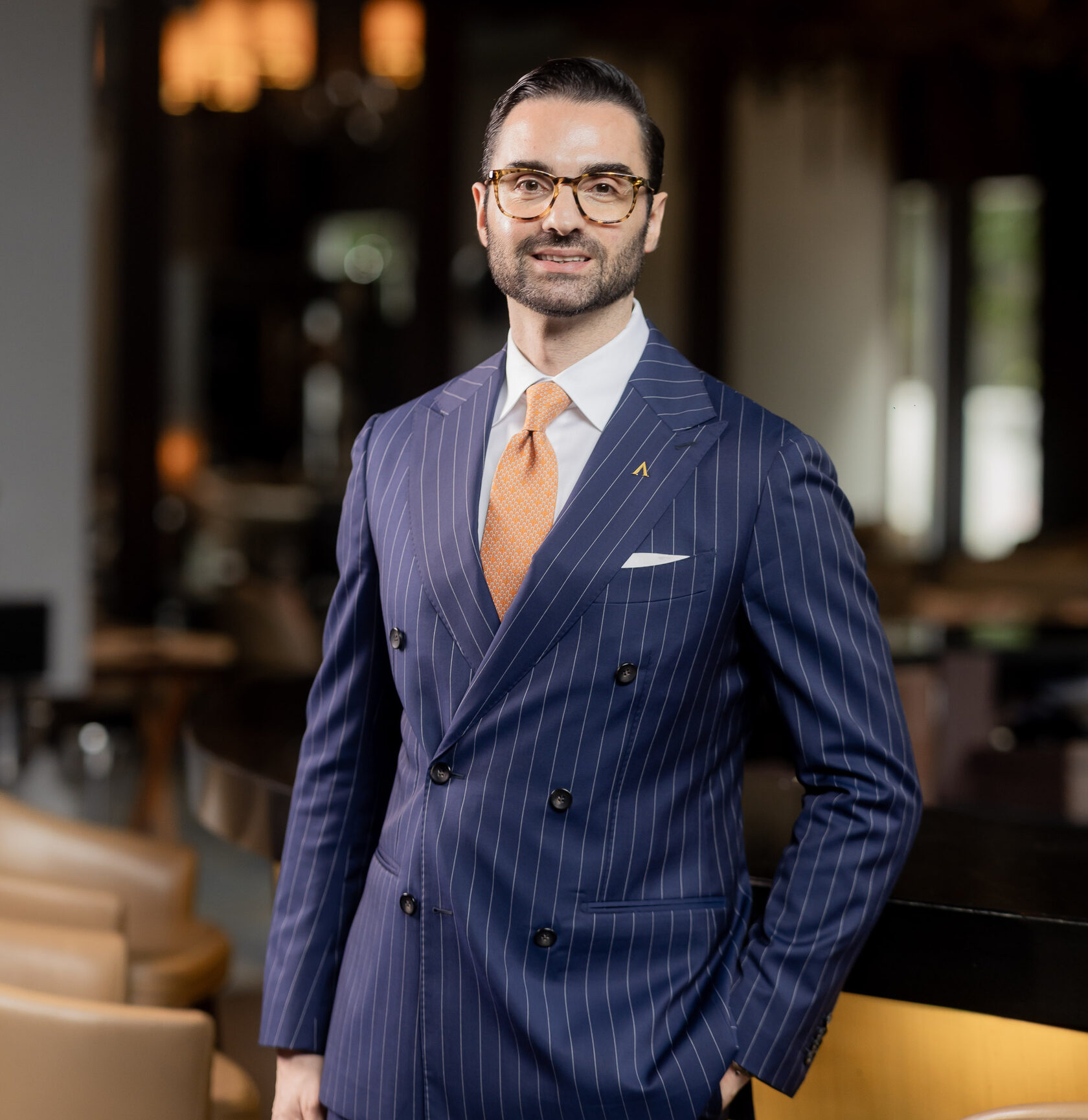
Nicola Coccia is the General Manager of Conrad Bangkok, marking his first appointment to the top executive role within the Hilton luxury portfolio. His professional background spans 13 countries and combines deep expertise in food and beverage operations with multidisciplinary commercial and hotel asset management.