
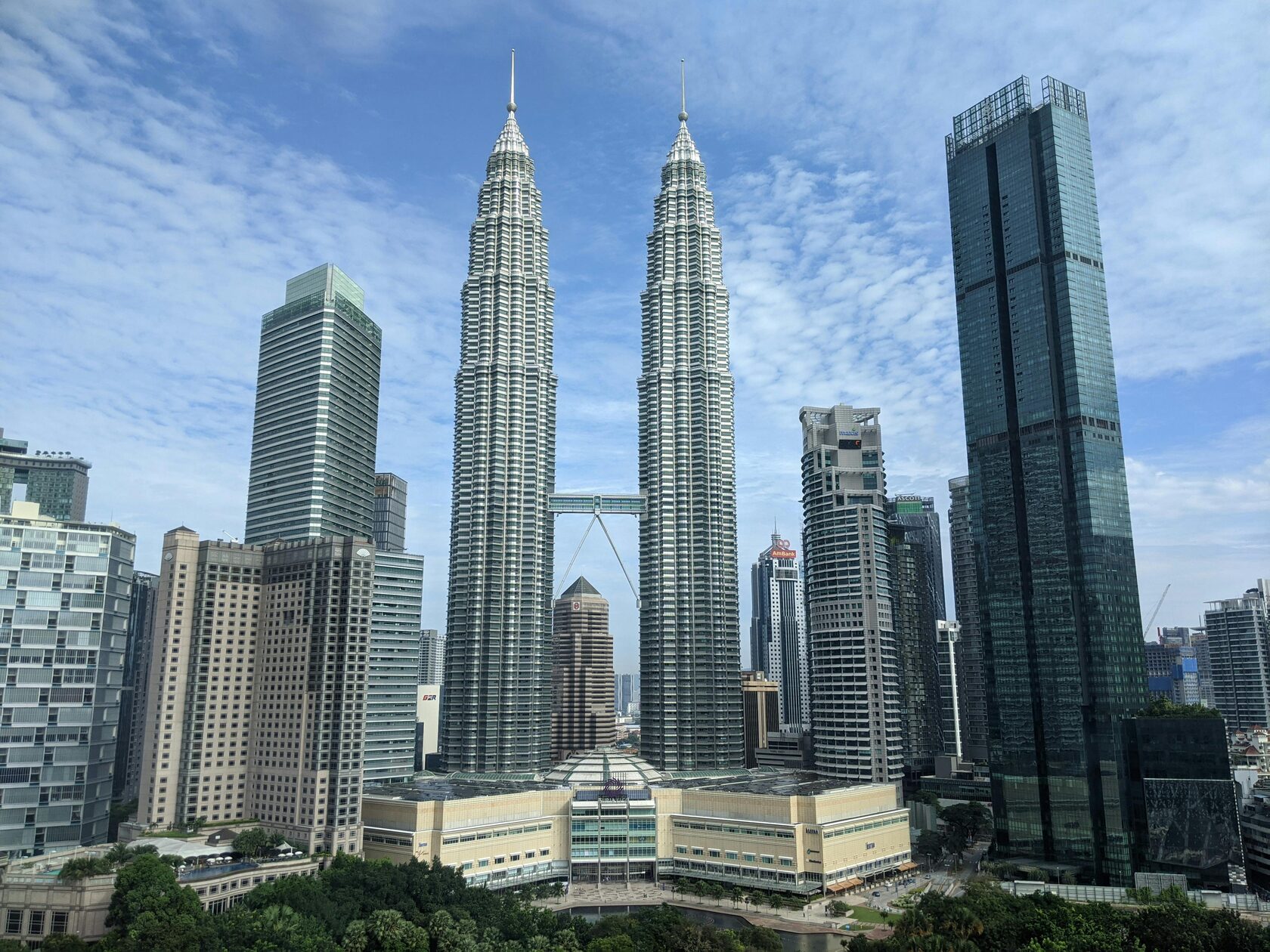
The skyline of Kuala Lumpur is no longer just a silhouette of architectural ambition; it is a live map of the region’s most aggressive hospitality expansion. While the industry is currently energized by the momentum of the Visit Malaysia 2026 campaign, the true narrative lies in the structural reforms, ESG-integrated policies, and massive infrastructure pipelines that are positioning the country as a long-term anchor for global capital.
As of the second quarter of 2026, the hospitality market has matured beyond simple post-pandemic recovery into a phase of sophisticated, high-value growth. With 3,645 hotels and nearly 300,000 rooms nationwide, the sector is no longer merely waiting for visitors. It is actively curating the environment to host a more discerning class of traveler.
As of the second quarter of 2026, the hospitality market has matured beyond simple post-pandemic recovery into a phase of sophisticated, high-value growth. With 3,645 hotels and nearly 300,000 rooms nationwide, the sector is no longer merely waiting for visitors. It is actively curating the environment to host a more discerning class of traveler.
A New Benchmark for Institutional Investment
Investor confidence has reached a fever pitch, evidenced by a 31% surge in approved hotel and tourism projects, which totaled RM736.5 million in a single six-month window. This momentum is bolstered by a government that has effectively "de-risked" the sector through targeted fiscal support.
Under the current budget, significant allocations have been directed toward tourism, but the real lure for institutional investors is the suite of tax incentives. Programs offering Pioneer Status for new boutique projects and Investment Tax Allowances for the modernization of heritage assets make upgrading a financially viable strategy for operators looking to capture the premium segment.
Under the current budget, significant allocations have been directed toward tourism, but the real lure for institutional investors is the suite of tax incentives. Programs offering Pioneer Status for new boutique projects and Investment Tax Allowances for the modernization of heritage assets make upgrading a financially viable strategy for operators looking to capture the premium segment.
The ESG and Green Technology Frontier
Malaysia stands unique in the region for its rigid integration of Environmental, Social, and Governance (ESG) principles into its hospitality framework. The national commitment to carbon neutrality by 2050 has trickled down through the Green Technology Tax Incentive, encouraging operators to integrate renewable energy and electric vehicle charging infrastructure.
For the 2026 traveler, who is increasingly defined by their environmental footprint, this makes the country an ethically aligned choice. For the investor, it ensures that assets remain future-proof against tightening global climate regulations.
The government’s RM12 billion allocation for infrastructure serves as the silent partner in this hospitality boom. The expansion of Kuala Lumpur International Airport remains a primary catalyst, while connectivity is being further enhanced by the East Coast Rail Link and the RTS Link, which strengthens the vital umbilical cord between Singapore and Johor. These projects are opening secondary cities and eco-tourism hubs that were previously difficult to access, driving Revenue Per Available Room (RevPAR) across both urban and rural settings.
For the 2026 traveler, who is increasingly defined by their environmental footprint, this makes the country an ethically aligned choice. For the investor, it ensures that assets remain future-proof against tightening global climate regulations.
The government’s RM12 billion allocation for infrastructure serves as the silent partner in this hospitality boom. The expansion of Kuala Lumpur International Airport remains a primary catalyst, while connectivity is being further enhanced by the East Coast Rail Link and the RTS Link, which strengthens the vital umbilical cord between Singapore and Johor. These projects are opening secondary cities and eco-tourism hubs that were previously difficult to access, driving Revenue Per Available Room (RevPAR) across both urban and rural settings.
The Luxury and Eco-Tourism Divergence
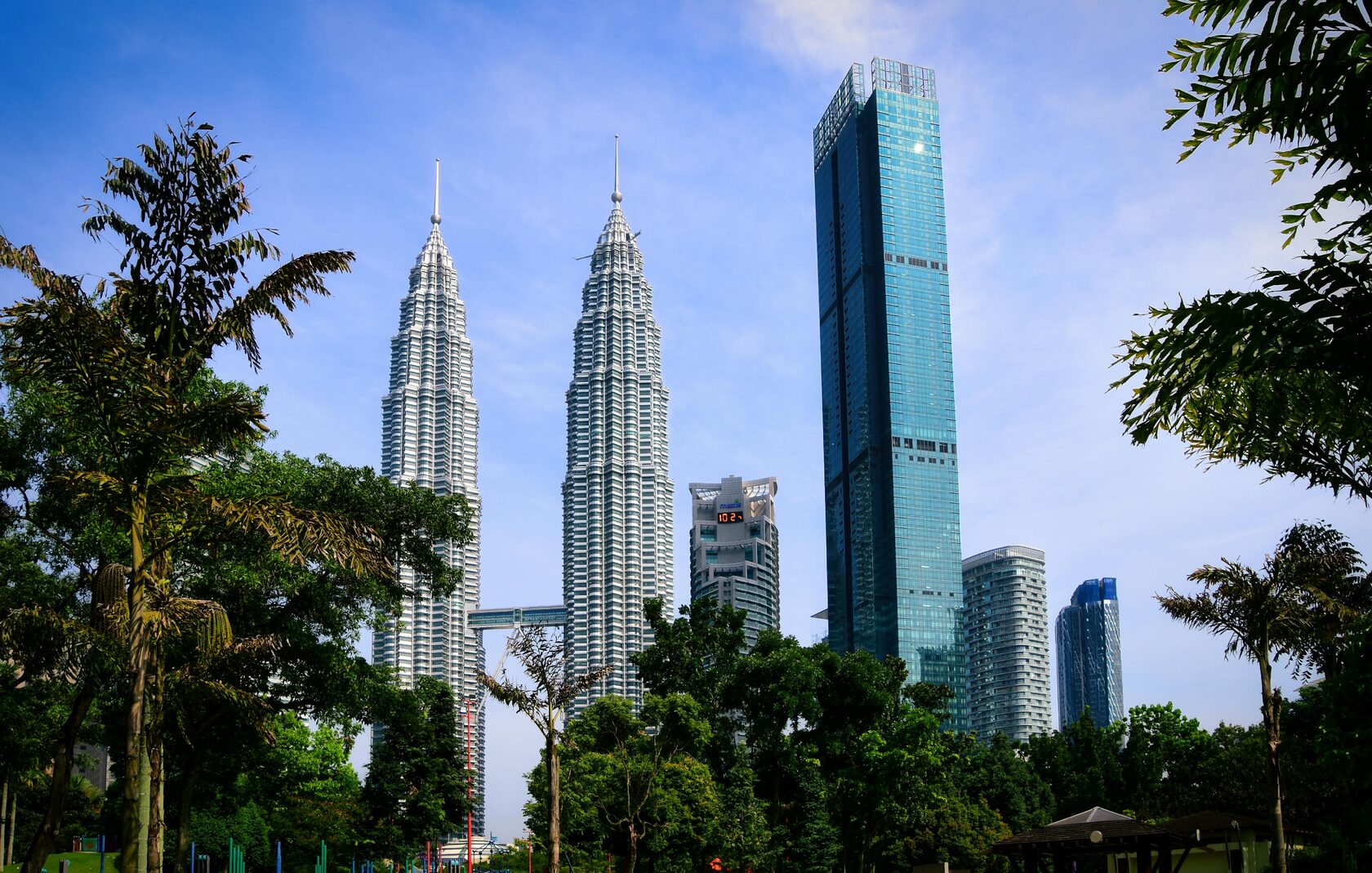
The market in 2026 is splitting into two high-growth lanes: ultra-luxury and high-end eco-tourism. Kuala Lumpur is adding over 2,600 new rooms this year alone, with heavyweight debuts like the Waldorf Astoria and the opening of the Park Hyatt in the Merdeka 118 tower marking the city's intent to dominate the global high-net-worth segment. Beyond the cities, the nation is leveraging its natural assets from the branded residences of Desaru Coast to the rainforest resorts of Sarawak, with eco-tourism projected to draw 6 million visitors annually by the end of the decade.
Having traveled through the heritage corridors of Penang, the shift in the guest experience is palpable. Traditional boutique hotels are no longer just offering rooms; they are offering narratives. By restoring mid-century bank buildings and integrating local art, these properties are capturing the experiential traveler who values heritage over standard luxury. Malaysia has found a unique sweet spot in the market, remaining modern enough to be seamless but traditional enough to be soulful.
The road ahead does present hurdles, including intense competition in the budget segment and global inflationary pressures that demand agile cost management. However, the outlook remains exceptionally promising, driven by a surge in domestic travelers who now spend over RM32 billion annually and a robust recovery from key markets like China and India.
The hospitality industry is no longer just a service sector; it is a cornerstone of the national economy built on a foundation of sustainability and cultural pride. As the sun sets over Merdeka 118, reflecting off the glass of a dozen new five-star entrants, it is clear that Malaysia is now setting the pace for the future of Asian travel.
Having traveled through the heritage corridors of Penang, the shift in the guest experience is palpable. Traditional boutique hotels are no longer just offering rooms; they are offering narratives. By restoring mid-century bank buildings and integrating local art, these properties are capturing the experiential traveler who values heritage over standard luxury. Malaysia has found a unique sweet spot in the market, remaining modern enough to be seamless but traditional enough to be soulful.
The road ahead does present hurdles, including intense competition in the budget segment and global inflationary pressures that demand agile cost management. However, the outlook remains exceptionally promising, driven by a surge in domestic travelers who now spend over RM32 billion annually and a robust recovery from key markets like China and India.
The hospitality industry is no longer just a service sector; it is a cornerstone of the national economy built on a foundation of sustainability and cultural pride. As the sun sets over Merdeka 118, reflecting off the glass of a dozen new five-star entrants, it is clear that Malaysia is now setting the pace for the future of Asian travel.