
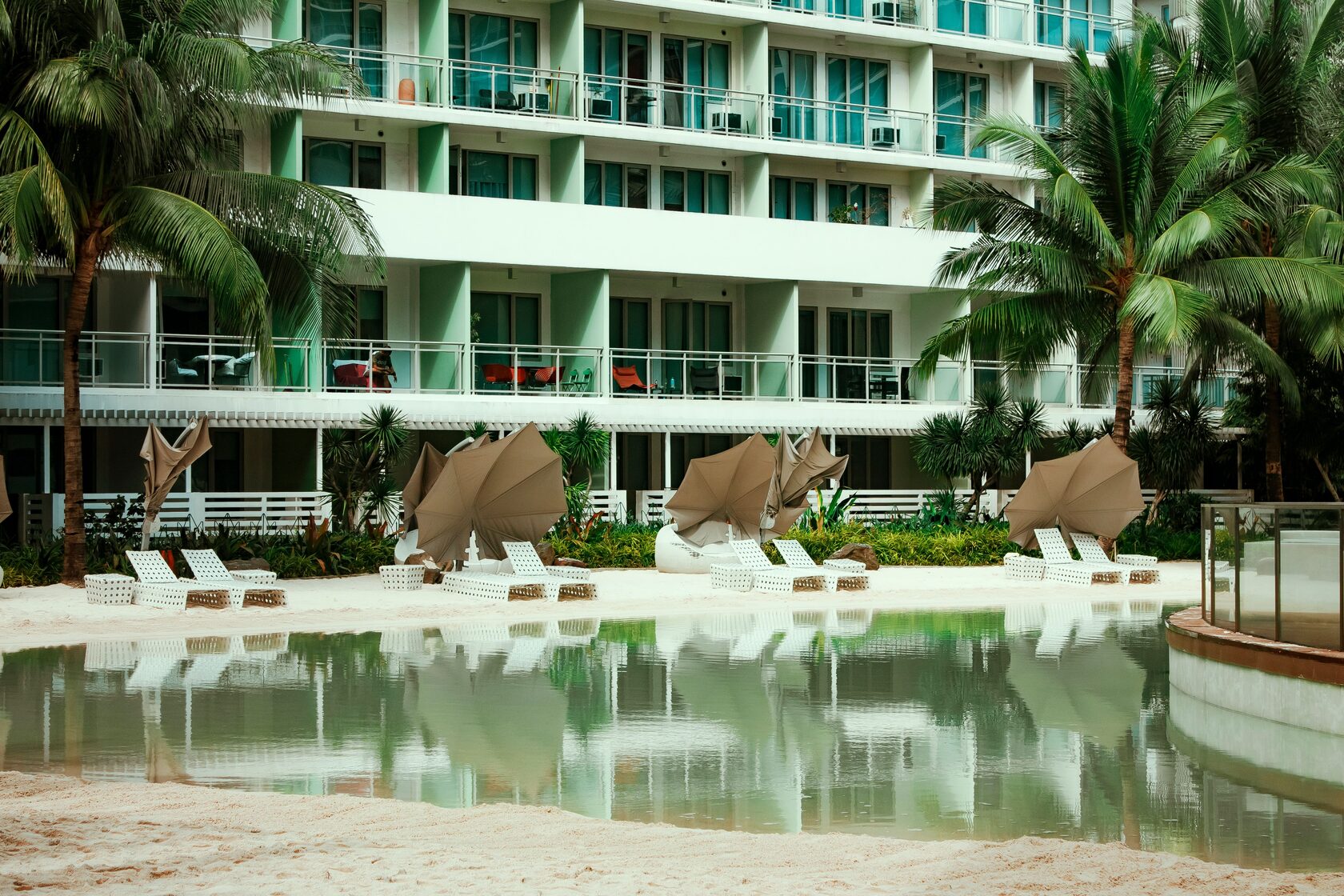
In the modern real estate ecosystem, true luxury hotel design has moved far beyond the superficial accumulation of expensive marble, gold-plated fixtures, or sheer physical scale. Sophisticated asset owners and design strategists no longer view architecture through a purely aesthetic lens. Instead, luxury design has been recast as a rigorous capital allocation strategy, a tool built to drive financial performance, mitigate macroeconomic risk, and maximize long-term asset valuation.
The global luxury hospitality market is shifting away from generic, lavish spectacles toward deeply intentional spaces that create exceptional value. Properties that prioritize authentic storytelling, emotional connection, and spatial intelligence outperform traditional luxury models by sustaining high Average Daily Rates (ADR) and creating sticky consumer loyalty. The objective of luxury design is to maximize the yield per square meter, balancing efficient layouts with highly memorable interior environments.
The global luxury hospitality market is shifting away from generic, lavish spectacles toward deeply intentional spaces that create exceptional value. Properties that prioritize authentic storytelling, emotional connection, and spatial intelligence outperform traditional luxury models by sustaining high Average Daily Rates (ADR) and creating sticky consumer loyalty. The objective of luxury design is to maximize the yield per square meter, balancing efficient layouts with highly memorable interior environments.
The Anatomy of Value-Driven Design: Atmosphere Over Cost
Luxury does not always scale with expenditure. Simple, smart, and highly specialized design parameters regularly create far more asset value than bloated construction budgets. Modern luxury design focuses capital on areas that guests notice, feel, and remember, anchoring the physical asset around three main pillars:
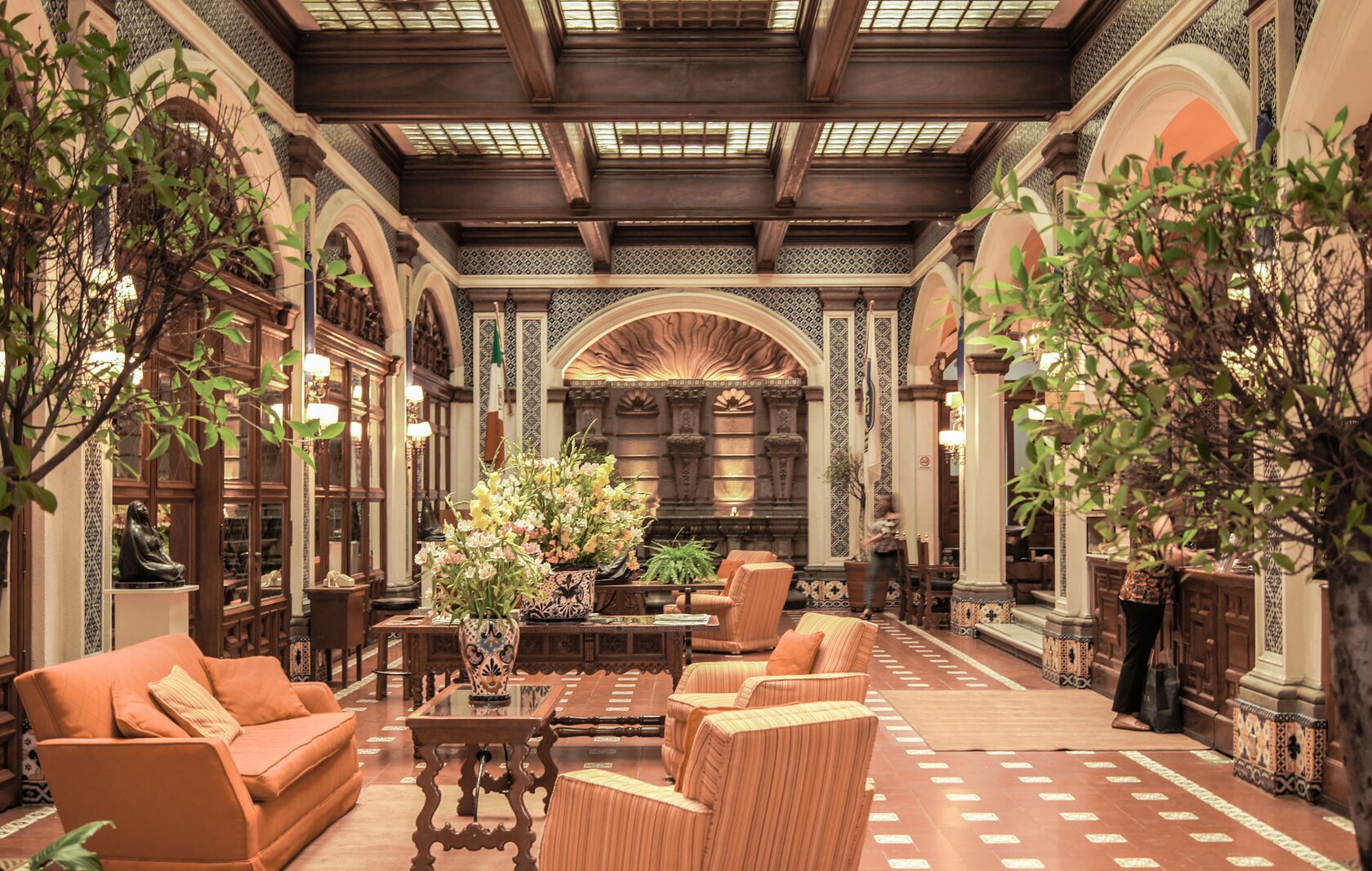
Modern high-net-worth travelers reject placeless, cookie-cutter luxury. High-performing design integrates regional history, native craftsmanship, and regional community elements straight into the structural fabric of the property. When a hotel feels authentically woven into its destination rather than isolated from it, it builds an emotional premium that allows the asset to command a pricing moat over generic competitors.
True luxury is about how a space feels, which is defined by light, texture, and tailored acoustics rather than premium budgets alone. High-end hospitality is increasingly shaped by "hushpitality" , the intentional design of spaces optimized for silence and nervous system recovery. By investing heavily in silent subsurface mechanical systems, invisible acoustic damping, and deeply personalized lighting scenes, design creates a psychological sanctuary that travelers can instantly perceive.
Modern high-net-worth travelers reject placeless, cookie-cutter luxury. High-performing design integrates regional history, native craftsmanship, and regional community elements straight into the structural fabric of the property. When a hotel feels authentically woven into its destination rather than isolated from it, it builds an emotional premium that allows the asset to command a pricing moat over generic competitors.
True luxury is about how a space feels, which is defined by light, texture, and tailored acoustics rather than premium budgets alone. High-end hospitality is increasingly shaped by "hushpitality" , the intentional design of spaces optimized for silence and nervous system recovery. By investing heavily in silent subsurface mechanical systems, invisible acoustic damping, and deeply personalized lighting scenes, design creates a psychological sanctuary that travelers can instantly perceive.
"Luxury does not always mean spending more money. Sometimes simple and smart design works better. We focus on efficient layouts, good planning, and investing in areas that guests really notice. Guests remember experiences, not construction budgets. Good design creates value without unnecessary cost,” notes Ricky Jun, Founder and Managing Director of RMSJ.
Spatial Intelligence over Mass
Luxury is completely detached from sheer room size. Through strategic window alignment, natural light play, elevated ceiling heights, and fluid planning, compact urban rooms can feel remarkably open and exclusive. Reflecting on this spatial dynamic, Ricky Jun observes:
"Luxury is not about size. Luxury is about how a space feels. We use natural light, views, ceiling height, and smart planning to create a sense of openness. In cities like Seoul, every square meter is important. The goal is to make guests feel comfortable, special, and connected to the space."
Why Design Matters to the Asset Owner
When an institutional buyer or family office reviews a hospitality asset, the quality of its design framework alters several key financial line items on the balance sheet. Viewing design as an investment tool transforms how developers construct long-term property pipelines. Ricky Jun frames this operational philosophy clearly:
"I think luxury hotel design is not about cost. It is about value. A high-rise hotel may cost more to build, but it can create amazing views, strong branding, and a unique guest experience. If guests are willing to pay more and come back again, the hotel creates long-term value. So I see design as an investment, not a cost."
This strategic perspective delivers distinct advantages across four institutional performance metrics:
Accelerates Asset Valuation and Exit Multiples
Institutional real estate buyers pay a significant premium for visually distinct, architecturally timeless luxury assets. Superior, trend-resistant design compresses capitalization rates (cap rates), drastically increasing the property's terminal value upon exit. Furthermore, a highly desirable, top-tier luxury property commands vastly superior loan terms, lower interest rates, and higher leverage options from institutional lenders during routine refinancing cycles.
Safeguards Pricing Power and Margins
High-net-worth individuals exhibit a unique insensitivity to broader macroeconomic contractions. A deeply customized luxury design creates a permanent operational shield, allowing properties to maintain high ADR and preserve net operating income (NOI) even during deep recessions. Unique, destination-specific architecture creates a protective barrier that cannot be easily replicated by new market entrants, safeguarding the owner's localized market share for decades.
Optimizes the Total Lifecycle of the Property
Investing in timeless, high-end design effectively insulates a property from passing interior design trends. This extends the operational lifespan of the interior layout, allowing ownership groups to defer or entirely avoid the costly, mandatory Property Improvement Plans (PIPs) routinely enforced by major international hotel brands.
Concurrently, allocating capital to superior sub-surface infrastructure, such as high-spec acoustic damping insulation, premium commercial plumbing valves, and heavy-duty building management systems, drastically slashes daily maintenance emergencies that disrupt high-paying guests.
Maximizes "Yield per Square Meter"
Strategic luxury design treats every square centimeter of the property envelope as a revenue opportunity, systematically eliminating dead space. Low-value or underutilized real estate, such as dark basements, unlit interior courtyards, or oversized empty hallways, are creatively reimagined and transformed into high-margin revenue generators. By converting these forgotten zones into private speakeasies, exclusive omakase counters, luxury wellness thermal suites, or members-only club lounges, design directly unlocks fresh ancillary income lines from highly compressed physical footprints.
True luxury hotel design is never an artistic indulgence or an unnecessary line-item expense; it is a calculated framework for capital preservation and yield acceleration. By prioritizing atmospheric quality, local authenticity, and intense structural efficiency over raw material opulence, developers can compress capitalization rates, capture continuous pricing power, and extend asset lifecycles. In an increasingly crowded hospitality market, properties that view design as a core financial investment are the ones that permanently insulate their capital and deliver unmatched long-term returns.
Institutional real estate buyers pay a significant premium for visually distinct, architecturally timeless luxury assets. Superior, trend-resistant design compresses capitalization rates (cap rates), drastically increasing the property's terminal value upon exit. Furthermore, a highly desirable, top-tier luxury property commands vastly superior loan terms, lower interest rates, and higher leverage options from institutional lenders during routine refinancing cycles.
Safeguards Pricing Power and Margins
High-net-worth individuals exhibit a unique insensitivity to broader macroeconomic contractions. A deeply customized luxury design creates a permanent operational shield, allowing properties to maintain high ADR and preserve net operating income (NOI) even during deep recessions. Unique, destination-specific architecture creates a protective barrier that cannot be easily replicated by new market entrants, safeguarding the owner's localized market share for decades.
Optimizes the Total Lifecycle of the Property
Investing in timeless, high-end design effectively insulates a property from passing interior design trends. This extends the operational lifespan of the interior layout, allowing ownership groups to defer or entirely avoid the costly, mandatory Property Improvement Plans (PIPs) routinely enforced by major international hotel brands.
Concurrently, allocating capital to superior sub-surface infrastructure, such as high-spec acoustic damping insulation, premium commercial plumbing valves, and heavy-duty building management systems, drastically slashes daily maintenance emergencies that disrupt high-paying guests.
Maximizes "Yield per Square Meter"
Strategic luxury design treats every square centimeter of the property envelope as a revenue opportunity, systematically eliminating dead space. Low-value or underutilized real estate, such as dark basements, unlit interior courtyards, or oversized empty hallways, are creatively reimagined and transformed into high-margin revenue generators. By converting these forgotten zones into private speakeasies, exclusive omakase counters, luxury wellness thermal suites, or members-only club lounges, design directly unlocks fresh ancillary income lines from highly compressed physical footprints.
True luxury hotel design is never an artistic indulgence or an unnecessary line-item expense; it is a calculated framework for capital preservation and yield acceleration. By prioritizing atmospheric quality, local authenticity, and intense structural efficiency over raw material opulence, developers can compress capitalization rates, capture continuous pricing power, and extend asset lifecycles. In an increasingly crowded hospitality market, properties that view design as a core financial investment are the ones that permanently insulate their capital and deliver unmatched long-term returns.