
📌 3 Key Takeaways
- Start with the team: A hotel’s culture is built before its first guest arrives, through the people hired, the standards set and the way the team learns to work together.
- Give guests reasons to return: Design may spark interest, but service, atmosphere, food and a strong sense of place are what turn a first visit into a lasting connection.
- Global brand, yet distinctly Bangkok: While Canopy provides the brand foundation, the hotel draws inspiration from Bangkok through its design, food and beverage, local partnerships and guest experiences.
The launch of Canopy Bangkok Sukhumvit marks an exciting milestone in Thailand’s lifestyle hospitality landscape. Positioned in the energetic Asoke-Sukhumvit district, the property is designed to feel connected to the places in which it operates while giving guests the familiarity and ease of home. At Canopy Bangkok Sukhumvit, that means taking cues from Bangkok and Asoke-Sukhumvit across the hotel experience, while drawing on the standards and hospitality expertise of Hilton.
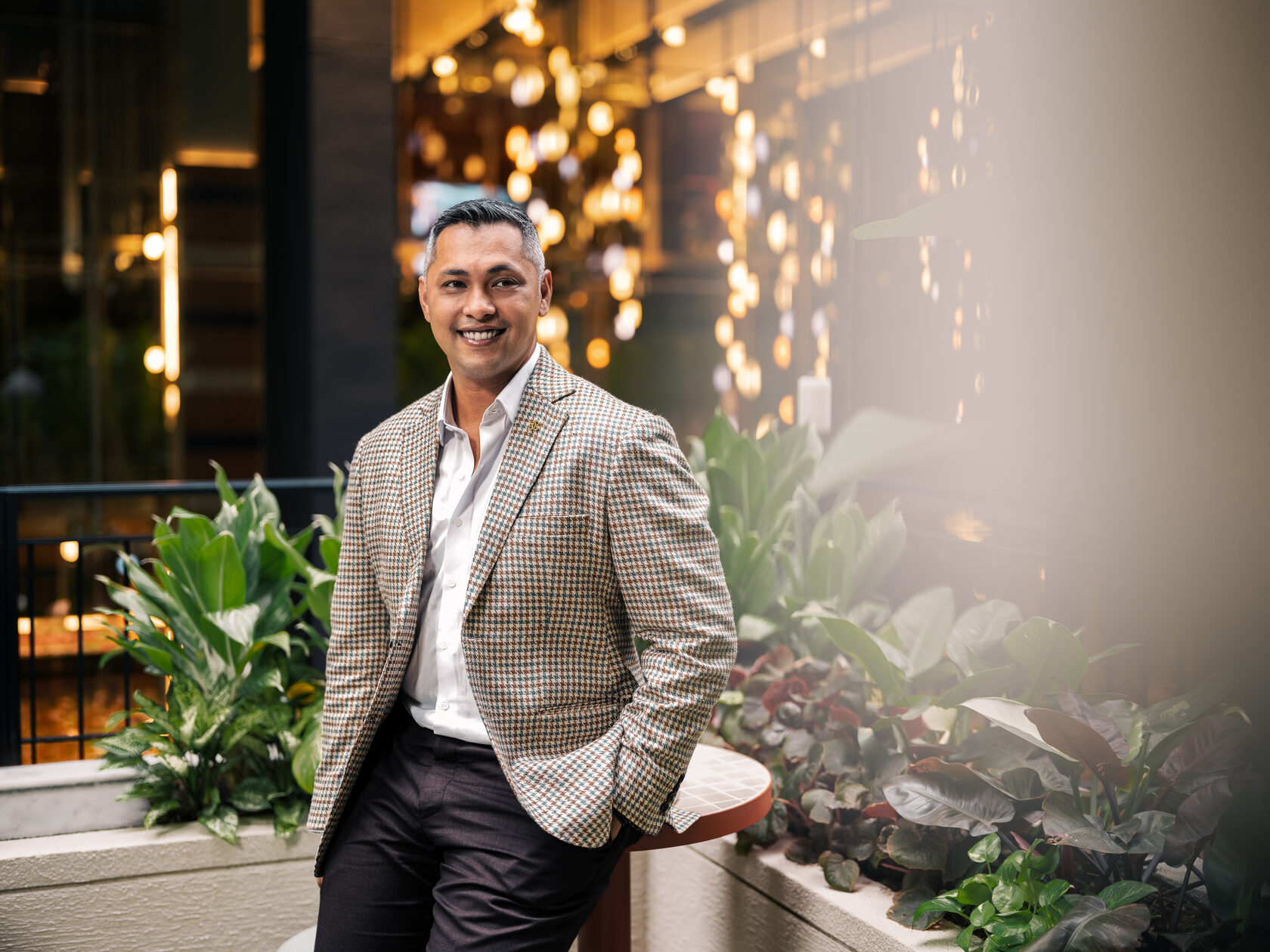
At the helm of this launch is Lucky Ou, General Manager of Canopy Bangkok Sukhumvit. Throughout his career across the Asia-Pacific region, he has built a reputation for balancing the tactical challenges of pre-openings with disciplined, long-term commercial performance. In this exclusive interview, Ou discusses what happens before a hotel welcomes its first guest, why good lifestyle hospitality depends on much more than design, and what he hopes will make Canopy Bangkok Sukhumvit a place that both visitors and Bangkok residents choose to return to.
At the helm of this launch is Lucky Ou, General Manager of Canopy Bangkok Sukhumvit. Throughout his career across the Asia-Pacific region, he has built a reputation for balancing the tactical challenges of pre-openings with disciplined, long-term commercial performance. In this exclusive interview, Ou discusses what happens before a hotel welcomes its first guest, why good lifestyle hospitality depends on much more than design, and what he hopes will make Canopy Bangkok Sukhumvit a place that both visitors and Bangkok residents choose to return to.
Navigating the Pre-Opening Journey
Q: What draws you to pre-opening projects, and how do you maintain focus on a long-term strategy amid the immediate daily demands of a hotel launch?
Lucky Ou: What draws me to pre-openings is the opportunity to turn vision into reality. I enjoy the fact that you are shaping the hotel before perceptions have been formed. You are hiring the team, deciding how service should feel, testing how the spaces will work and turning plans on paper into an operating hotel. It is an intense period, but it is also when you can make some of the biggest decisions about what the hotel will become.
The danger is becoming too focused on opening day itself. Of course, everything needs to be ready, but we are also putting in place a culture and ways of working that need to hold up six months, a year or several years later. That is the part of pre-opening I find most rewarding.
Q: With so many things happening at once, wwhat is the most critical milestone that must be established during the pre-opening phase?
Lucky Ou: The most critical milestone is establishing clear, authentic, and sustainable positioning for the hotel. Everyone on the team should understand what kind of hotel we are trying to create and what we want guests to take away from their stay. One that is clear, every decision during pre-opening, from recruitment and training to food and beverage concepts, partnerships, guest programming, and marketing, should reinforce that positioning.
At Canopy Bangkok Sukhumvit, we want the hotel to feel connected to Bangkok and to the character of the area around us. You will see that through the design, our social spaces, food and beverages, local partnerships and the way our team helps guests experience the city. The job during pre-opening is to make sure those pieces come together as one experience rather than feeling like separate ideas.
Q: When introducing a global lifestyle philosophy to Southeast Asia, how do you balance global brand standards with local market behaviors?
Lucky Ou: Our focus is heavily centered on understanding Bangkok and, more specifically, the Asoke-Sukhumvit neighborhood. Today's travelers are looking for experiences that feel authentic and connected to the destination. They want to discover neighborhoods, engage with local culture, and explore Bangkok beyond traditional tourist attractions.
At the same time, Bangkok residents are seeking lifestyle-oriented spaces where they can work, socialize, dine, and connect. This presents an opportunity for hotels to become part of the social fabric of the neighborhood rather than existing separately from it.
Lucky Ou: What draws me to pre-openings is the opportunity to turn vision into reality. I enjoy the fact that you are shaping the hotel before perceptions have been formed. You are hiring the team, deciding how service should feel, testing how the spaces will work and turning plans on paper into an operating hotel. It is an intense period, but it is also when you can make some of the biggest decisions about what the hotel will become.
The danger is becoming too focused on opening day itself. Of course, everything needs to be ready, but we are also putting in place a culture and ways of working that need to hold up six months, a year or several years later. That is the part of pre-opening I find most rewarding.
Q: With so many things happening at once, wwhat is the most critical milestone that must be established during the pre-opening phase?
Lucky Ou: The most critical milestone is establishing clear, authentic, and sustainable positioning for the hotel. Everyone on the team should understand what kind of hotel we are trying to create and what we want guests to take away from their stay. One that is clear, every decision during pre-opening, from recruitment and training to food and beverage concepts, partnerships, guest programming, and marketing, should reinforce that positioning.
At Canopy Bangkok Sukhumvit, we want the hotel to feel connected to Bangkok and to the character of the area around us. You will see that through the design, our social spaces, food and beverages, local partnerships and the way our team helps guests experience the city. The job during pre-opening is to make sure those pieces come together as one experience rather than feeling like separate ideas.
Q: When introducing a global lifestyle philosophy to Southeast Asia, how do you balance global brand standards with local market behaviors?
Lucky Ou: Our focus is heavily centered on understanding Bangkok and, more specifically, the Asoke-Sukhumvit neighborhood. Today's travelers are looking for experiences that feel authentic and connected to the destination. They want to discover neighborhoods, engage with local culture, and explore Bangkok beyond traditional tourist attractions.
At the same time, Bangkok residents are seeking lifestyle-oriented spaces where they can work, socialize, dine, and connect. This presents an opportunity for hotels to become part of the social fabric of the neighborhood rather than existing separately from it.
Q: Lifestyle hotels often attract attention through design. How do you move beyond aesthetics to build a hotel people want to return to?
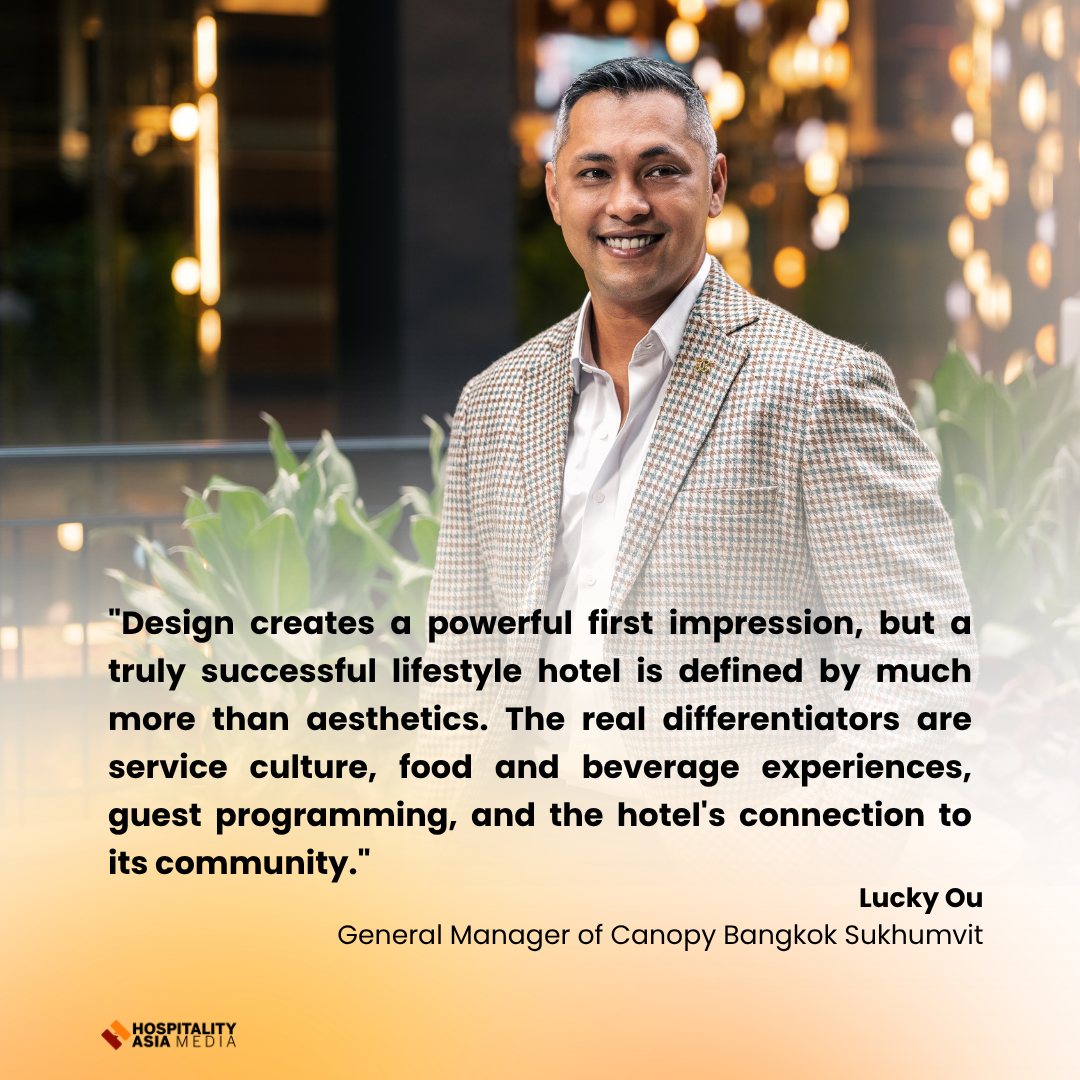
Lucky Ou: Design creates a powerful first impression, but a truly successful lifestyle hotel is defined by much more than aesthetics. The real differentiators are service culture, food and beverage experiences, guest programming, and the hotel's connection to its community. A guest may initially choose a hotel because of its design, but they return because of how the experience made them feel. That experience is shaped by the team delivering the service, the authenticity of the offerings, and the sense of discovery the hotel creates.
Q: How do you balance the individuality expected of a lifestyle hotel with the consistency guests expect from Hilton?
Lucky Ou: I don't see it as a trade-off. Brand standards provide the foundation of quality, reliability, and trust, ensuring guests receive the consistency they expect from a global hospitality company like Hilton. Within that framework, there is tremendous opportunity to express local character. Through design, storytelling, food and beverage experiences, partnerships, and neighborhood programming, we create experiences that reflect Bangkok while remaining true to the brand. The objective is to combine the confidence of an international brand with the richness and authenticity of a local destination.
Creating reasons to gather and return
Q: How do local partnerships contribute to guest experience?
Lucky Ou: Local partnerships are primarily about creating value and authenticity that add something to the experience and make sense for the hotel. The right partners can introduce guests to people, ideas and experiences they might not otherwise encounter during a stay. They can also give us a more interesting way to tell the story of where we are. For Canopy Bangkok Sukhumvit, those relationships are one of the ways we can give guests a richer sense of Bangkok while building genuine connections locally. By working closely with local partners, we build distinctive experiences that resonate with guests and keep the hotel relevant to both visitors and residents.
Q: Hotels today are used for much more than overnight stays. How does that shape the way you think about the property?
Lucky Ou: Consumer expectations have evolved significantly over the last decade. Today's guests may come to a hotel for dinner, a drink, a meeting or simply spend time with friends, without ever staying the night. That means our restaurants, bars and social spaces have to stand on their own. As a result, successful lifestyle hotels focus on activating the entire property and creating experiences that appeal to both hotel guests and local communities.
Lucky Ou: Local partnerships are primarily about creating value and authenticity that add something to the experience and make sense for the hotel. The right partners can introduce guests to people, ideas and experiences they might not otherwise encounter during a stay. They can also give us a more interesting way to tell the story of where we are. For Canopy Bangkok Sukhumvit, those relationships are one of the ways we can give guests a richer sense of Bangkok while building genuine connections locally. By working closely with local partners, we build distinctive experiences that resonate with guests and keep the hotel relevant to both visitors and residents.
Q: Hotels today are used for much more than overnight stays. How does that shape the way you think about the property?
Lucky Ou: Consumer expectations have evolved significantly over the last decade. Today's guests may come to a hotel for dinner, a drink, a meeting or simply spend time with friends, without ever staying the night. That means our restaurants, bars and social spaces have to stand on their own. As a result, successful lifestyle hotels focus on activating the entire property and creating experiences that appeal to both hotel guests and local communities.
Keeping Hospitality Human
Q: As technology becomes a bigger part of travel, where do you think it adds value and where should people still take the lead?
Lucky Ou: At Hilton, we view technology and AI as tools that enhance hospitality rather than replace it. The most valuable role of technology is removing friction from the guest journey while simplifying operational processes behind the scenes. If it can remove an unnecessary step, make a routine request easier or give the guest more choice, then it is doing its job. But there are many parts of hospitality that are still very human. Recommending somewhere to go, reading when a guest needs help, resolving a problem well or recognizing someone who has returned to the hotel all depend on people.
We increasingly use technology and AI to better understand guest preferences and create personalized experiences. From helping guests discover the right stay experience to delivering tailored recommendations and curated moments throughout their journey, technology enables us to be more responsive while maintaining a personal approach. Ultimately, hospitality remains a business of people serving people. Technology should support our team rather than become the focus of the stay. Guests may appreciate convenience, but they still remember how our team members made them feel.
Lucky Ou: At Hilton, we view technology and AI as tools that enhance hospitality rather than replace it. The most valuable role of technology is removing friction from the guest journey while simplifying operational processes behind the scenes. If it can remove an unnecessary step, make a routine request easier or give the guest more choice, then it is doing its job. But there are many parts of hospitality that are still very human. Recommending somewhere to go, reading when a guest needs help, resolving a problem well or recognizing someone who has returned to the hotel all depend on people.
We increasingly use technology and AI to better understand guest preferences and create personalized experiences. From helping guests discover the right stay experience to delivering tailored recommendations and curated moments throughout their journey, technology enables us to be more responsive while maintaining a personal approach. Ultimately, hospitality remains a business of people serving people. Technology should support our team rather than become the focus of the stay. Guests may appreciate convenience, but they still remember how our team members made them feel.
Q: Looking ahead, what will tell you that Canopy Bangkok Sukhumvit has found its place in the city?
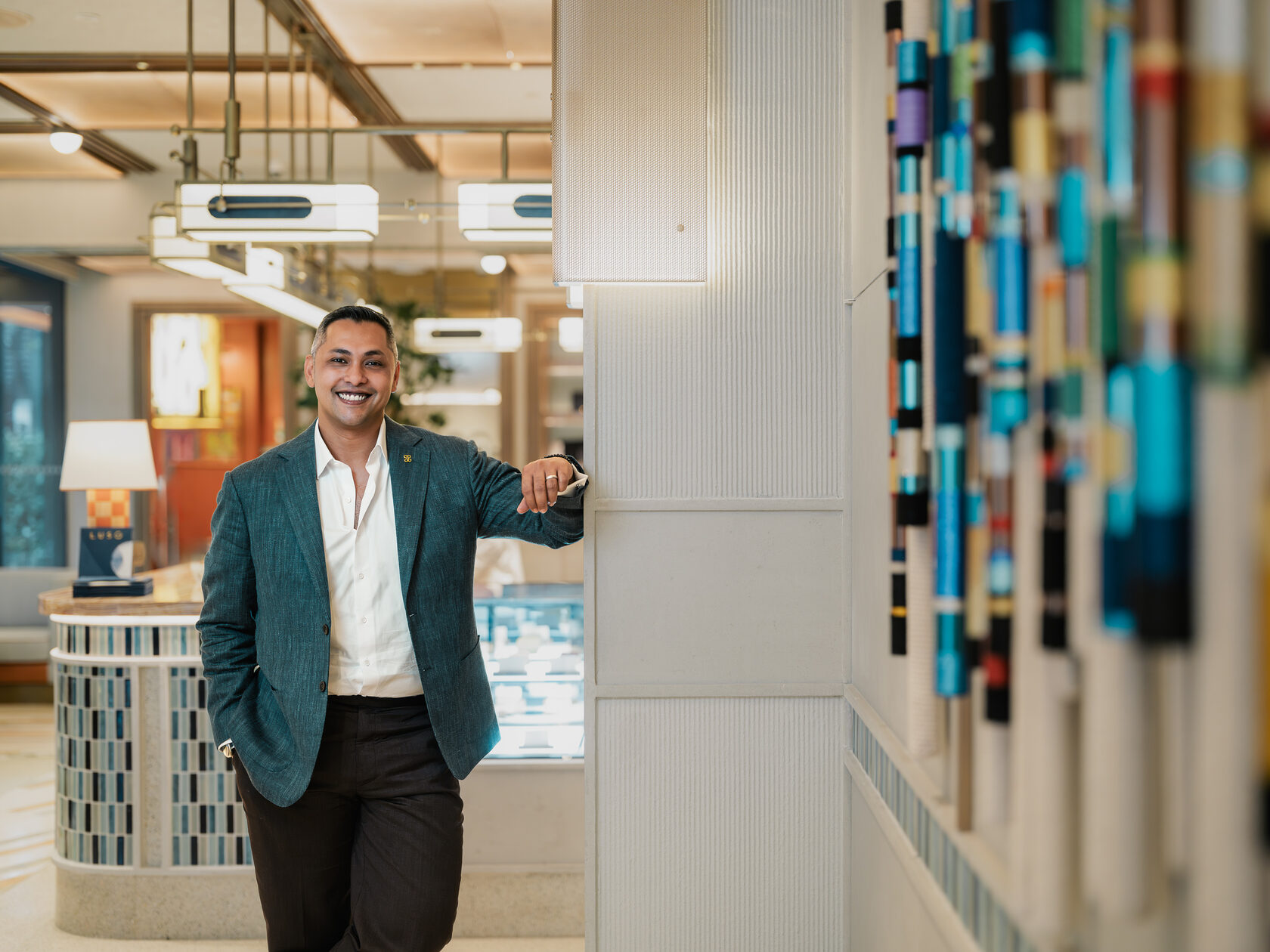
Lucky Ou: Our ambition is for Canopy Bangkok Sukhumvit to become a genuine part of the neighborhood. That means building meaningful relationships with local businesses, supporting community initiatives, creating experiences that celebrate local culture, and ensuring our spaces remain welcoming to both travelers and Bangkok residents.
Neighborhoods evolve, and successful hotels need to evolve alongside them. By staying connected to our community and remaining attentive to changing guest expectations, we continue delivering experiences that feel fresh and meaningful. In due course, success will be measured not only by how guests view the hotel, but by whether local residents also see it as a natural and valued part of the Asoke-Sukhumvit community.
Lucky Ou: Our ambition is for Canopy Bangkok Sukhumvit to become a genuine part of the neighborhood. That means building meaningful relationships with local businesses, supporting community initiatives, creating experiences that celebrate local culture, and ensuring our spaces remain welcoming to both travelers and Bangkok residents.
Neighborhoods evolve, and successful hotels need to evolve alongside them. By staying connected to our community and remaining attentive to changing guest expectations, we continue delivering experiences that feel fresh and meaningful. In due course, success will be measured not only by how guests view the hotel, but by whether local residents also see it as a natural and valued part of the Asoke-Sukhumvit community.
About Lucky Ou
Lucky Ou is the General Manager of Canopy Bangkok Sukhumvit, leading the pre-opening, positioning, and operational execution for Hilton’s lifestyle brand launch in Thailand. A hospitality leader with extensive regional experience across Australia and Southeast Asia, Ou has built a career spanning food and beverage management, operations, hotel conversions, and property openings across luxury, lifestyle, and full-service segments. Known for combining tactical pre-opening execution with long-term revenue discipline, he focuses on delivering neighborhood-centric guest experiences backed by operational excellence.