
From a design perspective, transforming a lifestyle hotel into a functional community hub requires an absolute departure from traditional isolationist layouts. The modern premium hospitality asset is no longer a closed-off sanctuary reserved exclusively for overnight guests; it is an active, participatory environment that integrates hospitality with urban social dynamics.
By utilizing modular, hyper-local, and experiential spatial configurations, designers are intentionally dissolving the boundary between international travelers and neighborhood residents. This structural shift converts real estate footprint into a lively public pavilion, anchoring the property firmly within the local economy.
By utilizing modular, hyper-local, and experiential spatial configurations, designers are intentionally dissolving the boundary between international travelers and neighborhood residents. This structural shift converts real estate footprint into a lively public pavilion, anchoring the property firmly within the local economy.
The Core Architectural & Spatial Characteristics
To effectively merge public social life with private lodging, developers rely on distinct foundational design pillars that prioritize spatial fluidity, regional texture, and interactive food and beverage (F&B) structures:
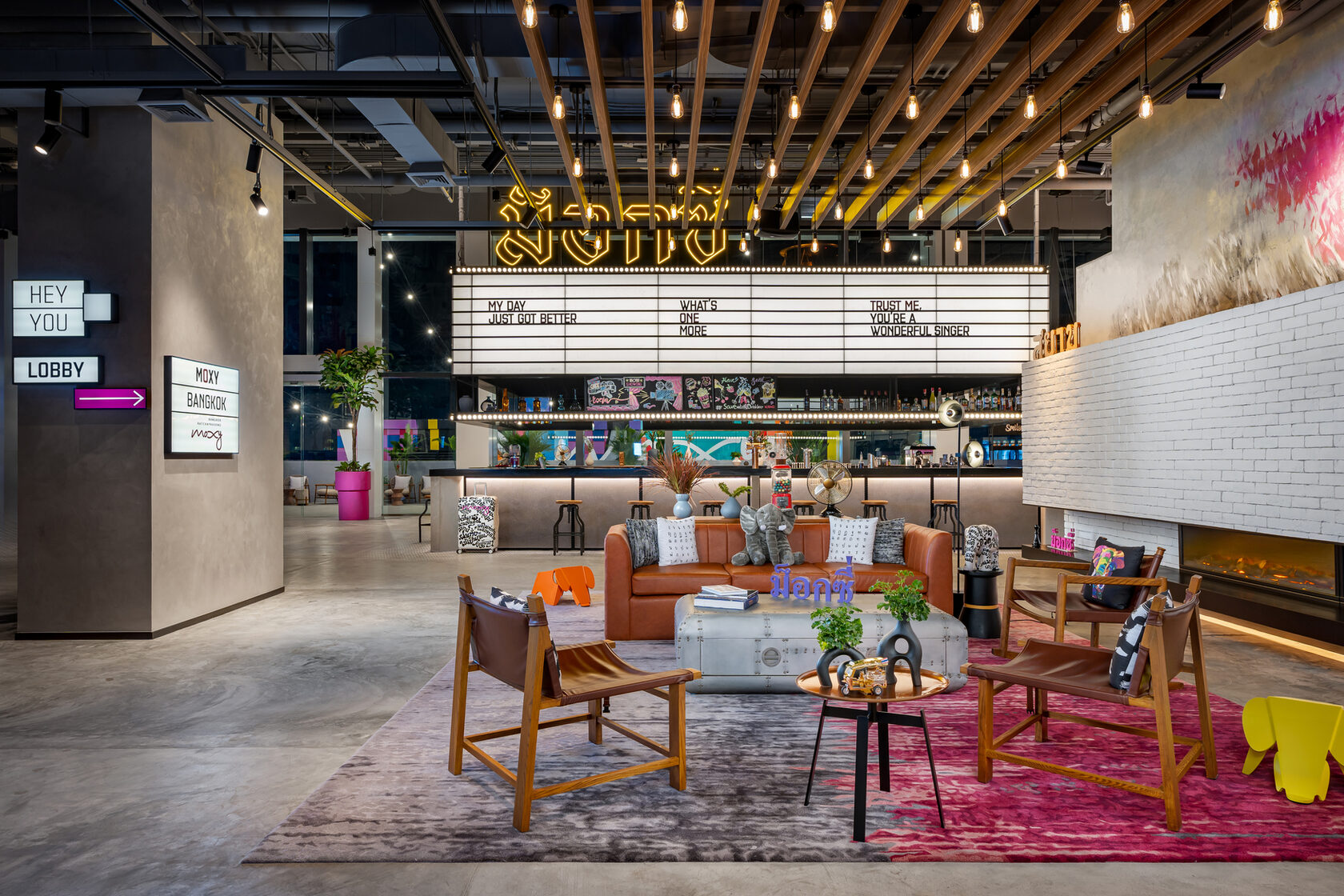
- The Living Room Lobby: Legacy, imposing front desks are entirely omitted. They are replaced by open, low-barrier check-in islands that transition seamlessly into expansive lounges, casual cafes, and integrated co-working zones. As Ross Park, General Manager of Moxy Hotel Bangkok, notes:
"An exceptional lifestyle property must transcend its primary function as a lodging facility for transient travelers; it must integrate organically into the fabric of the surrounding neighborhood. When local residents choose to inhabit these spaces alongside international guests, the property establishes itself as an independent destination, cultivating an authentic energy that cannot be artificially manufactured."
- Modular and Flexible Zoning: Structural interiors eliminate rigid load-bearing partitions in favor of movable acoustics and flexible tracks. Spaces are engineered to transition effortlessly from a quiet morning corporate workspace into a high-energy evening art gallery, private supper club, or live music venue.
- Seamless Indoor/Outdoor Transitions: Utilizing biophilic engineering, expansive folding glass facades, rooftop terraces, and vertical gardens, the streetscape blends directly into the interior. The property becomes a natural, pedestrian-friendly extension of the neighborhood rather than a restricted enclave.
Hyper-Local Aesthetic Integration & The Premium Shift
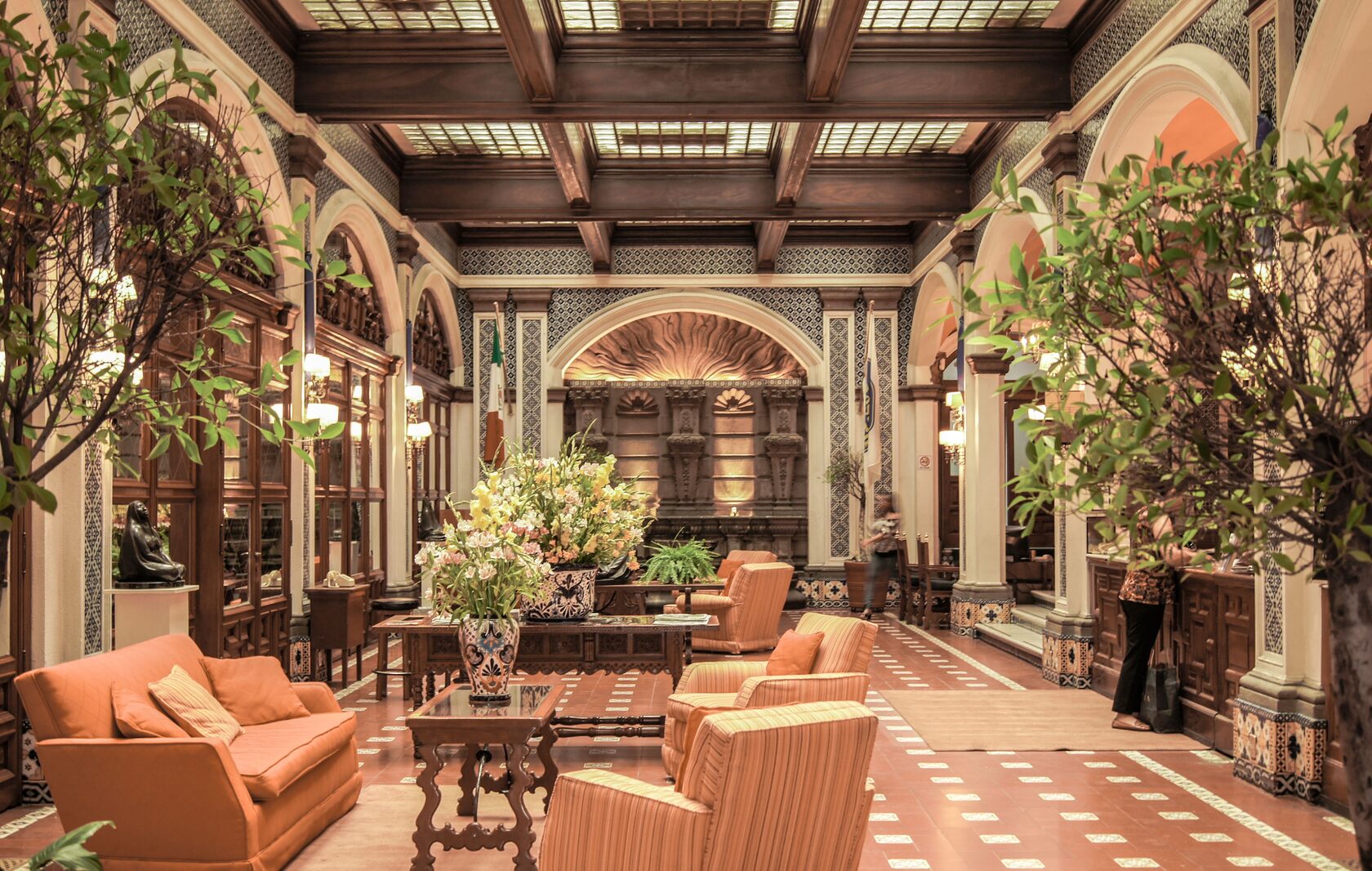
Standardized, corporate aesthetics are replaced by custom interior architectural narratives. The material palette relies heavily on raw, locally sourced components, such as indigenous hardwoods, regional stone, and custom-woven textiles, to root the asset in its exact geographical coordinates. Furthermore, institutional developers are increasingly selecting historical brownfield sites, retrofitting heritage buildings to preserve the existing neighborhood character while driving high cultural prestige.
This push for absolute authenticity is similarly redefining the upper echelons of premium luxury, where the focus has shifted dramatically from material wealth to deeply localized experiential value. Leah Lee, CEO THE WEEK& Resort, points out that standardized luxury commodities, such as premium room decors and high-end breakfast offerings, have become basic baseline requirements rather than competitive differentiators. True asset differentiation now relies entirely on hyper-localized, brand-exclusive experiences that connect travelers with the natural and cultural rhythm of the region.
This push for absolute authenticity is similarly redefining the upper echelons of premium luxury, where the focus has shifted dramatically from material wealth to deeply localized experiential value. Leah Lee, CEO THE WEEK& Resort, points out that standardized luxury commodities, such as premium room decors and high-end breakfast offerings, have become basic baseline requirements rather than competitive differentiators. True asset differentiation now relies entirely on hyper-localized, brand-exclusive experiences that connect travelers with the natural and cultural rhythm of the region.
"I always take Aman's example. I was checking out one of the Aman properties for my vacation, and one of their programs was to go harvest your own tea leaves at 4:30 a.m. I was thinking to myself, 'I'm not going to wake up at 4:30 a.m. to pick my own tea leaves; I'm paying $3,500 per night.' But it seemed to me like now, this experience of being connected to nature, this experience of actually being able to get up at 4:30 with my own will and not my alarm clock, brings me pleasure that I wouldn't be able to get in day-to-day life. I think this is the life of many people in the modern era. So right now, without the right experience that is very tailored to that locality, the hotel brands wouldn't survive."
F&B Centricity and Community Tech Integration
The modern lifestyle hub relies heavily on re-engineering its service amenities into street-facing public anchors:
- The Destination Anchor: Restaurants and bars are positioned as standalone commercial concepts with street-facing entry points. Open show-kitchens and expansive communal tables are structurally engineered to encourage natural, spontaneous social friction between travelers and locals. Park elaborates on this commercial engine, stating,
"Whether they're dropping in for coffee, meeting friends after work, enjoying sunset drinks at Sato San Rooftop Bar, or simply soaking up the atmosphere, those shared moments create a stronger, more resilient business and a more vibrant guest experience. I see the word 'Vibe' used everywhere on our guests' social media, showing it’s the feeling that hits hardest and that is impossible to artificially create, it has to be genuinely created by all of our Crew!"
- The Hybrid Café Heartbeat: The lobby espresso bar acts as the programmatic hub of the lower deck, driving consistent foot traffic from digital nomads and nearby residents through high-density ergonomic seating and integrated power grids.
- Frictionless Border Tech & Active Curation: Implementing advanced mobile keys, automated property management check-ins, and customizable room settings frees hotel staff from administrative screen work, allowing them to act as active on-floor hosts. This directly supports hyper-local programming, featuring rotating regional art exhibitions, vintage maker-markets, and specialized artisan workshops that mirror the real-time rhythm of the city.
The Halo Effect: Cultivating Local Brand Equity
From a strategic asset management perspective, welcoming the immediate neighborhood into the property footprint generates a powerful commercial phenomenon known as the halo effect.
When spatial design successfully invites the community inside, it cultivates a dynamic, high-energy atmosphere that traditional outward marketing budgets cannot buy. Modern luxury and lifestyle travelers actively reject sterile corporate enclaves in favor of culturally vibrant, integrated environments.
To establish legitimate cultural authority, interior design teams must look past mass-produced, off-the-shelf art packages. Developers must partner directly with neighborhood creatives, regional historians, and independent craftspeople. Showcasing rotating local galleries and authentic architectural motifs changes the property from a simple commercial hotel into a recognized cultural landmark.
When an international traveler steps into a hotel lobby populated by local entrepreneurs, artists, and neighborhood residents, they receive immediate visual social proof that they have arrived at the definitive center of the city. This immediate immersion drives powerful brand loyalty, commanding a substantial premium on Average Daily Rates (ADR) and driving high-margin food, beverage, and co-working revenue without relying on expensive customer acquisition campaigns.
When spatial design successfully invites the community inside, it cultivates a dynamic, high-energy atmosphere that traditional outward marketing budgets cannot buy. Modern luxury and lifestyle travelers actively reject sterile corporate enclaves in favor of culturally vibrant, integrated environments.
To establish legitimate cultural authority, interior design teams must look past mass-produced, off-the-shelf art packages. Developers must partner directly with neighborhood creatives, regional historians, and independent craftspeople. Showcasing rotating local galleries and authentic architectural motifs changes the property from a simple commercial hotel into a recognized cultural landmark.
When an international traveler steps into a hotel lobby populated by local entrepreneurs, artists, and neighborhood residents, they receive immediate visual social proof that they have arrived at the definitive center of the city. This immediate immersion drives powerful brand loyalty, commanding a substantial premium on Average Daily Rates (ADR) and driving high-margin food, beverage, and co-working revenue without relying on expensive customer acquisition campaigns.
The Property as a Social Ecosystem
The financial and operational metrics of the lifestyle sector reveal a permanent evolution in hospitality design. The properties delivering the highest yields are no longer those that isolate their guests in quiet luxury bubbles, but those that build a highly accessible bridge to the surrounding city.
By utilizing modular layout principles, emphasizing raw local materials, and engineering spaces for public social friction, developers are turning the modern hotel into a self-sustaining urban ecosystem. In an era where travelers place premium value on absolute authenticity, the most successful properties will be those that open their doors to the street, proving that when you win the neighborhood, you win the market.
By utilizing modular layout principles, emphasizing raw local materials, and engineering spaces for public social friction, developers are turning the modern hotel into a self-sustaining urban ecosystem. In an era where travelers place premium value on absolute authenticity, the most successful properties will be those that open their doors to the street, proving that when you win the neighborhood, you win the market.