
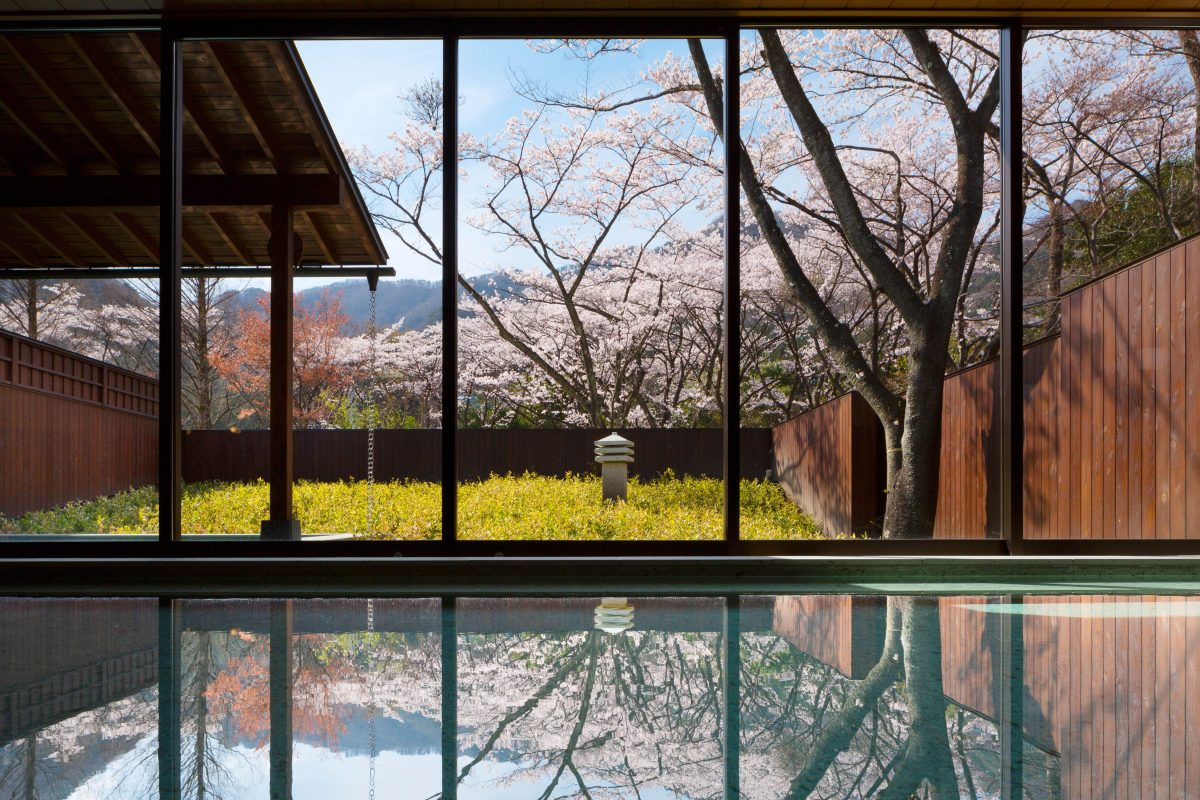
Hoshino Resorts’ KAI Kinugawa presents a hospitality concept that combines traditional Tochigi craftsmanship, seasonal landscapes, and contemporary ryokan design in the renowned hot spring destination of Kinugawa Onsen in Nikko, Tochigi Prefecture.
Located approximately two hours from the Tokyo metropolitan area and five minutes by car from Kinugawa-Onsen Station, the property is situated on a small hill overlooking the Kinugawa mountain stream. The 48-room hot spring ryokan incorporates regional materials and folk art traditions throughout its architecture and interior design, creating an environment that reflects the cultural heritage of Tochigi.
Located approximately two hours from the Tokyo metropolitan area and five minutes by car from Kinugawa-Onsen Station, the property is situated on a small hill overlooking the Kinugawa mountain stream. The 48-room hot spring ryokan incorporates regional materials and folk art traditions throughout its architecture and interior design, creating an environment that reflects the cultural heritage of Tochigi.
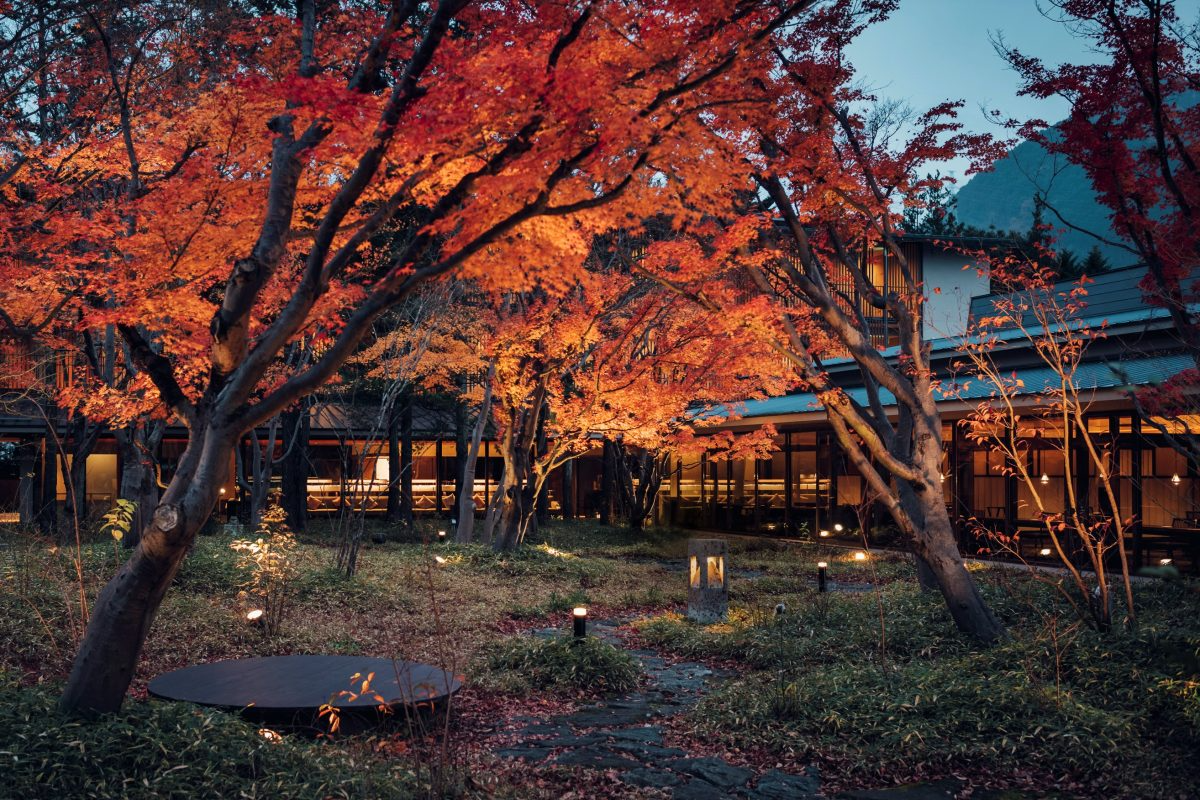
Guests arrive at the entrance hall via a slope car, where the sound of a suikinkutsu water feature crafted from Mashiko ware resonates throughout the space. The property incorporates several traditional Tochigi crafts, including Mashiko ware ceramics, Kurobane indigo dyeing, and Oya stone. These elements are integrated across guest accommodations and public areas, highlighting the region’s long-standing connection to the Mingei, or folk craft, movement.
The design of KAI Kinugawa is centered around a courtyard surrounded by guest rooms and open-air baths. Preserved natural trees form the focal point of the courtyard, allowing visitors to experience changing seasonal scenery throughout the year. Cherry blossoms in spring, fresh greenery during warmer months, autumn foliage, and winter snowscapes create distinct visual experiences that shape the atmosphere of the property.
The design of KAI Kinugawa is centered around a courtyard surrounded by guest rooms and open-air baths. Preserved natural trees form the focal point of the courtyard, allowing visitors to experience changing seasonal scenery throughout the year. Cherry blossoms in spring, fresh greenery during warmer months, autumn foliage, and winter snowscapes create distinct visual experiences that shape the atmosphere of the property.
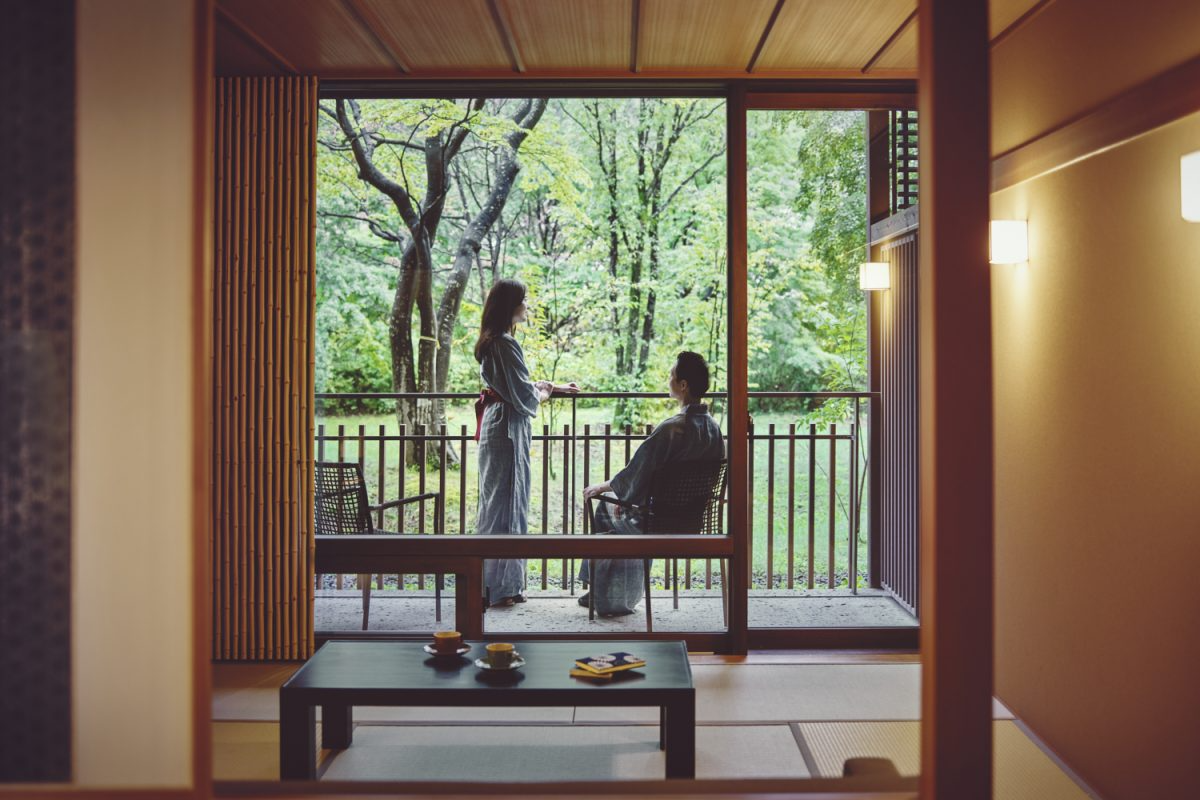
Spanning a 36,000-square-meter site along the Kinugawa mountain stream, the ryokan was designed to blend into the surrounding forest landscape. Accommodation buildings are positioned around the courtyard to maintain visual connections with nature while offering privacy and comfort for guests.
The property’s hot spring facilities draw on the heritage of Kinugawa Onsen, a destination with origins dating back to the Edo period. Historically, bathing in the area was restricted to Buddhist monks traveling to Nikko and feudal lords. The hot spring water is an alkaline simple spring known for its gentle qualities.
The property’s hot spring facilities draw on the heritage of Kinugawa Onsen, a destination with origins dating back to the Edo period. Historically, bathing in the area was restricted to Buddhist monks traveling to Nikko and feudal lords. The hot spring water is an alkaline simple spring known for its gentle qualities.
Architecturally, the bathhouse features large glass-paneled walls that frame views of the surrounding landscape. This design approach enables guests to experience the changing seasons from both indoor and outdoor bathing areas. During spring, a row of cherry blossom trees visible beyond the open-air baths creates a seasonal bathing experience that connects the hot spring environment with the natural setting.
Both indoor and outdoor public baths are available for men and women. The transparent architectural design emphasizes openness and visual continuity with the surrounding environment while maintaining the traditional role of the onsen as a place for relaxation.
Both indoor and outdoor public baths are available for men and women. The transparent architectural design emphasizes openness and visual continuity with the surrounding environment while maintaining the traditional role of the onsen as a place for relaxation.
Regional identity is also reflected in the property’s dining experience. The Kinugawa River, fed by water originating from the mountain ranges of Mount Nikko-Shirane, Mount Nantai, and Mount Nasu, has historically supported local food traditions. River fish became an important source of protein in landlocked Tochigi, while hunting activities in the mountainous areas contributed to a culinary culture shaped by wild game, mountain plants, and freshwater ingredients.
Inspired by this heritage, KAI Kinugawa offers the signature “U-Kamo Nabe” or Eel and Duck Hot Pot. The dish combines shirayaki unagi sourced from river environments with premium duck inspired by the region’s hunting traditions. Served in a single hot pot, the ingredients are complemented by dashi broth designed to highlight their natural flavors.
The dining menu also incorporates Tochigi strawberries and features presentation on locally crafted tableware. Mashiko ware ceramics and Kanuma kumiko woodwork are used throughout the dining experience, extending the property’s design narrative beyond architecture and into gastronomy.
All 48 accommodations at KAI Kinugawa are designated as “Tochigi Mingei Rooms.” The guest room concept draws inspiration from the philosophy of Mingei, a movement that recognized beauty in practical, everyday objects. The movement was promoted throughout Japan by figures including Soetsu Yanagi and Kanjiro Kawai.
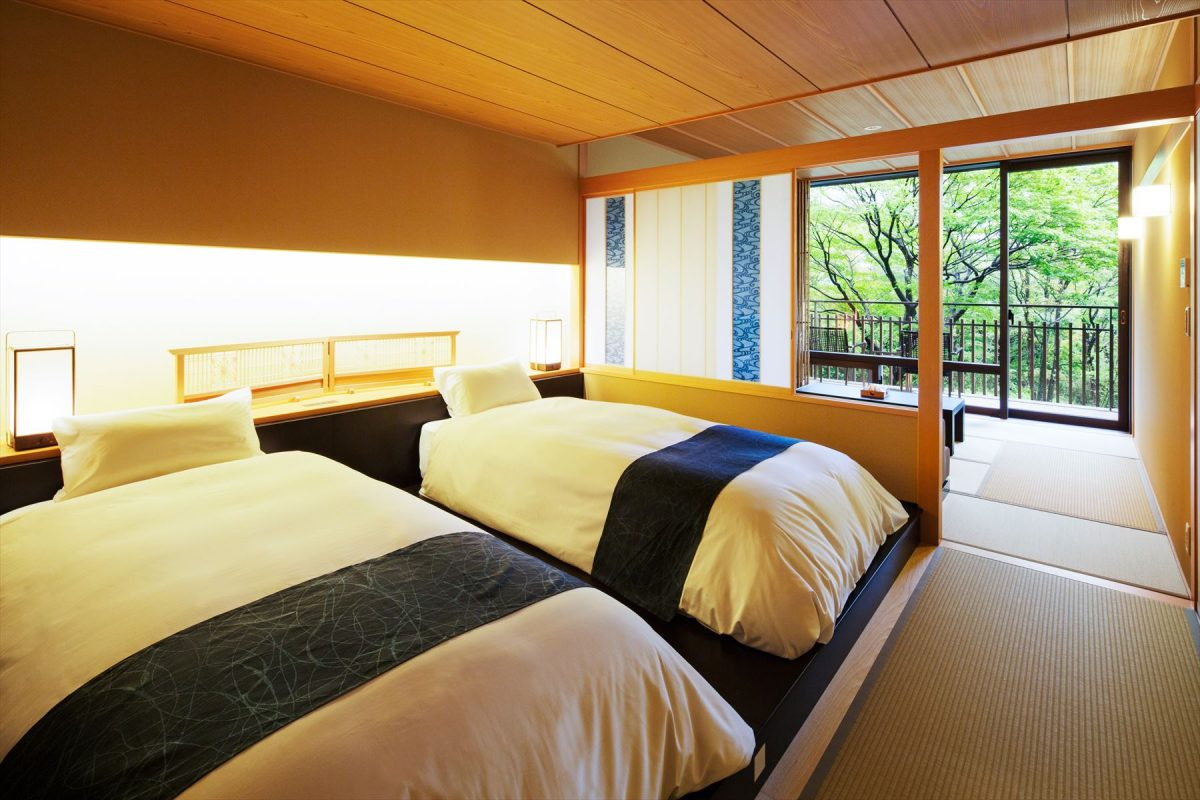
Each room incorporates elements of Tochigi craftsmanship through decorative and functional features. Mashiko ware appears in ceramic panel artwork and specially designed vases, showcasing the pottery’s distinctive texture and rich color tones. Kurobane indigo dyeing is integrated through bed runners that add visual depth and refinement to the interior environment.
Oya stone, a material formed from ancient volcanic ash and gravel deposits, is used on guest room terraces. Long utilized in Tochigi architecture, the stone contributes texture and regional character to the design while reinforcing connections to local building traditions.
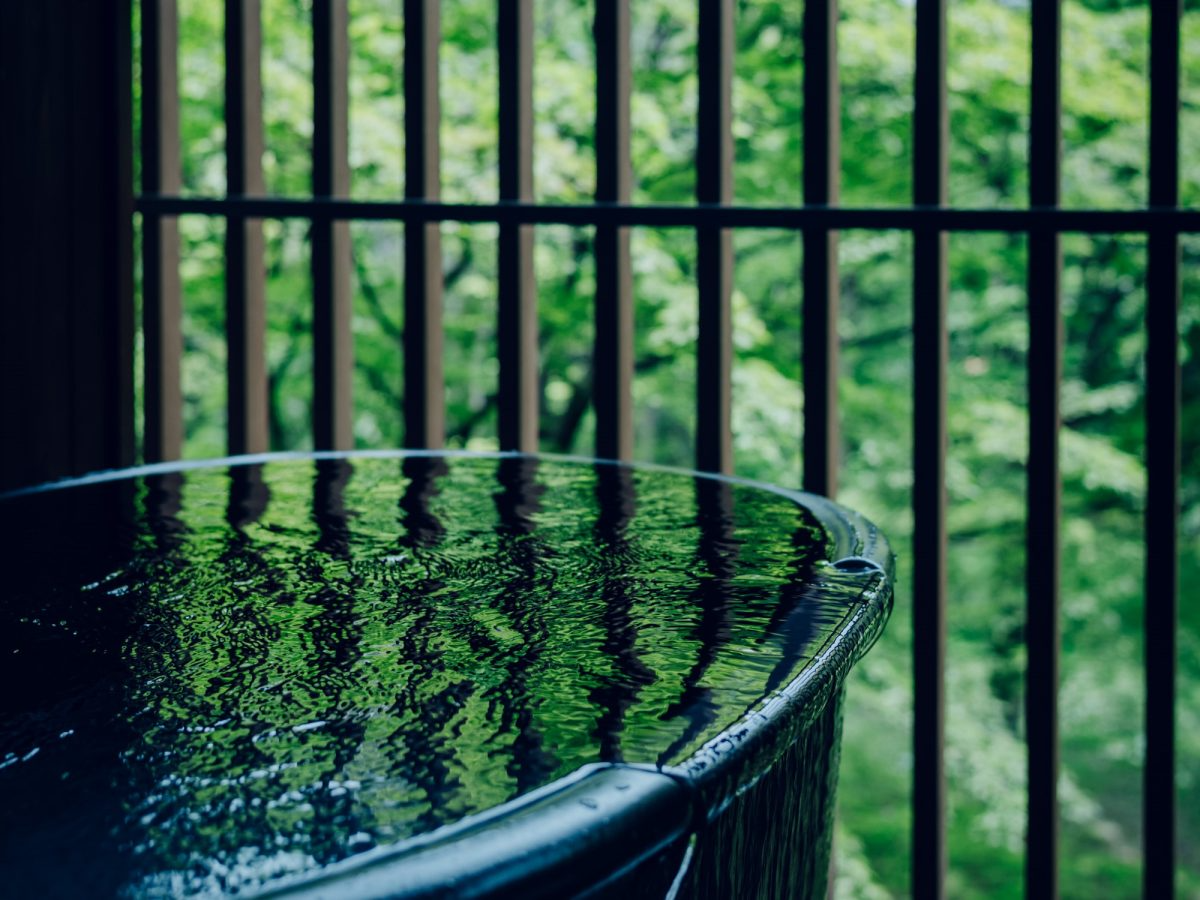
The accommodations also prioritize comfort through the inclusion of low beds and sofas. Of the 48 rooms, 20 feature private open-air hot spring baths, allowing guests to enjoy onsen experiences within their own accommodations.
Cultural engagement forms another component of the guest experience. As part of the KAI brand’s Cultural Discovery program, complimentary activities introduce visitors to regional traditions and craftsmanship. At KAI Kinugawa, guests can interact with contemporary artworks created using local techniques and gain a closer appreciation of the materials and textures associated with Tochigi’s craft heritage.
KAI is Hoshino Resorts’ onsen ryokan brand, offering a contemporary interpretation of traditional Japanese inns while incorporating modern comforts. Through hot springs, local arts, cultural experiences, and kaiseki dining featuring seasonal ingredients, the brand seeks to present different aspects of Japanese regional culture.
Hoshino Resorts traces its origins to a Japanese inn established in Karuizawa, Nagano Prefecture, in 1914. Today, the company operates more than 70 accommodations in Japan and overseas under brands including HOSHINOYA, KAI, RISONARE, OMO, BEB, and LUCY. KAI Kinugawa represents the company’s approach to hospitality design by combining regional craftsmanship, cultural heritage, and natural surroundings within a contemporary ryokan setting.
Inspired by this heritage, KAI Kinugawa offers the signature “U-Kamo Nabe” or Eel and Duck Hot Pot. The dish combines shirayaki unagi sourced from river environments with premium duck inspired by the region’s hunting traditions. Served in a single hot pot, the ingredients are complemented by dashi broth designed to highlight their natural flavors.
The dining menu also incorporates Tochigi strawberries and features presentation on locally crafted tableware. Mashiko ware ceramics and Kanuma kumiko woodwork are used throughout the dining experience, extending the property’s design narrative beyond architecture and into gastronomy.
All 48 accommodations at KAI Kinugawa are designated as “Tochigi Mingei Rooms.” The guest room concept draws inspiration from the philosophy of Mingei, a movement that recognized beauty in practical, everyday objects. The movement was promoted throughout Japan by figures including Soetsu Yanagi and Kanjiro Kawai.
Each room incorporates elements of Tochigi craftsmanship through decorative and functional features. Mashiko ware appears in ceramic panel artwork and specially designed vases, showcasing the pottery’s distinctive texture and rich color tones. Kurobane indigo dyeing is integrated through bed runners that add visual depth and refinement to the interior environment.
Oya stone, a material formed from ancient volcanic ash and gravel deposits, is used on guest room terraces. Long utilized in Tochigi architecture, the stone contributes texture and regional character to the design while reinforcing connections to local building traditions.
The accommodations also prioritize comfort through the inclusion of low beds and sofas. Of the 48 rooms, 20 feature private open-air hot spring baths, allowing guests to enjoy onsen experiences within their own accommodations.
Cultural engagement forms another component of the guest experience. As part of the KAI brand’s Cultural Discovery program, complimentary activities introduce visitors to regional traditions and craftsmanship. At KAI Kinugawa, guests can interact with contemporary artworks created using local techniques and gain a closer appreciation of the materials and textures associated with Tochigi’s craft heritage.
KAI is Hoshino Resorts’ onsen ryokan brand, offering a contemporary interpretation of traditional Japanese inns while incorporating modern comforts. Through hot springs, local arts, cultural experiences, and kaiseki dining featuring seasonal ingredients, the brand seeks to present different aspects of Japanese regional culture.
Hoshino Resorts traces its origins to a Japanese inn established in Karuizawa, Nagano Prefecture, in 1914. Today, the company operates more than 70 accommodations in Japan and overseas under brands including HOSHINOYA, KAI, RISONARE, OMO, BEB, and LUCY. KAI Kinugawa represents the company’s approach to hospitality design by combining regional craftsmanship, cultural heritage, and natural surroundings within a contemporary ryokan setting.