The landscape of hospitality in Southeast Asia is undergoing a fundamental transformation. For decades, the industry was defined by a "set it and forget it" mentality; owners provided the capital, international brands provided the flag, and the two operated in parallel, though not always in sync.
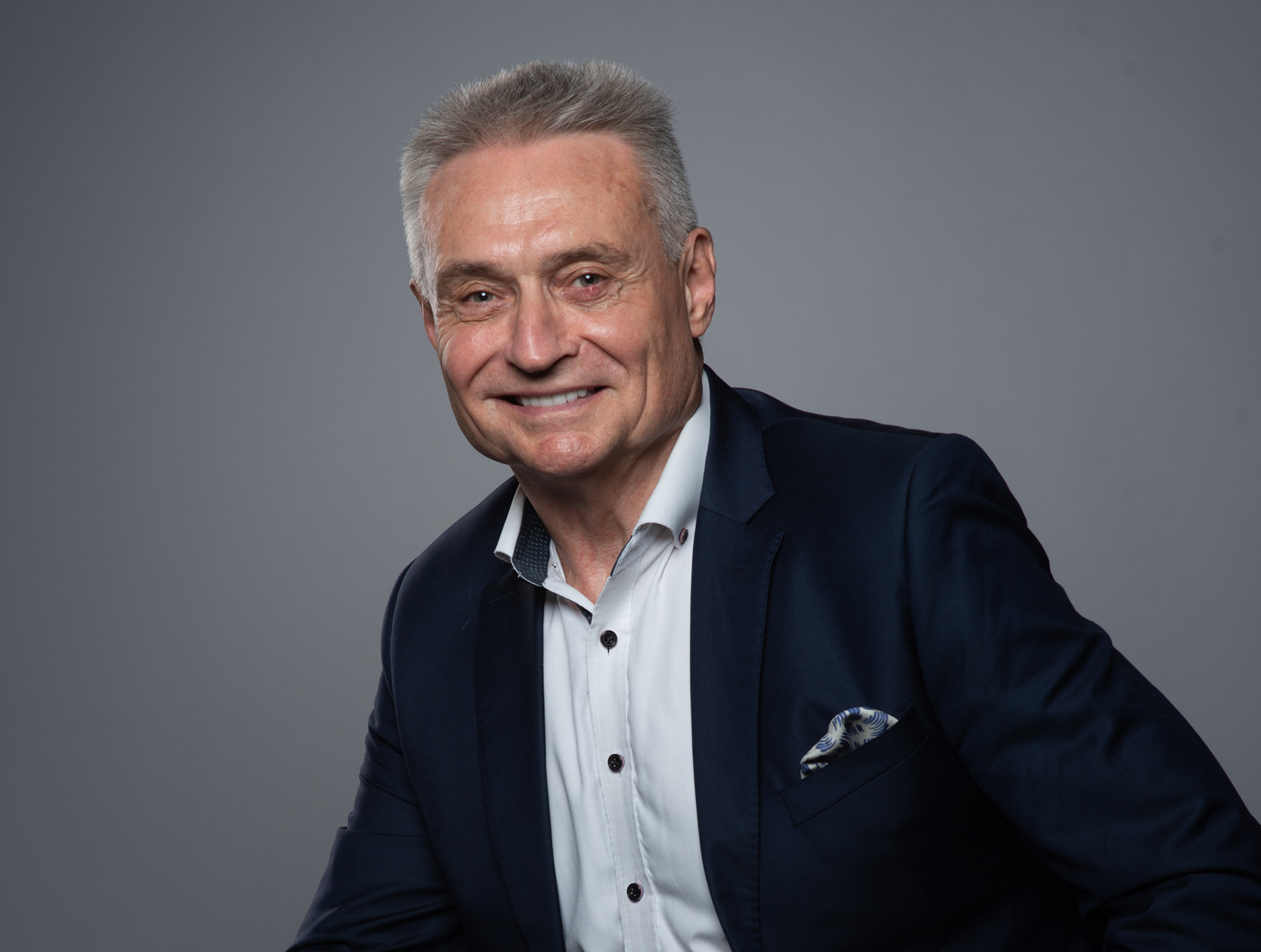
But as we move through 2026, that era is closing. Leading this shift is John Gardner, a five-star hotelier whose career spans over three decades across New Zealand, Australia, China, and Vietnam. From his tenure with Accor and IHG to his transformative leadership at the iconic Caravelle Saigon, Gardner has seen the industry from every conceivable angle. Today, as the co-founder of Optimum Hospitality, he is championing a new era of owner-centric management.
But as we move through 2026, that era is closing. Leading this shift is John Gardner, a five-star hotelier whose career spans over three decades across New Zealand, Australia, China, and Vietnam. From his tenure with Accor and IHG to his transformative leadership at the iconic Caravelle Saigon, Gardner has seen the industry from every conceivable angle. Today, as the co-founder of Optimum Hospitality, he is championing a new era of owner-centric management.
The Great Alignment: A Market Gap Exposed
After thirty years within the corridors of international brands, Gardner identified a recurring friction point: a profound lack of alignment between those who own the bricks and those who run the business.
"The biggest shift we’re seeing in Southeast Asia is owners demanding true alignment," Gardner explains. "They are no longer accepting structures where the operator succeeds regardless of the asset’s performance."
For years, many owners found themselves locked into long-term management agreements that offered little flexibility and even less transparency. While global brands brought distribution power, they didn't always prioritize the owner’s commercial bottom line. Gardner saw this as a market gap ripe for a more agile approach.
He said, "Optimum Hospitality was created to bridge that gap, to provide owner-centric, performance-driven management and advisory services, combining brand-level expertise with the flexibility and accountability that owners increasingly demand."
"The biggest shift we’re seeing in Southeast Asia is owners demanding true alignment," Gardner explains. "They are no longer accepting structures where the operator succeeds regardless of the asset’s performance."
For years, many owners found themselves locked into long-term management agreements that offered little flexibility and even less transparency. While global brands brought distribution power, they didn't always prioritize the owner’s commercial bottom line. Gardner saw this as a market gap ripe for a more agile approach.
He said, "Optimum Hospitality was created to bridge that gap, to provide owner-centric, performance-driven management and advisory services, combining brand-level expertise with the flexibility and accountability that owners increasingly demand."
Diagnosing the Underperforming Asset
In markets like Vietnam and Indonesia, the challenges are consistent: a shortage of seasoned leadership and a disconnect between a property’s original design and today's market demands. When Gardner is brought in to turn around an underperforming asset, he doesn't start with the lobby décor; he starts with the data.
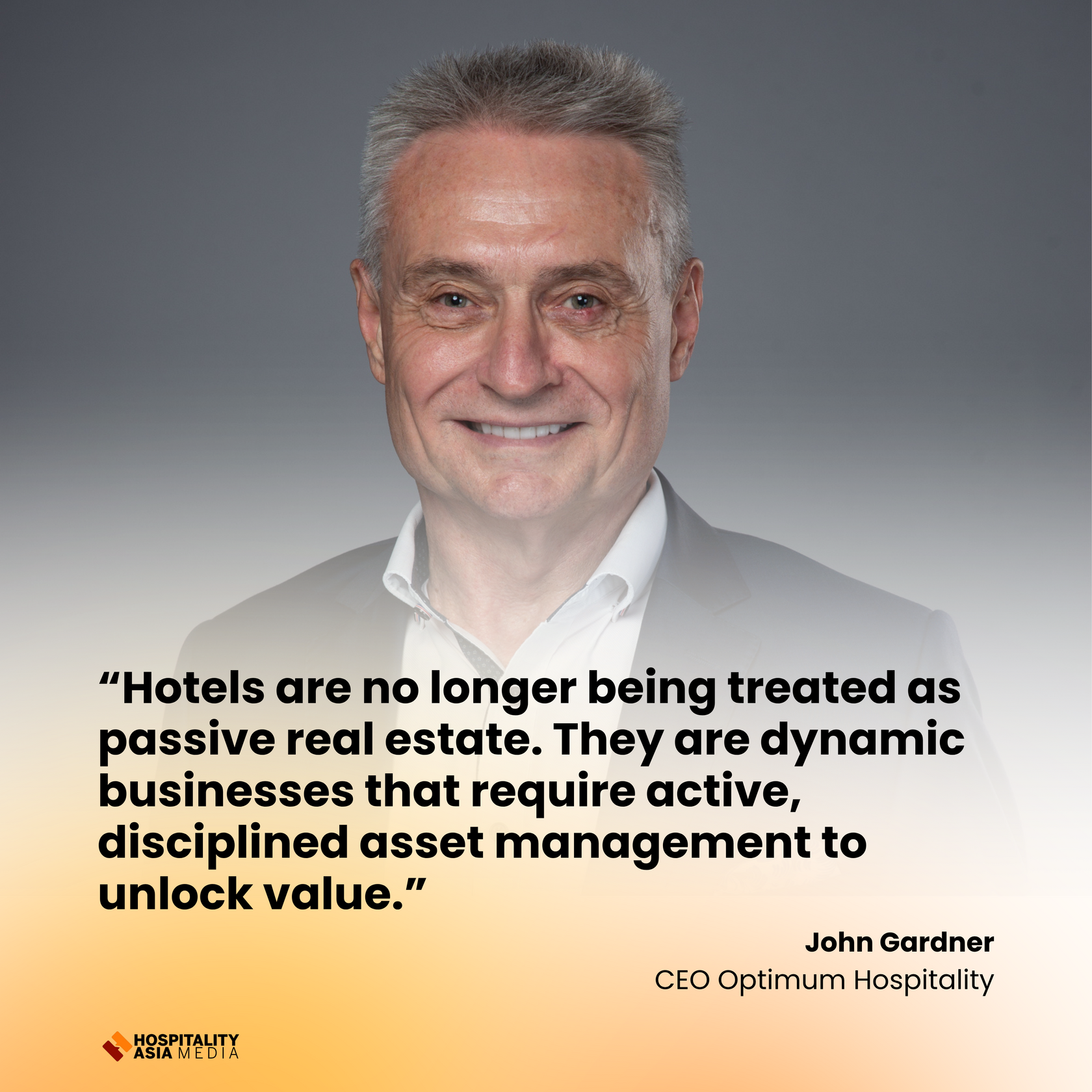
"Hotels are no longer being treated as passive real estate. They are dynamic businesses that require active, disciplined asset management to unlock value," Gardner asserts.
His diagnostic process focuses on the "Integrity of Numbers." He analyzes three core pillars to find the "leakage" in value:
"In most cases, underperformance is not due to a single issue," Gardner notes. "It’s a combination of pricing strategy, distribution inefficiencies, and a lack of marketing in the right areas."
"Hotels are no longer being treated as passive real estate. They are dynamic businesses that require active, disciplined asset management to unlock value," Gardner asserts.
His diagnostic process focuses on the "Integrity of Numbers." He analyzes three core pillars to find the "leakage" in value:
- Revenue Quality: Moving beyond simple occupancy to scrutinize Average Daily Rate (ADR) and channel mix.
- Cost Structure: Specifically, payroll efficiency and operational overhead.
- Market Positioning: How the property actually sits against its modern competitive set.
"In most cases, underperformance is not due to a single issue," Gardner notes. "It’s a combination of pricing strategy, distribution inefficiencies, and a lack of marketing in the right areas."
The Pivot to Franchise and Hybrid Models
One of the most significant trends Gardner highlights is the pivot toward franchise and hybrid models supported by independent operators. In mature markets like Indonesia and Vietnam, ownership sophistication has increased significantly. Owners still value the global reach of a major brand, but they are increasingly reluctant to hand over the keys entirely.
"Owners continue to value brand distribution and recognition, but they are increasingly reluctant to give up full operational control or accept rigid, long-term structures," Gardner observes.
This shift has fundamentally altered the power dynamic. "The balance has shifted noticeably towards owners," he says. "Today’s owners are far more informed and data-driven. They are benchmarking performance, questioning fee structures, and demanding accountability." This evolution has forced operators to move beyond "brand presence" and demonstrate tangible, bottom-line value.
"Owners continue to value brand distribution and recognition, but they are increasingly reluctant to give up full operational control or accept rigid, long-term structures," Gardner observes.
This shift has fundamentally altered the power dynamic. "The balance has shifted noticeably towards owners," he says. "Today’s owners are far more informed and data-driven. They are benchmarking performance, questioning fee structures, and demanding accountability." This evolution has forced operators to move beyond "brand presence" and demonstrate tangible, bottom-line value.
The Rise of the White-Label Model
One of the most significant trends Gardner highlights is the pivot toward franchise and white-label management. In mature markets like Indonesia and Vietnam, owners are becoming increasingly sophisticated. They want the "flag" for its distribution power, but they want an independent operator to manage the daily grind.
This hybrid model allows owners to maintain their own brand identity or operate under a global franchise while benefiting from professional systems. It removes the "non-interference" clauses that often hamstrung owners in the past.
"Owners today want control, flexibility, and transparency," says Gardner. "The white-label model allows them to have more involvement in their own assets without the strict constraints that come with full-service management agreements."
This hybrid model allows owners to maintain their own brand identity or operate under a global franchise while benefiting from professional systems. It removes the "non-interference" clauses that often hamstrung owners in the past.
"Owners today want control, flexibility, and transparency," says Gardner. "The white-label model allows them to have more involvement in their own assets without the strict constraints that come with full-service management agreements."
Avoidable Pitfalls: Aesthetics vs. Operations
Gardner is quick to point out that many owners sabotage their success long before the first guest checks in. The most common mistake? Prioritizing "Instagrammability" over operational flow.
"The most common mistake is designing for aesthetics rather than operations," Gardner warns. He frequently sees multi-million dollar projects with insufficient back-of-house flow, cramped storage, or layouts that require double the necessary staff to maintain.
Furthermore, Gardner emphasizes the "Pre-Opening Trap." Inexperienced owners often underestimate the time and capital required to implement systems, recruitment, and training once the physical structure is complete. "These decisions may look good at the development stage but create significant operational inefficiencies later."
"The most common mistake is designing for aesthetics rather than operations," Gardner warns. He frequently sees multi-million dollar projects with insufficient back-of-house flow, cramped storage, or layouts that require double the necessary staff to maintain.
Furthermore, Gardner emphasizes the "Pre-Opening Trap." Inexperienced owners often underestimate the time and capital required to implement systems, recruitment, and training once the physical structure is complete. "These decisions may look good at the development stage but create significant operational inefficiencies later."
The Path to 2030: Hotels as Dynamic Businesses
As Optimum Hospitality expands its footprint into Cambodia and Laos, Gardner’s mission remains focused on quality over rapid geographic scaling. For him, the future of the industry lies in Active Asset Management. The successful owners of the next decade will be those who treat their properties as living, breathing financial instruments. This requires a relentless focus on:
"Our role is simple: to bridge the gap between ownership and operations, and ensure that every decision ultimately drives performance and long-term asset value."
For John Gardner, the message to the industry is clear: the balance of power has shifted. Success in 2026 and beyond belongs to the owners who demand accountability and the operators who are brave enough to provide it.
- Agile Pricing: Real-time adjustments to market shifts.
- Digital Dominance: Investing in marketing that actually converts.
- Operational Discipline: Constant oversight of cost structures and operator performance.
"Our role is simple: to bridge the gap between ownership and operations, and ensure that every decision ultimately drives performance and long-term asset value."
For John Gardner, the message to the industry is clear: the balance of power has shifted. Success in 2026 and beyond belongs to the owners who demand accountability and the operators who are brave enough to provide it.
About John Gardner
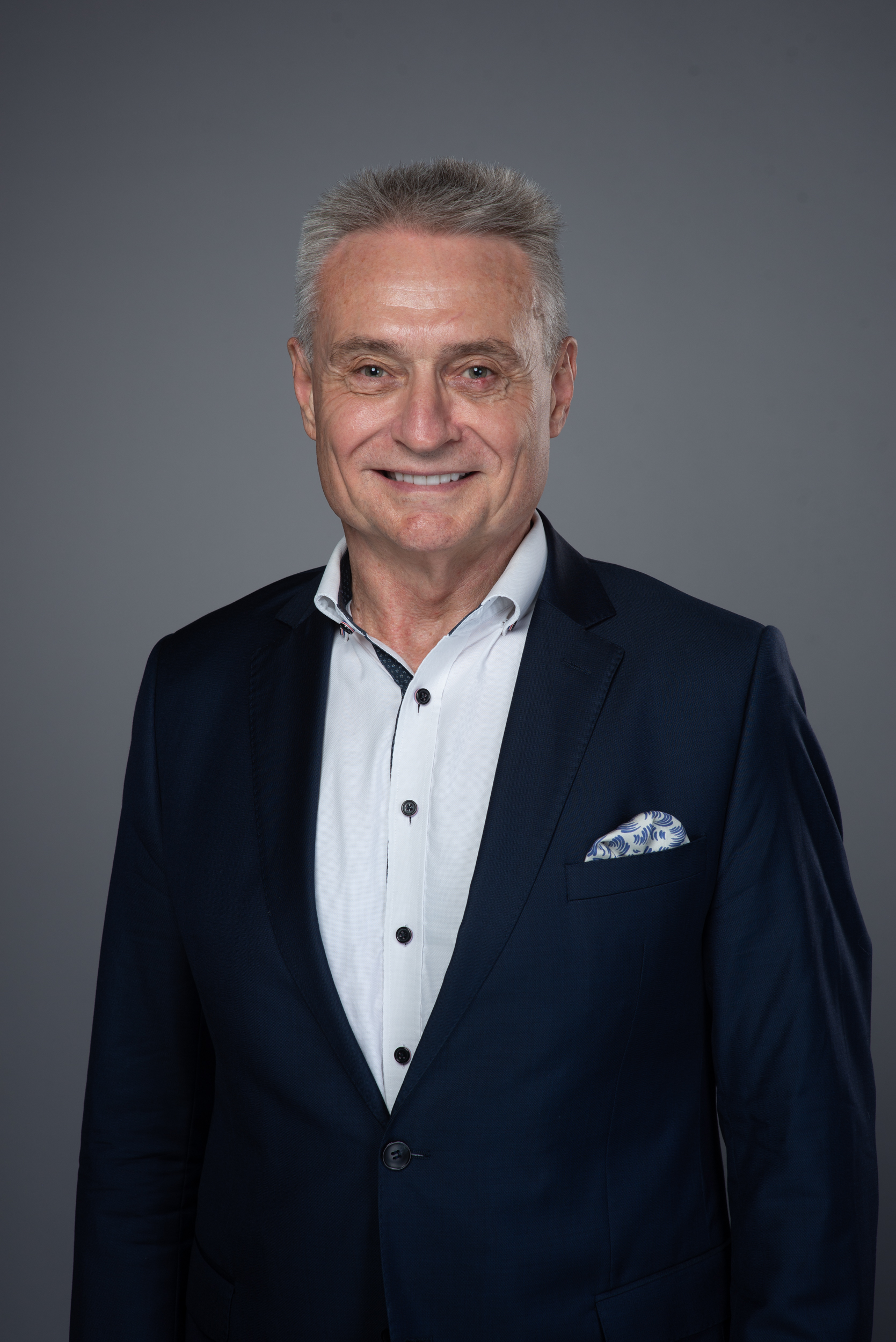
John is a seasoned 5-star hotelier and the co-founder of Optimum Hospitality. With a career spanning Accor, IHG, and the Caravelle Saigon, he now provides asset management and "white-label" consultancy across Southeast Asia, helping owners maximize profitability through disciplined, independent management.