
Key Takeaways
- Modern luxury hospitality has shifted from material grandeur to providing guests with privileged access to authentic, highly personalized local experiences.
- High-end resort operations can successfully run alongside ethical conservation by adhering to strict observational, non-exploitative animal welfare standards.
- Genuine sustainability requires complete operational integration, from hyper-local supply chains and solar power to active economic support for surrounding communities.
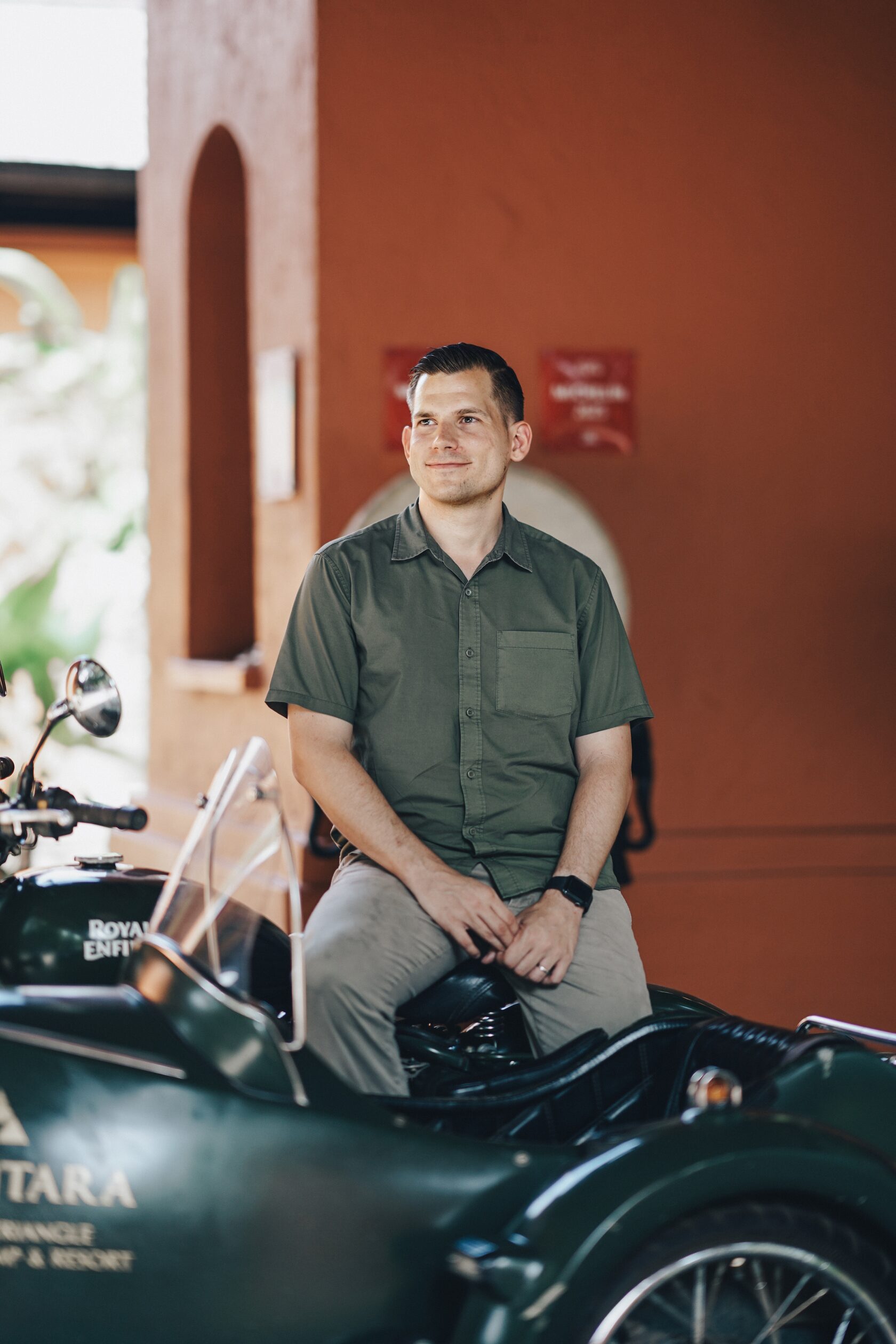
In an evolving global travel landscape, high-end hospitality is undergoing a fundamental transformation. Modern travelers are increasingly looking past conventional markers of luxury, such as opulent architectural finishes or static visual grandeur, in favor of authentic, meaningful, and environmentally responsible experiences. Located at the geographic intersection of Thailand, Myanmar, and Laos in Chiang Rai, Jean-Marc Pougnet, General Manager at Anantara Golden Triangle Elephant Camp & Resort, stands at the center of this industry shift.
Overseeing a premier destination where luxury service, ethical wildlife conservation, and regional storytelling operate in unison, Pougnet leads a model of hospitality that bridges guest comfort with environmental accountability. In this conversation, Pougnet shares his perspectives on managing high-end remote properties, embedding genuine sustainability into daily back-of-house operations, and defining the future of experience-driven tourism in Southeast Asia.
Overseeing a premier destination where luxury service, ethical wildlife conservation, and regional storytelling operate in unison, Pougnet leads a model of hospitality that bridges guest comfort with environmental accountability. In this conversation, Pougnet shares his perspectives on managing high-end remote properties, embedding genuine sustainability into daily back-of-house operations, and defining the future of experience-driven tourism in Southeast Asia.
The Evolution of Experiential Travel
The definition of luxury hospitality has shifted dramatically over the past two decades. Where high-end travelers once sought standardized marble-laden lobbies and formal service protocols, modern guests prioritize immersion, place-based storytelling, and social responsibility. Remote luxury properties face the unique challenge of delivering uncompromised five-star comfort while actively preserving the natural ecosystems and cultures that make their destinations desirable in the first place.
Under the operational guidance of Jean-Marc Pougnet, this balance is achieved by making sustainability and local heritage the core drivers of the guest experience. Operating in a unique jungle environment overlooking three nations, Pougnet’s approach demonstrates that commercial hospitality, regional community empowerment, and non-invasive animal welfare can reinforce one another to create a resilient, forward-thinking business model.
How is the broader luxury hospitality sector adapting to the shift from material extravagance to experience-driven travel?
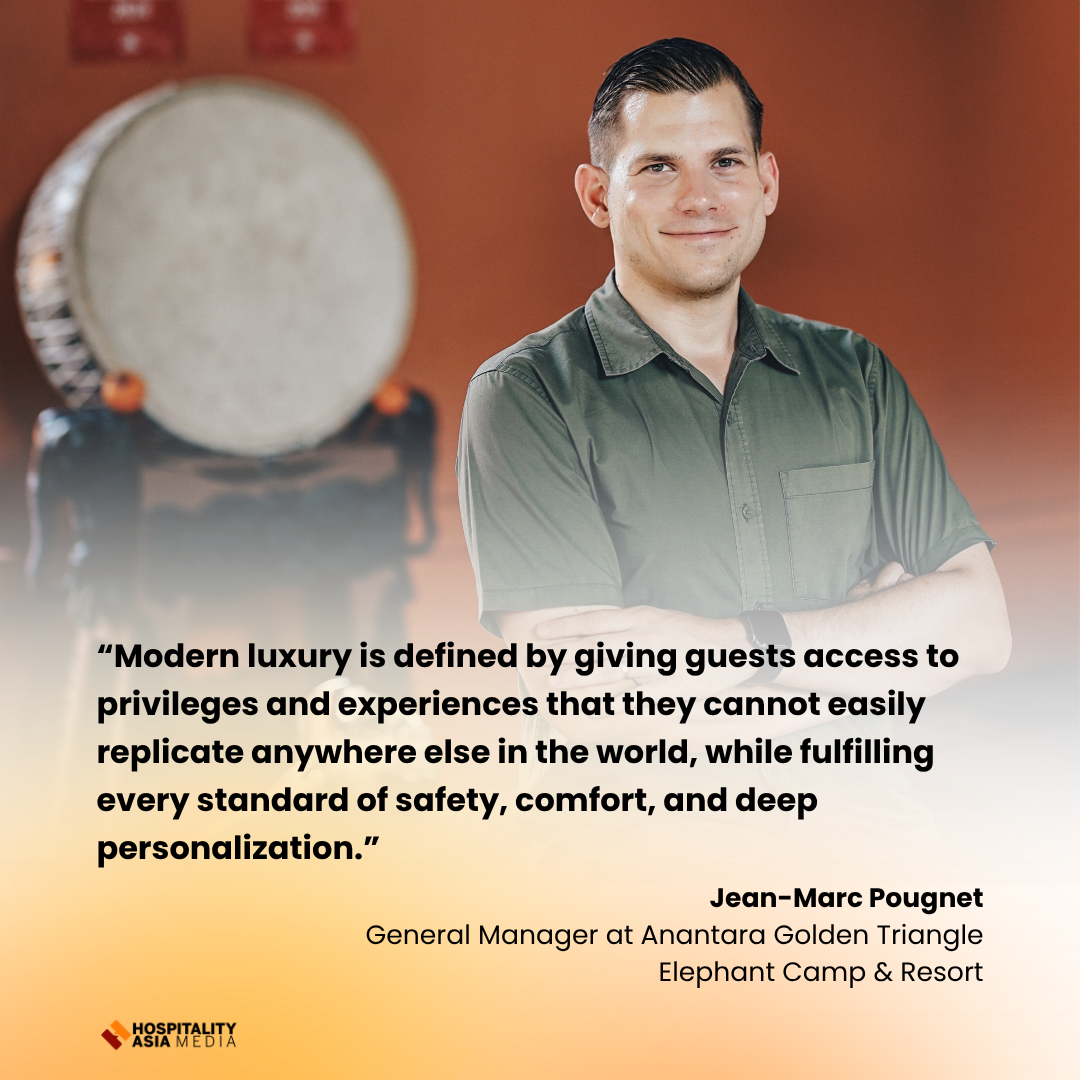
Jean-Marc Pougnet: Luxury today is no longer about placing an expensive hotel in a remote location and relying solely on lavish materials. Features like luxury linens, stunning views, fine dining, and excellent basic service are now baseline expectations for any premium accommodation. Modern luxury is defined by giving guests access to privileges and experiences that they cannot easily replicate anywhere else in the world, while fulfilling every standard of safety, comfort, and deep personalization.
When positioning a destination in today's market, the focus must shift from standard commercial promotion toward local heritage, geographic uniqueness, and ethical responsibility. When communicating with international partners and travelers, the industry is no longer selling a standard room product, as I often emphasize, "I'm not selling a hotel, I'm selling an experience."
This approach extends directly into ethical conservation models. For instance, operating alongside dedicated welfare entities, such as our partnership with the Golden Triangle Asian Elephant Foundation, creates a symbiotic framework. Commercial success generates the necessary financial resources to maintain top-tier care for rescued wildlife, while the presence of authentic conservation gives the destination its distinct identity. Crucially, operations must remain strictly observational and educational, verified by independent animal welfare auditors to ensure non-invasive practices.
Under the operational guidance of Jean-Marc Pougnet, this balance is achieved by making sustainability and local heritage the core drivers of the guest experience. Operating in a unique jungle environment overlooking three nations, Pougnet’s approach demonstrates that commercial hospitality, regional community empowerment, and non-invasive animal welfare can reinforce one another to create a resilient, forward-thinking business model.
How is the broader luxury hospitality sector adapting to the shift from material extravagance to experience-driven travel?
Jean-Marc Pougnet: Luxury today is no longer about placing an expensive hotel in a remote location and relying solely on lavish materials. Features like luxury linens, stunning views, fine dining, and excellent basic service are now baseline expectations for any premium accommodation. Modern luxury is defined by giving guests access to privileges and experiences that they cannot easily replicate anywhere else in the world, while fulfilling every standard of safety, comfort, and deep personalization.
When positioning a destination in today's market, the focus must shift from standard commercial promotion toward local heritage, geographic uniqueness, and ethical responsibility. When communicating with international partners and travelers, the industry is no longer selling a standard room product, as I often emphasize, "I'm not selling a hotel, I'm selling an experience."
This approach extends directly into ethical conservation models. For instance, operating alongside dedicated welfare entities, such as our partnership with the Golden Triangle Asian Elephant Foundation, creates a symbiotic framework. Commercial success generates the necessary financial resources to maintain top-tier care for rescued wildlife, while the presence of authentic conservation gives the destination its distinct identity. Crucially, operations must remain strictly observational and educational, verified by independent animal welfare auditors to ensure non-invasive practices.
How crucial is hyper-personalization when managing an experience-driven resort?
Jean-Marc Pougnet: Personalization is everything in this segment. Because we welcome a diverse mix of honeymooners, multi-generational families, and solo nature enthusiasts, we cannot rely on a standardized template. Every single guest journey must be customized from the moment a reservation is booked until the moment of departure.
To deliver real value, hospitality teams must conduct rigorous pre-arrival research to understand specific guest preferences. However, procedural planning is only half the equation; on-the-ground team empowerment is what truly drives service excellence. Staff members must be empowered to make immediate, real-time decisions that resolve issues or delight guests without navigating multi-level approval hierarchies.
Maintaining seamless service consistency across every operational touchpoint, from spa services to culinary and outdoor excursions, is vital. A single service breakdown in one department can easily overshadow multiple positive experiences, making organizational alignment essential for brand reputation.
Operating a luxury resort in a remote jungle environment carries clear operational friction. How do you maintain five-star standards despite those environmental factors?
Jean-Marc Pougnet: Operating open-air facilities in a jungle climate means dealing continuously with humidity, weather variations, and natural elements. Maintaining high physical standards requires heavy investment in preventative maintenance, dedicated landscaping teams, and experienced engineering staff who understand how to manage external factors smoothly behind the scenes.
From a service standpoint, maintaining five-star quality requires leadership to be constantly visible. Senior management cannot operate effectively purely from behind a desk in an office. We spend our days walking the property, talking with guests, and evaluating every detail from the guest’s perspective. Being present on the floor allows us to identify areas for small daily improvements before they ever become visible issues for our visitors.
Furthermore, luxury operators must recognize that traveler preferences evolve rapidly. "What we are doing today for guests tomorrow will be obsolete," which means the primary operational challenge is constantly innovating and refining the guest journey to stay ahead of market trends.
Modern travelers pay close attention to environmental impact. How do you translate sustainability principles into verifiable operational metrics?
Jean-Marc Pougnet: Sustainability can no longer exist as a high-level marketing concept; it must be built directly into daily back-of-house operations, resource tracking, and supply chain management. Rather than treating sustainability and social responsibility as secondary initiatives, operators must realize they run at full speed alongside core business operations.
To achieve measurable impact, properties should implement structural sustainability practices across key operational areas:
How should hospitality brands approach seasonal fluctuations in tropical or remote regions?
Jean-Marc Pougnet: Strategic positioning plays a significant role in managing seasonal demand. Instead of framing wetter periods negatively around "monsoon seasons," operators can position these times as the "green season" highlighting the lush landscapes, tranquil environment, and unique natural beauty that appeal to deliberate travelers.
By curating tailored seasonal packages, value-added inclusions, and targeted promotional campaigns across off-peak periods, operators can maintain steady demand year-round. Providing varied, high-quality experiences across different weather conditions ensures consistent utility for guests regardless of the season.
Jean-Marc Pougnet: Personalization is everything in this segment. Because we welcome a diverse mix of honeymooners, multi-generational families, and solo nature enthusiasts, we cannot rely on a standardized template. Every single guest journey must be customized from the moment a reservation is booked until the moment of departure.
To deliver real value, hospitality teams must conduct rigorous pre-arrival research to understand specific guest preferences. However, procedural planning is only half the equation; on-the-ground team empowerment is what truly drives service excellence. Staff members must be empowered to make immediate, real-time decisions that resolve issues or delight guests without navigating multi-level approval hierarchies.
Maintaining seamless service consistency across every operational touchpoint, from spa services to culinary and outdoor excursions, is vital. A single service breakdown in one department can easily overshadow multiple positive experiences, making organizational alignment essential for brand reputation.
Operating a luxury resort in a remote jungle environment carries clear operational friction. How do you maintain five-star standards despite those environmental factors?
Jean-Marc Pougnet: Operating open-air facilities in a jungle climate means dealing continuously with humidity, weather variations, and natural elements. Maintaining high physical standards requires heavy investment in preventative maintenance, dedicated landscaping teams, and experienced engineering staff who understand how to manage external factors smoothly behind the scenes.
From a service standpoint, maintaining five-star quality requires leadership to be constantly visible. Senior management cannot operate effectively purely from behind a desk in an office. We spend our days walking the property, talking with guests, and evaluating every detail from the guest’s perspective. Being present on the floor allows us to identify areas for small daily improvements before they ever become visible issues for our visitors.
Furthermore, luxury operators must recognize that traveler preferences evolve rapidly. "What we are doing today for guests tomorrow will be obsolete," which means the primary operational challenge is constantly innovating and refining the guest journey to stay ahead of market trends.
Modern travelers pay close attention to environmental impact. How do you translate sustainability principles into verifiable operational metrics?
Jean-Marc Pougnet: Sustainability can no longer exist as a high-level marketing concept; it must be built directly into daily back-of-house operations, resource tracking, and supply chain management. Rather than treating sustainability and social responsibility as secondary initiatives, operators must realize they run at full speed alongside core business operations.
To achieve measurable impact, properties should implement structural sustainability practices across key operational areas:
- Ethical Conservation: Funding and maintaining care for vulnerable and rescued wildlife under audited, observational and educational models.
- Hyper-Local Sourcing: Reducing carbon footprints by sourcing the majority of culinary produce locally, for example, securing 75% to 80% of ingredients within a 20-kilometer radius, complemented by on-site organic gardens, orchards, and farming initiatives.
- Community Economic Impact: Structuring retail and supply chains to directly support local artisans, regional social enterprises, and community institutions, ensuring tourism spending remains within the destination.
- Resource Circularity and Clean Energy: Transitioning back-of-house operations to solar-assisted power grids, utilizing deep water wells to alleviate public infrastructure pressure, implementing zero-single-use-plastic mandates, and processing organic waste through on-site biogas systems to produce clean energy and organic fertilizer.
How should hospitality brands approach seasonal fluctuations in tropical or remote regions?
Jean-Marc Pougnet: Strategic positioning plays a significant role in managing seasonal demand. Instead of framing wetter periods negatively around "monsoon seasons," operators can position these times as the "green season" highlighting the lush landscapes, tranquil environment, and unique natural beauty that appeal to deliberate travelers.
By curating tailored seasonal packages, value-added inclusions, and targeted promotional campaigns across off-peak periods, operators can maintain steady demand year-round. Providing varied, high-quality experiences across different weather conditions ensures consistent utility for guests regardless of the season.
Looking ahead, what do you believe will define the future of luxury hospitality in remote natural destinations?
Jean-Marc Pougnet: Demand for niche, environmentally conscious luxury properties will continue to grow significantly. Travelers are becoming much more discerning about where their money goes. They want to know whether a resort actively protects its surrounding environment, how it treats animals, and whether local residents benefit from its commercial operations.
While global events, economic cycles, and geopolitical fluctuations will always cause temporary shifts in international travel, the underlying human desire to explore new cultures and natural environments is permanent. Properties that build their foundation on genuine sustainability, ethical wildlife care, and deeply personalized service are best positioned to thrive over the long term.
Jean-Marc Pougnet: Demand for niche, environmentally conscious luxury properties will continue to grow significantly. Travelers are becoming much more discerning about where their money goes. They want to know whether a resort actively protects its surrounding environment, how it treats animals, and whether local residents benefit from its commercial operations.
While global events, economic cycles, and geopolitical fluctuations will always cause temporary shifts in international travel, the underlying human desire to explore new cultures and natural environments is permanent. Properties that build their foundation on genuine sustainability, ethical wildlife care, and deeply personalized service are best positioned to thrive over the long term.
Driving Purposeful Hospitality
The operational insights shared by Jean-Marc Pougnet highlight a clear direction for the global luxury travel market. High-end hospitality is no longer measured solely by physical grandeur or isolated comfort, but by a property's ability to integrate guests meaningfully into the culture, history, and natural ecosystem of its destination.
By establishing high ethical standards for animal welfare through the Golden Triangle Asian Elephant Foundation, minimizing back-of-house environmental footprints through solar power and biogas conversion, and ensuring that economic benefits flow directly back into regional communities, Pougnet's approach demonstrates that luxury and conservation can operate side-by-side. As traveler preferences continue to lean toward authenticity, purpose, and environmental accountability, this model offers a clear, sustainable roadmap for the future of international luxury tourism.
By establishing high ethical standards for animal welfare through the Golden Triangle Asian Elephant Foundation, minimizing back-of-house environmental footprints through solar power and biogas conversion, and ensuring that economic benefits flow directly back into regional communities, Pougnet's approach demonstrates that luxury and conservation can operate side-by-side. As traveler preferences continue to lean toward authenticity, purpose, and environmental accountability, this model offers a clear, sustainable roadmap for the future of international luxury tourism.
About Jean-Marc Pougnet
Jean-Marc Pougnet is an experienced hospitality professional, bringing over 12 years of international experience across three continents. As a luxury hospitality leader, his focus centers on designing experiential guest journeys, driving strong commercial performance, and fostering people-centric leadership. His professional background spans ultra-luxury operations, strategic brand positioning, and crafting authentic sense-of-place experiences deeply rooted in local culture. Passionate about elevating destinations through operational innovation, immersive storytelling, and sustainable development, he believes true luxury lies in authenticity, emotional connection, and delivering enduring value that extends well beyond the guest’s stay.