
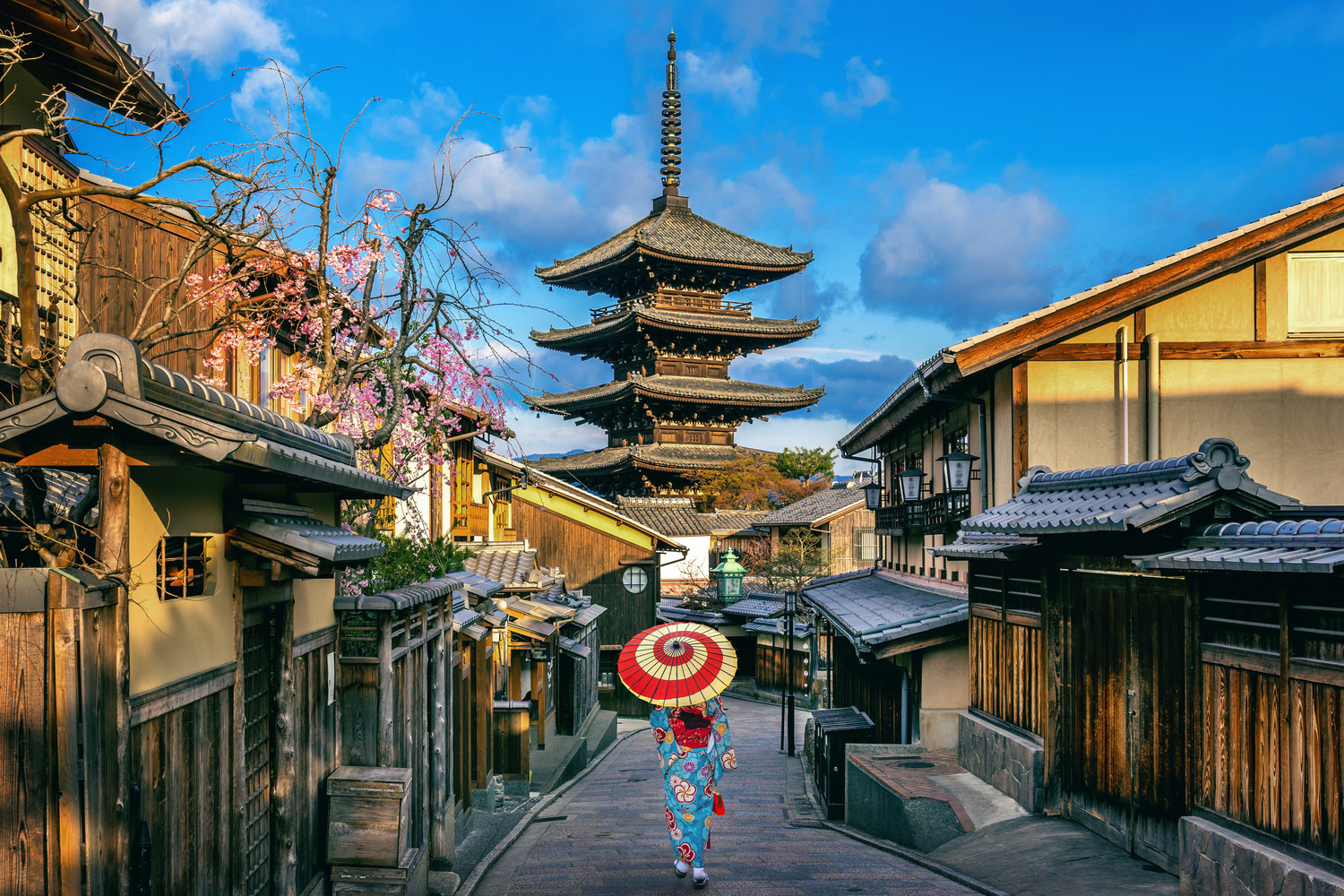
For decades, the Japan experience was defined by the neon pulse of Shibuya or the crowded stone paths of Kyoto’s Gion District. But as the nation moved into 2026, a quiet revolution reached its tipping point. Japan is no longer just a destination, it has become a pioneer in the global movement to redefine what it means to travel responsibly.
In March 2026, the Japanese Cabinet approved the New Tourism Nation Promotion Basic Plan, a landmark strategy that formalizes a decisive pivot. The era of chasing visitor volume is over; the era of sustainable value and regional revitalization has arrived.
In March 2026, the Japanese Cabinet approved the New Tourism Nation Promotion Basic Plan, a landmark strategy that formalizes a decisive pivot. The era of chasing visitor volume is over; the era of sustainable value and regional revitalization has arrived.
A Policy-Driven Transformation
Japan’s approach to sustainable tourism is meticulously structured. Central to this is the Japan Sustainable Tourism Standard for Destinations (JSTS-D), a framework adapted from international UN standards to guide local governments. This isn't just bureaucratic paperwork, it is a blueprint for survival.
From the lush mangroves of Okinawa to the geothermal wonders of Hakone, regional authorities are implementing strict eco-management. In Okinawa, waste management systems and renewable energy initiatives have been integrated into the traveler experience. Meanwhile, Hakone is actively pursuing "Green Destination" certification, balancing its unique volcanic topography with the needs of its resident community.
The financial engine behind this shift is equally bold. Beginning in July 2026, Japan’s international departure tax tripled from ¥1,000 to ¥3,000. These funds are being funneled directly into environmental infrastructure and the preservation of the very cultural assets that draw visitors in the first place.
From the lush mangroves of Okinawa to the geothermal wonders of Hakone, regional authorities are implementing strict eco-management. In Okinawa, waste management systems and renewable energy initiatives have been integrated into the traveler experience. Meanwhile, Hakone is actively pursuing "Green Destination" certification, balancing its unique volcanic topography with the needs of its resident community.
The financial engine behind this shift is equally bold. Beginning in July 2026, Japan’s international departure tax tripled from ¥1,000 to ¥3,000. These funds are being funneled directly into environmental infrastructure and the preservation of the very cultural assets that draw visitors in the first place.
Solving the Overtourism Puzzle
The primary challenge facing 2026 Japan is overtourism. To combat the strain on major hubs, the government is incentivizing "regional dispersion." The goal is to steer the traveler’s gaze away from the Golden Route (Tokyo-Osaka-Kyoto) and toward the roads less traveled.
This Local-First engagement encourages travelers to stay longer in a single area, supporting rural economies that have historically been overlooked. Whether it is participating in centuries-old festivals in Shikoku or supporting traditional artisans in Kanazawa, the objective is to ensure that tourism revenue stays within the community, fostering a symbiotic relationship between the visitor and the host.
This Local-First engagement encourages travelers to stay longer in a single area, supporting rural economies that have historically been overlooked. Whether it is participating in centuries-old festivals in Shikoku or supporting traditional artisans in Kanazawa, the objective is to ensure that tourism revenue stays within the community, fostering a symbiotic relationship between the visitor and the host.
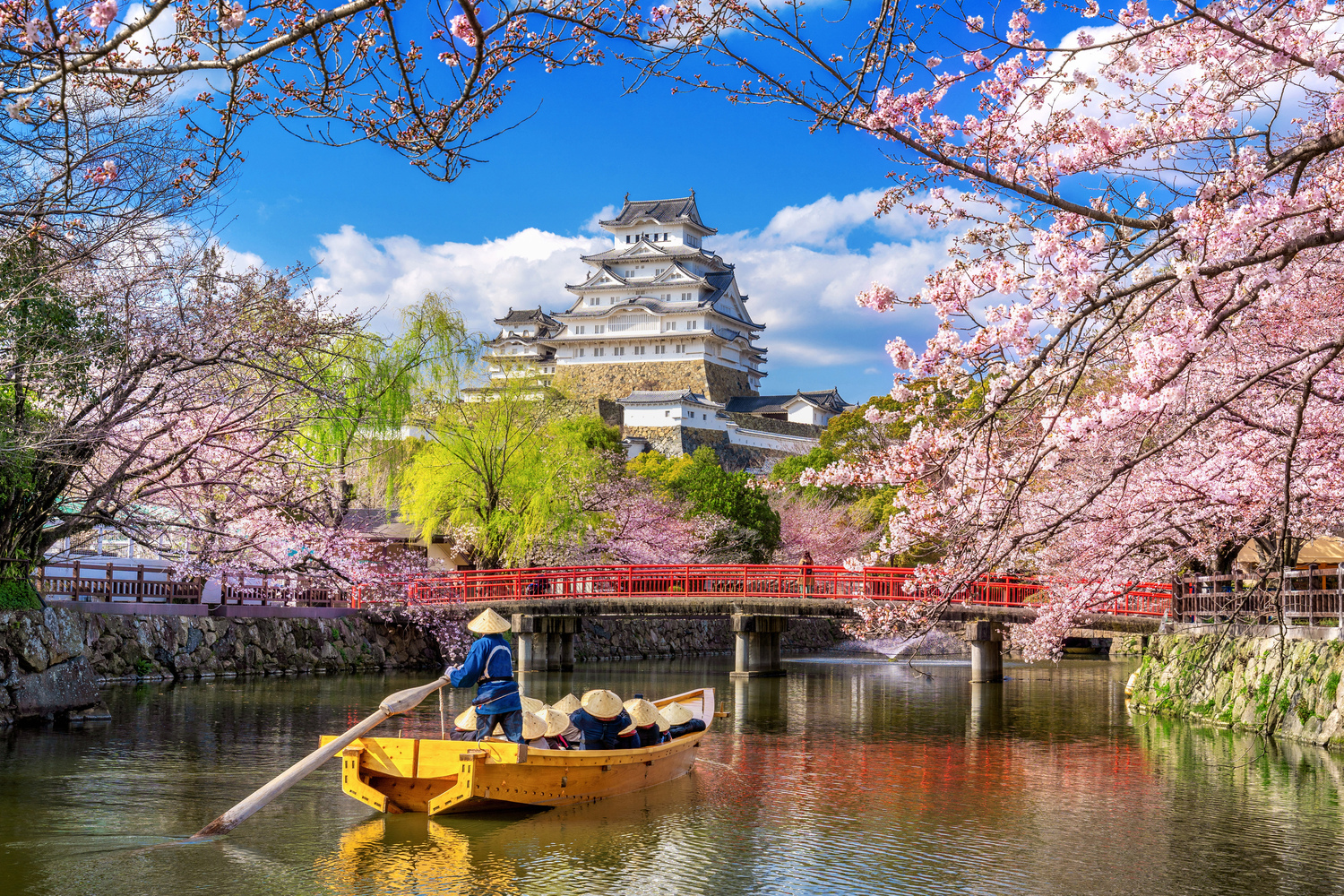
The strategy appears to be working. The Japan sustainable tourism market is projected to grow at a CAGR of 12.8% between 2026 and 2033. This growth reflects a global appetite for travel that offers "cultural integrity" rather than just a photo opportunity. By focusing on high-spending, long-stay travelers who value environmental stewardship, Japan is proving that sustainability and profitability are not mutually exclusive.
While traveling through the Iya Valley in Tokushima, I experienced the new Japanese tourism firsthand. In this remote hidden valley, ancient thatched-roof farmhouses have been restored into eco-luxury accommodations. There were no plastic water bottles; the water came from local mountain springs. The dinner was kilometers-zero, featuring vegetables foraged from the surrounding slopes. The experience felt deeply luxurious, not because of gold leaf or marble, but because of its authenticity and the visible pride of the local residents. In these moments, you realize that sustainability isn't a sacrifice of comfort—it is an elevation of the travel experience.
While traveling through the Iya Valley in Tokushima, I experienced the new Japanese tourism firsthand. In this remote hidden valley, ancient thatched-roof farmhouses have been restored into eco-luxury accommodations. There were no plastic water bottles; the water came from local mountain springs. The dinner was kilometers-zero, featuring vegetables foraged from the surrounding slopes. The experience felt deeply luxurious, not because of gold leaf or marble, but because of its authenticity and the visible pride of the local residents. In these moments, you realize that sustainability isn't a sacrifice of comfort—it is an elevation of the travel experience.
Navigating the Future with Resilience
The Tourism Resilience Symposium 2026 highlighted that Japan’s tourism model must now be shock-proof. By diversifying destinations and focusing on ecological stewardship, the country is building a tourism sector that can withstand both economic shifts and environmental challenges.
Industry collaborations, such as the ASEAN-Japan Sustainable Tourism Initiative, are further positioning Japan as a regional leader, sharing best practices in community-based tourism. From the extensive use of the world-class rail network to reduce carbon footprints to the promotion of off-season travel, the nation is setting a gold standard for the rest of the world.
As we look toward 2030, Japan’s message is clear: The future of travel lies in harmony. By protecting its natural landscapes and ancestral traditions, Japan isn't just saving its culture. It is ensuring that the world has a reason to keep visiting for generations to come.
Industry collaborations, such as the ASEAN-Japan Sustainable Tourism Initiative, are further positioning Japan as a regional leader, sharing best practices in community-based tourism. From the extensive use of the world-class rail network to reduce carbon footprints to the promotion of off-season travel, the nation is setting a gold standard for the rest of the world.
As we look toward 2030, Japan’s message is clear: The future of travel lies in harmony. By protecting its natural landscapes and ancestral traditions, Japan isn't just saving its culture. It is ensuring that the world has a reason to keep visiting for generations to come.