
IHG Hotels & Resorts has announced the signing of Kimpton Kota Kinabalu, reinforcing its ambition to expand its luxury and lifestyle portfolio in Malaysia and strengthen its footprint across Hospitality Asia. The 350-key beachfront property, developed in partnership with Pekah Beach Resorts Sdn Bhd, is slated to open in 2031 along Kota Kinabalu’s well-known Tanjung Aru coastline.
The development marks the second Kimpton-branded property in the country, following the upcoming Kimpton Naluria Kuala Lumpur. Together, the projects signal IHG’s growing confidence in Hospitality in Malaysia as a key growth market, particularly as demand shifts toward experience-driven travel.
Expanding into Resort-Led Lifestyle Hospitality
While Kimpton Naluria Kuala Lumpur introduces the brand into an urban financial district, Kimpton Kota Kinabalu represents a strategic move into a resort destination. This dual approach reflects a broader industry trend across Hospitality Asia, where global hotel operators are diversifying their portfolios across both city and leisure markets to capture different traveler segments.
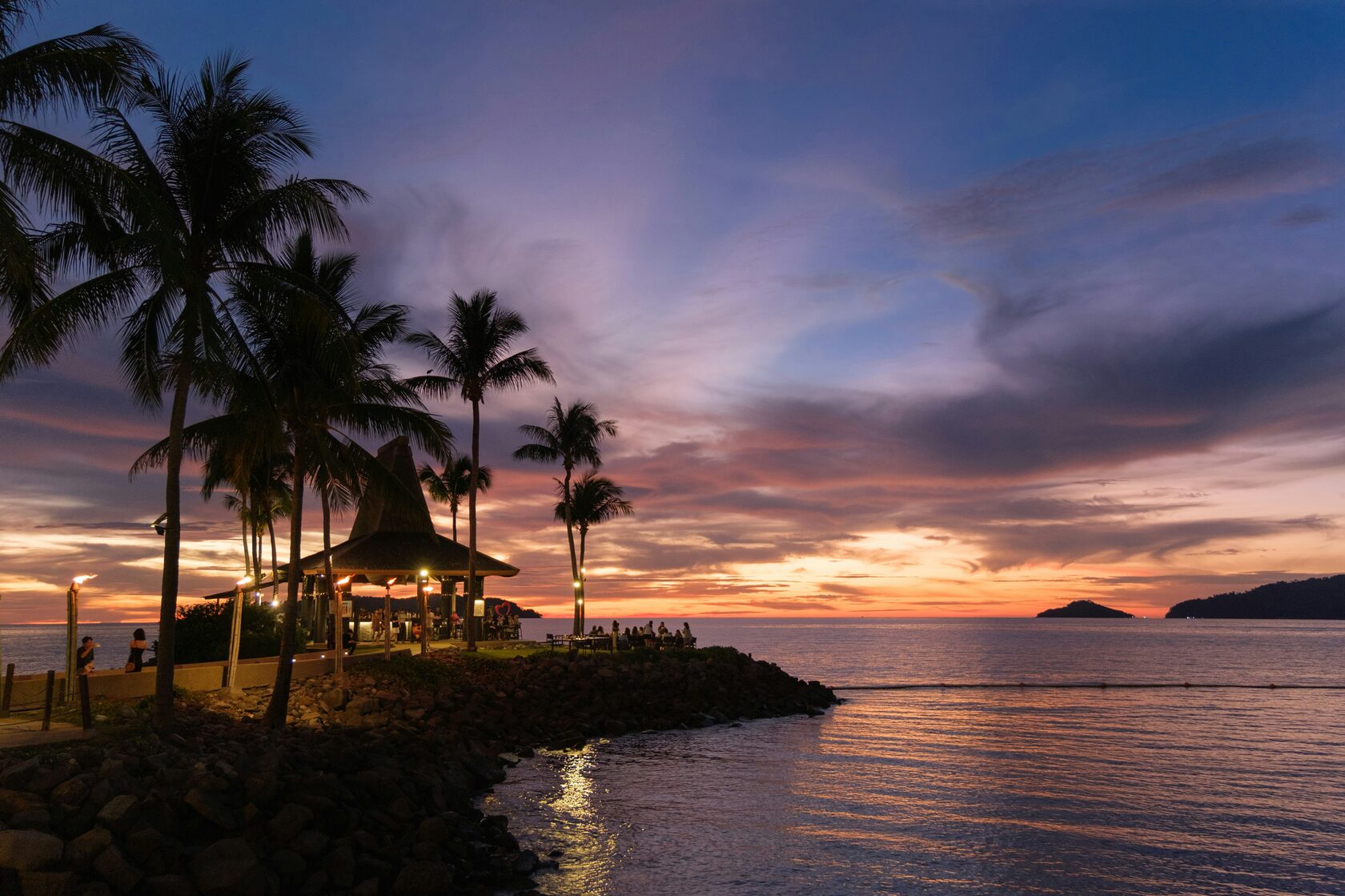
Kota Kinabalu, the capital of Sabah, has long been recognized for its natural appeal, offering access to marine biodiversity, tropical islands, and the UNESCO-listed Mount Kinabalu. The Tanjung Aru beachfront, where the hotel will be located, is particularly known for its sunset views and proximity to the city’s international airport, making it a prime location for upscale hotel and resort in Kinabalu, Malaysia.
By introducing a design-led lifestyle brand into this setting, IHG is positioning the property to appeal to affluent leisure travelers seeking more personalized and immersive experiences.
Positioning Kimpton as a Social and Cultural Hub
Consistent with Kimpton Hotels & Restaurants’ global identity, the Kota Kinabalu property will emphasize human-centric hospitality, distinctive design, and strong community integration. Rather than functioning solely as accommodation, the hotel is expected to operate as a social hub that connects guests with local culture.
The property will feature a range of dining and lifestyle venues, including an all-day dining restaurant, a beach club, and a specialty restaurant concept. Additional facilities will include swimming pools, a pool bar, and wellness offerings such as fitness spaces and curated experiences.
IHG indicated that public areas and programming will be designed to celebrate Sabah’s cultural and creative landscape, incorporating elements such as local music, cuisine, and art. This aligns with a wider shift in the hospitality sector, where lifestyle brands are increasingly prioritizing authenticity and local storytelling as differentiators.
For stakeholders in Hospitality Asia, this approach reflects the growing importance of experiential value in driving both occupancy and guest loyalty.
Strategic Growth in Malaysia
The signing of Kimpton Kota Kinabalu comes as IHG accelerates its expansion plans in Malaysia. According to the company, it aims to triple its luxury and lifestyle portfolio in the country over the next few years, further strengthening Hospitality in Malaysia through a diversified brand strategy.
Malaysia’s tourism sector has shown steady recovery and growth, supported by government initiatives, improved connectivity, and a diversified destination offering. Within this context, lifestyle and luxury segments are gaining traction, particularly among international travelers seeking unique and high-quality experiences.
For developers, partnerships with global operators like IHG provide access to established brand equity, distribution networks, and operational expertise. The collaboration with Pekah Beach Resorts Sdn Bhd highlights the role of local partners in unlocking prime locations and navigating regulatory landscapes.
Claire Tan, Director of Pekah Beach Resorts Sdn Bhd, noted that the project aims to introduce a new category to the destination. Positioned as the first beachfront luxury lifestyle hotel at Tanjung Aru Beach, the development is expected to set a benchmark for design and guest experience in the hotel and resort in Kinabalu, Malaysia segment.
Regional Pipeline and Brand Momentum
Kimpton’s expansion in Southeast Asia continues to gain momentum, reflecting broader demand for boutique-style luxury accommodations. Globally, the brand operates more than 80 hotels, with over 60 additional properties in development as of the end of 2025.
In Southeast Asia, three Kimpton hotels are currently operational, with six more in the pipeline. Among these is Kimpton Suntaya Bali Ubud, which will mark the brand’s debut in Indonesia and further strengthen its presence in key resort destinations.
This regional growth underscores the increasing relevance of lifestyle brands in markets traditionally dominated by standardized luxury offerings. By focusing on individuality, design, and local engagement, Kimpton is positioning itself to capture a niche yet growing segment of travelers.
Outlook for Kota Kinabalu’s Hospitality Market
The addition of Kimpton Kota Kinabalu is expected to contribute to the ongoing evolution of Kota Kinabalu as an upscale tourism destination. While the city has historically attracted leisure travelers, the introduction of globally recognized lifestyle brands may help broaden its appeal to new segments, including high-spending international visitors and lifestyle-focused travelers.
Moreover, the development could support the growth of ancillary sectors, including food and beverage, events, and local creative industries, as the hotel integrates community-focused programming into its operations.
With its planned opening in 2031, the project aligns with long-term tourism development strategies in Sabah, which aim to balance growth with sustainability and cultural preservation.
For IHG, the signing reinforces its commitment to Malaysia and Southeast Asia as key growth markets. For the broader Hospitality Asia landscape, it highlights a continued shift toward experience-led hospitality, where design, culture, and connection play an increasingly central role in shaping guest expectations and investment decisions.