
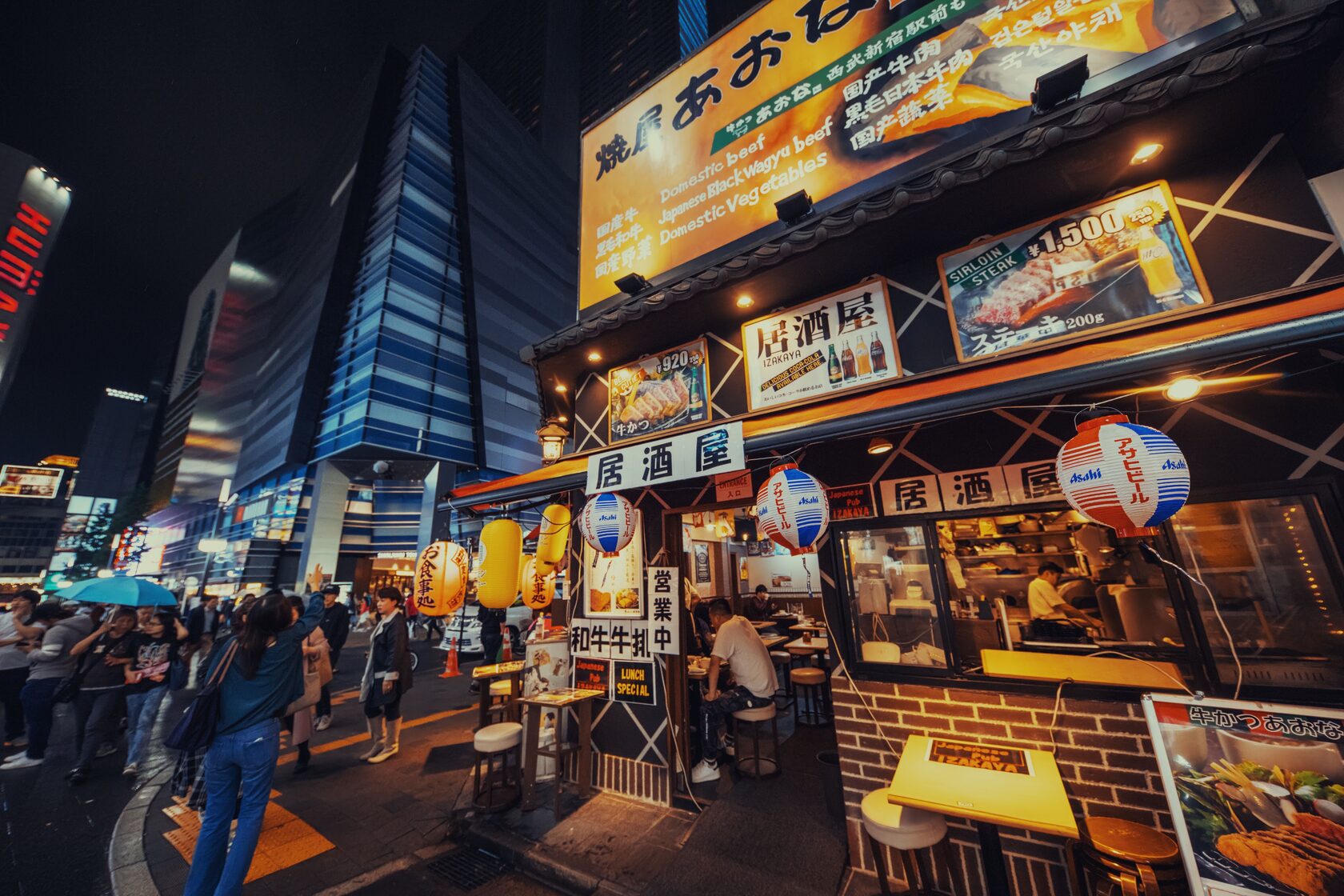
Food has officially transcended its role as mere sustenance during travel. It has evolved into a primary economic growth engine, a major deciding factor for destination choices, and the single most memorable bridge between a traveler and a local culture.
Across Southeast Asia (SEA), gastronomy is transforming from an ancillary travel activity into the centerpiece of regional tourism development. Driven by changing consumer habits, digital discovery platforms, and strategic institutional investments, the region is asserting itself as the world’s most dynamic culinary corridor.
Across Southeast Asia (SEA), gastronomy is transforming from an ancillary travel activity into the centerpiece of regional tourism development. Driven by changing consumer habits, digital discovery platforms, and strategic institutional investments, the region is asserting itself as the world’s most dynamic culinary corridor.
Why Food Is the Ultimate Travel Essential
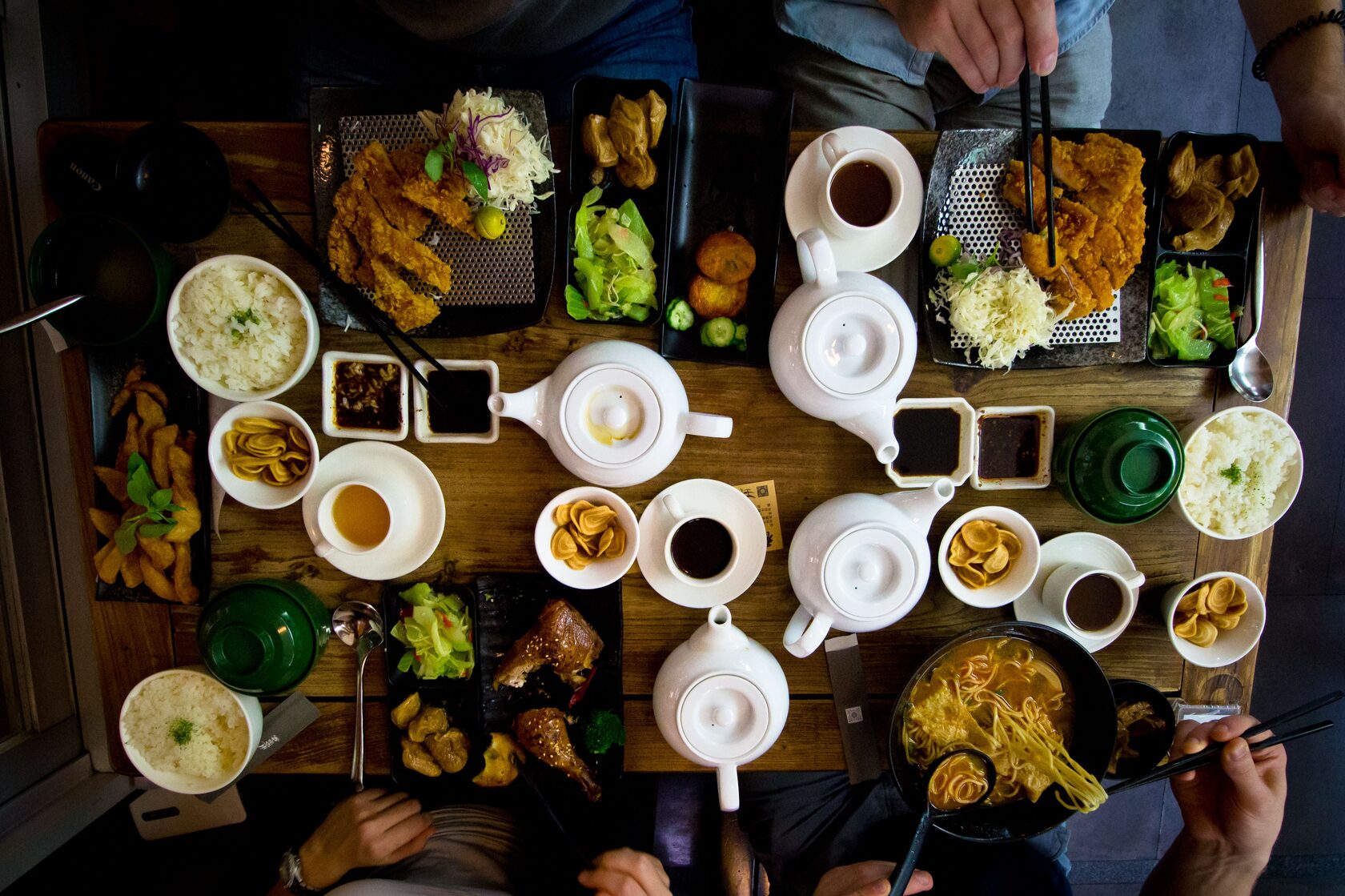
Ask any seasoned traveler about their favorite trip, and their answers rarely revolve around hotel lobbies or airport transfers. Instead, they talk about a steaming bowl of laksa enjoyed on a plastic stool in Penang, the complex aromas of a night market in Bangkok, or the rich, slow-cooked comfort of Chicken Adobo shared in a bustling Manila eatery.
Food is the only aspect of travel that simultaneously engages all five senses. It is an egalitarian gateway to history, geography, and human connection. You can admire a monument from afar, but to truly understand a culture, you must taste it.
In an era dominated by digital screens, food provides a grounding, authentic sensory touchpoint. It is why modern travelers, especially Millennials and Gen Z, no longer build their itineraries around landmarks first and figure out dinner later; they choose the dish first and build the journey around it.
Food is the only aspect of travel that simultaneously engages all five senses. It is an egalitarian gateway to history, geography, and human connection. You can admire a monument from afar, but to truly understand a culture, you must taste it.
In an era dominated by digital screens, food provides a grounding, authentic sensory touchpoint. It is why modern travelers, especially Millennials and Gen Z, no longer build their itineraries around landmarks first and figure out dinner later; they choose the dish first and build the journey around it.
The Macroeconomic Reality: Quantifying the Culinary Traveler
The shift toward food-first travel is backed by significant macroeconomic momentum. The Asia-Pacific Culinary Tourism Market commands a dominant 43.1% global revenue share, positioning it as the fastest-growing region worldwide.
- Higher Yields & Extended Stays: Culinary travelers systematically spend more per trip than traditional sightseeing tourists. Travelers seeking authentic food experiences stay longer on-property and demonstrate a higher propensity to spend on localized experiences, from boutique cooking classes to regional food tours.
- The Digital Discovery Engine: Algorithms on platforms like TikTok and Instagram Reels have democratized travel discovery. A single viral video highlighting a localized dish can redirect massive regional tourist flows toward specific neighborhood food districts within days.
Manila’s Institutional Rise as a Culinary Capital
The evolution of Manila, Philippines, serves as a prime case study of public and private sectors aligning to build a world-class food capital. Long overshadowed by regional neighbors, Manila has repositioned itself through an aggressive, synchronized focus on its rich culinary heritage and modern gastronomy.
Data from the Philippine Department of Tourism underscores this economic weight: food and beverage services account for 8.04% of Tourism Direct Gross Value Added (TDGVA) and represent 17.1% of total inbound tourism expenditure. Crucially, the hospitality and culinary sectors support a massive portion of the nation’s 6.75 million tourism workers, proving that food is a fundamental pillar of national workforce employment and macroeconomic stability.
This momentum is visible in urban districts like Bonifacio Global City (BGC) and Entertainment City, where integrated resorts and hotels are replacing generic international menus with progressive Filipino dining concepts and cross-border chef collaborations.
Data from the Philippine Department of Tourism underscores this economic weight: food and beverage services account for 8.04% of Tourism Direct Gross Value Added (TDGVA) and represent 17.1% of total inbound tourism expenditure. Crucially, the hospitality and culinary sectors support a massive portion of the nation’s 6.75 million tourism workers, proving that food is a fundamental pillar of national workforce employment and macroeconomic stability.
This momentum is visible in urban districts like Bonifacio Global City (BGC) and Entertainment City, where integrated resorts and hotels are replacing generic international menus with progressive Filipino dining concepts and cross-border chef collaborations.
Regional Dynamics: Established Heavyweights and Secondary City Surges
Capitalizing on Southeast Asia's culinary momentum requires recognizing both established food capitals and emerging secondary hubs.
- Vietnam: Monetizes its world-famous street food culture by expanding luxury culinary river cruises along the Mekong and integrating farm-to-table dining experiences into eco-resorts.
- Thailand: Integrates street food culture directly into premium travel corridors, maintaining high engagement from international leisure travelers seeking both informal night markets and high-end dining.
The Secondary City Blueprint: Bandung, Indonesia
A major trend in Southeast Asian travel is the dispersal of tourists away from crowded capitals toward secondary cities. A standout template is Bandung, Indonesia.
Data from the Bandung Culture and Tourism Agency reveals that 60% of visitors travel to the city specifically for its culinary offerings, outperforming fashion, shopping, and historical tourism. By leaning into its local street food and vibrant café culture, Bandung demonstrates how localized gastronomy can power an entire municipal tourism economy.
Data from the Bandung Culture and Tourism Agency reveals that 60% of visitors travel to the city specifically for its culinary offerings, outperforming fashion, shopping, and historical tourism. By leaning into its local street food and vibrant café culture, Bandung demonstrates how localized gastronomy can power an entire municipal tourism economy.

Bridging the Street Food vs. Fine Dining Spectrum
One of the most fascinating aspects of Southeast Asian food tourism is that travelers do not want to choose between rustic street stalls and upscale tasting menus. They want both.
Rather than viewing these as separate markets, the region's top hospitality properties are bridging the gap. High-end hotels frequently host curated street-food pop-ups in five-star settings, offering guests authentic local flavors with the comfort and safety of luxury hospitality.
- Street Food & Night Markets: Favored by over 60% of culinary tourists, street food offers immediate cultural immersion, deep historical roots, and unmatched local flavor.
- Progressive Fine Dining: Captures high-spending travelers looking for innovation, structural creativity, and modern interpretations of traditional flavors.
Rather than viewing these as separate markets, the region's top hospitality properties are bridging the gap. High-end hotels frequently host curated street-food pop-ups in five-star settings, offering guests authentic local flavors with the comfort and safety of luxury hospitality.
Looking Ahead: Sourcing, Sustainability, and Local Impact
As Southeast Asia solidifies its position as a global food hub, the future of gastronomy tourism rests on sustainability, ingredient traceability, and community impact.
Travelers increasingly care about where their food comes from. Properties that partner directly with local farmers, indigenous agricultural cooperatives, and artisanal fisheries not only reduce supply chain risks but also offer compelling stories that guests value. By supporting hyper-local sourcing, destinations ensure that the economic benefits of tourism flow directly back into the communities that created these culinary traditions in the first place.
Gastronomy tourism across Southeast Asia has shifted from a pleasant travel perk into a primary driver of global travel behavior. From the institutional momentum of Manila to the vibrant food-driven tourism of Bandung, the message is clear: food is the beating heart of the Southeast Asian travel experience. Destinations and brands that celebrate, protect, and innovate around their culinary heritage will continue to capture the hearts of travelers worldwide.
Travelers increasingly care about where their food comes from. Properties that partner directly with local farmers, indigenous agricultural cooperatives, and artisanal fisheries not only reduce supply chain risks but also offer compelling stories that guests value. By supporting hyper-local sourcing, destinations ensure that the economic benefits of tourism flow directly back into the communities that created these culinary traditions in the first place.
Gastronomy tourism across Southeast Asia has shifted from a pleasant travel perk into a primary driver of global travel behavior. From the institutional momentum of Manila to the vibrant food-driven tourism of Bandung, the message is clear: food is the beating heart of the Southeast Asian travel experience. Destinations and brands that celebrate, protect, and innovate around their culinary heritage will continue to capture the hearts of travelers worldwide.