
OUTRIGGER Hospitality Group is preparing to introduce a new design-led positioning for its property in Thailand’s Phi Phi Islands, as the newly rebranded OUTRIGGER Phi Phi Island Resort moves toward its opening. According to information released by OUTRIGGER Hospitality Group, the five-star beachfront resort has been developed around a concept known as “Nit Thra,” or the “soul of rest,” combining sustainable design principles with cultural references drawn from Southern Thailand and the indigenous Urak Lawoi community.
Located on the Phi Phi Islands and accessible only by boat, the resort is scheduled to begin welcoming guests through a soft opening in May before commencing full operations in June 2026. The property occupies a seafront location surrounded by tropical vegetation, sandy beaches, and limestone cliffs, environmental characteristics that became central to the resort’s design strategy.
For hospitality owners and developers, the project demonstrates how architecture and interior design are increasingly being used to strengthen destination identity rather than impose a standardised resort aesthetic. Bangkok-based creative studio OPENDESIGNER was commissioned to develop the design concept, approaching the project with an emphasis on preserving the island’s existing landscape and integrating the built environment into its surroundings.
The design team positioned the natural environment as the defining feature of the resort. Rather than allowing the development to dominate the landscape, the project was conceived so that the resort appears to emerge naturally from the coastal setting. This approach is particularly evident upon arrival by sea, where the low-rise buildings gradually become visible against the shoreline.
According to OPENDESIGNER Head Designer Sutham Kessena, preserving the island’s essential characteristics formed the basis of the project from the outset. The design process focused on selecting appropriate scales, forms, and materials that would harmonise with the surrounding ecosystem while maintaining the distinctive atmosphere associated with Phi Phi.
The emphasis on place-based design extends beyond architecture and into the guest arrival experience. Visitors arriving at the resort will be welcomed through a traditional “Rub Kwan” ceremony and receive handcrafted bead bracelets inspired by the customs of the Urak Lawoi people, an indigenous seafaring community that has lived throughout Southern Thailand for generations.
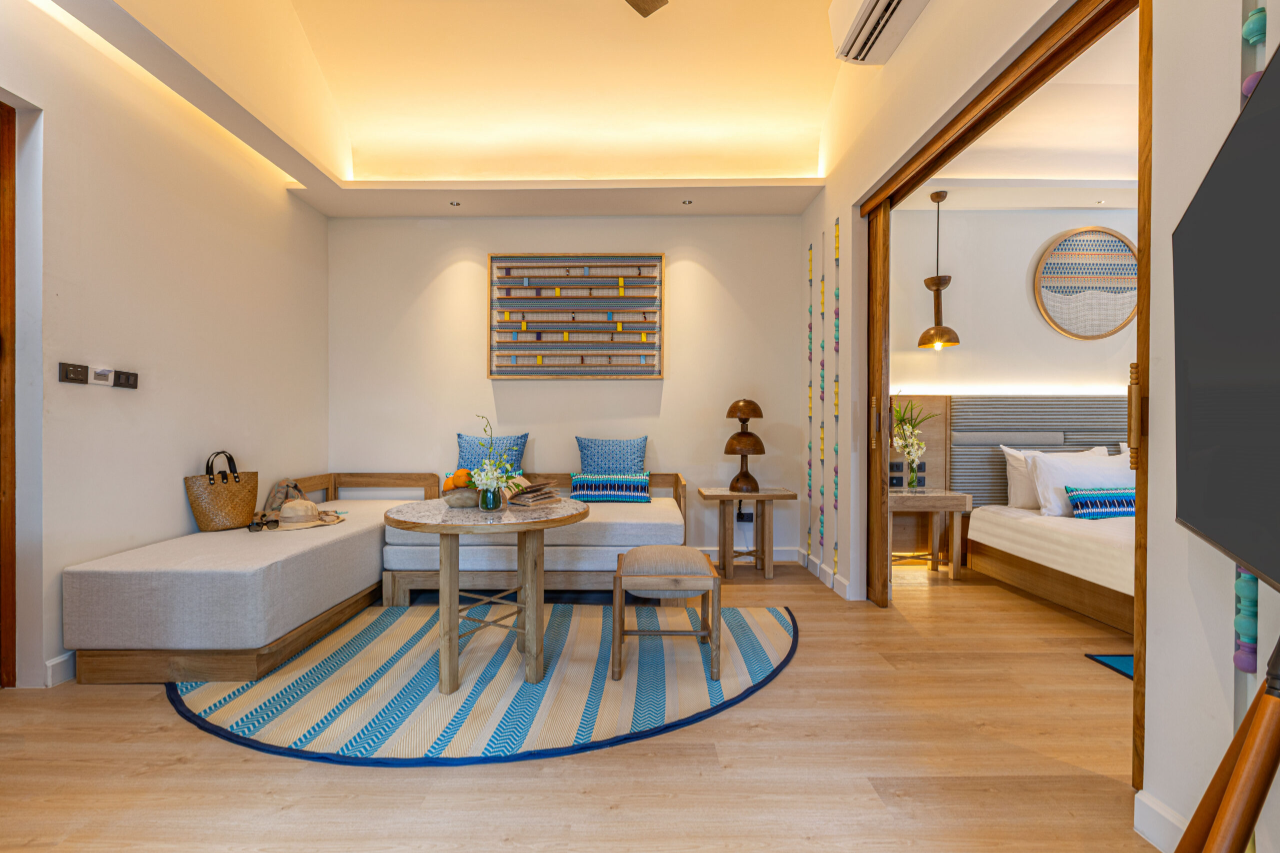
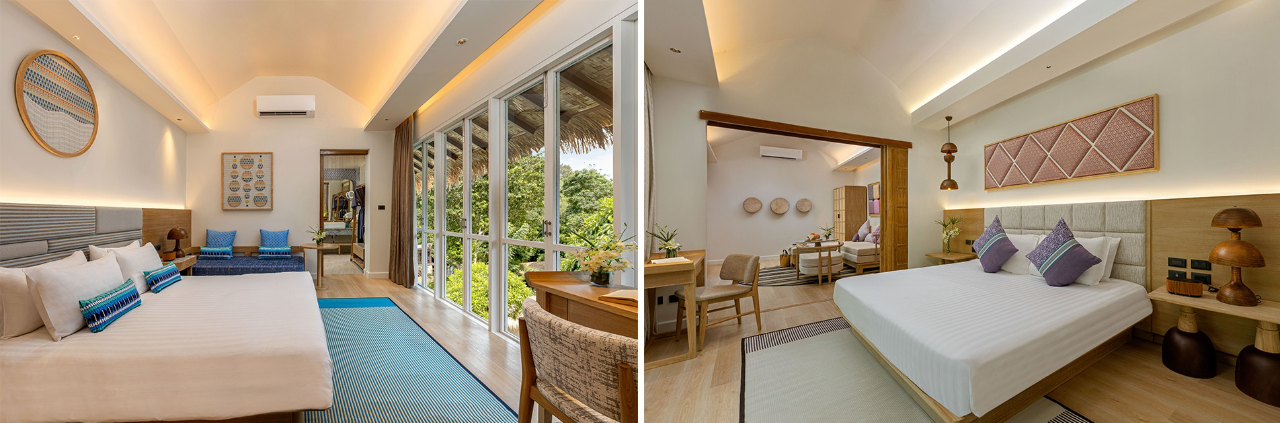
Inside the resort, the concept of “Nit Thra” serves as the guiding framework for the guest experience. Design elements have been selected to encourage relaxation and restoration through the use of layered colour palettes, natural lighting, and tactile materials. Wood, rattan, rope, and stone are incorporated throughout the interiors to create a warm atmosphere, while woven fabrics, Southern Thai textiles, and locally inspired craftsmanship reinforce a connection to the destination.
The project also highlights the growing role of cultural storytelling within luxury hospitality design. Decorative features throughout the resort draw inspiration from the traditions of the Urak Lawoi community. Fishing tools, handcrafted beads, and references to coastal life have been interpreted through a contemporary lens and integrated into a luxury resort environment.
This approach continues across the accommodation offering. The resort’s 63 suites and villas have been designed to emphasise spaciousness, tranquillity, and a sense of connection to the island. Handcrafted furnishings, organic textiles, and woven motifs are combined with contemporary amenities, creating spaces that balance local character with the expectations of international luxury travellers.
Public spaces have similarly been designed to encourage a slower pace of movement and greater engagement with the surroundings. Shaded walkways incorporate seating areas and framed views that create opportunities for guests to pause and interact with the natural environment. The design strategy aims to reinforce the concept of presence and immersion throughout the property.
Food and wellness facilities also reflect the broader destination-driven approach. The resort’s restaurants will focus on local and seasonal ingredients, including seafood sourced from the Andaman region, while dining venues have been positioned to maximise views of the surrounding sea. The spa incorporates design references inspired by the colours of ancient beads, featuring tones of red, brown, and turquoise associated with restoration and wellbeing.
Beyond guest-facing experiences, sustainability played a significant role in the development process. The project team sought to reduce environmental impact through material selection and construction decisions. Designers prioritised reducing the use of imported materials, lowering transportation-related environmental costs while limiting disruption to the island landscape.
The development also incorporated existing site conditions into the design strategy. Rather than introducing unnecessary non-native elements, the project embraced the island’s natural terrain, prevailing winds, daylight conditions, and orientation. These decisions support operational efficiency by reducing reliance on energy-intensive systems while maintaining guest comfort.

Within the hospitality sector, such approaches increasingly align design objectives with broader sustainability goals. At OUTRIGGER Phi Phi Island Resort, environmental considerations, cultural references, and architectural decisions were developed as interconnected components rather than separate initiatives. The result is a property where destination identity informs both the visual language of the resort and its operational approach.
As OUTRIGGER prepares to welcome guests, the Phi Phi project represents a design strategy centred on localisation, environmental responsiveness, and cultural integration. Through collaboration with OPENDESIGNER and engagement with the island’s natural and cultural context, the resort introduces a hospitality concept where architecture, interiors, guest experiences, and sustainability measures are closely aligned with the character of the destination itself.