

For decades, hospitality asset management relied on a volume-driven formula: maximize occupancy to stimulate base room revenue, while treating spas and fitness centers as cost-heavy, secondary amenities. This model has grown obsolete. High capital costs, volatile travel markets, and shifting consumer demographics have forced global hospitality leaders to pivot toward high-yield, personalized value structures.
Nowhere is this transformation more evident than in Southeast Asia. Driven by surging traveler demand for preventative health, the Asia-Pacific wellness tourism market is expanding rapidly, with Mordor Intelligence projecting the luxury wellness sector in the Asia-Pacific region to grow at a Compound Annual Growth Rate (CAGR) of 11.55%, positioning Southeast Asia as the fastest-growing sub-region.
On a global scale, the Global Wellness Institute (GWI) highlights that the wellness tourism industry generated an economic impact of $6.8 trillion, with projections climbing toward $9.75 trillion by 2029. Transitioning a property from a conventional luxury footprint to an integrated wellness model allows operators to break free from flat margins, leveraging biophilic design, biohacking therapies, and functional nutrition to unlock significant lifts in Average Daily Rate (ADR) and non-room ancillary spend.
Nowhere is this transformation more evident than in Southeast Asia. Driven by surging traveler demand for preventative health, the Asia-Pacific wellness tourism market is expanding rapidly, with Mordor Intelligence projecting the luxury wellness sector in the Asia-Pacific region to grow at a Compound Annual Growth Rate (CAGR) of 11.55%, positioning Southeast Asia as the fastest-growing sub-region.
On a global scale, the Global Wellness Institute (GWI) highlights that the wellness tourism industry generated an economic impact of $6.8 trillion, with projections climbing toward $9.75 trillion by 2029. Transitioning a property from a conventional luxury footprint to an integrated wellness model allows operators to break free from flat margins, leveraging biophilic design, biohacking therapies, and functional nutrition to unlock significant lifts in Average Daily Rate (ADR) and non-room ancillary spend.
The Tri-Nation Revenue Engines
While secondary markets across the region are emerging, three nations, Thailand, Indonesia, and Vietnam, have established the operational infrastructure required to scale wellness hospitality into a primary financial driver.
1. Thailand: Regenerative Medicine and High-Tariff Clinical Services
Thailand has solidified its position as the destination of choice for premium international wellness travelers, seamlessly marrying medical tourism with holistic hospitality. According to Grand View Research, the country’s wellness tourism market commands $14.1 billion in annual spend, achieving an exceptional 36.4% annual growth rate.
Thai properties have evolved past traditional massage therapies to capture high-margin, biotech-driven longevity spend. Luxury hotels and resorts in Bangkok, Phuket, and Hua Hin are partnering with specialized medical groups to introduce hyperbaric oxygen chambers, intravenous (IV) nutrient infusions, stem-cell treatments, and advanced cellular diagnostics directly into their villa products. By embedding these high-tariff clinical services into multi-day guest itineraries, operators are driving unprecedented ancillary yields.
2. Indonesia: Scaled Ecosystems and Millennial Capture
According to reports by the Global Wellness Institute, Indonesia is home to the largest overall wellness economy in Southeast Asia, valued at $55.77 billion. Official data on international visitor activities indicates that wellness tourism accounts for 13.35% of foreign tourist arrivals in Indonesia.
The epicenter of this growth remains Bali, which serves as a global sanctuary for mindfulness, sound healing, and farm-to-table culinary programs. Hospitality operators are increasingly capturing high-net-worth individuals (HNWIs) seeking extended retreats, insulating properties from the price sensitivities that impact typical leisure hospitality models. Furthermore, market research featured in the Indonesia Tourism Outlook highlights that government initiatives are targeting Millennial and Gen Z travelers, who express a high willingness to spend on preventative health, mental well-being, and experiential travel.
1. Thailand: Regenerative Medicine and High-Tariff Clinical Services
Thailand has solidified its position as the destination of choice for premium international wellness travelers, seamlessly marrying medical tourism with holistic hospitality. According to Grand View Research, the country’s wellness tourism market commands $14.1 billion in annual spend, achieving an exceptional 36.4% annual growth rate.
Thai properties have evolved past traditional massage therapies to capture high-margin, biotech-driven longevity spend. Luxury hotels and resorts in Bangkok, Phuket, and Hua Hin are partnering with specialized medical groups to introduce hyperbaric oxygen chambers, intravenous (IV) nutrient infusions, stem-cell treatments, and advanced cellular diagnostics directly into their villa products. By embedding these high-tariff clinical services into multi-day guest itineraries, operators are driving unprecedented ancillary yields.
2. Indonesia: Scaled Ecosystems and Millennial Capture
According to reports by the Global Wellness Institute, Indonesia is home to the largest overall wellness economy in Southeast Asia, valued at $55.77 billion. Official data on international visitor activities indicates that wellness tourism accounts for 13.35% of foreign tourist arrivals in Indonesia.
The epicenter of this growth remains Bali, which serves as a global sanctuary for mindfulness, sound healing, and farm-to-table culinary programs. Hospitality operators are increasingly capturing high-net-worth individuals (HNWIs) seeking extended retreats, insulating properties from the price sensitivities that impact typical leisure hospitality models. Furthermore, market research featured in the Indonesia Tourism Outlook highlights that government initiatives are targeting Millennial and Gen Z travelers, who express a high willingness to spend on preventative health, mental well-being, and experiential travel.
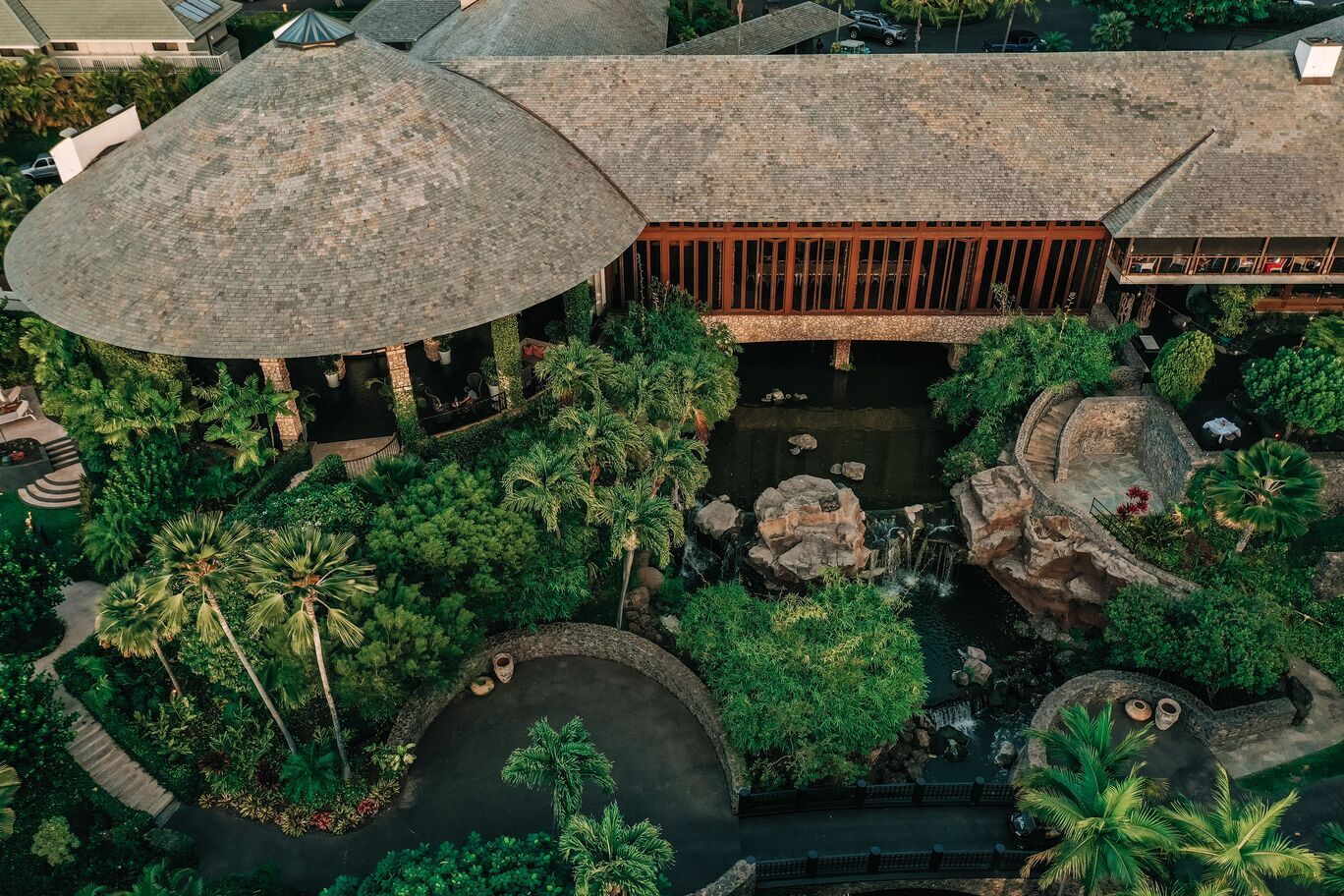
3. Vietnam: Mineral Hot Springs and Eco-Luxury Expansion
Vietnam represents the region's fastest-growing institutional investment frontier. As the national government targets 25 million international visitor arrivals, developers are building large-scale, master-planned wellness destinations along its coastlines and mountain corridors, including Phu Quoc, Danang, and Quang Ninh.
Vietnam is capitalizing on secondary wellness travelers by integrating mineral hot spring (onsen) developments, thermal circuits, and biophilic architecture directly into extensive resort environments. Rather than treating wellness as an isolated amenity, developers are building full-scale residential and resort communities centered on nature-based "digital detox" getaways. This model diversifies revenue streams by blending traditional room stays with wellness real estate sales, long-term fractional ownership, and subscription-based community memberships.
Quantifying the Financial Impact
The economic advantages of shifting from a traditional luxury hotel model to an integrated wellness ecosystem become clear when analyzing core property performance metrics:
Transforming a portfolio to capture these yields requires targeted capital allocation and operational precision rather than superficial cosmetic updates. The three strategic areas:
1. Strategic CapEx Allocation over Cosmetic Renovations
Allocate capital to high-yield wellness infrastructure that directly influences room pricing and baseline inventory tiers. Installing automated indoor environment controls that adjust circadian lighting and air purification based on guest biometrics justifies immediate room-tier upgrades. Similarly, upgrading acoustic barriers and installing diagnostic mattress systems allows properties to capture premium demand from the rapidly expanding "sleep-tourism" market segment.
- ADR Premium: Integrated wellness properties achieve a 15% to 20% rate premium over baseline submarket competitors, supported by biophilic room enhancements, sleep-tech amenities, and integrated diagnostic tracking.
- Ancillary Revenue Mix: Non-room revenue contribution increases from a traditional 20%–30% range to 45%–55% of total revenue, driven by functional food and beverage (F&B), advanced diagnostics, and premium retail conversions.
- Average Length of Stay (LoS): Multi-day structured wellness packages extend the average stay from 2.1 days to 4.5 days per booking, flattening seasonal occupancy dips and significantly reducing Customer Acquisition Costs (CAC).
- Customer Lifetime Value: By capturing guest health tracking data and delivering personalized wellness outcomes, properties build strong repeat retention and brand loyalty, moving away from low-repeat, high-dispersal tourist volume.
Transforming a portfolio to capture these yields requires targeted capital allocation and operational precision rather than superficial cosmetic updates. The three strategic areas:
1. Strategic CapEx Allocation over Cosmetic Renovations
Allocate capital to high-yield wellness infrastructure that directly influences room pricing and baseline inventory tiers. Installing automated indoor environment controls that adjust circadian lighting and air purification based on guest biometrics justifies immediate room-tier upgrades. Similarly, upgrading acoustic barriers and installing diagnostic mattress systems allows properties to capture premium demand from the rapidly expanding "sleep-tourism" market segment.

2. Elevate Food & Beverage Programs
Traditional, high-waste buffet lines should be replaced with functional, personalized culinary offerings. Collaborate with medical and nutritional professionals to develop zero-sugar, anti-inflammatory, and high-performance menus. Furthermore, replacing low-margin alcoholic offerings with premium functional tonics, adaptogenic beverages, and non-alcoholic pairing menus enhances profit margins while lowering raw food waste.
3. Technology-Driven Loyalty and Continuity Engagement
Establishing a tech-enabled relationship with guests extends property interaction well beyond the checkout window. Implementing pre-arrival diagnostic profiling via secure digital questionnaires or wearable tech integration allows teams to customize guest room environments and treatments prior to arrival. Post-stay, delivering continuity health data and remote coaching sessions transforms a one-time resort visit into an ongoing subscription-based relationship, securing predictable, recurring non-room revenue year-round.
In modern hospitality management, wellness has evolved from an optional amenity into an essential financial strategy for institutional hotel owners across Southeast Asia. By transforming traditional properties into integrated health ecosystems, hospitality leaders can break free from the constraints of volume-dependent occupancy metrics. This strategic pivot unlocks premium room rates, maximizes non-room ancillary spend, and secures a resilient, high-yield market position across the region's top travel destinations.