
How All-Inclusive Resort Models Are Driving Indonesia’s Luxury Hospitality Expansion
28.10.2026
Driven by a structural pivot from high visitor volume toward high visitor value, Indonesia's resort sector is undergoing a profound transformation. Supported by a 56 percent surge in national tourism investment, reaching $4.8 billion (Rp 73.56 trillion), and a recovery in luxury hotel occupancy that continues to outperform lower-tier lodging, the all-inclusive resort model has emerged as a major institutional investment frontier. Global operators are scaling up across the archipelago to capture this experiential travel boom.
An all-inclusive resort is a vacation property where a single upfront payment covers accommodation, gourmet dining, alcoholic and non-alcoholic beverages, recreational activities, and on-site entertainment.
In Indonesia, the traditional "buffet and wristband" framework has evolved into a luxury, experiential format. Rather than offering basic standardized amenities, Indonesian all-inclusive properties bundle high-touch services such as dedicated private butler coverage, customized cultural excursions, daily spa treatments, and eco-tours directly into the base rate.
The Indonesian hospitality market is projected to reach $27.98 billion by 2032, expanding at a 7.29 percent CAGR. Institutional capital is increasingly targeting all-inclusive development for several core reasons:
Global hotel operators, including Marriott International and Hyatt Hotels Corporation, are expanding their all-inclusive footprints in Indonesia due to several underlying market factors:
An all-inclusive resort is a vacation property where a single upfront payment covers accommodation, gourmet dining, alcoholic and non-alcoholic beverages, recreational activities, and on-site entertainment.
In Indonesia, the traditional "buffet and wristband" framework has evolved into a luxury, experiential format. Rather than offering basic standardized amenities, Indonesian all-inclusive properties bundle high-touch services such as dedicated private butler coverage, customized cultural excursions, daily spa treatments, and eco-tours directly into the base rate.
The Indonesian hospitality market is projected to reach $27.98 billion by 2032, expanding at a 7.29 percent CAGR. Institutional capital is increasingly targeting all-inclusive development for several core reasons:
- Surging ADR and RevPAR: Daily room rates across luxury properties have increased by more than 40 percent compared to pre-pandemic baselines, driven by sustained high-end demand.
- Resort and Spa Momentum: While standard urban hotels retain the largest overall market share, resorts and spas represent the fastest-growing lodging segment, expanding at a 10.92 percent CAGR.
- State Capital Incentives: The government’s Special Economic Zone (SEZ) toolkits provide corporate tax holidays and import duty exemptions that significantly lower upfront infrastructure costs for large-scale developments.
- Asset-Light Operating Agreements: International hotel groups are favoring management contracts that allow shared participation in high-margin food, beverage, wellness, and experiential revenues.
Global hotel operators, including Marriott International and Hyatt Hotels Corporation, are expanding their all-inclusive footprints in Indonesia due to several underlying market factors:
- Insulated Demand Base: The market is supported by both international inbound tourism (anchored by millions of direct arrivals into Bali) and a growing, affluent domestic traveler segment that stabilizes occupancy during international shoulder seasons.
- Wellness and Experiential Trends: High-spending travelers are prioritizing holistic health, eco-sensitive design, and cultural immersion, elements well-suited to bundled, all-inclusive packages.
- Favorable Visa Frameworks: The proliferation of digital nomad visas and extended-stay remote work policies has lengthened average stay durations, directly benefiting all-inclusive booking models.
Prime Regions for All-Inclusive Resort Development
While institutional capital remains concentrated in traditional entry points, development pipeline activity is expanding into regional master-planned zones:
Operators in Indonesia utilize three main operational models to manage all-inclusive properties:
- Established Gateways (South Bali): Covering Nusa Dua and Tanjung Benoa, South Bali maintains peak occupancies exceeding 70 percent. It remains the primary market for premium international luxury flags due to established distribution channels and high brand recognition.
- The New Frontier (North and West Bali Coasts): Emerging coastal submarkets in North and West Bali are attracting developers seeking to build lower-density, eco-focused luxury retreats away from southern urban congestion.
- Super-Priority Destinations (Mandalika & Labuan Bajo): Backed by state investments in airport, maritime, and road infrastructure, government-designated priority zones in Lombok and Flores are turning remote regional markets into luxury destinations.
- Proximity Hubs (Bintan and the Riau Islands): Located adjacent to Singapore, the Riau Islands serve as a primary proximity market capable of capturing weekend corporate, leisure, and expatriate travel demand.
Operators in Indonesia utilize three main operational models to manage all-inclusive properties:
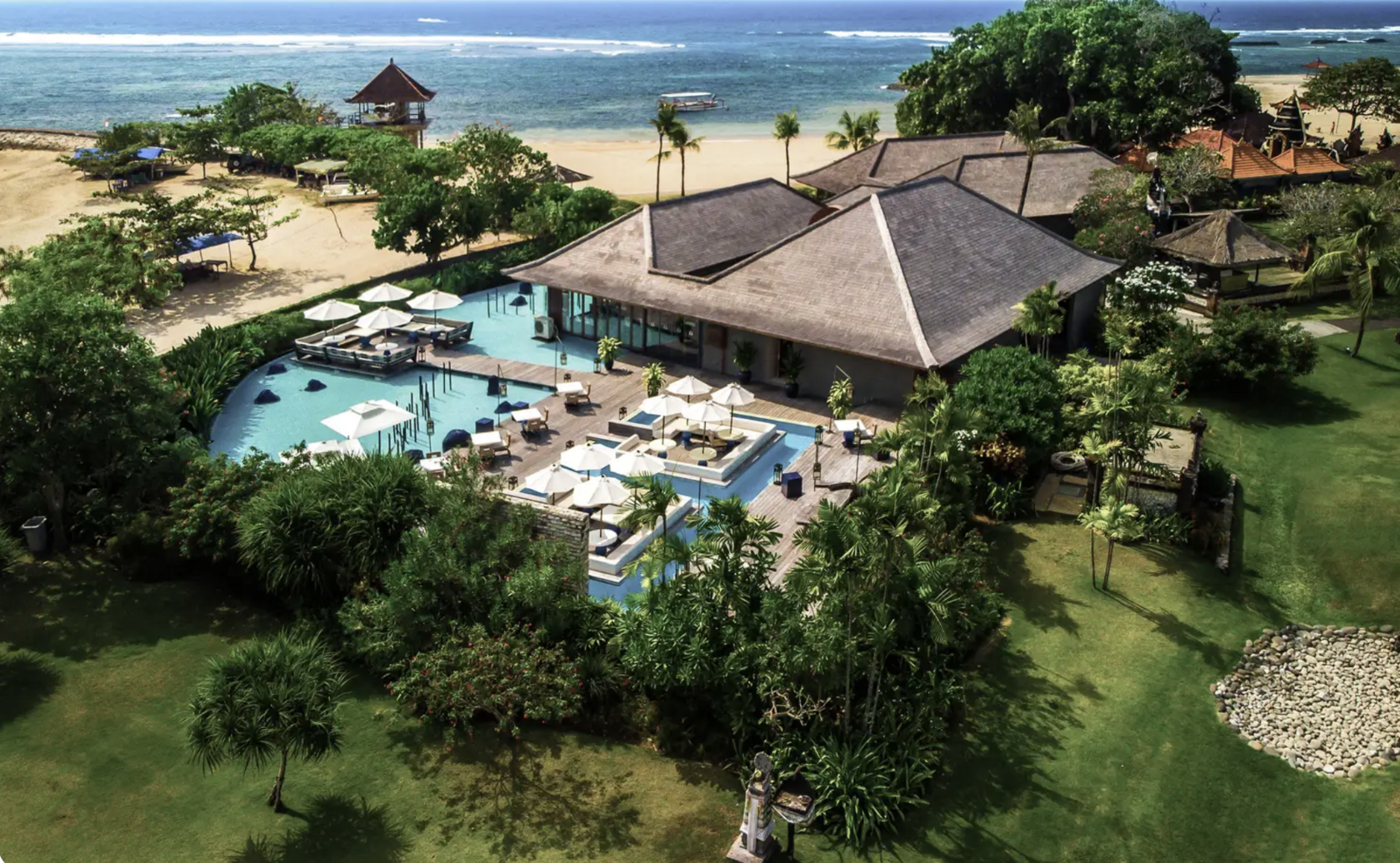
Club Med (The Active Family Pioneer): Club Med operates a self-contained, high-volume model relying on sports programming, structured children's clubs, and organized entertainment to drive family bookings. Food and beverage expenses are managed through international buffet structures rather than à la carte menus. By bundling childcare, sports academies, and entertainment into a single price, the brand maintains stable occupancies across multi-generational family cohorts.
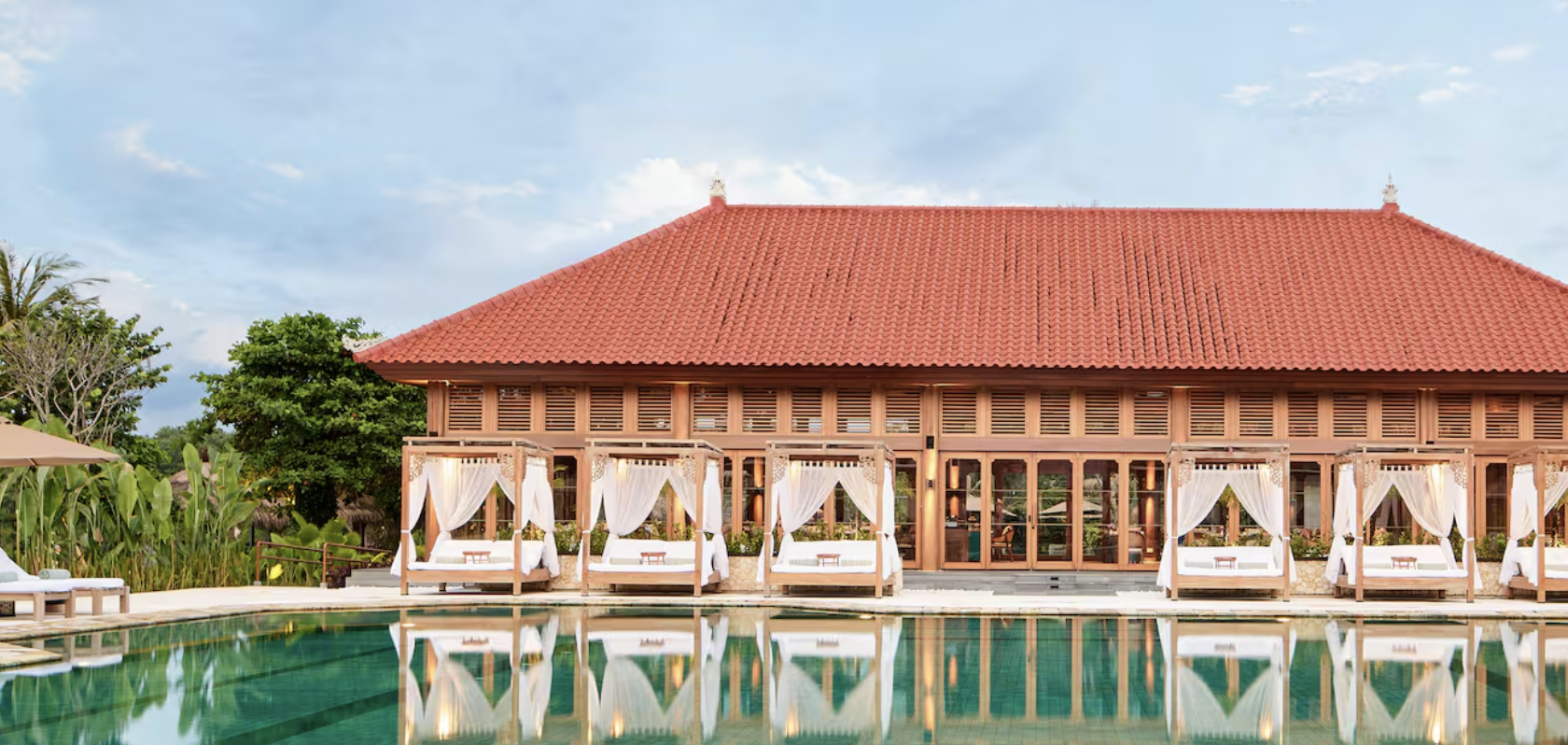
Meliá Hotels International (The Hybrid Resort Model): Meliá utilizes a European-style hybrid model that allows guests to choose between standard bed-and-breakfast rates and an all-inclusive tier. The all-inclusive tier unlocks access to multiple à la carte specialty restaurants, daily restocked minibars, and private lounge areas. This dual-track structure broadens customer reach while boosting overall revenue per available room (RevPAR) through high-margin food and beverage upgrades.
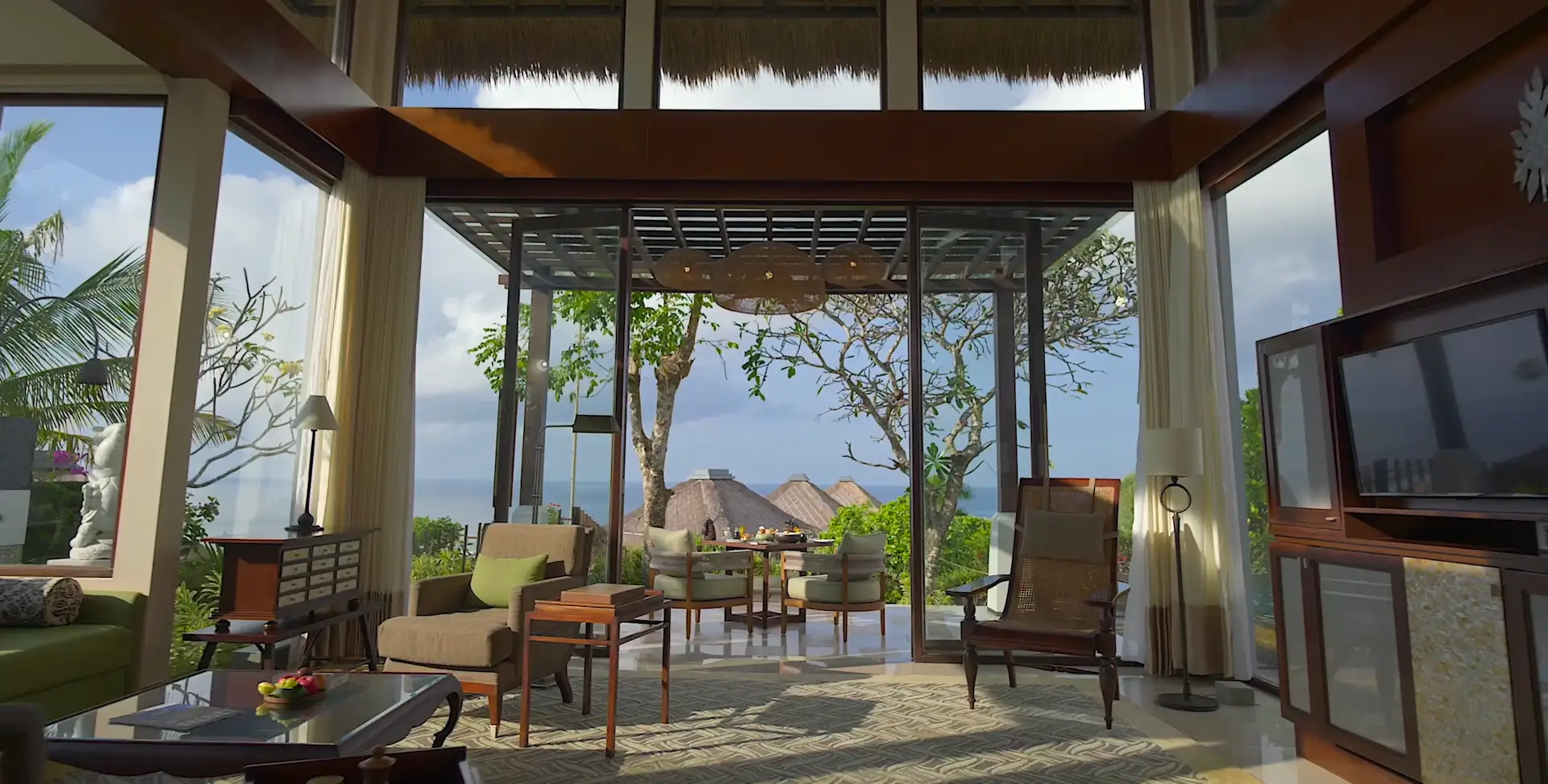
Samabe Bali Suites & Villas (The Ultra-Luxury Privileges Model): Samabe Bali targets low-density luxury travel through its "Unlimited Privileges" package. Bypassing buffets, the property offers 24-hour à la carte dining anywhere on the resort, private ocean-cave dining experiences, and personal butler service. Samabe covers these operational costs by commanding high daily room rates, demonstrating that all-inclusive models can achieve strong margins at lower occupancies when paired with premium amenities and privacy.
Long-Term Industry Outlook (2026–2032)
Under the Ministry of Tourism’s "Value over Volume" master plan, the Indonesian government is leveraging Tourism Special Economic Zones (SEZs) to establish the country as a primary luxury destination in Southeast Asia:
Investors and resort operators must navigate several operational, regional, and economic risks:
To maximize returns while mitigating operational vulnerabilities, operators should leverage SEZ fiscal benefits, such as corporate income tax holidays and VAT exemptions, to fund self-sustaining green infrastructure, including solar power and water desalination.
Additionally, operators can insulate margins against volatile imported goods by building direct procurement contracts with regional agricultural cooperatives. This strategy helps control food and beverage supply costs while integrating the resort's supply chain into the local economy.
- SEZ Growth Targets: State projections target 16 to 17.6 million annual foreign tourist arrivals, generating up to $24 billion in foreign exchange earnings.
- Luxury Resort Expansion: Luxury resort and spa developments are projected to expand at an 11.46 percent CAGR through 2032.
- Decentralized Infrastructure: To relieve capacity pressures on South Bali, public investments are positioning satellite destinations, such as Mandalika in Lombok, Labuan Bajo in Flores, and Kura-Kura Bali, for high-end all-inclusive development.
Investors and resort operators must navigate several operational, regional, and economic risks:
- Regional Growth Imbalances: Capital deployment remains heavily concentrated in South Bali. Secondary markets, such as Lombok's Mandalika SEZ, have experienced slower initial ramp-up timelines, extending infrastructure payback periods.
- Supply Chain Inflation: All-inclusive fixed-fee models are sensitive to food and energy price fluctuations. Unhedged supply chains or unmanaged waste metrics can compress operating margins.
- Socio-Cultural Factors: Large-scale resort master plans risk creating friction with local communities over land rights and resource allocation, making proactive community engagement essential to prevent reputational and operational delays.
- Environmental Impact: High-volume luxury properties place increased demand on local water tables, waste management facilities, and marine ecosystems. Failure to implement sustainable utility systems can lead to regulatory scrutiny and reduced appeal among eco-conscious travelers.
To maximize returns while mitigating operational vulnerabilities, operators should leverage SEZ fiscal benefits, such as corporate income tax holidays and VAT exemptions, to fund self-sustaining green infrastructure, including solar power and water desalination.
Additionally, operators can insulate margins against volatile imported goods by building direct procurement contracts with regional agricultural cooperatives. This strategy helps control food and beverage supply costs while integrating the resort's supply chain into the local economy.