
Concert Tourism: The New Engine Driving Vietnam’s Hospitality Real Estate
22.10.2026
Beyond traditional leisure vacations, corporate travel, and MICE (Meetings, Incentives, Conferences, and Exhibitions) events, event tourism, and specifically concert tourism, has rapidly emerged as a powerful new driver of lodging demand in Vietnam. As the nation accelerates efforts to expand its cultural industries, host international performing artists, and integrate live entertainment into major tourism hubs, hospitality real estate developers face a crucial strategic imperative: converting temporary event surges into long-term operational profitability and asset value.
The economic footprint of a stadium-scale concert extends far beyond ticket sales. It stimulates an entire regional service ecosystem comprising hotels, food and beverage venues, aviation networks, and retail centers. However, capturing this demand effectively requires hoteliers to look past headline room rates and implement sophisticated, cost-conscious commercial strategies.
The economic footprint of a stadium-scale concert extends far beyond ticket sales. It stimulates an entire regional service ecosystem comprising hotels, food and beverage venues, aviation networks, and retail centers. However, capturing this demand effectively requires hoteliers to look past headline room rates and implement sophisticated, cost-conscious commercial strategies.
Targeted Beneficiaries: Strategic Location and Commercial Agility
A single major music event attracts a diverse demographic, ranging from domestic fans to high-spending regional and international travelers.
"Three- and four-star hotels within a 3-kilometer radius of the venue are probably best positioned to capture the volume, while luxury hotels can benefit from international visitors and premium packages."
— David Jackson, Principal and CEO of Avison Young Vietnam and Cambodia
While geographical proximity to a concert venue offers a distinct advantage, location alone does not guarantee commercial success. Ensuring seamless guest transit, robust venue security, flexible check-in arrangements, and late-night transport options are essential to maintaining high service standards during peak periods. To capture maximum yield, hotel operators must remain commercially agile, adjusting dynamic pricing structures to match localized demand spikes without compromising guest satisfaction or brand equity.
Evaluating Revenue Against Bottom-Line Profitability
A fully booked hotel during an event weekend does not automatically translate to higher Net Operating Income (NOI). In the current operating environment, hospitality owners face mounting cost pressures, including rising energy tariffs, inflated labor expenses, and elevated distribution costs.
During high-demand event periods, room rates often surge, but associated operating costs rise concurrently. Hotel operators frequently incur additional expenses for overtime labor, specialized event security, third-party booking commissions, and enhanced guest amenities, all of which eat into top-line revenue. In island markets like Phu Quoc, for instance, employment costs can be nearly double those of comparable mainland positions due to supplementary allowances required for staff accommodation, transport, and living stipends.
During high-demand event periods, room rates often surge, but associated operating costs rise concurrently. Hotel operators frequently incur additional expenses for overtime labor, specialized event security, third-party booking commissions, and enhanced guest amenities, all of which eat into top-line revenue. In island markets like Phu Quoc, for instance, employment costs can be nearly double those of comparable mainland positions due to supplementary allowances required for staff accommodation, transport, and living stipends.
"Owners and operators therefore need to assess performance across multiple metrics: ADR (Average Daily Rate), RevPAR (Revenue per Available Room), GOPPAR (Gross Operating Profit per Available Room), NOI (Net Operating Income) and return on invested capital. The real test is whether an event delivers additional profit after those costs, rather than impressive bookings or room-rate increases."
— David Jackson
Hotel Performance Benchmarks Across Key Event Hubs
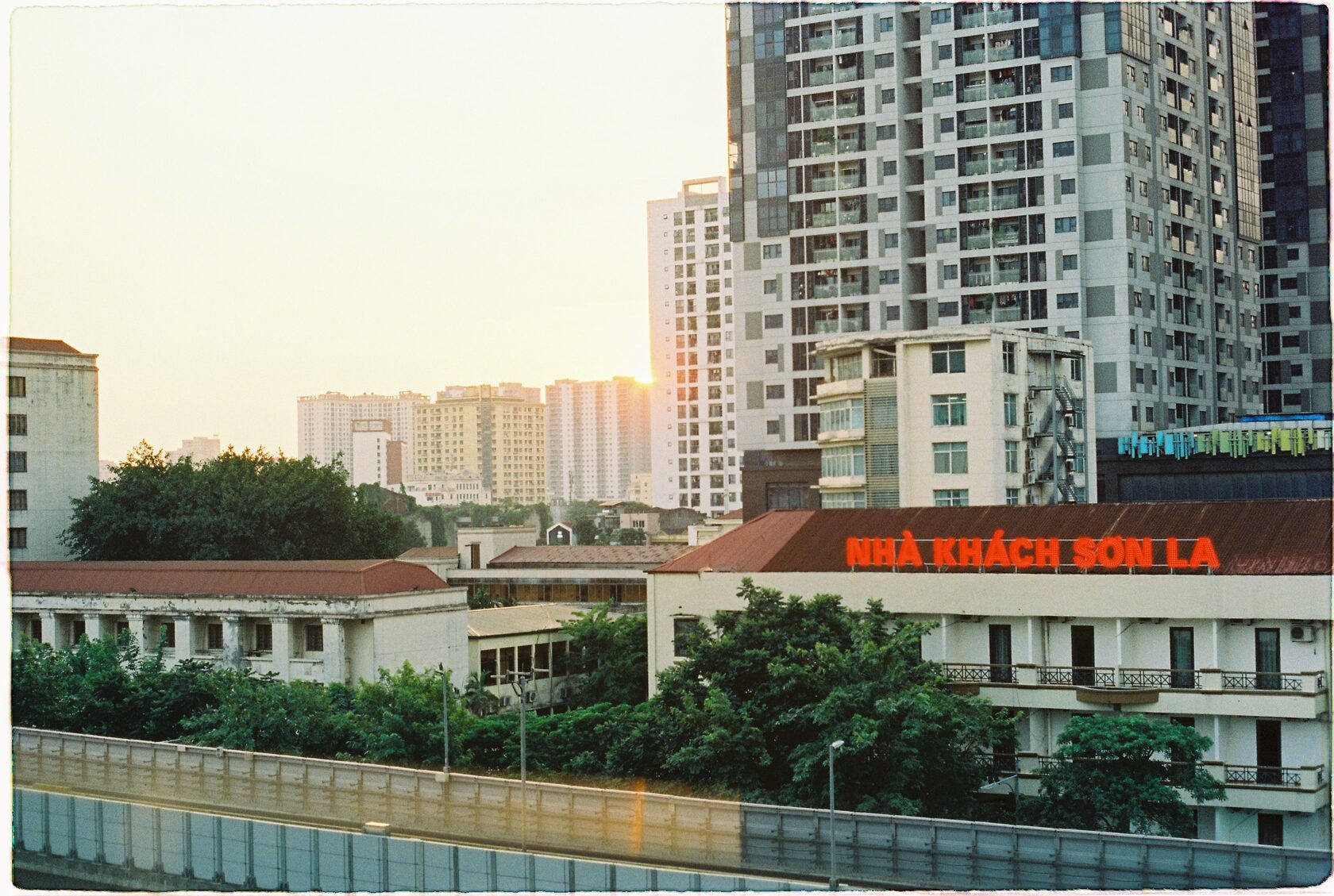
Data across major concert venues and entertainment complexes in Hanoi, Ho Chi Minh City, Nha Trang, and Phu Quoc demonstrates how event programming directly impacts hotel performance, Average Daily Rates (ADR), and occupancy levels.
Hanoi: My Dinh National Stadium Surroundings
During major event windows (such as late October 2026), 4-star and 5-star properties situated near My Dinh National Stadium experienced significant rate surges compared to their Q3 2026 baselines. For example, JW Marriott Hotel Hanoi saw its ADR rise from a Q3 baseline of 300 USD per night to 350 USD per night during event dates, representing a 16.67 percent increase. InterContinental Hanoi Landmark72 saw room rates grow from 480 USD to 513 USD per night, a 6.88 percent increase. Sheraton Hanoi West recorded an ADR jump from 250 USD to 302 USD per night, a 20.80 percent increase, while reaching occupancy levels between 80 and 90 percent. Mid-tier 4-star options experienced even tighter supply constraint: Reyna Hotel saw its ADR increase by 20 percent from 55 USD to 66 USD per night with occupancy climbing to 95 percent, while Top Hotel reached 100 percent full occupancy during peak show dates.
Ho Chi Minh City: 7th Military Region Stadium Precinct
Properties near Ho Chi Minh City's primary inner-city stadium hub maintained strong baseline room rates across both airport and urban corridors in Q3 2026. Premium 5-star offerings such as Tan Son Nhat Hotel commanded an ADR of 153 USD per night, Holiday Inn & Suites Saigon Airport averaged 140 USD per night, and Eastin Grand Hotel Saigon posted 130 USD per night. In the 4-star segment, Ibis Saigon Airport maintained a solid ADR of 84 USD per night.
Coastal Destination Hubs: Integrated Entertainment Complexes
Integrated coastal resorts featuring permanent entertainment venues, such as VinWonders in Nha Trang, alongside Grand World and Sunset Town in Phu Quoc, command substantial pricing power across both standard hotel rooms and luxury private villas during scheduled event periods.
In the VinWonders precinct on Hon Tre Island and coastal Nha Trang (October 2026), Vinpearl Resort & Spa Nha Trang Bay achieved an ADR of 119 USD per night for standard hotel rooms and 439 USD per night for villas. Nha Trang Marriott Resort & Spa on Hon Tre Island recorded an ADR of 100 USD per night for hotel rooms and 337 USD per night for villas. On the mainland strip, Vinpearl Beachfront Nha Trang averaged 87 USD per night for hotel rooms, while 4-star properties Imperial Nha Trang and La Vague Nha Trang recorded ADRs of 90 USD and 45 USD per night, respectively.
In northern Phu Quoc around the Grand World precinct (October 2026), Wyndham Grand Phu Quoc posted an ADR of 231 USD per night for hotel rooms and 1,152 USD per night for luxury villas. Sheraton Phu Quoc Beach Resort averaged 212 USD per night for hotel rooms and 538 USD for villas. Radisson Blu Resort Phu Quoc commanded 142 USD per night for rooms and 616 USD for villas, while Crowne Plaza Phu Quoc Starbay posted 189 USD per night for rooms and 681 USD for villas. In the 4-star sector, Wyndham Garden Grand World Phu Quoc reached an ADR of 123 USD per night and VinHolidays Festa Phu Quoc hit 118 USD per night.
In southern Phu Quoc near the Sunset Town entertainment district (October 2026), JW Marriott Phu Quoc Emerald Bay Resort & Spa commanded upper-tier rates of 808 USD per night for hotel rooms and 2,304 USD per night for private villas. La Festa Phu Quoc, Curio Collection by Hilton recorded an ADR of 379 USD per night for hotel rooms, New World Phu Quoc Resort commanded an ADR of 891 USD per night for its villa-only inventory, and Premier Residences Phu Quoc Emerald Bay averaged 165 USD per night for standard rooms.
Supply Dynamics: Existing Assets vs. Integrated Resort Developments
When capitalizing on event-driven tourism, investors face a fundamental strategic question: whether to deploy capital into existing hotel supply or construct new greenfield assets.
Adding hotel rooms does not intrinsically generate tourist arrivals. For existing hotels, major concerts represent an immediate operational opportunity to fill off-peak inventory, optimize Average Daily Rates, and capture high-margin food and beverage spend.
However, the investment thesis for new developments requires a predictable, year-round calendar of major events. While an isolated concert provides a lucrative weekend for local hotels, a continuous schedule of fifty major events annually changes the broader economic fundamentals of a destination.
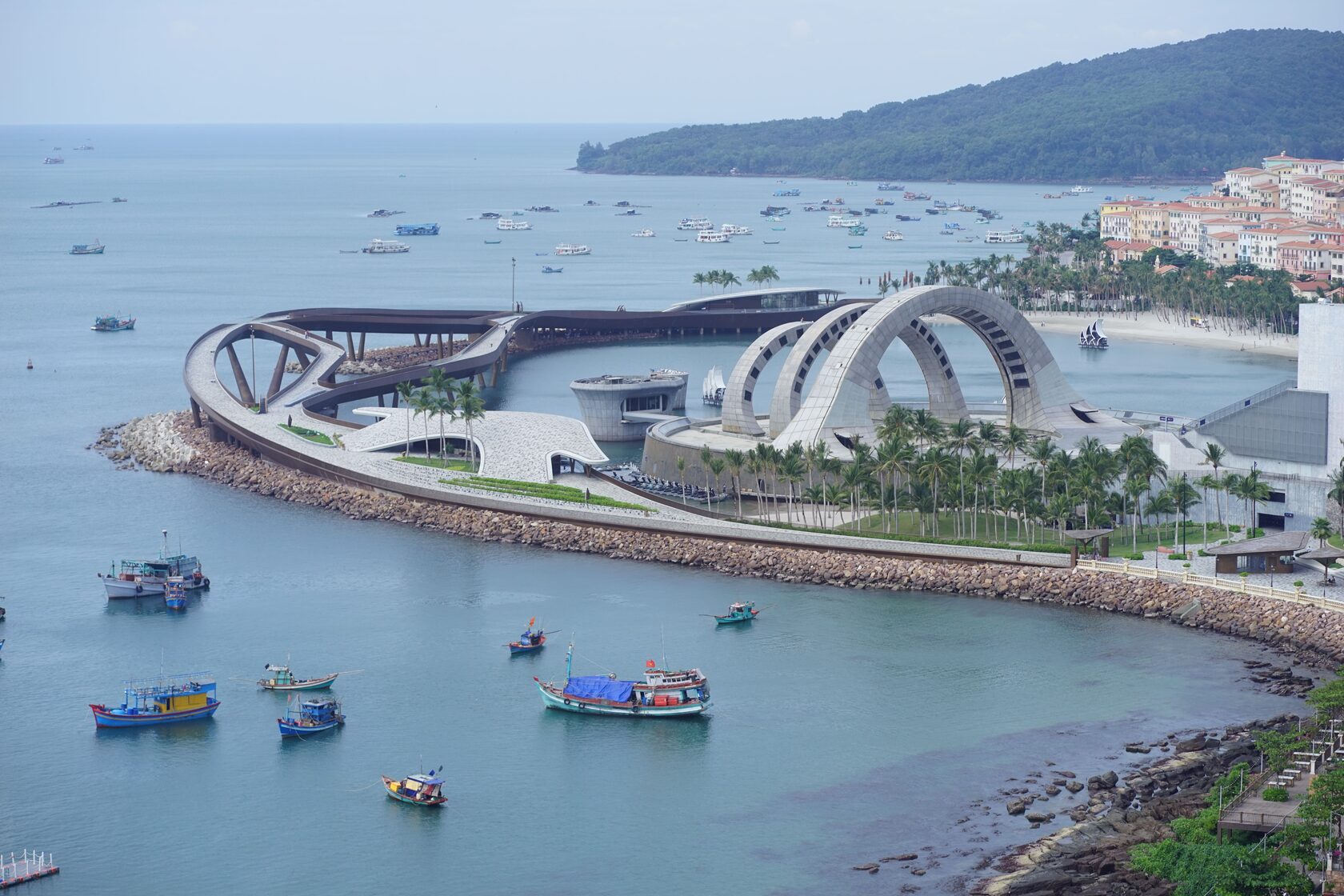
Moving forward, large-scale integrated resorts offer significant potential. Developers with sufficient land and capital can build comprehensive infrastructure that combines entertainment venues, retail arcades, MICE facilities, and wellness centers. By transforming the resort into an all-encompassing destination, operators encourage guests to extend their stays and increase overall spending per visit.
Long-Term Demand Sustainability
To maintain consistent occupancy rates between major events, hoteliers must look beyond traditional room distribution and seasonal discounts.
"Owners and operators therefore need to assess performance across multiple metrics: ADR (Average Daily Rate), RevPAR (Revenue per Available Room), GOPPAR (Gross Operating Profit per Available Room), NOI (Net Operating Income) and return on invested capital. The real test is whether an event delivers additional profit after those costs, rather than impressive bookings or room-rate increases."
— David Jackson
Vietnam competes directly with other Southeast Asian travel destinations for international tourists. To secure a larger market share, hospitality investors and operators must proactively invest time and resources into establishing Vietnam as a premier stop on regional and global event circuits.
The true economic impact of concert tourism reaches well beyond the stadium gates, enriching the broader hospitality ecosystem. For real estate investors and hotel operators, sustainable value creation depends on deploying agile pricing models during demand surges, maintaining strict control over operating costs to protect bottom-line profits, and supporting continuous, year-round event programming to turn event-driven visits into recurring tourism demand.
The true economic impact of concert tourism reaches well beyond the stadium gates, enriching the broader hospitality ecosystem. For real estate investors and hotel operators, sustainable value creation depends on deploying agile pricing models during demand surges, maintaining strict control over operating costs to protect bottom-line profits, and supporting continuous, year-round event programming to turn event-driven visits into recurring tourism demand.