
Bruno Cristol on Navigating the Future of Coastal Luxury and Sustainable Growth in Bali
23.10.2026
Key Takeaways
- Shift to Value Over Volume: Long-term success in luxury hospitality relies on driving total revenue per guest (TRevPAR) through experiential dining, active wellness, and spatial optimization rather than relying solely on occupancy or room rates.
- Transforming Underutilized Space: Repurposing secondary real estate—such as converting parking areas into multi-venue convention centers—builds high-margin non-rooms revenue across corporate events, banquets, and leisure stays.
- Experience-Driven Pricing: Modern High-Net-Worth travelers seek privacy, authenticity, and personalized well-being, enabling luxury resorts to defend premium rates based on unique experiences rather than room square footage.
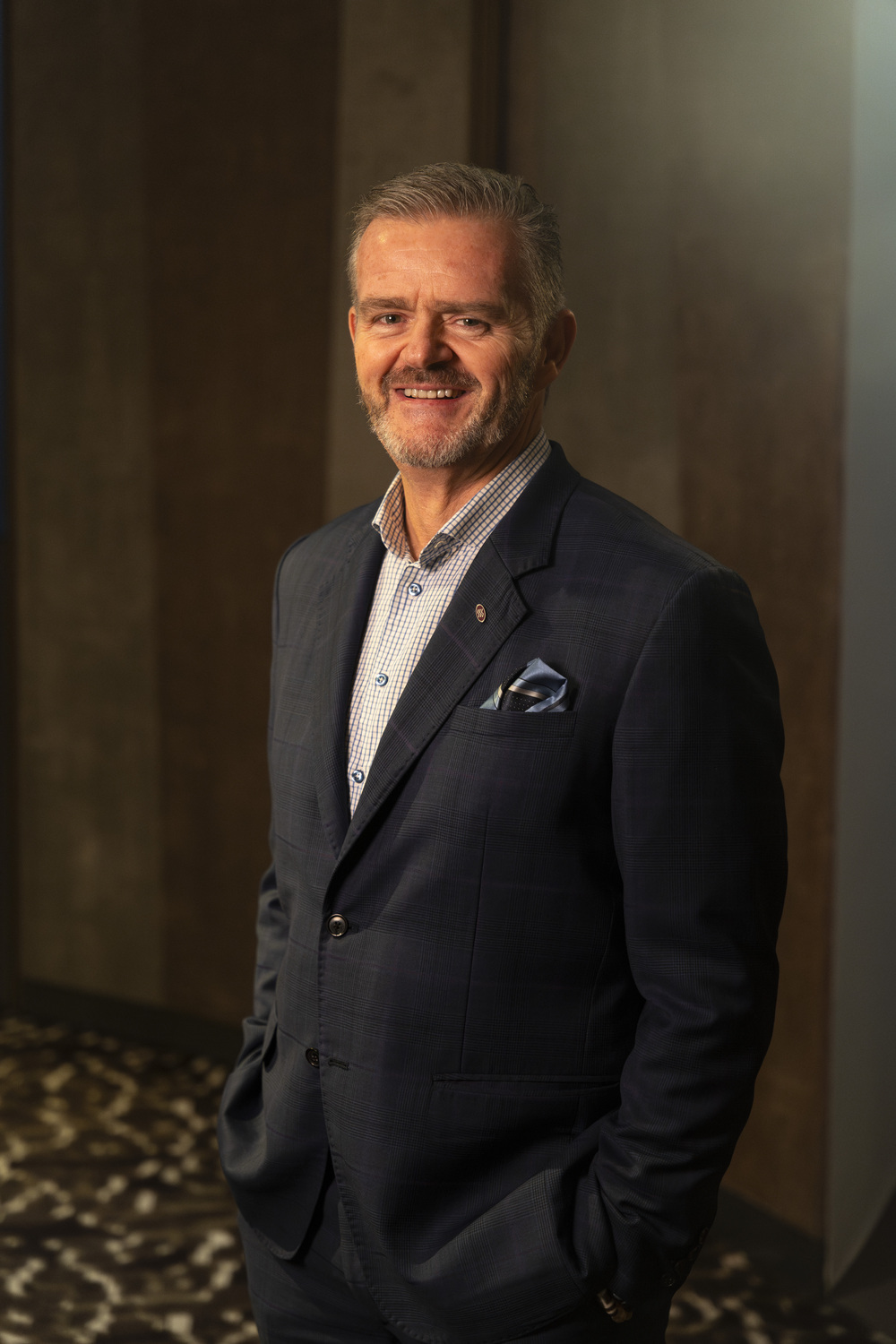
With over 30 years of global experience across 4 and 5-star properties, Bruno Cristol brings extensive operational leadership to regional hospitality. Having joined IHG in 2018, he previously managed the flagship Crowne Plaza Changi Airport, voted World's Best Airport Hotel six consecutive years, before relocating in early 2024 to oversee the newly renovated InterContinental Bali Resort in Jimbaran Bay as General Manager.
Bali is experiencing a positive structural evolution. While maintaining its established reputation as a premier leisure destination, the market is rapidly expanding into luxury tourism, wellness retreats, experiential gastronomy, corporate MICE, and destination weddings.
Bali's future is not a choice between leisure and MICE; both segments complement each other while protecting the island's unique culture, nature, and spirit. With healthy baseline demand, recovering occupancy curves, and strong investor interest, the core opportunity lies in managing growth sustainably. Long-term success depends on maintaining a healthy supply-demand balance, expanding direct air connectivity, strengthening regional infrastructure, and deepening public-private collaboration over the next 3 to 5 years.
In the luxury segment, properties must protect yield without resorting to heavy discounting. Growth will come from targeted market segmentation, direct booking strategies, and experiential value creation. Airlift remains critical, long-haul markets like Europe support extended stays, while regional markets like Australia provide consistent baseline demand. The overarching objective is attracting guests who stay longer and spend more across the entire resort footprint.
Destination Equity & Modern Luxury Pricing Models
Q: How can established luxury resorts maintain their room rates when newer hotels open nearby?
Bruno Cristol: Pricing should maintain and protect the established standards while remaining aligned with the brand’s market positioning. By carefully managing the value offered, pricing should respond to market demand and be adjusted based on competitive offerings, while maintaining the brand’s positioning and perceived value. Rather than entering reactive price wars with new developments, established luxury anchors focus on their core strength, delivering superior service quality and authentic experiences that protect brand equity and sustain pricing power over time.
Q: How are shifting luxury travel trends changing pricing models?
Bruno Cristol: Luxury is evolving from traditional exclusivity and material luxury towards more meaningful, personalized and experience-led stays. High-Net-Worth travelers increasingly seek privacy, wellbeing, culinary discovery, culture and authentic experiences that are difficult to replicate elsewhere.
Bali is also evolving as a luxury lifestyle and wellness destination, with growing offerings in wellness, sports such as Hyrox, yachting via the Bali Gapura Marina, and lifestyle experiences at places like The Sira and Icon Mall. This further strengthens the destination’s appeal to the HNW segment. This shift supports a value-based pricing approach, where premium rates are driven by the uniqueness, personalization, and quality of the experience rather than the room itself.
For InterContinental Bali Resort, Jimbaran, we are responding by moving beyond simply offering rooms and facilities to create more meaningful experiences. Through our Soul of Jimbaran concept, we bring together Balinese culture, wellness, culinary experiences, nature and personalized service to create a stronger sense of place. Wellness, for example, is evolving beyond traditional spa and wellness experiences to include movement, mindfulness, healthy cuisine, nature and cultural experiences. Our culinary offerings are also becoming more experiential through curated dining concepts and special culinary collaborations.
Ultimately, modern luxury is about creating experiences that are relevant, personal and memorable. It is not simply about the price of the room, but the value, meaning and memories created throughout the stay.
TRevPAR Optimization & Spatial Asset Management
Q: Which non-rooms revenue streams yield the highest profit margins for coastal resorts?
Bruno Cristol: The opportunity lies in maximizing the resort’s dining assets by offering distinctive outlets, each with its own atmosphere and culinary concept. This gives guests a wide variety of choices and reasons to dine with us throughout their stay, supported by daily specials and signature dining experiences such as Terrific Teppanyaki, Friday Izakaya at KO, Il Mercato on Saturday, Sunday Brunch at Bella Cucina, and more.
Beyond F&B, additional revenue can be generated through wellness activities such as yoga and Pilates, as well as recreational experiences through strategic partnerships. Examples include the School of Surf collaboration with Rip Curl and electric bike experiences with Unikat bike, allowing guests to explore the Jimbaran area.
These initiatives leverage existing facilities, spaces and partnerships to create additional revenue with relatively low incremental investment, while enhancing the overall guest experience and contributing to higher TRevPAR.
Q: How can resorts optimize their overall physical footprint to improve profitability per square meter?
Bruno Cristol: One approach is to identify and maximize underutilized areas within the resort. In 2022, we transformed an underutilized public parking area into the Jimbaran Convention Center (JCC), creating new revenue opportunities through MICE, events, banquets and F&B.
JCC offers 19 meeting and event spaces, including the Imperial Grand Ballroom, Puri Kencana Ballroom and outdoor venues. It can accommodate corporate meetings, conferences, incentive groups, weddings and large-scale events. The impact goes beyond venue revenue, as MICE events also generate room nights, banquet and F&B revenue, and additional guest spending.
From a TRevPAR perspective, JCC allows us to maximize the entire resort and create multiple revenue streams beyond room revenue. It demonstrates how every space can be turned into an asset that contributes to the overall revenue and profitability of the Resort.
MICE Synergy, F&B Commercialization & High-Yield Wellness
Q: How can resorts host large MICE delegations without displacing high-paying leisure guests?
Bruno Cristol: Targeting MICE, social events, and weddings can help maximize the resort’s large convention and outdoor spaces, especially during lower-demand periods. These groups can generate strong revenue through rooms, banquet, F&B, and other resort experiences. By offering attentive service, diverse dining, spa facilities, and attractive experiences, we can encourage guests to spend more time and more within the resort. During high-demand periods, smart room allocation and pricing can ensure MICE business complements rather than displaces higher-value leisure demand.
Q: How can hotel restaurants attract local non-resident diners in competitive culinary markets?
Bruno Cristol: Hotel F&B can attract more non-resident guests through partnerships with boutique villas, referral programmes, local digital dining platforms, and bank partnerships. Special culinary events, chef collaborations, and selected day-pass experiences can also create new reasons for local guests to visit. By combining strategic partnerships, targeted offers, and unique dining experiences, hotel restaurants can become destinations, creating new revenue opportunities beyond in-house guests.
Q: How can luxury hotels turn wellness facilities into high-yielding revenue drivers?
Bruno Cristol: The opportunity is to move beyond simply selling spa treatments and create more transformative wellness experiences. Jimbaran has strong wellness assets: the sea, open spaces, tranquility, tropical nature and authentic Balinese culture. Combined with Jimbaran Bay’s suitability for water and beach activities, and its experience hosting events such as the Asia Pacific Ocean Swim Aquathlon and Oceanman, there is strong potential to develop wellness and active lifestyle experiences.
These can include movement, mindfulness, nutrition, hydrotherapy, spa treatments, healthy cuisine and cultural experiences, ranging from a few hours to multi-day retreats. Wellness can therefore become a destination driver, encouraging longer stays, increasing ancillary spending, generating repeat visits and attracting more wellness-focused travellers.
Commercial Personalization, Tech Strategy & Retention Protocols
Q: How can guest preference data increase average guest spending without feeling sales-driven?
Bruno Cristol: Personalization can start before arrival, helping guests enjoy a more comfortable and meaningful stay. Understanding their preferences allows the hotel to offer relevant experiences and create additional revenue opportunities.
When recommendations are genuinely useful and personalized, guests are more likely to see the value and spend more. Most importantly, personalization should feel thoughtful and attentive, not sales-driven, especially in luxury hospitality.
Q: Which digital technologies improve the guest experience without losing the human warmth of luxury service?
Bruno Cristol: Technology should make the guest journey easier, more seamless and personalised without taking away the human touch. Reservation systems, pre-arrival communication, the Insider Flipbook and Staytus digital concierge help guests access information conveniently and make their stay smoother.
However, genuine warmth, personal attention and meaningful interaction remain essential in luxury hospitality. Technology should enhance experience, not replace the people behind it.
Q: How can resorts convert first-time visitors into repeat guests to lower marketing acquisition costs?
Bruno Cristol: Guest loyalty starts with a personalized and consistent experience. From pre-arrival to post-stay, we capture preferences, brief our teams, and personalize the guest experience for future visits. Our IHG Insider Expertise and The Insiders team further enhance this with personalized local recommendations based on guest interests.
These consistent touches build trust and connection, helping turn first-time guests into returning guests, strengthening loyalty and long-term value while reducing reliance on new guest acquisition.
Future Outlook for Regional Luxury Resorts
Q: What core strategy must hoteliers adopt today to keep coastal luxury assets competitive and sustainable?
Bruno Cristol: In my view, the priority is to build resilient hospitality by balancing service excellence, innovation, personalization, authentic local experiences, sustainability, and long-term commercial resilience. Today’s guests expect more than exceptional facilities; they value comfort, security, personalized service, and meaningful connections with the destination, its culture, community, and environment.
The opportunity is to align innovation, operational efficiency, and human touch with a strong sense of place, ensuring resorts remain relevant, sustainable, and commercially competitive for the long term.
Q: What single financial philosophy will define resilient luxury hospitality over the next decade?
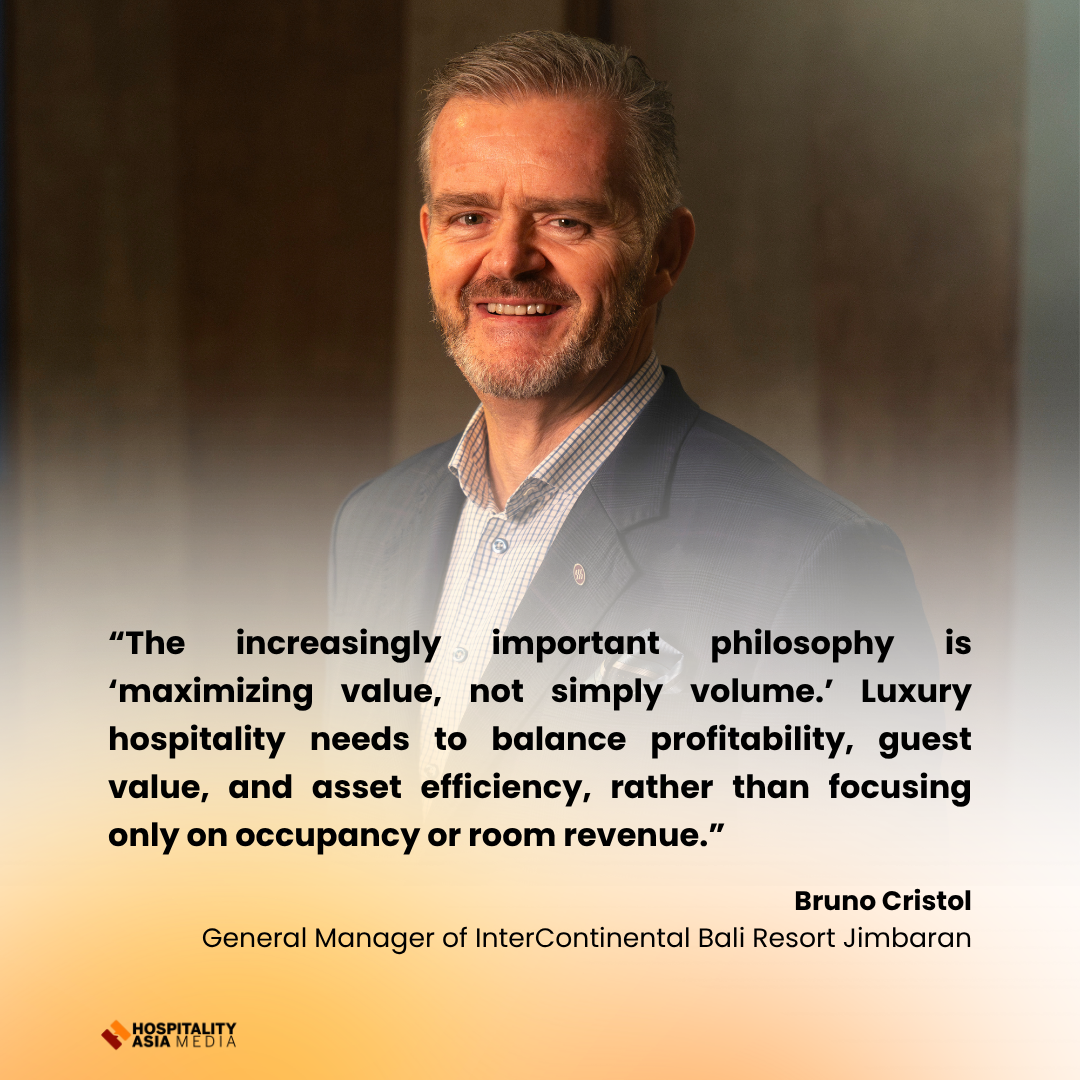
Bruno Cristol: The increasingly important philosophy is “maximizing value, not simply volume.” Luxury hospitality needs to balance profitability, guest value, and asset efficiency, rather than focusing only on occupancy or room revenue.
By maximizing non-room revenue across F&B, wellness, MICE, experiences and partnerships, while closely following travel trends and geo-markets through data and personalization, resorts can build diversified revenue streams, disciplined cost management and greater agility to adapt to changing market conditions, without compromising the quality of the luxury experience.
About Bruno Cristol
Bruno Cristol is the General Manager of InterContinental Bali Resort, Jimbaran. With over 30 years of global hospitality experience, his career spans opening, renovating, and rebranding premium 4- and 5-star properties across major international brands. In early 2024, he relocated to Bali to lead the newly upgraded InterContinental Bali Resort in Jimbaran Bay, driving commercial strategy, and operational excellence.