
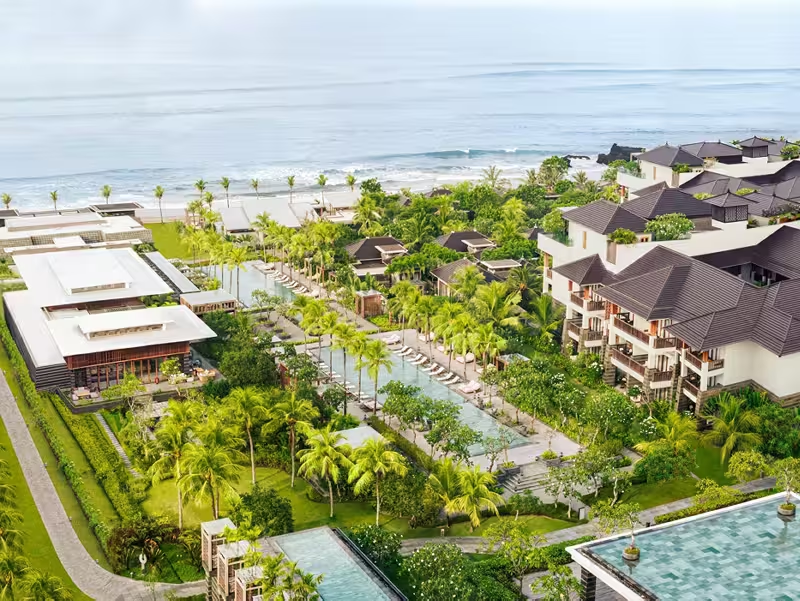
The Bali luxury hotel market is undergoing a structural shift, moving away from mass-market volume toward high-value, experience-led growth. Moving past the rapid post-pandemic expansion phase into a period of consolidation and strategic segmentation, the island's hospitality sector is seeing a pronounced divide between high-end professional properties and lower-tier accommodations.
While overall tourist arrivals remain near-record levels, surpassing 9.9 million visitors between January and July alone, a clear performance gap has emerged. Island-wide occupancy for star-rated hotels sits securely between 60% and 65%. However, five-star luxury properties are thriving, jumping past 57% to 64% in low seasons and hitting peak occupancy of 72.34%. Conversely, non-star-rated properties, budget accommodations, and smaller homestays lag significantly behind at roughly 34% to 42%.
Despite a stabilizing overall demand curve, five-star operators maintain strict pricing discipline rather than engaging in price wars. Hoteliers are protecting rate integrity, driving island-wide average daily room rates (ADR) across mid-to-high tiers to hover around USD 145–151.
While overall tourist arrivals remain near-record levels, surpassing 9.9 million visitors between January and July alone, a clear performance gap has emerged. Island-wide occupancy for star-rated hotels sits securely between 60% and 65%. However, five-star luxury properties are thriving, jumping past 57% to 64% in low seasons and hitting peak occupancy of 72.34%. Conversely, non-star-rated properties, budget accommodations, and smaller homestays lag significantly behind at roughly 34% to 42%.
Despite a stabilizing overall demand curve, five-star operators maintain strict pricing discipline rather than engaging in price wars. Hoteliers are protecting rate integrity, driving island-wide average daily room rates (ADR) across mid-to-high tiers to hover around USD 145–151.
Navigating the Supply Paradox
Bali maintains an active inventory of roughly 62,000 hotel rooms, with over half concentrated in the Kuta-to-Canggu corridor. While tourist arrivals have plateaued, luxury development has not. Approximately 1,700 to 1,900 new five-star rooms are projected to enter the pipeline through 2029.
To protect profit margins against a growing room count and a surge in unregistered private villas, successful hotels are shifting focus from selling rooms to selling experiences. Long-term profitability is leaning heavily on non-room revenue streams, such as bespoke culinary programs, integrated wellness retreats, and curated cultural experiences.
To protect profit margins against a growing room count and a surge in unregistered private villas, successful hotels are shifting focus from selling rooms to selling experiences. Long-term profitability is leaning heavily on non-room revenue streams, such as bespoke culinary programs, integrated wellness retreats, and curated cultural experiences.
Micro-Market Realignments and Emerging Corridors
Development and visitor patterns across the island’s primary geographic zones are evolving:
- The Southern Core (Kuta, Seminyak & Canggu): The Kuta-to-Canggu strip commands over half of the island's total room volume (Kuta alone accounts for roughly 36%). Kuta is driving intensive beachfront revitalization to win back high-spending travelers, while the Seminyak–Canggu corridor operates as the center for "surf-luxury" and lifestyle beach resorts.
- The Nusa Dua Corporate Fortress: Nusa Dua continues to show exceptional performance stability, dominating MICE tourism, corporate events, and luxury family travel with consistent occupancy peaks nearing 75% to 80%.
- The Ubud Highlands: Moving far beyond its history as a day-trip destination, the Ubud highlands have evolved into a primary luxury sanctuary, capturing a premium pricing tier among secluded rice terraces and rainforest valleys.
- The Cliffside Frontier (Jimbaran & Uluwatu): The cliff-top corridors stretching across Jimbaran, Pecatu, and Uluwatu represent highly coveted premium real estate due to limited land availability and direct Indian Ocean views.
- Sanur Wellness Gateways: Supported by new infrastructure and specialized medical/wellness initiatives, Sanur has emerged as one of the fastest-growing micro-markets with a strong future occupancy outlook.
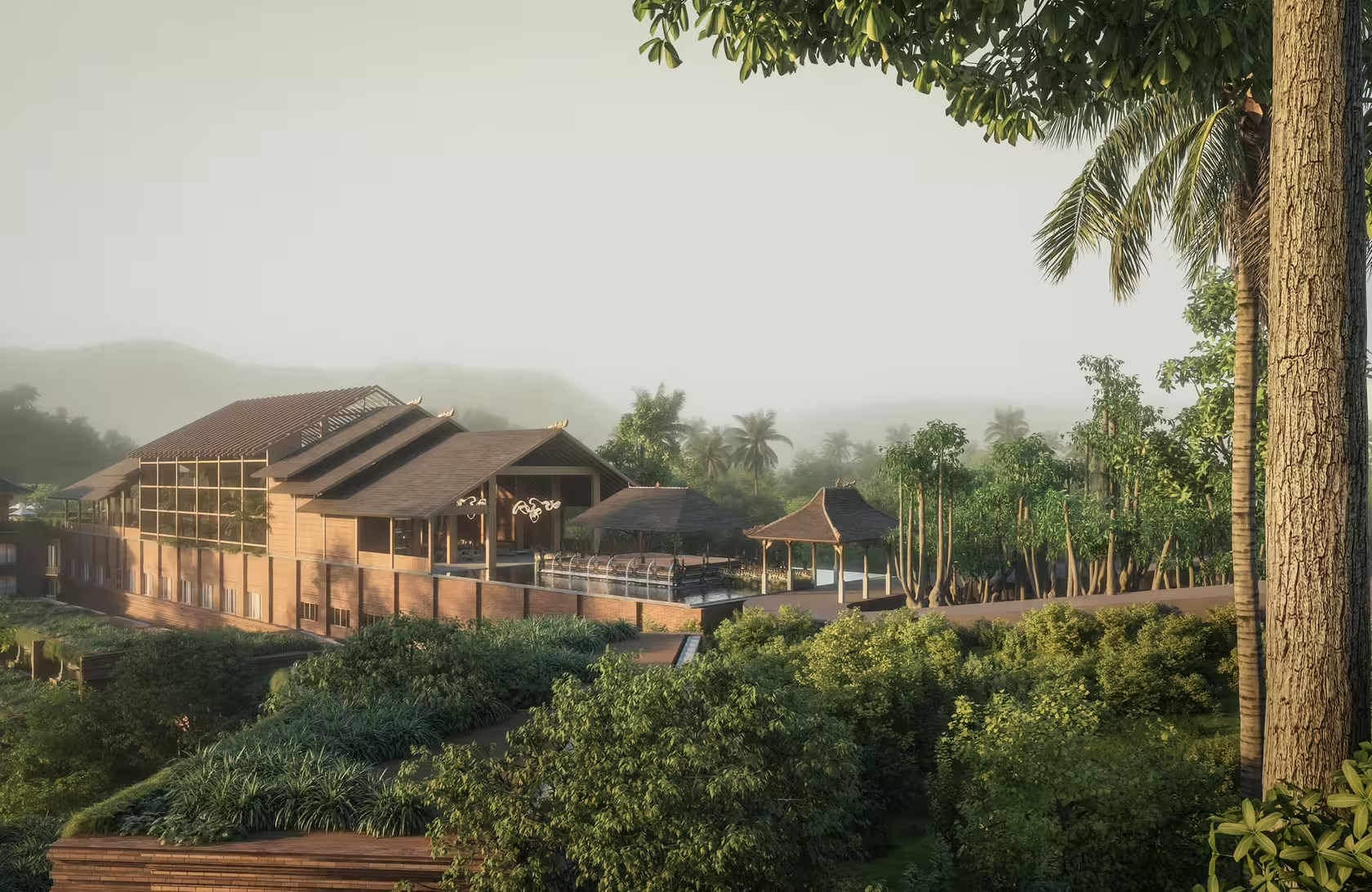
Regulatory Shifts and Branded Residences
The regulatory environment is directly influencing hospitality performance. Stricter government enforcement and tighter licensing regulations targeting short-term rentals and unregistered private villas have helped funnel demand back toward traditional formal hospitality and licensed five-star hotels.
Concurrently, investors are increasingly favoring co-located branded residences to navigate legal compliance, mitigate capital risks, and capture high-net-worth buyers seeking managed rental structures. A prominent example includes Raffles Residences Bali, alongside upcoming pipeline projects like Oakwood Jimbaran, which showcase how beachfront developments are merging traditional resort accommodations with purchasable, hospitality-managed residential inventory.
Concurrently, investors are increasingly favoring co-located branded residences to navigate legal compliance, mitigate capital risks, and capture high-net-worth buyers seeking managed rental structures. A prominent example includes Raffles Residences Bali, alongside upcoming pipeline projects like Oakwood Jimbaran, which showcase how beachfront developments are merging traditional resort accommodations with purchasable, hospitality-managed residential inventory.
Comprehensive Overview of Recent Openings and Pipeline Flagships
The current opening cycle is heavily top-heavy, with new and upcoming branded room additions concentrated within the five-star luxury and upper-upscale space.
1. Recent Lifestyle, All-Inclusive, and Entertainment Openings
1. Recent Lifestyle, All-Inclusive, and Entertainment Openings
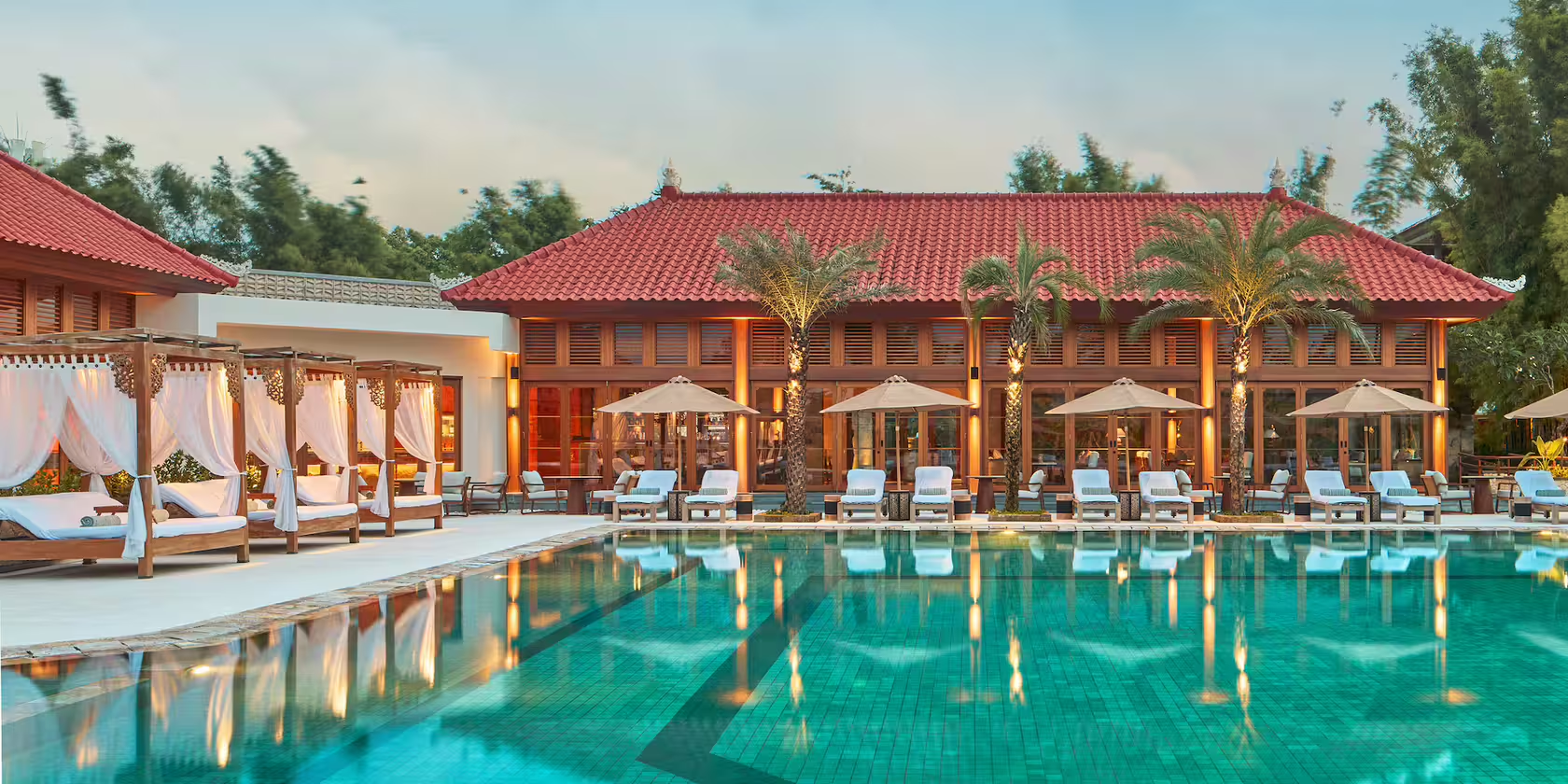
- Paradisus by Meliá Bali (Nusa Dua): Introducing a modern Balinese luxury format to the ITDC enclave, this 492-suite flagship debut marks the brand's sophisticated all-inclusive concept in Asia.
- Regent Bali Canggu: Set along the coastline of Batu Bolong, IHG’s luxury flagship brand debuts in Indonesia with 150 oceanside suites and private villas. Designed by architects at Wimberly Allison Tong & Goo with interiors by Hirsch Bedner Associates, the resort incorporates volcanic stone, Indonesian teak woodwork, and open-plan layouts with lagoon access or private infinity pools. It features the world’s first Regent Spa & Wellness concept, complete with a hydro-wellness circuit, vitality pools, and ice baths, alongside six dining venues under a "Taste Gallery" concept, highlighted by Mediterranean restaurant Sazón and Cure Bali, both helmed by Michelin-starred chef Andrew Walsh.
2. The Highland Luxury Pipeline (Ubud)
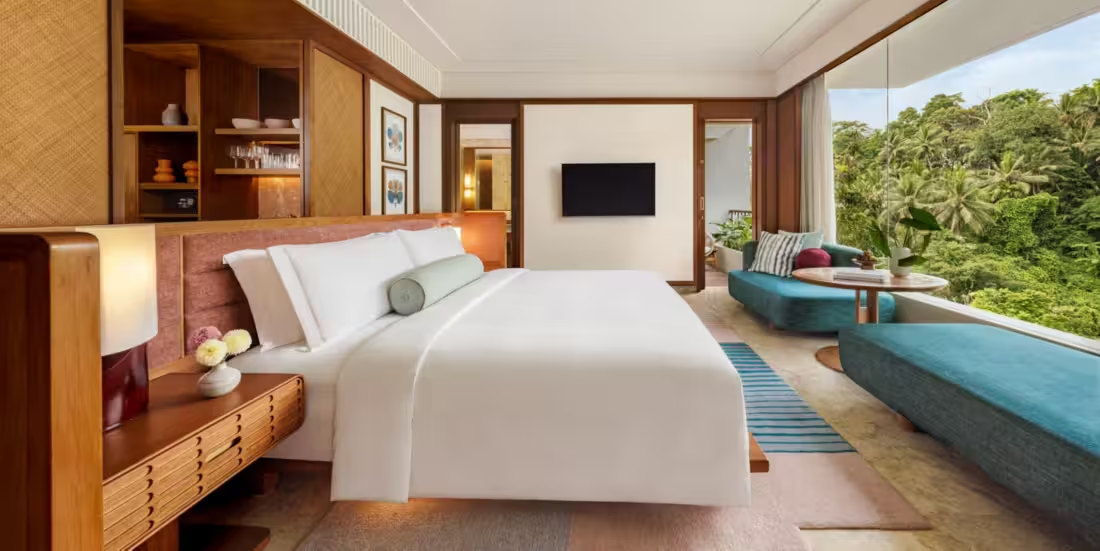
- Kimpton Suntaya Bali Ubud: Located on Jalan Bisma along the Wos River, IHG’s first Kimpton property in Indonesia features 101 rooms, pool suites, and private villas designed by Australian architectural practice Denton Corker Marshall. The resort’s culinary offerings encompass five venues, headlined by Michelin-starred Chef Hirofumi Imamura’s omakase restaurant Imamura Ubud and Japanese izakaya concept Shaku by Imamura. Wellness amenities include Sakshi Spa, a two-story fitness studio, and contrast-therapy recovery facilities.
- Cicada Resort Bali Ubud, Autograph Collection: Set along the Oos River in Sebatu, this sanctuary features 20 suites and 10 heated pool villas constructed with natural wood and stone. Spiritual wellness activities center on an authentic Melukat purification ritual using spring water flowing directly from Pura Bintang into the resort’s purification spring, paired with Mewacak spiritual readings conducted by a local Pemangku priest. Guests have access to Tangelo Restaurant, Verdant Pool Lounge & Bar, and Pravi Spa, located along the property’s Path of Dharma.
- Kempinski Ubud: An upcoming hotel, building on the architectural footprint of its sister Nusa Dua palace, this 160-room hillside retreat features terraced suites, a large wellness enclave, and dedicated MICE facilities for incentive groups.
3. Clifftop and Global Brand Flagships
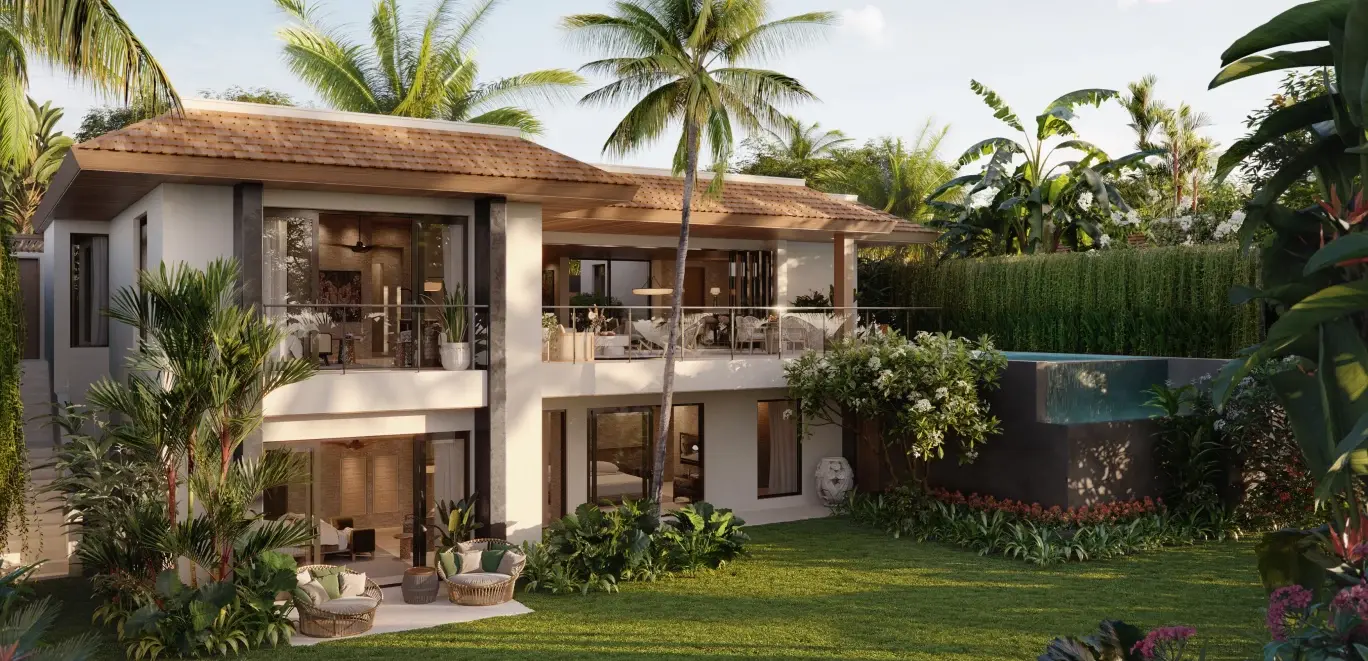
- Mandarin Oriental, Bali: Perched on a cliffside plateau on the southern tip of the island, this sprawling resort will offer 110 ultra-luxury suites and villas with panoramic ocean views.
- Waldorf Astoria Bali: Set to bring Hilton' s luxury pinnacle to the island's southern coastlines, set to open in 2027.
- Oakwood Jimbaran: Highlighting the shift toward hybrid hospitality, integrating hotel keys with managed private residences along the beachfront.
Bali's hotel market has established itself as an essential engine of Southeast Asian real estate investment. Australia remains Bali's primary source market, closely followed by steady demand from India and a resurgent Chinese traveler demographic. By tightening development regulations, targeting high-net-worth international travelers, and expanding into newly accessible lifestyle micro-markets, developers and operators are securing long-term asset appreciation and stable yields across the island.