
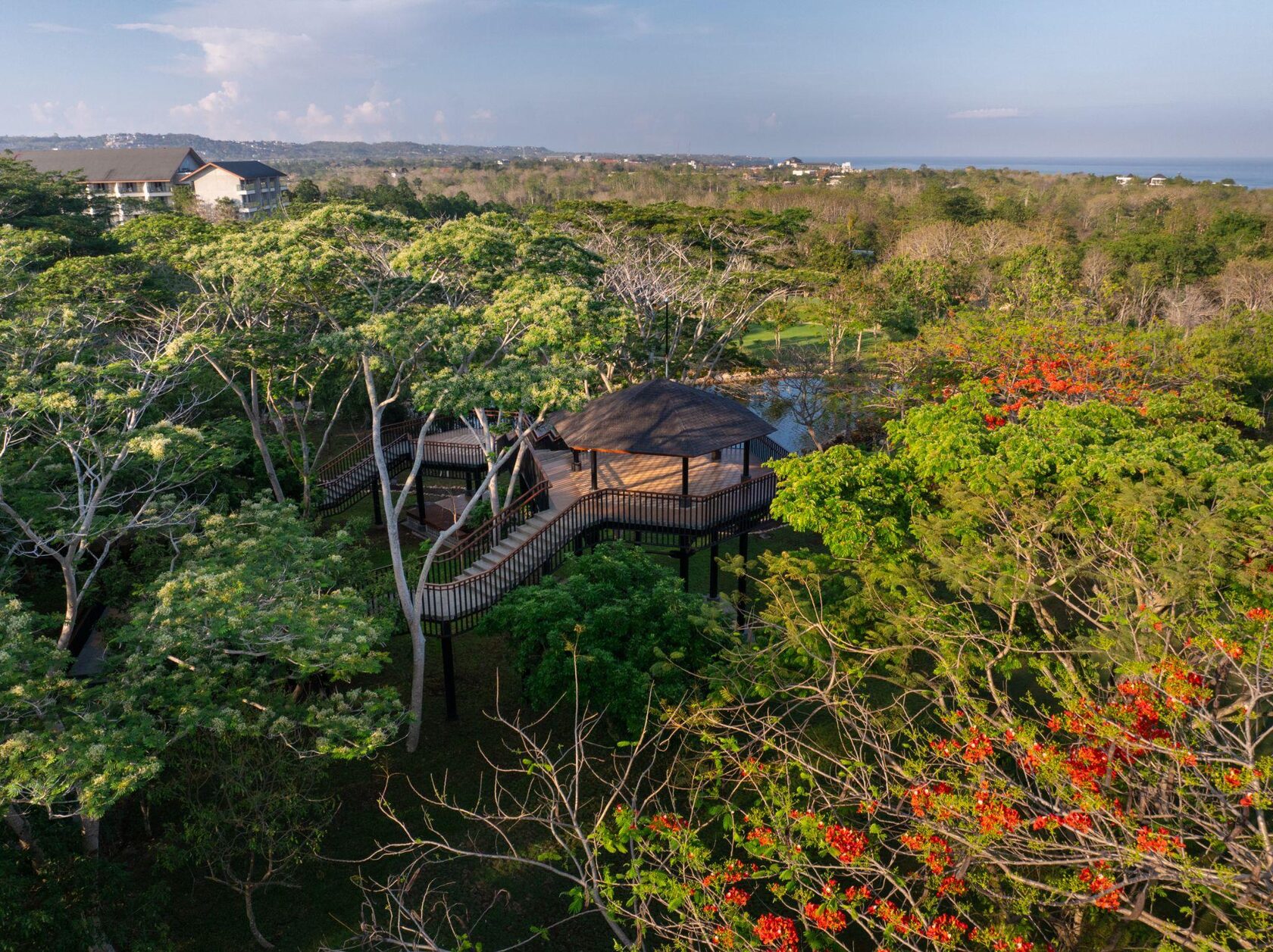
SINGAPORE — AYANA Bali has received the ASEAN Green Hotel Award 2026–2028, recognizing its implementation of environmental management systems and sustainable operational practices across its 90-hectare integrated resort destination in Jimbaran. Announced by AYANA Bali, the recognition highlights how large-scale hospitality developments are embedding sustainability into resort design, infrastructure, and day-to-day operations as environmental performance becomes an increasingly important business consideration for hospitality owners, developers, and operators.
Presented during the ASEAN Tourism Standards Awards in Cebu, Philippines, as part of the ASEAN Tourism Forum 2026, the ASEAN Green Hotel Award follows a structured evaluation process involving national assessment, operational verification, and regional review. In Indonesia, participating hotels must first complete domestic sustainability evaluations before qualifying for ASEAN-level nomination, making the award the result of multiple stages of environmental performance assessment.
For hospitality decision makers, the recognition reflects how sustainability can be integrated into the physical planning and operational management of a large resort rather than being limited to standalone initiatives. At AYANA Bali, environmental systems have been implemented across four hotels, extensive event venues, landscaped grounds, swimming pools, restaurants, and supporting infrastructure throughout the integrated destination.
Operating across a property of this scale means environmental management extends beyond compliance into long-term infrastructure planning. AYANA Bali's sustainability strategy covers resource efficiency, procurement, waste management, biodiversity protection, water management, and community engagement through systems designed to support daily resort operations.
Instead of emphasizing individual sustainability projects, AYANA Bali has embedded environmental considerations into operational processes. Existing initiatives include energy-efficiency programs, wastewater recycling infrastructure, reduced dependence on single-use plastics, local sourcing partnerships, and waste separation systems that improve resource recovery before materials reach disposal.
The resort's environmental infrastructure also demonstrates how sustainable hotel design increasingly relies on investment in operational systems. AYANA Bali currently operates solar energy installations with a generating capacity of 854 kWp while expanding the use of electric vehicles throughout the property. These systems support lower environmental impact across internal transportation and energy consumption while serving the operational needs of a large hospitality destination.
Water management represents another core element of the resort's environmental design. Advanced treatment facilities recycle treated wastewater for irrigation and operational reuse, reducing demand for freshwater resources while maintaining extensive landscaped areas throughout the integrated resort. By incorporating water recycling into everyday operations, the resort supports resource efficiency across its large outdoor environment.
Presented during the ASEAN Tourism Standards Awards in Cebu, Philippines, as part of the ASEAN Tourism Forum 2026, the ASEAN Green Hotel Award follows a structured evaluation process involving national assessment, operational verification, and regional review. In Indonesia, participating hotels must first complete domestic sustainability evaluations before qualifying for ASEAN-level nomination, making the award the result of multiple stages of environmental performance assessment.
For hospitality decision makers, the recognition reflects how sustainability can be integrated into the physical planning and operational management of a large resort rather than being limited to standalone initiatives. At AYANA Bali, environmental systems have been implemented across four hotels, extensive event venues, landscaped grounds, swimming pools, restaurants, and supporting infrastructure throughout the integrated destination.
Operating across a property of this scale means environmental management extends beyond compliance into long-term infrastructure planning. AYANA Bali's sustainability strategy covers resource efficiency, procurement, waste management, biodiversity protection, water management, and community engagement through systems designed to support daily resort operations.
Instead of emphasizing individual sustainability projects, AYANA Bali has embedded environmental considerations into operational processes. Existing initiatives include energy-efficiency programs, wastewater recycling infrastructure, reduced dependence on single-use plastics, local sourcing partnerships, and waste separation systems that improve resource recovery before materials reach disposal.
The resort's environmental infrastructure also demonstrates how sustainable hotel design increasingly relies on investment in operational systems. AYANA Bali currently operates solar energy installations with a generating capacity of 854 kWp while expanding the use of electric vehicles throughout the property. These systems support lower environmental impact across internal transportation and energy consumption while serving the operational needs of a large hospitality destination.
Water management represents another core element of the resort's environmental design. Advanced treatment facilities recycle treated wastewater for irrigation and operational reuse, reducing demand for freshwater resources while maintaining extensive landscaped areas throughout the integrated resort. By incorporating water recycling into everyday operations, the resort supports resource efficiency across its large outdoor environment.
Landscape planning also plays a role in AYANA Bali's sustainability framework. The property includes Tevana Garden, a six-hectare botanical environment that preserves tropical plant species and supports native birdlife. The integration of protected green spaces within the resort reflects an approach where environmental stewardship is incorporated into the physical design of the destination alongside hospitality facilities.
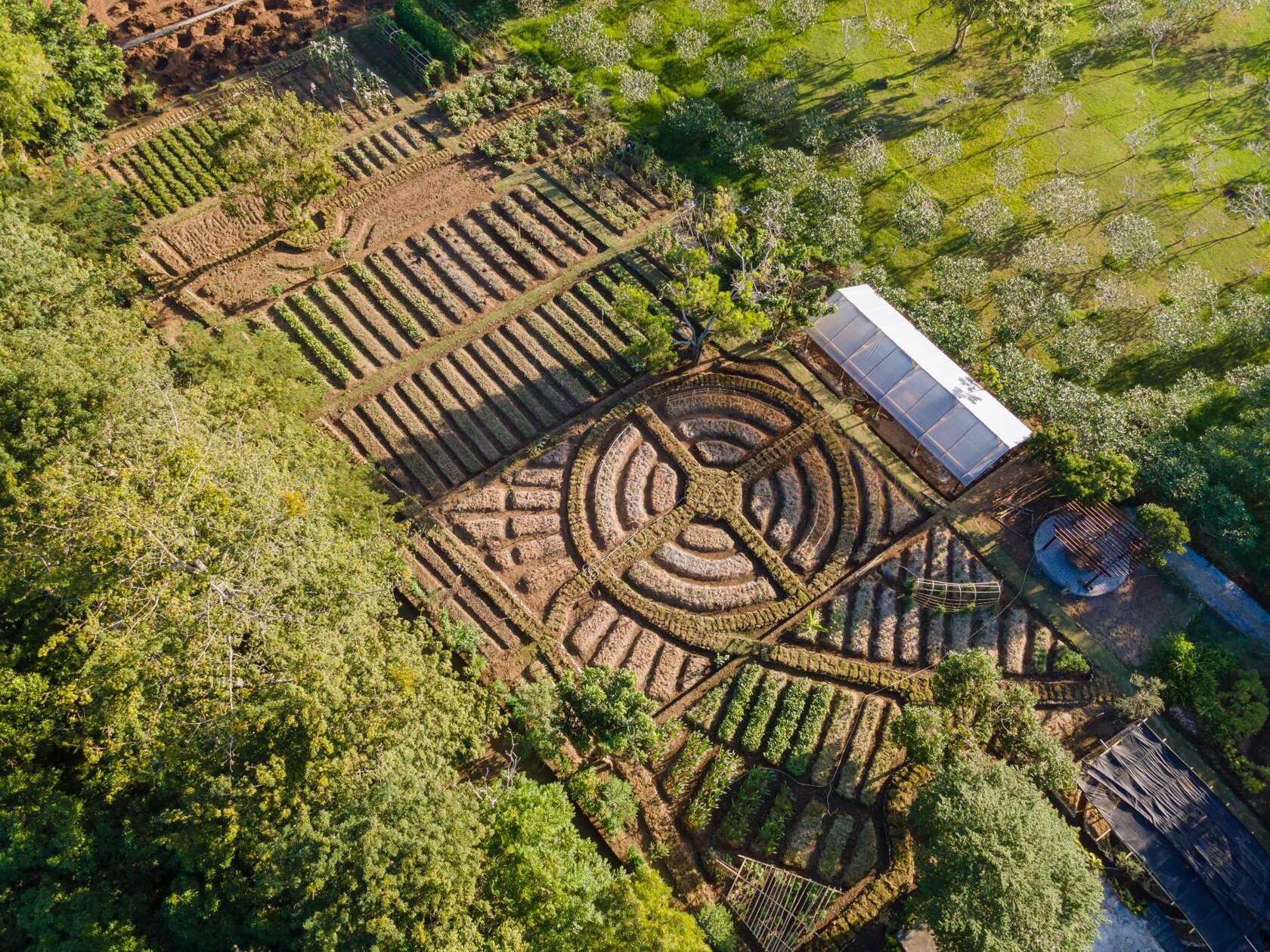
Supporting the property's landscape management is AYANA Farm, a two-hectare organic farm producing herbs, fruits, vegetables, and edible flowers supplied directly to restaurants across the resort. Beyond contributing fresh ingredients to food operations, the farm also serves as an educational environment where guests can learn about regenerative agriculture and food systems integrated within the resort ecosystem.
The sustainability framework extends beyond physical infrastructure through collaboration with local suppliers, waste management partners, educational institutions, and social enterprises across Bali. AYANA Bali also supports environmental initiatives through employee engagement and ongoing staff training programs that reinforce sustainability practices throughout daily operations.
Partnerships with organizations including Green Camp Bali contribute additional educational opportunities focused on resource management and circular thinking. These collaborations support environmental awareness while complementing the resort's operational sustainability initiatives.
AYANA Bali also acknowledges that waste management remains one of Bali's broader environmental challenges requiring long-term cooperation among government institutions, local communities, businesses, and households. Within this context, the resort continues to focus on strengthening environmental practices within its own operational ecosystem while supporting broader collaboration across the island.
Current waste management initiatives include processing food waste into animal feed through partnerships with local community organizations, composting landscape waste for reuse across resort gardens, and reducing single-use plastics by introducing refillable guest amenities and reusable alternatives throughout the property.
The resort continues to evaluate additional investments in on-site organic waste management infrastructure, including expanded composting capabilities designed to support evolving waste reduction and material reuse objectives. These initiatives form part of AYANA Bali's ongoing efforts to improve responsible material management across the integrated destination.
For hospitality developers and operators managing large-scale mixed-use resorts, the operational model demonstrates how environmental infrastructure can be incorporated across multiple business functions simultaneously. Energy systems, water recycling, waste management, landscape planning, food production, procurement, and staff engagement operate as interconnected components supporting broader environmental objectives rather than functioning as isolated sustainability programs.
The ASEAN Green Hotel Award also builds upon AYANA Bali's previous environmental achievements. In 2025, the resort received EarthCheck Gold Certification after completing five consecutive years of independently audited environmental performance. Together, the certifications reflect continued investment in environmental accountability supported by long-term operational improvements and independently verified sustainability practices.
Located approximately 12 kilometers from Bali's international airport, AYANA Bali spans 90 hectares along a 1.3-kilometer cliff-front coastline overlooking Jimbaran Bay. The integrated destination includes four hotels—AYANA Resort Bali, AYANA Segara Bali, AYANA Villas Bali, and RIMBA by AYANA Bali—alongside extensive hospitality infrastructure including event venues, restaurants, recreational facilities, wellness amenities, landscaped environments, and residential components.
Across the property, environmental management systems have been incorporated into daily resort operations through investments in renewable energy, water reuse, biodiversity conservation, sustainable food production, waste reduction, and resource efficiency. The ASEAN Green Hotel Award 2026–2028 recognizes these integrated environmental practices as part of AYANA Bali's continuing approach to sustainable hospitality operations and long-term environmental management.
Supporting the property's landscape management is AYANA Farm, a two-hectare organic farm producing herbs, fruits, vegetables, and edible flowers supplied directly to restaurants across the resort. Beyond contributing fresh ingredients to food operations, the farm also serves as an educational environment where guests can learn about regenerative agriculture and food systems integrated within the resort ecosystem.
The sustainability framework extends beyond physical infrastructure through collaboration with local suppliers, waste management partners, educational institutions, and social enterprises across Bali. AYANA Bali also supports environmental initiatives through employee engagement and ongoing staff training programs that reinforce sustainability practices throughout daily operations.
Partnerships with organizations including Green Camp Bali contribute additional educational opportunities focused on resource management and circular thinking. These collaborations support environmental awareness while complementing the resort's operational sustainability initiatives.
AYANA Bali also acknowledges that waste management remains one of Bali's broader environmental challenges requiring long-term cooperation among government institutions, local communities, businesses, and households. Within this context, the resort continues to focus on strengthening environmental practices within its own operational ecosystem while supporting broader collaboration across the island.
Current waste management initiatives include processing food waste into animal feed through partnerships with local community organizations, composting landscape waste for reuse across resort gardens, and reducing single-use plastics by introducing refillable guest amenities and reusable alternatives throughout the property.
The resort continues to evaluate additional investments in on-site organic waste management infrastructure, including expanded composting capabilities designed to support evolving waste reduction and material reuse objectives. These initiatives form part of AYANA Bali's ongoing efforts to improve responsible material management across the integrated destination.
For hospitality developers and operators managing large-scale mixed-use resorts, the operational model demonstrates how environmental infrastructure can be incorporated across multiple business functions simultaneously. Energy systems, water recycling, waste management, landscape planning, food production, procurement, and staff engagement operate as interconnected components supporting broader environmental objectives rather than functioning as isolated sustainability programs.
The ASEAN Green Hotel Award also builds upon AYANA Bali's previous environmental achievements. In 2025, the resort received EarthCheck Gold Certification after completing five consecutive years of independently audited environmental performance. Together, the certifications reflect continued investment in environmental accountability supported by long-term operational improvements and independently verified sustainability practices.
Located approximately 12 kilometers from Bali's international airport, AYANA Bali spans 90 hectares along a 1.3-kilometer cliff-front coastline overlooking Jimbaran Bay. The integrated destination includes four hotels—AYANA Resort Bali, AYANA Segara Bali, AYANA Villas Bali, and RIMBA by AYANA Bali—alongside extensive hospitality infrastructure including event venues, restaurants, recreational facilities, wellness amenities, landscaped environments, and residential components.
Across the property, environmental management systems have been incorporated into daily resort operations through investments in renewable energy, water reuse, biodiversity conservation, sustainable food production, waste reduction, and resource efficiency. The ASEAN Green Hotel Award 2026–2028 recognizes these integrated environmental practices as part of AYANA Bali's continuing approach to sustainable hospitality operations and long-term environmental management.