

A new chapter is unfolding in Asian travel. According to Agoda’s 2026 Travel Outlook Report, traveler preferences are rapidly evolving from predictable hotspot itineraries to experience-driven, localized journeys. Based on extensive booking insights and survey data across key Asia-Pacific markets, regional tourism in 2026 is being defined by five core structural shifts.
Domestic Travel Takes Center Stage
If 2026 has a travel anthem, it is “there is no place like home.” Across Asia, the appeal of exploring local destinations is accelerating. Survey results reveal that 35% of Asian travelers plan to travel more domestically than internationally in 2026, a sharp increase from 15% in previous years.
This domestic preference is most pronounced in Japan (67%) and Thailand (66%), where roughly two-thirds of respondents state a clear commitment to exploring inside their national borders.
At the same time, family travel habits are pivoting toward micro-travel. Survey data indicates that 35% of travelers plan to take 4 to 6 trips throughout 2026, with 50% identifying 4 to 7 days as the ideal trip length. This sweet spot allows for meaningful family getaways without extended disruptions to school or work commitments.
This domestic preference is most pronounced in Japan (67%) and Thailand (66%), where roughly two-thirds of respondents state a clear commitment to exploring inside their national borders.
At the same time, family travel habits are pivoting toward micro-travel. Survey data indicates that 35% of travelers plan to take 4 to 6 trips throughout 2026, with 50% identifying 4 to 7 days as the ideal trip length. This sweet spot allows for meaningful family getaways without extended disruptions to school or work commitments.
- Micro-Travel Leaders: Japan (59%) and Thailand (56%) lead the region in opting for shorter, bite-sized domestic getaways.
- Long-Stay Ambitions: Indonesian travelers stand out for their regional travel ambitions, leading overall metrics for planned trip frequency and extended duration.
Following Taste Buds: Culinary Tourism Climbs to the Top Three
Food has officially become a primary driver for booking travel across Asia. Relaxation (62%), culinary experiences (31%), and cultural exploration (25%) now form the top three travel motivators for Asian tourists. This marks the first time food culture has climbed into the top three, leaping from sixth place in previous rankings.
Asia’s biggest culinary travelers hail from Taiwan (47%), Vietnam (35%), and South Korea (34%), citing food as a main reason to book a trip. Agoda search data highlights that food and drink experiences consistently rank in the top five activity categories searched across the platform.
Cultural food events are demonstrating an immediate ability to redirect travel patterns. For example, Phuket’s annual J Vegetarian Festival draws strong interest from Malaysian and Indian travelers, while event-driven spikes from mainland China and South Korea demonstrate how quickly culinary celebrations generate accommodation surges.
Asia’s biggest culinary travelers hail from Taiwan (47%), Vietnam (35%), and South Korea (34%), citing food as a main reason to book a trip. Agoda search data highlights that food and drink experiences consistently rank in the top five activity categories searched across the platform.
Cultural food events are demonstrating an immediate ability to redirect travel patterns. For example, Phuket’s annual J Vegetarian Festival draws strong interest from Malaysian and Indian travelers, while event-driven spikes from mainland China and South Korea demonstrate how quickly culinary celebrations generate accommodation surges.
The Secondary Destination Acceleration
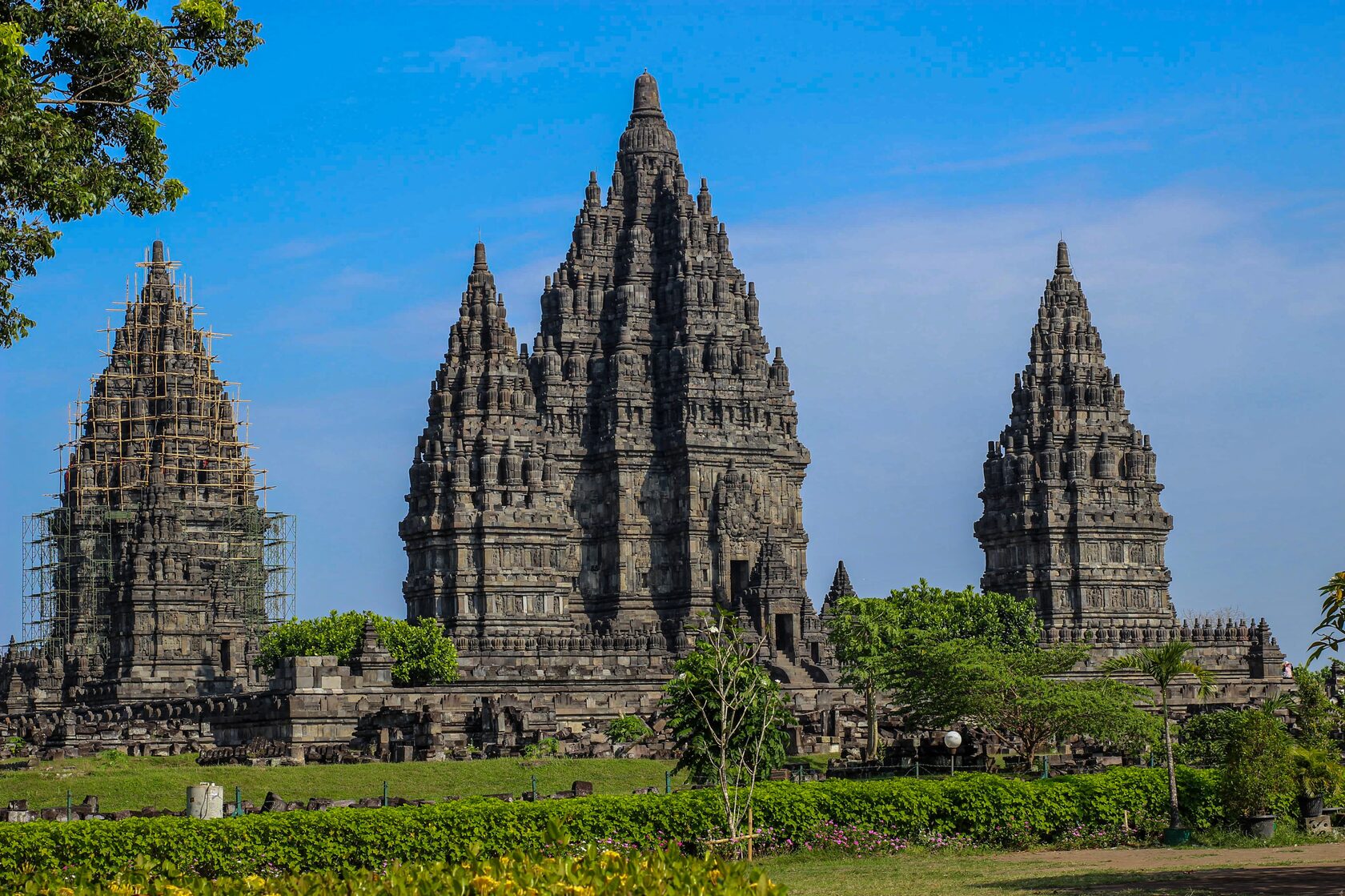
Secondary locations are no longer fringe choices; they are emerging as preferred options for experience-driven travelers seeking authenticity, outdoor activities, and value. Agoda search metrics reveal that searches for accommodation in secondary Asian destinations have grown 15% faster than traditional primary hubs over the past two years, accounting for 34% of total accommodation searches on the platform.
While 43% of travelers prioritize lower costs when choosing secondary markets, decision-making is equally driven by special promotions, unique local culture, and nature-focused activities.
Government Initiatives in Action
Destination Marketing Organizations (DMOs) and regional governments are actively capitalizing on this trend to redistribute tourism spend and ease overtourism in capital cities:
Changing Accommodation Supply
As demand for secondary locations expands, the accommodation supply landscape is diversifying. Non-hotel options, including villas, apartments, and boutique guesthouses, are providing travelers with privacy and authenticity while opening digital revenue channels for local property owners and regional communities.
Accessibility and Visa Deregulation
While traveler curiosity is high, practical friction dictates final booking decisions. A substantial 61% of Asian travelers state they would actively visit new destinations if existing visa requirements were relaxed, compared to 27% who would visit the same destination and 12% who remain undecided.
The appetite to explore new destinations under visa-free or simplified policies is strongest in:
As governments continue streamlining entry procedures, expanding regional flight routes, and deploying digital travel solutions, friction-free access will serve as a primary catalyst for secondary destination growth.
Japan’s Secondary Cities on the Rise
Japan has experienced a 74% surge in search interest for secondary destinations, driven by targeted Destination Marketing Organization (DMO) campaigns and growing traveler curiosity. While Tokyo, Osaka, and Fukuoka maintain high demand, secondary destinations are recording the fastest year-on-year growth in accommodation searches:
This shift is supported by strategic digital platform integration. For example, Agoda’s partnership with Hoshino Resorts Inc. added 65 properties to the platform, expanding digital visibility for Japan's regional accommodations and heritage stays.
Indonesia’s Domestic Travel Boom
Indonesia’s domestic travel market is experiencing significant expansion, with 57% of Indonesians planning to explore more locally in 2026. Accommodation searches and bookings for secondary Indonesian destinations surged 57% year-over-year, outpacing growth in primary hotspots.
A key highlight is the Riau Islands, where regional interest was propelled by the viral Aura Farming Pacu Jalur cultural event. Driven by social media momentum on platforms like TikTok, domestic travel interest to Riau climbed 35%, while international searches rose 13%. These localized surges align with the government’s “Wonderful Indonesia” campaign, which actively promotes secondary regional destinations alongside traditional hubs like Bali.
While 43% of travelers prioritize lower costs when choosing secondary markets, decision-making is equally driven by special promotions, unique local culture, and nature-focused activities.
Government Initiatives in Action
Destination Marketing Organizations (DMOs) and regional governments are actively capitalizing on this trend to redistribute tourism spend and ease overtourism in capital cities:
- Thailand: The 'Grand Discovery Thailand' campaign continues to spotlight secondary provinces beyond Bangkok and Phuket.
- Indonesia: The "Tourism 5.0" initiative focuses development on "super priority" secondary destinations beyond Bali.
- Malaysia: The Visit Malaysia 2026 (VM2026) campaign is expanding infrastructure, marketing, and connectivity for emerging secondary cities.
- Japan: Regional DMO campaigns are driving travel into lesser-known prefectures, yielding a 74% increase in search interest for secondary Japanese destinations.
- India: The UDAN initiative is expanding regional air connectivity, linking travelers directly to smaller cities and rural heritage zones.
Changing Accommodation Supply
As demand for secondary locations expands, the accommodation supply landscape is diversifying. Non-hotel options, including villas, apartments, and boutique guesthouses, are providing travelers with privacy and authenticity while opening digital revenue channels for local property owners and regional communities.
Accessibility and Visa Deregulation
While traveler curiosity is high, practical friction dictates final booking decisions. A substantial 61% of Asian travelers state they would actively visit new destinations if existing visa requirements were relaxed, compared to 27% who would visit the same destination and 12% who remain undecided.
The appetite to explore new destinations under visa-free or simplified policies is strongest in:
- India: 91%
- Philippines: 89%
- Indonesia: 80%
As governments continue streamlining entry procedures, expanding regional flight routes, and deploying digital travel solutions, friction-free access will serve as a primary catalyst for secondary destination growth.
Japan’s Secondary Cities on the Rise
Japan has experienced a 74% surge in search interest for secondary destinations, driven by targeted Destination Marketing Organization (DMO) campaigns and growing traveler curiosity. While Tokyo, Osaka, and Fukuoka maintain high demand, secondary destinations are recording the fastest year-on-year growth in accommodation searches:
- Takamatsu: +63%
- Matsuyama: +44%
- Sendai: +32%
- Okinawa: +27% (Okinawa has also entered the top five overall destinations for inbound travelers)
- Sapporo: +26%
This shift is supported by strategic digital platform integration. For example, Agoda’s partnership with Hoshino Resorts Inc. added 65 properties to the platform, expanding digital visibility for Japan's regional accommodations and heritage stays.
Indonesia’s Domestic Travel Boom
Indonesia’s domestic travel market is experiencing significant expansion, with 57% of Indonesians planning to explore more locally in 2026. Accommodation searches and bookings for secondary Indonesian destinations surged 57% year-over-year, outpacing growth in primary hotspots.
A key highlight is the Riau Islands, where regional interest was propelled by the viral Aura Farming Pacu Jalur cultural event. Driven by social media momentum on platforms like TikTok, domestic travel interest to Riau climbed 35%, while international searches rose 13%. These localized surges align with the government’s “Wonderful Indonesia” campaign, which actively promotes secondary regional destinations alongside traditional hubs like Bali.
Event Tourism, 'Set-Jetting', and Connected Travel
Asian travel in 2026 is heavily event-driven. Live music, sporting events, and screen-inspired tourism ('set-jetting') are consistently triggering accommodation search surges:
To support this shift toward experience-first travel, digital platforms are embracing the 'connected trip'. With over 300,000 bookable activities on Agoda, ranging from transport essentials to fast-track entry for major attractions, travelers are increasingly consolidating accommodations, flights, and tours into a single, seamless digital itinerary.
The findings from Agoda’s 2026 Travel Outlook Report highlight a clear directive for regional tourism stakeholders: growth is migrating away from traditional hotspot volume and toward experience-rich, highly accessible secondary destinations. Industry partners, hotels, and DMOs that leverage digital platforms, embrace event-driven demand, and cater to the booming domestic market are best positioned to capture the next wave of Asian travel growth.
- Concert Tourism: Following the announcement of Lady Gaga’s exclusive Singapore dates, Agoda recorded a 358% spike in accommodation searches, led by inbound interest from Taiwan, Indonesia, China, the Philippines, and Malaysia. Similarly, BLACKPINK’s Bangkok show saw accommodation searches from Vietnam jump 266%.
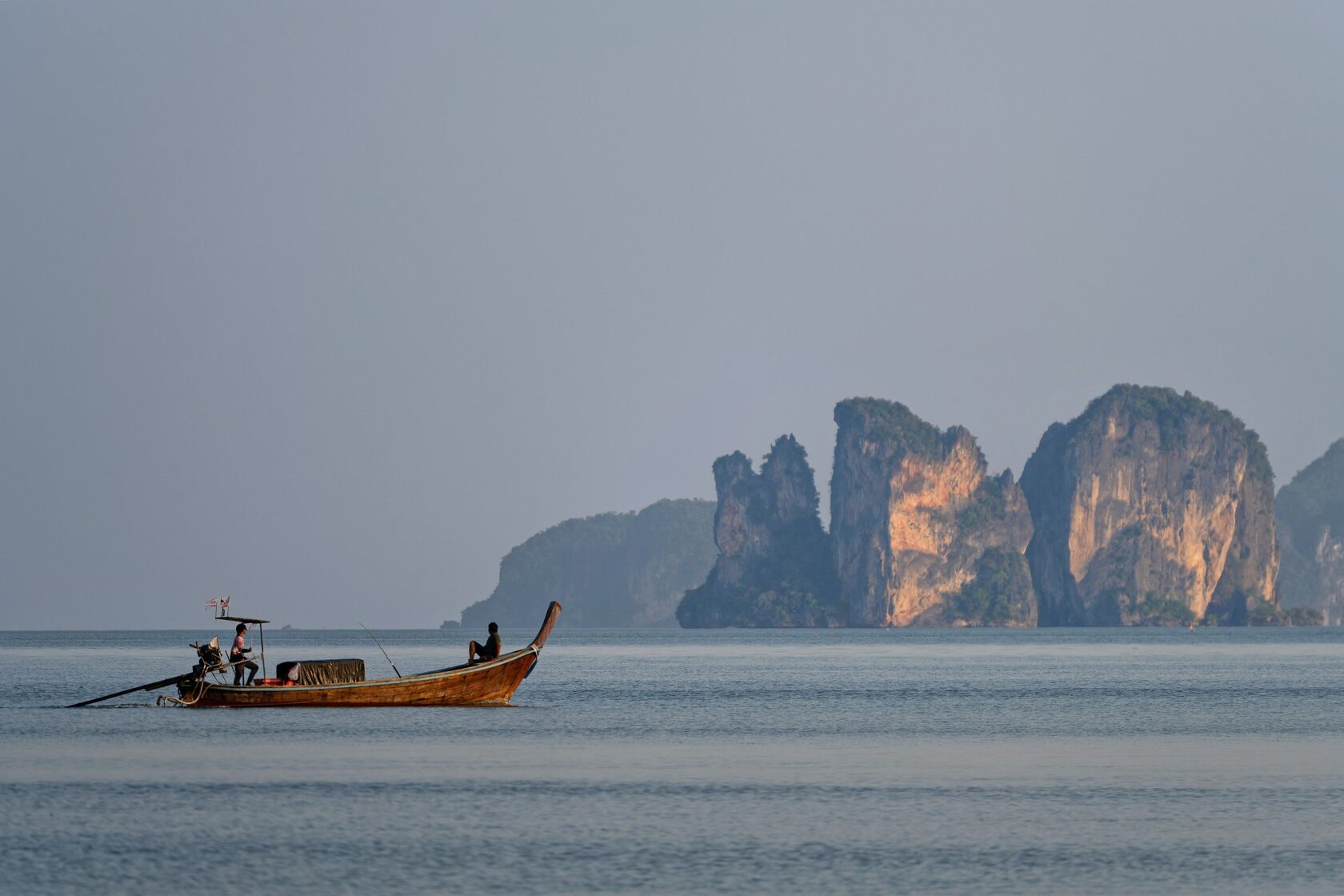
- Set-Jetting: Screen-inspired travel is expanding, with 13% of Vietnamese travelers seeking film and TV locations. Featured regions like Koh Samui (The White Lotus) and Krabi (Jurassic World: Rebirth) continue to draw pop-culture tourism.
- Major Events: Global festival debuts like Tomorrowland in Chon Buri, Thailand, alongside annual anchors like the Formula 1 Singapore Grand Prix, Wonderfruit, and regional Pride Parades, cement Asia's standing as a global event hub. Notably, 26% of Japanese travelers cite attending a specific event as their main travel motivator.
To support this shift toward experience-first travel, digital platforms are embracing the 'connected trip'. With over 300,000 bookable activities on Agoda, ranging from transport essentials to fast-track entry for major attractions, travelers are increasingly consolidating accommodations, flights, and tours into a single, seamless digital itinerary.
The findings from Agoda’s 2026 Travel Outlook Report highlight a clear directive for regional tourism stakeholders: growth is migrating away from traditional hotspot volume and toward experience-rich, highly accessible secondary destinations. Industry partners, hotels, and DMOs that leverage digital platforms, embrace event-driven demand, and cater to the booming domestic market are best positioned to capture the next wave of Asian travel growth.