
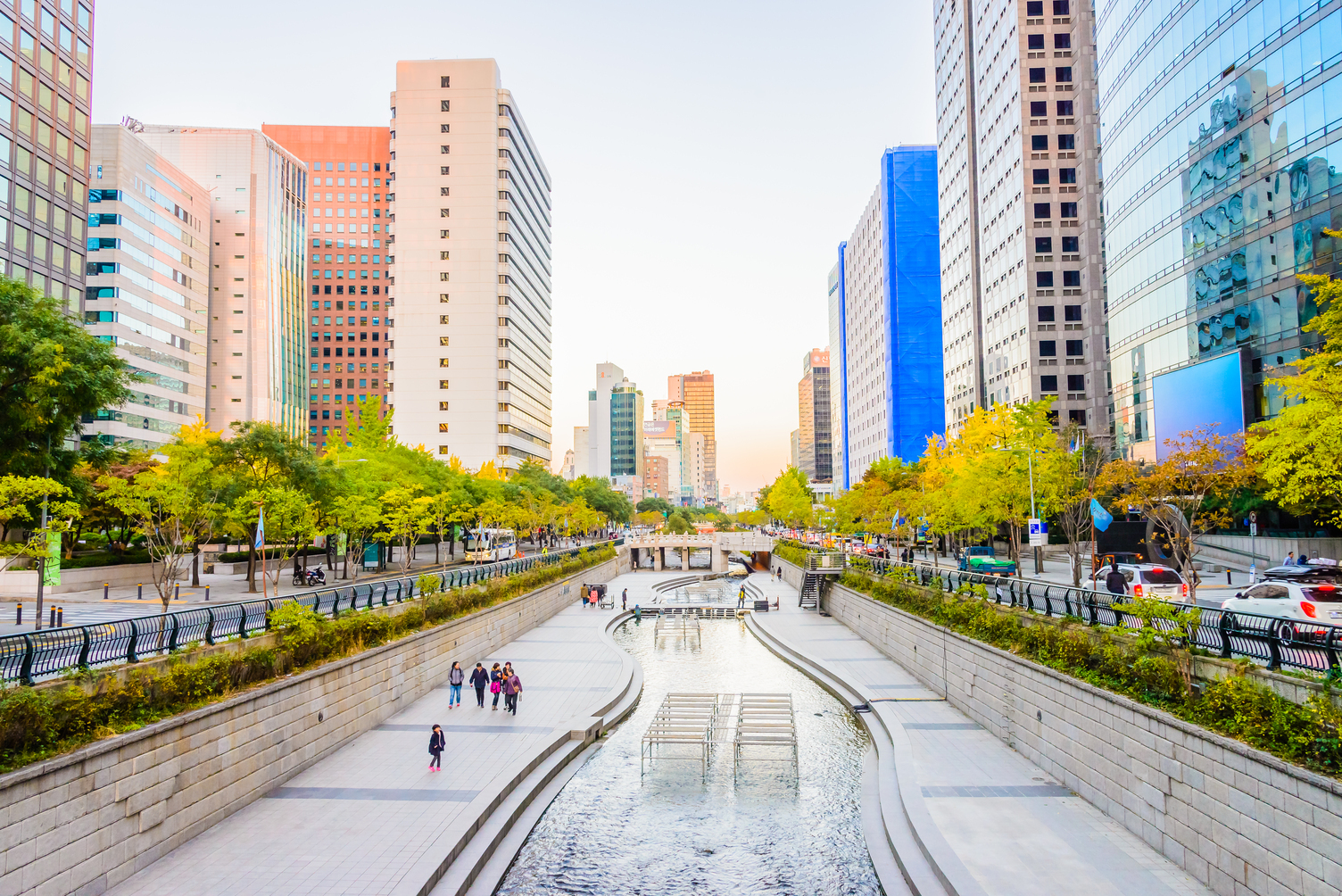
The global travel map has officially shifted. As we move through 2026, the latest data from Trip.com confirms that Asian countries are dominating the world's "must-visit" lists. Two of Japan's most iconic cities, Tokyo and Osaka, have seen such a surge in interest that they now sit firmly within the top 10 most desired destinations for international travelers.
This trend isn't just limited to Japan. Data from Tripmaster.com highlights a massive upward trajectory for Thailand, China, and Turkey as well. Japan remains the top pick for travelers from Indonesia, Malaysia, Singapore, and Europe, with international arrivals expected to surpass 42 million people this year. Meanwhile, Thailand’s legendary Songkran festival alone is projected to draw 3.7 million visitors.
This trend isn't just limited to Japan. Data from Tripmaster.com highlights a massive upward trajectory for Thailand, China, and Turkey as well. Japan remains the top pick for travelers from Indonesia, Malaysia, Singapore, and Europe, with international arrivals expected to surpass 42 million people this year. Meanwhile, Thailand’s legendary Songkran festival alone is projected to draw 3.7 million visitors.
The Rise of Entertainment-Led Tourism
While Asia’s natural beauty remains a major draw, the motivation for visiting has evolved. We are now in the era of Entertainment-led tourism.
Fans are no longer content watching their idols on a screen. They want to experience the energy in person. South Korea is seeing record-breaking demand from fans traveling specifically for K-pop concerts. Iconic groups like BTS, Seventeen, and Bigbang are not just musical acts, they are economic engines driving the hospitality industry. From my own perspective, there is an electric atmosphere you can only find in Seoul or Tokyo during a major concert week. The local hotels and transport sectors are feeling the "halo effect" as fans turn a three-hour show into a week-long cultural immersion.
Fans are no longer content watching their idols on a screen. They want to experience the energy in person. South Korea is seeing record-breaking demand from fans traveling specifically for K-pop concerts. Iconic groups like BTS, Seventeen, and Bigbang are not just musical acts, they are economic engines driving the hospitality industry. From my own perspective, there is an electric atmosphere you can only find in Seoul or Tokyo during a major concert week. The local hotels and transport sectors are feeling the "halo effect" as fans turn a three-hour show into a week-long cultural immersion.
Shopping: The Unstoppable Motivator
If entertainment gets travelers to book the flight, shopping is what keeps them on the ground. Shopping-led tourism is a massive pillar for destinations like South Korea and Taiwan. In fact, one in four travelers globally admits that shopping is the primary reason they travel abroad.
In Asia, this isn't just about high-end luxury brands. It’s about the "discovery" of daily beauty and fashion products. South Korea has become the world’s skincare capital, and I’ve personally experienced the thrill of hunting for the latest K-beauty innovations in Myeongdong. There is a sense of "retail therapy" that is unique to Asia, where you can find cutting-edge fashion and world-class electronics at prices and varieties you simply can’t find back home. Beyond Korea, cities like Singapore, Bangkok, and Osaka are seeing a similar boom in visitors who arrive with empty suitcases and leave with a year’s worth of treasures.
In Asia, this isn't just about high-end luxury brands. It’s about the "discovery" of daily beauty and fashion products. South Korea has become the world’s skincare capital, and I’ve personally experienced the thrill of hunting for the latest K-beauty innovations in Myeongdong. There is a sense of "retail therapy" that is unique to Asia, where you can find cutting-edge fashion and world-class electronics at prices and varieties you simply can’t find back home. Beyond Korea, cities like Singapore, Bangkok, and Osaka are seeing a similar boom in visitors who arrive with empty suitcases and leave with a year’s worth of treasures.
The 2026 Travel Mindset: Self-Care and Curiosity
The surge in Asian travel aligns perfectly with the dominant trend of 2026: The Self-Care Sabbatical. According to Squaremouth, 1 in 3 travelers now chooses a destination based primarily on the need for relaxation and "self-healing."
Asia offers the perfect antidote to digital burnout. Whether it’s the quiet temples of Kyoto, the lush landscapes of Chiang Mai, or the wellness retreats of Bali, the region provides a space to unplug. But travelers aren't just sleeping; they are learning. Another 32% of travelers are building their itineraries around curiosity and learning, seeking out authentic cultural immersions and local cuisines that offer more than just a photo op.
Ultimately, Asia is dominating because it offers a "total package" that is hard to find elsewhere. It combines high-octane entertainment and world-class shopping with the deep, quiet tradition required for true relaxation.
For me, Asia is the best destination because it respects the past while racing toward the future. You can spend your morning in an ancient shrine and your evening at a pop concert. It is this balance of leisure, culture, and excitement that makes Asia not just a place to visit, but a place to feel alive.
Asia offers the perfect antidote to digital burnout. Whether it’s the quiet temples of Kyoto, the lush landscapes of Chiang Mai, or the wellness retreats of Bali, the region provides a space to unplug. But travelers aren't just sleeping; they are learning. Another 32% of travelers are building their itineraries around curiosity and learning, seeking out authentic cultural immersions and local cuisines that offer more than just a photo op.
Ultimately, Asia is dominating because it offers a "total package" that is hard to find elsewhere. It combines high-octane entertainment and world-class shopping with the deep, quiet tradition required for true relaxation.
For me, Asia is the best destination because it respects the past while racing toward the future. You can spend your morning in an ancient shrine and your evening at a pop concert. It is this balance of leisure, culture, and excitement that makes Asia not just a place to visit, but a place to feel alive.