
The travel landscape has changed forever, and the standard itinerary simply doesn’t cut it anymore. Forget regular city walks and generic shopping malls. In 2026, the absolute biggest driver for global tourism across Asia is something much more colorful, nostalgic, and deeply personal: anime.
According to data from Trip.com, searches for anime and comic-related travel experiences in Asia have exploded by an incredible 195% year-on-year. Dubbed "set-jetting" in the West, this phenomenon is widely known in Japan as seichi junrei (sacred site pilgrimage). Fans are completely reshaping the tourism market by traveling thousands of miles just to stand in the exact locations where their favorite fictional characters once stood.
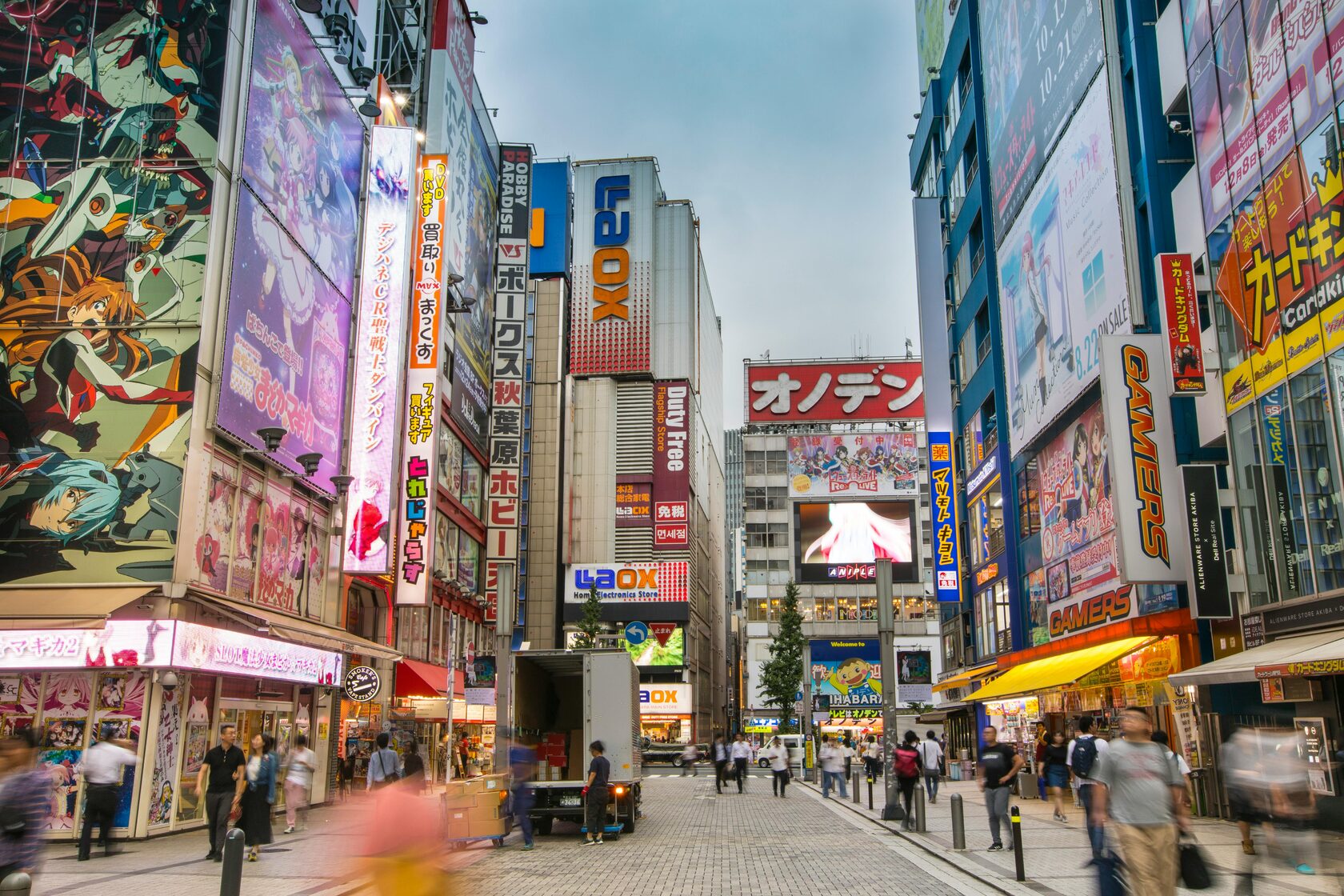
From the iconic red-railed stairs at Suga Shrine in Tokyo (made famous by Your Name) to the bustling streets of Akihabara and Ikebukuro, where hotel bookings have jumped 10%. anime fandom is injecting serious revenue into the travel economy.
According to data from Trip.com, searches for anime and comic-related travel experiences in Asia have exploded by an incredible 195% year-on-year. Dubbed "set-jetting" in the West, this phenomenon is widely known in Japan as seichi junrei (sacred site pilgrimage). Fans are completely reshaping the tourism market by traveling thousands of miles just to stand in the exact locations where their favorite fictional characters once stood.
From the iconic red-railed stairs at Suga Shrine in Tokyo (made famous by Your Name) to the bustling streets of Akihabara and Ikebukuro, where hotel bookings have jumped 10%. anime fandom is injecting serious revenue into the travel economy.
The Huge Economic Impact of Fandom
The Japan Tourism Agency revealed that the percentage of international tourists explicitly visiting the country for anime and movie-related sites jumped significantly to 7.5%. It is no longer a niche subculture; it is a mainstream economic engine.
Major Milestones in Anime Tourism:
AnimeJapan 2026 Shatters Records: International ticket sales for Tokyo's premier anime festival experienced an astonishing 697% year-on-year increase, drawing passionate crowds from 82 countries and regions.
The Rise of "Anime Spot 88": Originally established in 2016, the Anime Tourism Association releases an annual verified list of official pilgrimage locations. Proving its global reach, international fans accounted for a record 49% of the total votes for the 2025/2026 selection.
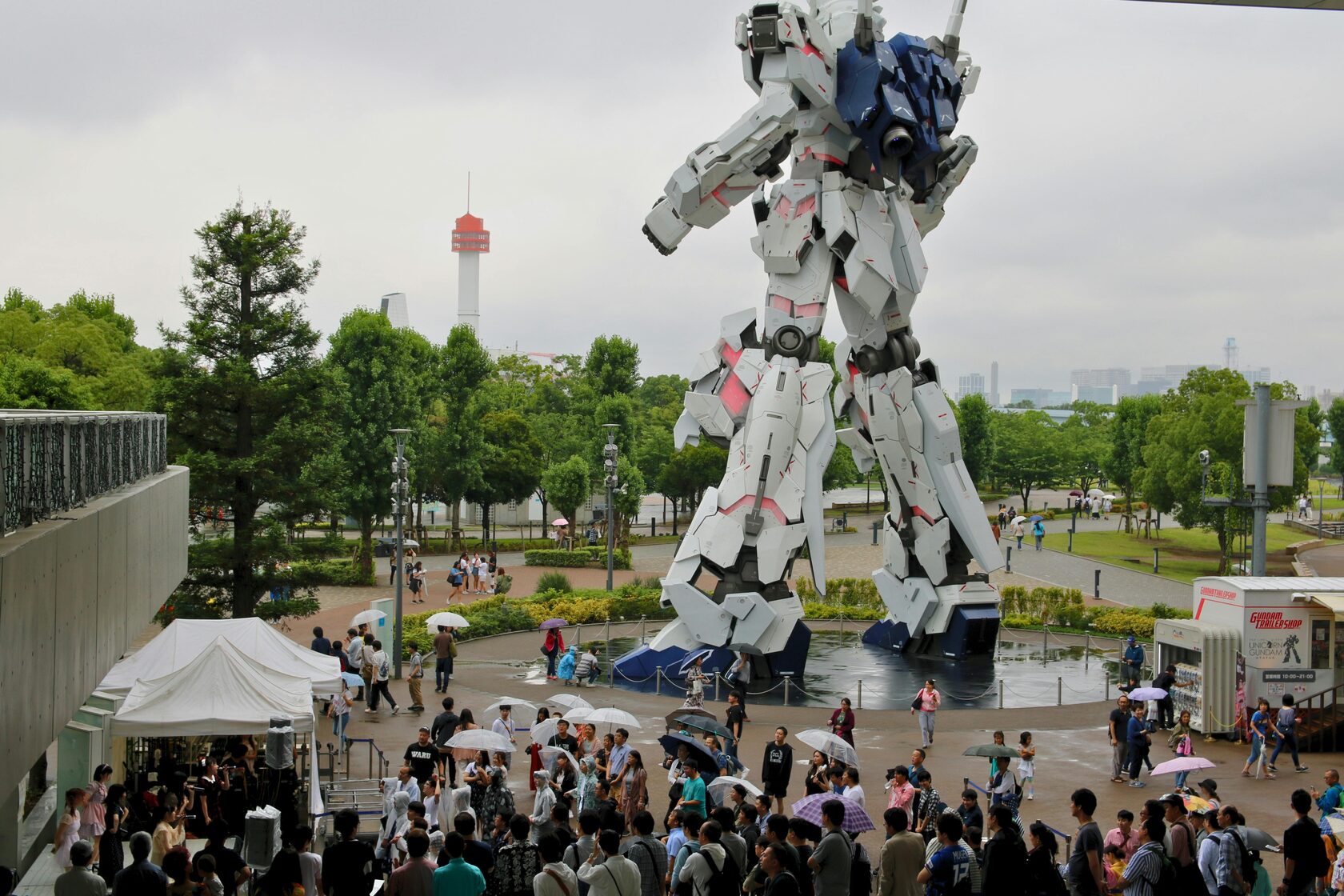
Festival-Driven Hospitality: Hotel bookings within three kilometers of summer conventions, such as the upcoming Summer Comiket 2026 in Odaiba have seen a 78% spike for the duration of the events, heavily dominated by Gen Z and millennial travelers.
The trend has expanded far past Japan's borders, too. Events like Hong Kong Comic Con 2026 are experiencing massive travel turnouts from mainland China and Southeast Asia. Interestingly, the data notes that women account for over 80% of these ticket sales, showcasing just how broad and diverse the demographic has become.
Major Milestones in Anime Tourism:
AnimeJapan 2026 Shatters Records: International ticket sales for Tokyo's premier anime festival experienced an astonishing 697% year-on-year increase, drawing passionate crowds from 82 countries and regions.
The Rise of "Anime Spot 88": Originally established in 2016, the Anime Tourism Association releases an annual verified list of official pilgrimage locations. Proving its global reach, international fans accounted for a record 49% of the total votes for the 2025/2026 selection.
Festival-Driven Hospitality: Hotel bookings within three kilometers of summer conventions, such as the upcoming Summer Comiket 2026 in Odaiba have seen a 78% spike for the duration of the events, heavily dominated by Gen Z and millennial travelers.
The trend has expanded far past Japan's borders, too. Events like Hong Kong Comic Con 2026 are experiencing massive travel turnouts from mainland China and Southeast Asia. Interestingly, the data notes that women account for over 80% of these ticket sales, showcasing just how broad and diverse the demographic has become.
Exploring Japan's Best Anime Towns
I used to think flying to a different city just for a cartoon character was a bit extreme, until I actually did it. On a trip to Japan, I deliberately bypassed Tokyo’s standard neon towers and boarded a train to Kawasaki for one specific reason: to see the Fujiko F. Fujio Museum, entirely dedicated to Doraemon. Stepping out into Kawasaki felt like entering a different dimension. The entire city is wrapped in Doraemon memorabilia. The local bus features character handles, the train station jingles play the iconic theme song, and even the manhole covers are stamped with the robotic cat’s face. Eating a real-life Memory Bread at the museum café wasn't just a meal; it was a core childhood memory unlocked.
But Japan’s regional towns have taken this theme and run with it even further, establishing must-visit anime cities far beyond the borders of Tokyo. Take Hokuei Town in Tottori Prefecture, globally recognized by hardcore fans as "Conan Town." This is the birthplace of Detective Conan creator Gosho Aoyama, and the local municipality has leaned into it beautifully. You arrive at a train station officially named "Conan Station," walk down "Conan Avenue," cross "Conan Bridge," and eventually reach the Gosho Aoyama Manga Factory. The town features 13 bronze character statues, Conan-themed public buses, and interactive mystery exhibits that draw thousands of international tourists out of the major metropolitan centers.
Other notable regional hotspots drawing massive fan crowds include Sakaiminato, which has transformed its main thoroughfare into the folklore-rich Mizuki Shigeru Road dedicated to GeGeGe no Kitaro, and Kumamoto, which features life-sized bronze statues of the Straw Hat Crew scattered across the prefecture to celebrate One Piece.
Ultimately, anime tourism succeeds because it offers an incredible depth of immersion that standard sightseeing can never match. Whether you are scanning the coastal railway tracks at Kamakura-Kōkō-mae Station to recreate the legendary opening sequence of Slam Dunk, or booking a themed fantasy glamping room at The Farm resort in Katori to live out scenes from Frieren, these trips turn media consumption into tangible reality.
If you are looking to plan your next vacation, look beyond the standard travel brochures. Your favorite anime series might just be holding the map to your next great adventure.
But Japan’s regional towns have taken this theme and run with it even further, establishing must-visit anime cities far beyond the borders of Tokyo. Take Hokuei Town in Tottori Prefecture, globally recognized by hardcore fans as "Conan Town." This is the birthplace of Detective Conan creator Gosho Aoyama, and the local municipality has leaned into it beautifully. You arrive at a train station officially named "Conan Station," walk down "Conan Avenue," cross "Conan Bridge," and eventually reach the Gosho Aoyama Manga Factory. The town features 13 bronze character statues, Conan-themed public buses, and interactive mystery exhibits that draw thousands of international tourists out of the major metropolitan centers.
Other notable regional hotspots drawing massive fan crowds include Sakaiminato, which has transformed its main thoroughfare into the folklore-rich Mizuki Shigeru Road dedicated to GeGeGe no Kitaro, and Kumamoto, which features life-sized bronze statues of the Straw Hat Crew scattered across the prefecture to celebrate One Piece.
Ultimately, anime tourism succeeds because it offers an incredible depth of immersion that standard sightseeing can never match. Whether you are scanning the coastal railway tracks at Kamakura-Kōkō-mae Station to recreate the legendary opening sequence of Slam Dunk, or booking a themed fantasy glamping room at The Farm resort in Katori to live out scenes from Frieren, these trips turn media consumption into tangible reality.
If you are looking to plan your next vacation, look beyond the standard travel brochures. Your favorite anime series might just be holding the map to your next great adventure.