
A silent financial revolution is sweeping across the Southeast Asian hospitality market, forcing major institutional investors to rethink how they deploy their capital. For decades, the ultimate flex for a real estate mogul was building a glittering, ground-up luxury hotel tower in the heart of a premier gateway city. But as we navigate a high-interest-rate market defined by steep material costs and persistent labor shortages, the math behind the traditional mega-build is no longer adding up. Today, the most lucrative strategy isn't breaking ground on vacant plots, it's executing a high-performance asset conversion.
Recent market intelligence reveals that adaptive reuse, the process of converting legacy office buildings, historic government offices, or older commercial properties into premium hospitality spaces delivers an immediate 20% to 30% reduction in upfront capital expenditures compared to a new hotel build. In an era where funding costs are exceptionally high, global hotel networks are seeing adaptive reuse projects skyrocket to account for up to half of all their new regional signatures. By keeping core structural shells intact, developers are successfully shielding themselves from the heavy cost burdens of demolition, excavation, and structural engineering, allowing them to route their cash directly into ultra-premium guest experiences.
Recent market intelligence reveals that adaptive reuse, the process of converting legacy office buildings, historic government offices, or older commercial properties into premium hospitality spaces delivers an immediate 20% to 30% reduction in upfront capital expenditures compared to a new hotel build. In an era where funding costs are exceptionally high, global hotel networks are seeing adaptive reuse projects skyrocket to account for up to half of all their new regional signatures. By keeping core structural shells intact, developers are successfully shielding themselves from the heavy cost burdens of demolition, excavation, and structural engineering, allowing them to route their cash directly into ultra-premium guest experiences.
The Upfront Capital Reality: Why Custom High-Rises Are Burning Cash
To understand why the tide has turned so dramatically, look no further than the stark economic realities of building a standard 150-key Upper Upscale Urban Hotel from the ground up in Southeast Asia's core markets. For a new, full-service construction project, the average cost per key easily shoots past the $400,000 mark, frequently landing between $400,000 and $500,000. This translates to an initial capital layout of $60 million to $75 million before the hotel can welcome its first paying guest. Shockingly, basic site preparation, deep foundation work, and structural engineering chew up to 40% of that total budget before a single interior finish is even applied.
Adaptive reuse cleanly bypasses this entire financial bottleneck. Because the concrete foundation, pillars, and exterior shell are already standing, the average cost per key for a conversion plummets to a manageable range of $280,000 to $350,000. For an identical 150-key footprint, the total initial CapEx drops to between $42 million and $52.5 million. By keeping an extra $20 million on their balance sheets, developers can spend aggressively on custom interior design, high-end guest room automation, and elite experiential touchpoints that directly drive room revenue.
Adaptive reuse cleanly bypasses this entire financial bottleneck. Because the concrete foundation, pillars, and exterior shell are already standing, the average cost per key for a conversion plummets to a manageable range of $280,000 to $350,000. For an identical 150-key footprint, the total initial CapEx drops to between $42 million and $52.5 million. By keeping an extra $20 million on their balance sheets, developers can spend aggressively on custom interior design, high-end guest room automation, and elite experiential touchpoints that directly drive room revenue.
The Velocity Advantage: Slashing Time-to-Market by a Whole Year
In hotel development, time is quite literally money. A ground-up build requires an intensive development timeline of 30 to 42 months to navigate zoning, dig a massive basement, and pour floor after floor of fresh concrete. This extended runway leaves investors heavily exposed to capitalized interest during construction, meaning debt continuously accumulates while the project generates zero operational revenue.
Conversion models act as a financial time machine, compressing the design and construction cycle down to just 18 to 24 months. By trimming an entire year off the development cycle, a converted hotel can open its doors and capture cash flow while a new building next door is still waiting for its structural columns to cure. This velocity advantage directly reshapes the operational break-even trajectory. While a newly constructed hotel typically grinds through five full years of volatile occupancy to cross its structural break-even point, an adaptive reuse project slides into true profitability by Year 3 of operations.
Conversion models act as a financial time machine, compressing the design and construction cycle down to just 18 to 24 months. By trimming an entire year off the development cycle, a converted hotel can open its doors and capture cash flow while a new building next door is still waiting for its structural columns to cure. This velocity advantage directly reshapes the operational break-even trajectory. While a newly constructed hotel typically grinds through five full years of volatile occupancy to cross its structural break-even point, an adaptive reuse project slides into true profitability by Year 3 of operations.
Shifting the ROI Math: Lower Equity and Premium Yields
Because the total capital invested in a conversion project is significantly smaller, the underlying return on investment (ROI) mechanics shift heavily in favor of the investor. Assuming a standard 60:40 debt-to-equity split, an adaptive reuse project demands far less initial equity at risk. This lighter debt-service burden grants operators massive breathing room during the critical initial ramp-up phase. Consequently, adaptive reuse projects across Southeast Asia are unlocking stabilized target ROIs of 12% to 15%, completely outpacing the single-digit 8% to 10% returns typically pulled by modern ground-up assets.
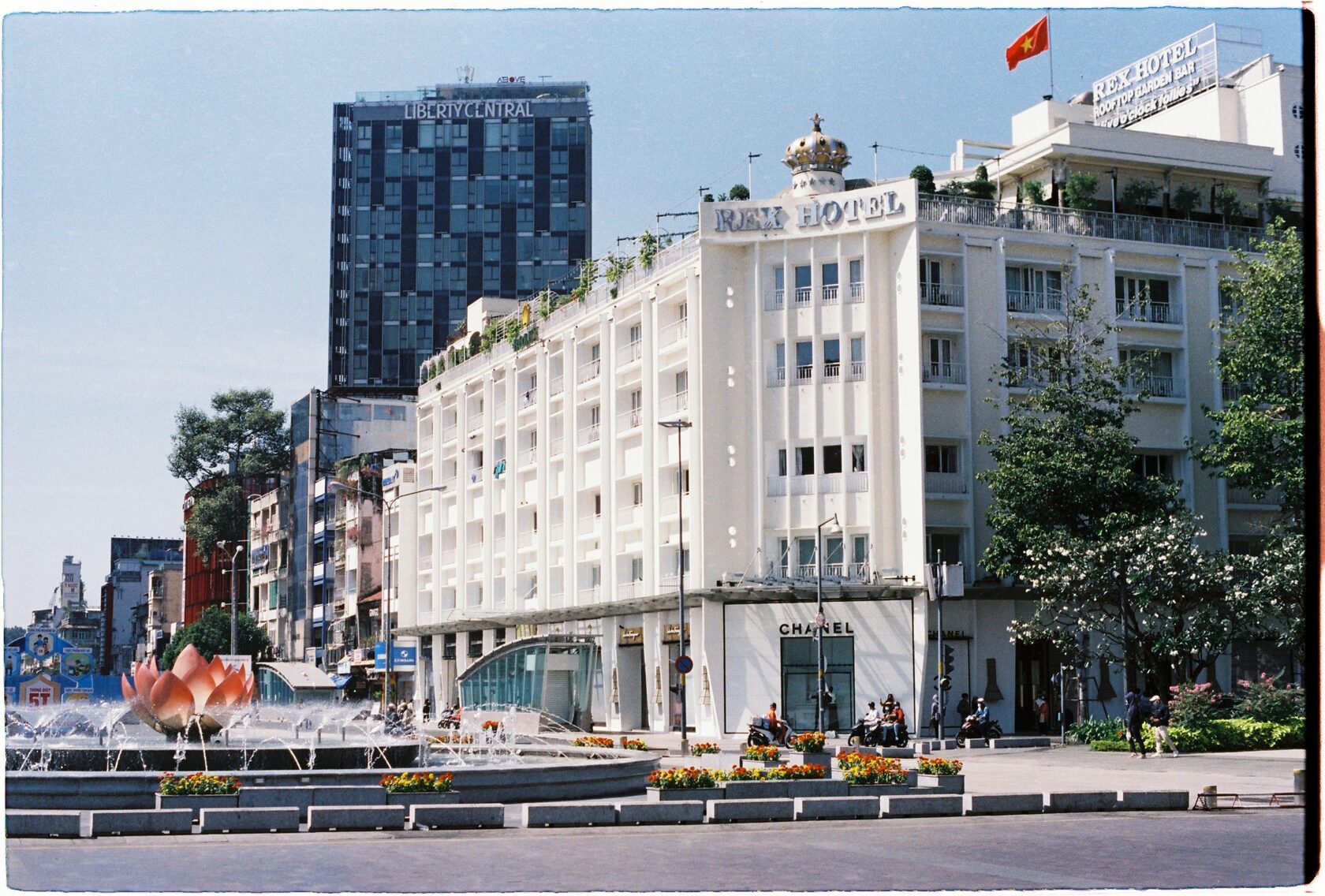
This financial buffer is amplified by an undeniable location premium. Prime, undeveloped real estate plots in dense financial hubs like Jakarta, Bangkok, or Ho Chi Minh City are virtually non-existent, and when they do appear, they command astronomical price tags. Older properties, colonial shophouses, and legacy corporate headquarters are already sitting directly inside coveted central business districts and protected UNESCO heritage zones. Because these supply-constrained locations face zero risk of a competitor building a massive tower right next door, converted hotels can command premium Average Daily Rates (ADRs) that naturally maximize investor yields.
This financial buffer is amplified by an undeniable location premium. Prime, undeveloped real estate plots in dense financial hubs like Jakarta, Bangkok, or Ho Chi Minh City are virtually non-existent, and when they do appear, they command astronomical price tags. Older properties, colonial shophouses, and legacy corporate headquarters are already sitting directly inside coveted central business districts and protected UNESCO heritage zones. Because these supply-constrained locations face zero risk of a competitor building a massive tower right next door, converted hotels can command premium Average Daily Rates (ADRs) that naturally maximize investor yields.
Authentic Character vs. The Blank Canvas: The Experience War
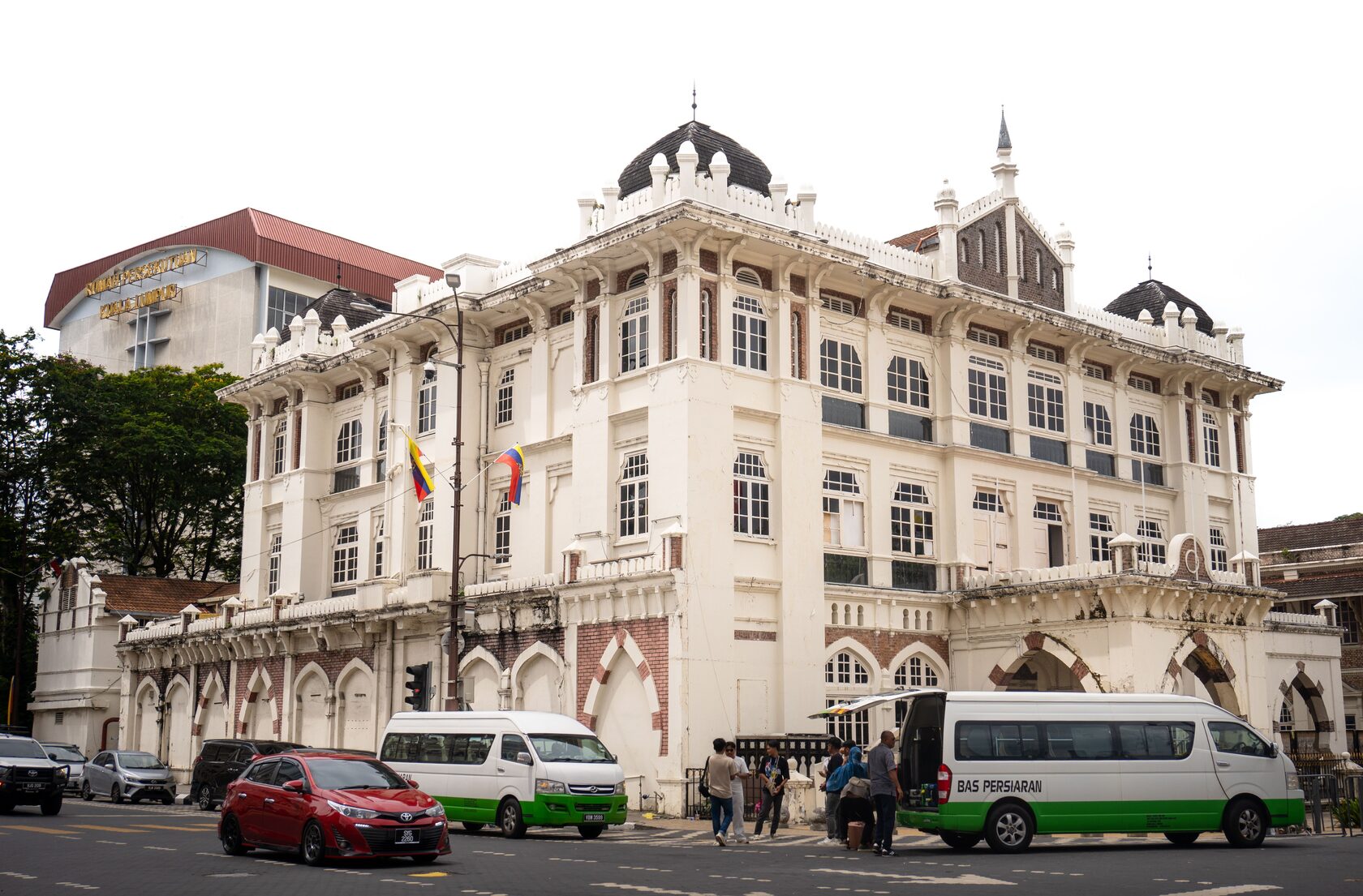
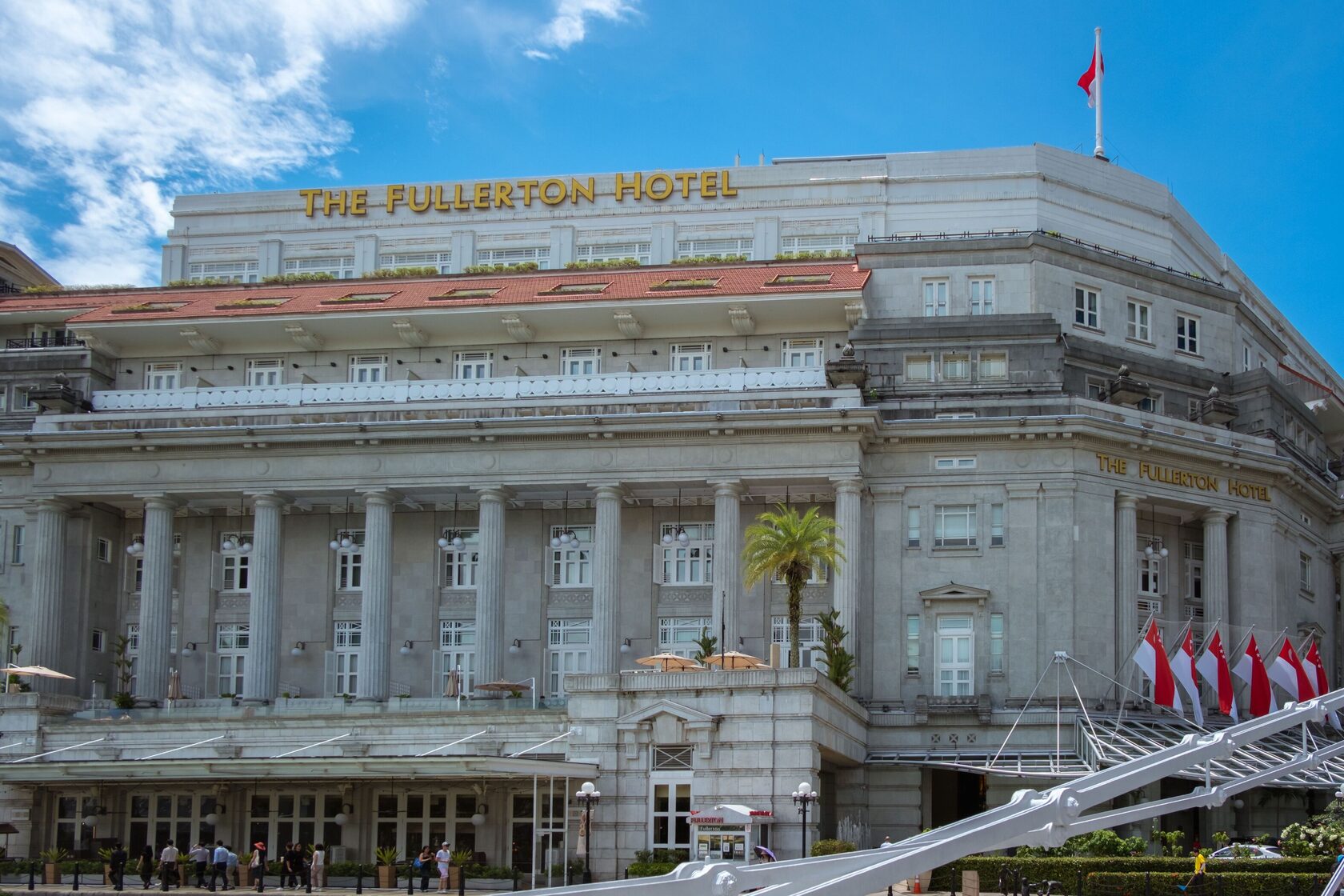
Modern premium travelers are experiencing corporate hotel fatigue, increasingly turning away from sterile, cookie-cutter glass high-rises in favor of culturally immersive, storytelling spaces. Landmark conversions naturally deliver this emotional connection. Masterful examples abound across the region: Singapore’s iconic Fullerton Hotel breathes magnificent luxury into a monumental 1920s government and postal headquarters. Kuala Lumpur’s Majestic Hotel seamlessly blends colonial-era management charm from 1932 with modern hospitality. Meanwhile, Jakarta’s stunning Hermitage Hotel transforms a 1920s Dutch telecommunications hub into an elegant, high-yielding Tribute Portfolio oasis.
Furthermore, the environmental benefits of avoiding demolition are unshakeable. Retaining a building's original foundation and structural frame yields an immediate 50% to 75% reduction in construction waste and embodied carbon emissions compared to a ground-up build.
However, the conversion path is not without its operational traps. Fitting modern plumbing, advanced fire escapes, and complex mechanical, electrical, and plumbing (MEP) grids into rigid historical floorplates requires creative and costly architectural gymnastics. Older structures in tropical climates can also harbor hidden structural defects, severe moisture degradation, or archaic electrical layouts that require extensive rehabilitation.
Furthermore, the environmental benefits of avoiding demolition are unshakeable. Retaining a building's original foundation and structural frame yields an immediate 50% to 75% reduction in construction waste and embodied carbon emissions compared to a ground-up build.
However, the conversion path is not without its operational traps. Fitting modern plumbing, advanced fire escapes, and complex mechanical, electrical, and plumbing (MEP) grids into rigid historical floorplates requires creative and costly architectural gymnastics. Older structures in tropical climates can also harbor hidden structural defects, severe moisture degradation, or archaic electrical layouts that require extensive rehabilitation.
Conversely, a new build offers absolute design freedom. Developers working with a blank canvas can perfectly optimize back-of-house operational efficiency, construct massive modern event spaces, and design ideal room modularity that maximizes long-term energy efficiency.
Ultimately, the choice between adaptive reuse and a new build boils down to a balance between long-term operational layout and upfront capital efficiency. While a new build grants developers a flawless, energy-efficient blueprint built for maximum scalability, it requires a massive, high-risk financial runway. For developers looking to shield themselves from market volatility, dodge rising material inflation, and unlock double-digit ROIs in supply-protected city centers, converting the past is proving to be the most profitable path into the future of Southeast Asian hospitality.
Ultimately, the choice between adaptive reuse and a new build boils down to a balance between long-term operational layout and upfront capital efficiency. While a new build grants developers a flawless, energy-efficient blueprint built for maximum scalability, it requires a massive, high-risk financial runway. For developers looking to shield themselves from market volatility, dodge rising material inflation, and unlock double-digit ROIs in supply-protected city centers, converting the past is proving to be the most profitable path into the future of Southeast Asian hospitality.