
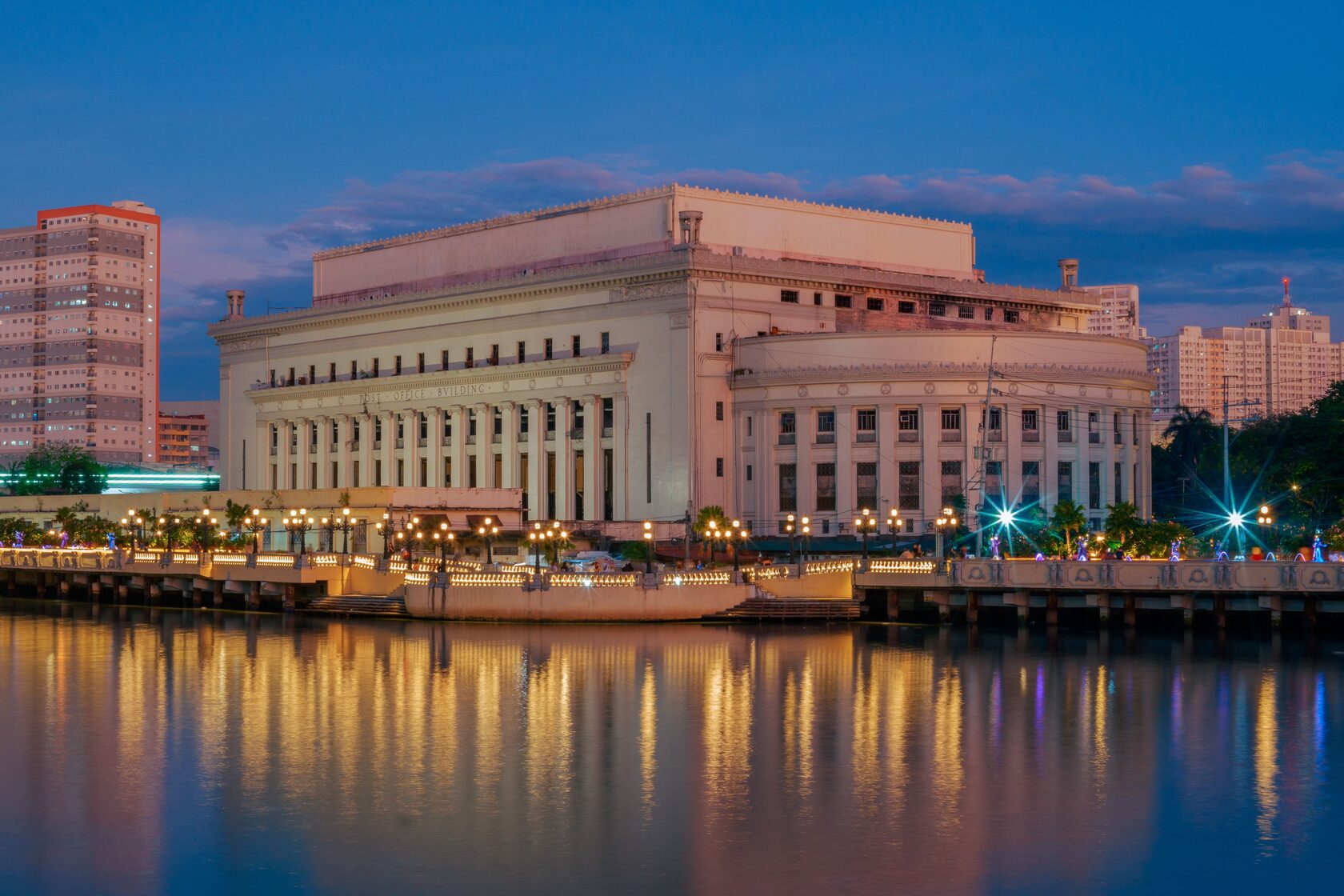
As global hospitality rebounds with a fierce focus on sustainability and experiential travel, the Philippine real estate landscape is undergoing a quiet structural revolution. Forward-thinking developers are stepping away from the traditional demolish and rebuild blueprint. Instead, they are turning toward adaptive reuse, the architectural practice of converting legacy office buildings, ancestral homes, and historic commercial structures into boutique hotels and premium hospitality spaces.
This shift is proving to be both culturally enriching and highly lucrative, especially as developers look to hedge against rising construction costs and property oversupply. Below is an in-depth look at the market data driving this change, real-world examples across the archipelago, and an analysis of whether adaptive reuse is truly a lasting trend in the Philippines.
This shift is proving to be both culturally enriching and highly lucrative, especially as developers look to hedge against rising construction costs and property oversupply. Below is an in-depth look at the market data driving this change, real-world examples across the archipelago, and an analysis of whether adaptive reuse is truly a lasting trend in the Philippines.
The Numbers Behind the Revival: Market Data
The financial case for adaptive reuse in Southeast Asian hospitality is heavily supported by broader macroeconomic metrics. According to comprehensive market tracking by Mordor Intelligence, the overall Philippines hospitality market has surged to a valuation of USD 8.41 billion, with projections indicating it will climb to USD 11.90 billion, expanding at a steady compound annual growth rate (CAGR) of 7.21%.
Crucially for developers looking at alternative structural models, independent hotels, which frequently utilize unique, retrofitted, and converted spaces rather than standardized corporate blueprints, dominate the market landscape with a commanding 63.52% market share.
This trend aligns with shifts in the broader real estate ecosystem. As reported in property sector briefings by Colliers Philippines, traditional segments like the Metro Manila residential market have faced headwinds, marked by a massive oversupply of unsold units and overall vacancy rates hitting roughly 23.9% to 26.5%. Conversely, Colliers notes that the hotel sector has shown a resilient recovery pattern, supported by robust domestic travel demand and passenger volumes at primary gateways like the Ninoy Aquino International Airport (NAIA) surpassing 50 million annually.
Faced with steep oversupply in traditional verticals, major real estate firms are increasingly leveraging strategies outlined by Colliers Philippines: REIT Here, Right Now, using Real Estate Investment Trust (REIT) proceeds and capital adjustments to innovate, renovate, and structurally reposition older, underutilized office and commercial portfolios into productive assets, including boutique hospitality and mixed-use properties.
Crucially for developers looking at alternative structural models, independent hotels, which frequently utilize unique, retrofitted, and converted spaces rather than standardized corporate blueprints, dominate the market landscape with a commanding 63.52% market share.
This trend aligns with shifts in the broader real estate ecosystem. As reported in property sector briefings by Colliers Philippines, traditional segments like the Metro Manila residential market have faced headwinds, marked by a massive oversupply of unsold units and overall vacancy rates hitting roughly 23.9% to 26.5%. Conversely, Colliers notes that the hotel sector has shown a resilient recovery pattern, supported by robust domestic travel demand and passenger volumes at primary gateways like the Ninoy Aquino International Airport (NAIA) surpassing 50 million annually.
Faced with steep oversupply in traditional verticals, major real estate firms are increasingly leveraging strategies outlined by Colliers Philippines: REIT Here, Right Now, using Real Estate Investment Trust (REIT) proceeds and capital adjustments to innovate, renovate, and structurally reposition older, underutilized office and commercial portfolios into productive assets, including boutique hospitality and mixed-use properties.
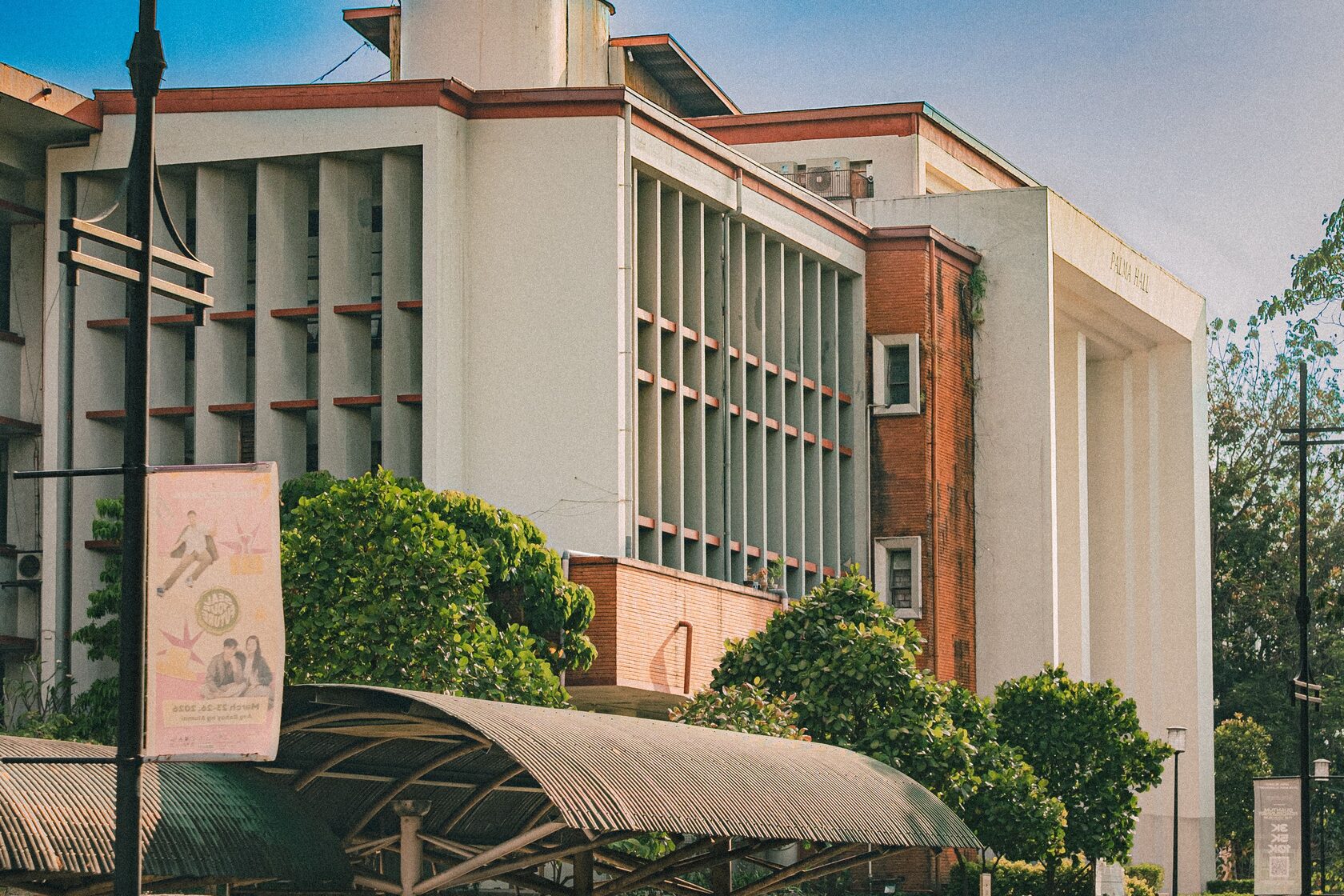
From Heritage to Hospitality: Key Examples in the Philippines
The Philippines boasts a rich architectural tapestry influenced by Spanish, American, and indigenous histories. Developers are increasingly tapping into these narratives to build unique hospitality concepts:
- Palacio de Memoria (Parañaque City): A stunning example of pre-war restoration, this historic mansion along Roxas Boulevard was saved from decay and meticulously retrofitted. Today, it functions as a premium cultural and hospitality estate, hosting high-end events, an auction house, a museum, and bespoke dining spaces that showcase European antiquities against a classic Filipino backdrop.
- Circa 1900 (Cebu City): Located in the Queen City of the South, this project successfully transformed a cluster of colonial-era mansions, originally belonging to prominent local families, into a celebrated culinary and micro-event destination. The developers intentionally preserved historical elements, such as old photographs and bullet-scarred railings, allowing guests to step directly into the city's past while enjoying modern amenities.
- The Quezon City Heritage Conversion: As highlighted in a structural study published via the Philippine Journal of Development, the residential-to-commercial evolution of the Tomas Morato and Scout areas has seen old, abandoned homes successfully converted into family restaurants and boutique hospitality spots. The study notes that transforming these underutilized spaces gives them a viable second life, capturing domestic tourism and driving localized economic growth.
Is It a Lasting Trend or a Passing Fad?
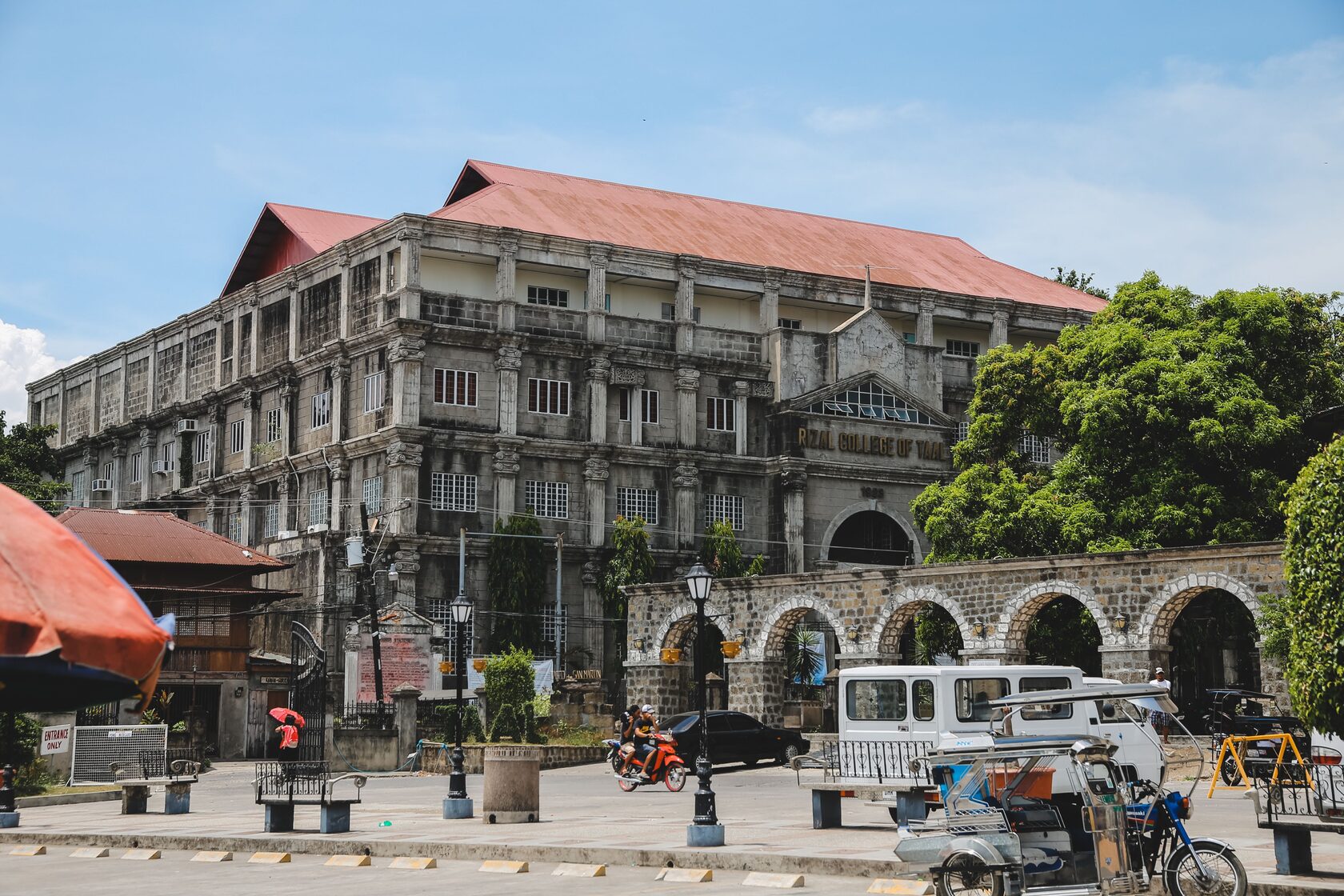
Adaptive reuse is unequivocally cementing itself as a long-term macro trend in the Philippine real estate and hospitality sectors, rather than a temporary fad.
Data and insights compiled by construction project management firm JCVA & Associates indicate that industry experts predict up to 90% of existing global real estate assets will undergo some form of renovation or adaptive reuse over the next decade. In the Philippines, this movement is accelerated by three powerful converging forces:
By marrying financial prudence with cultural preservation, adaptive reuse has evolved from a niche architectural philosophy into one of the most sustainable and profitable paths forward for the Philippine hospitality industry.
Data and insights compiled by construction project management firm JCVA & Associates indicate that industry experts predict up to 90% of existing global real estate assets will undergo some form of renovation or adaptive reuse over the next decade. In the Philippines, this movement is accelerated by three powerful converging forces:
- The Sustainability Mandate: Constructing a new build emits substantial $CO_2$ through concrete and steel production. By choosing to retrofit older structures, Filipino developers drastically reduce environmental degradation, align with United Nations Sustainable Development Goals (specifically SDG 11 for Sustainable Cities and Communities), and appeal to the modern, eco-conscious traveler.
- Premium Real Estate Scarcity: Prime locations in Metro Manila, Cebu, and Davao are heavily congested. Adaptive reuse allows developers to acquire coveted, historically significant plots in high-traffic zones where ground-up construction is either physically impossible or financially restrictive.
- The Shift to Experiential Tourism: The modern traveler is fatigued by cookie-cutter, concrete hotels. The unique character, distinct narrative, and traditional craftsmanship inherent in converted heritage buildings provide an authentic sense of place that modern architecture simply cannot replicate.
By marrying financial prudence with cultural preservation, adaptive reuse has evolved from a niche architectural philosophy into one of the most sustainable and profitable paths forward for the Philippine hospitality industry.