
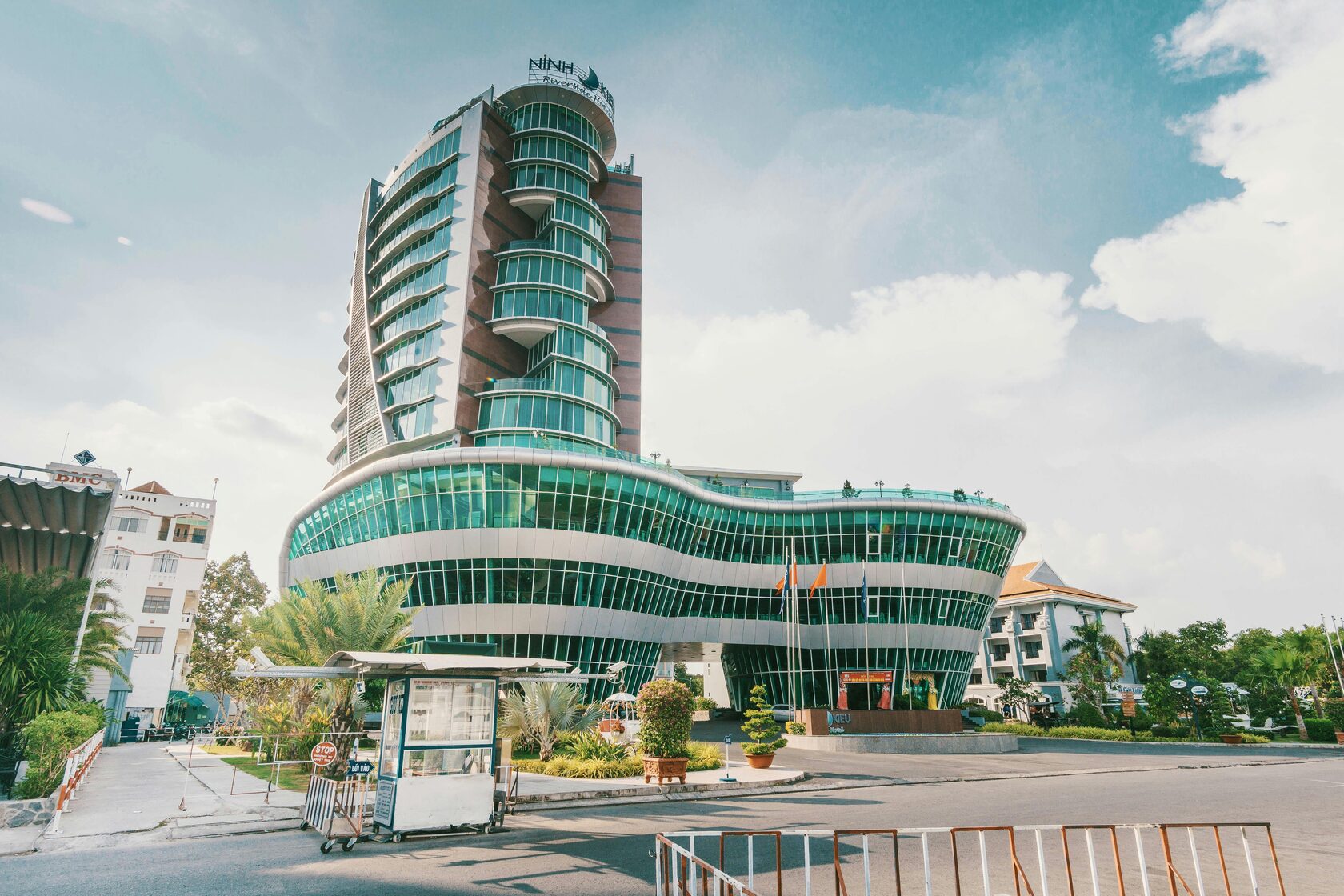
For the past decade, boutique and luxury hotel design in Asia followed a highly predictable blueprint. It was an aesthetic driven entirely by the Instagram lens; hyper-polished spaces, geometric infinity pools, neon signage, and statement walls engineered specifically to generate social media clicks.
However, as the market matures through 2026, a profound behavioral shift is occurring among global and regional travelers. Guests are experiencing digital fatigue. The "global generic" luxury look, the one that makes a lobby in Shanghai indistinguishable from a lobby in Singapore or Bangkok, is losing its value.
The future of premium hospitality in the Asia-Pacific region belongs to properties that abandon superficial flash in favor of deep emotional resonance, structural honesty, and environmental integration. Driven by generational wealth transfers, a booming regional creative class, and a collective desire for authentic disconnect, here are the top five structural design trends reshaping the Asian hospitality footprint.
However, as the market matures through 2026, a profound behavioral shift is occurring among global and regional travelers. Guests are experiencing digital fatigue. The "global generic" luxury look, the one that makes a lobby in Shanghai indistinguishable from a lobby in Singapore or Bangkok, is losing its value.
The future of premium hospitality in the Asia-Pacific region belongs to properties that abandon superficial flash in favor of deep emotional resonance, structural honesty, and environmental integration. Driven by generational wealth transfers, a booming regional creative class, and a collective desire for authentic disconnect, here are the top five structural design trends reshaping the Asian hospitality footprint.
1. Designing to Feel: The Death of the "Instagrammable" Moment
The era of designing a hotel room around a single photo-opportunity backdrop is officially over, shifting the industry away from the old paradigm of visual flash, characterized by high contrast, loud colors, and rigid angles, and moving directly toward the 2026 paradigm of sensory luxury, which prioritizes muted acoustics, tactile textures, and diffused light.
Today’s luxury travelers look for multi-dimensional comfort, valuing how a space feels and reacts to their presence over how it photographs on a screen. Designers across Asia are responding by shifting their focus to acoustic architecture, bespoke scents, and circadian lighting systems that actively foster deep psychological calm.
Designed by the legendary Kengo Kuma and Associates, Capella Kyoto serves as a masterclass in multisensory design. Rather than relying on bold visual tropes, the property uses light and shadow filtering through traditional timber slats to soothe the eyes. The acoustics of the central Japanese garden courtyard are deliberately engineered to dull the ambient noise of the surrounding Higashiyama district, creating an immediate, physical sense of sanctuary the moment a guest steps inside.
Today’s luxury travelers look for multi-dimensional comfort, valuing how a space feels and reacts to their presence over how it photographs on a screen. Designers across Asia are responding by shifting their focus to acoustic architecture, bespoke scents, and circadian lighting systems that actively foster deep psychological calm.
Designed by the legendary Kengo Kuma and Associates, Capella Kyoto serves as a masterclass in multisensory design. Rather than relying on bold visual tropes, the property uses light and shadow filtering through traditional timber slats to soothe the eyes. The acoustics of the central Japanese garden courtyard are deliberately engineered to dull the ambient noise of the surrounding Higashiyama district, creating an immediate, physical sense of sanctuary the moment a guest steps inside.
2. Hyper-Localization: Erasing the "Global Generic"
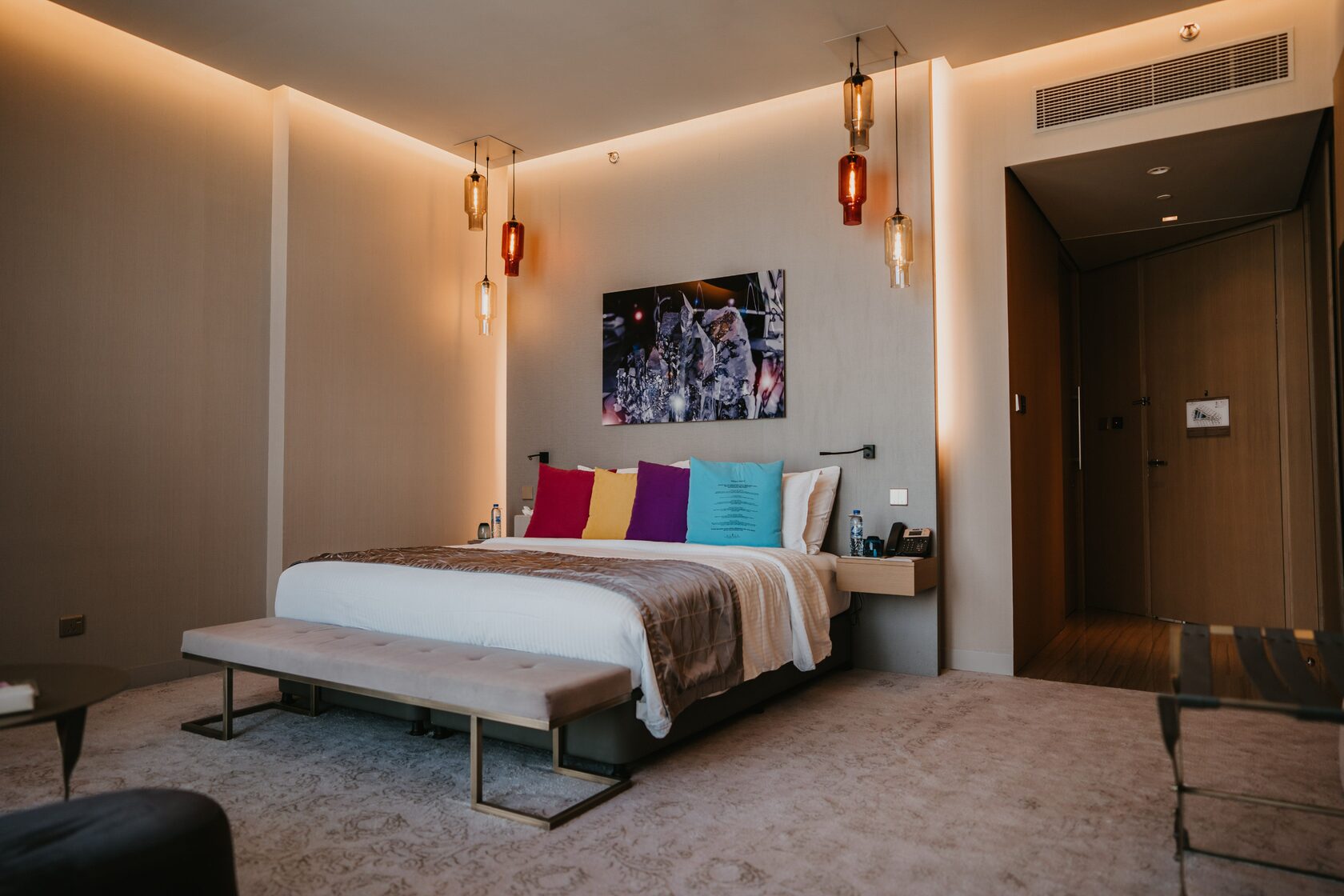
For decades, international brands imported Western design templates into major Asian hubs. The modern movement completely reverses this, replacing generic aesthetics with vernacular architecture, regional construction methodologies, and authentic cultural storytelling.
Housed within the historic Lee Rubber Building, Else Kuala Lumpur completely avoids the classic corporate high-rise template. The project honors its neighborhood’s heritage by integrating locally sourced Malaysian textiles, raw brickwork, and custom furnishings crafted by regional artisans. It doesn't scream its location through cheesy souvenirs; it embeds the city's structural history right into its core layout.
True luxury is no longer about importing Italian marble to a resort in Southeast Asia. It is about elevating the local limestone, the regional timber, and the neighborhood's history to a world-class standard. If a guest wakes up in your hotel and can't immediately tell what country they are in by touching the walls, your design has failed.
Housed within the historic Lee Rubber Building, Else Kuala Lumpur completely avoids the classic corporate high-rise template. The project honors its neighborhood’s heritage by integrating locally sourced Malaysian textiles, raw brickwork, and custom furnishings crafted by regional artisans. It doesn't scream its location through cheesy souvenirs; it embeds the city's structural history right into its core layout.
True luxury is no longer about importing Italian marble to a resort in Southeast Asia. It is about elevating the local limestone, the regional timber, and the neighborhood's history to a world-class standard. If a guest wakes up in your hotel and can't immediately tell what country they are in by touching the walls, your design has failed.
3. Holistic Wellness: Moving Beyond the Isolated Spa
Wellness is no longer a sub-department or a basement spa facility with a massage menu; it is now woven directly into the architectural fabric of the entire hotel. Forward-thinking properties are treating wellness as a foundational element, embedding advanced indoor air purification, biophilic greenery, and circadian-aligned smart lighting directly into guest suites.
This massive biophilic facility completely bridges the gap between medical tech and restorative architecture. The structure uses extensive indoor greenery and natural ventilation setups to lower guest stress levels before a single therapy even begins. The rooms feature integrated sleep-tourism features like soundproofing and automated climate controls built into the structural bones of the building, transforming the entire resort into an active healing space.
This massive biophilic facility completely bridges the gap between medical tech and restorative architecture. The structure uses extensive indoor greenery and natural ventilation setups to lower guest stress levels before a single therapy even begins. The rooms feature integrated sleep-tourism features like soundproofing and automated climate controls built into the structural bones of the building, transforming the entire resort into an active healing space.
4. Material Honesty: Embracing the Beauty of Aging
The obsession with pristine, high-gloss finishes that require constant maintenance is giving way to material honesty. Asia’s leading interior designers specify materials that patina, change color, and grow more beautiful as they age, such as honed stone, cork, untreated timber, and genuine leather.
At Patina Maldives, the architectural language celebrates natural evolution. The villas utilize raw woods and textured stones that gracefully interact with the harsh, salty Indian Ocean air. Instead of looking worn down or dated, the materials weather organically, developing a rich layer of character that aligns perfectly with the Japanese concept of Wabi-Sabi, finding beauty in imperfection and impermanence.
At Patina Maldives, the architectural language celebrates natural evolution. The villas utilize raw woods and textured stones that gracefully interact with the harsh, salty Indian Ocean air. Instead of looking worn down or dated, the materials weather organically, developing a rich layer of character that aligns perfectly with the Japanese concept of Wabi-Sabi, finding beauty in imperfection and impermanence.
5. The Rise of Green: Mineral Earth Tones Over Sterile Minimalism
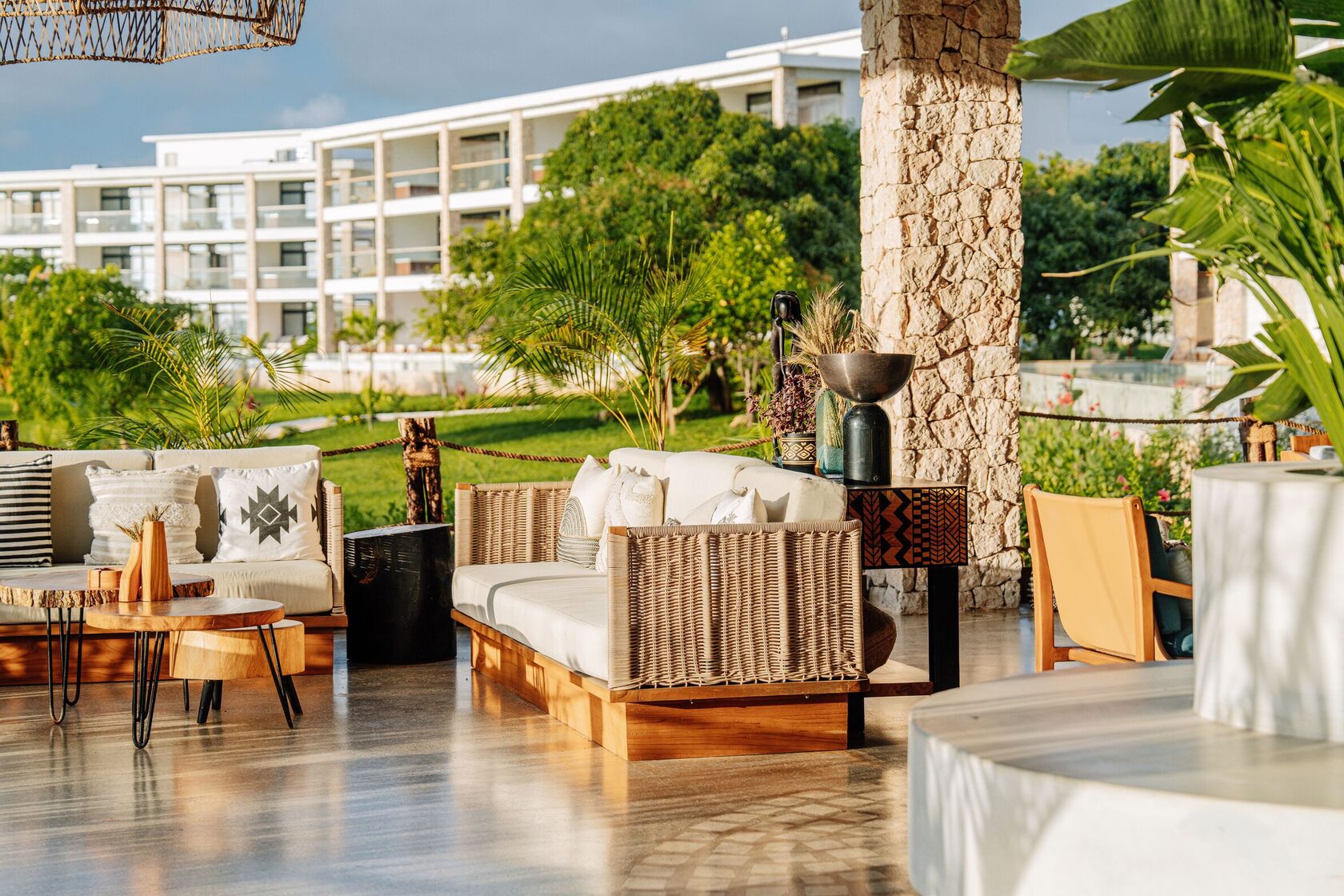
The stark white minimalist palettes and cold greys that dominated the 2010s have been replaced by rich, grounding color systems. Properties are leaning heavily into mineral greens, deep teals, and muted olive tones to establish an instantaneous psychological link to nature, connection, and stability.
Perched above a pristine valley, Somewhere Lombok leverages a color story rooted entirely in its immediate environment. The interiors flow seamlessly into the tropical landscape by adopting soft mineral greens and warm earth tones for its walls, fabrics, and custom tile installations. The palette visually eliminates the boundary between the indoor living spaces and the lush Indonesian jungle outside.
The Asian hospitality market is no longer impressed by generic luxury. As cost pressures and competitive keys scale up across regional hubs, developers must realize that design is an asset valuation strategy. By moving away from superficial trends and investing heavily in sensory, hyper-local, and materially honest architecture, properties don't just look timeless. They build lasting emotional equity with the modern traveler.
Perched above a pristine valley, Somewhere Lombok leverages a color story rooted entirely in its immediate environment. The interiors flow seamlessly into the tropical landscape by adopting soft mineral greens and warm earth tones for its walls, fabrics, and custom tile installations. The palette visually eliminates the boundary between the indoor living spaces and the lush Indonesian jungle outside.
The Asian hospitality market is no longer impressed by generic luxury. As cost pressures and competitive keys scale up across regional hubs, developers must realize that design is an asset valuation strategy. By moving away from superficial trends and investing heavily in sensory, hyper-local, and materially honest architecture, properties don't just look timeless. They build lasting emotional equity with the modern traveler.