
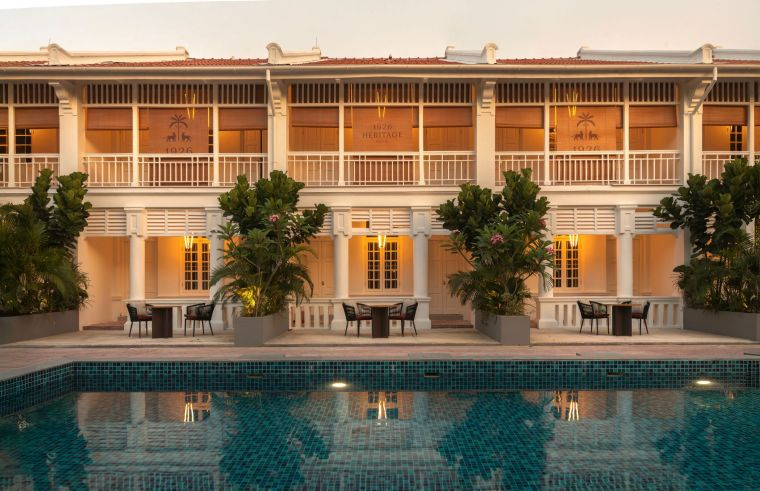
The relaunched 1926 Heritage Hotel Penang is presenting a renewed approach to heritage hospitality by combining preserved Anglo-Malay architecture with contemporary guest experiences in the heart of George Town. The property, now part of The Unlimited Collection by The Ascott Limited, marks a new chapter for a building that originally served as British official residences for administrative officers when it was first constructed in 1926.
Located along Jalan Burma in George Town, Penang, the hotel has undergone a restoration process that retains its historic architectural identity while adapting its spaces and facilities for modern travellers. The century-old property reflects a design philosophy centred on preservation, allowing historical elements to remain integral to the guest experience while introducing contemporary comforts expected in today’s hospitality market.
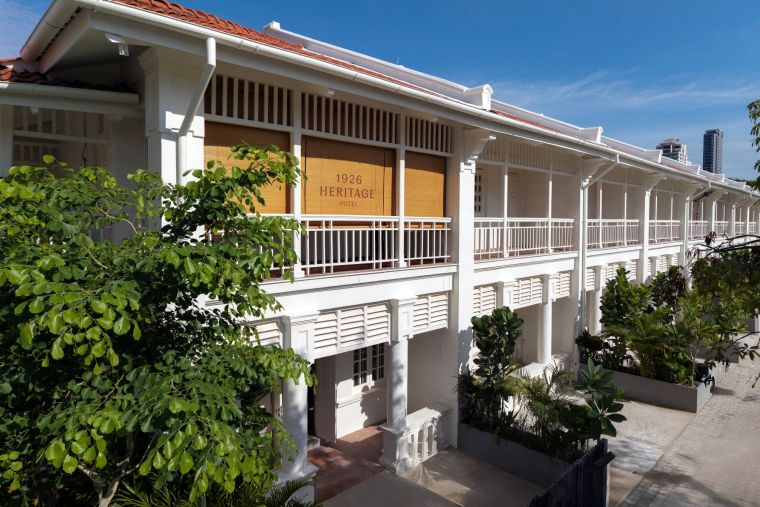
The exterior design highlights the building’s colonial heritage through a façade finished in clean white and beige tones. Architectural features associated with Anglo-Malay design remain prominent throughout the property, representing a transitional period in George Town’s architectural history. Visitors arriving at the hotel are welcomed by a signature logo featuring a palm tree flanked by two panthers, a motif incorporated as part of the property's visual identity.
Located along Jalan Burma in George Town, Penang, the hotel has undergone a restoration process that retains its historic architectural identity while adapting its spaces and facilities for modern travellers. The century-old property reflects a design philosophy centred on preservation, allowing historical elements to remain integral to the guest experience while introducing contemporary comforts expected in today’s hospitality market.
The exterior design highlights the building’s colonial heritage through a façade finished in clean white and beige tones. Architectural features associated with Anglo-Malay design remain prominent throughout the property, representing a transitional period in George Town’s architectural history. Visitors arriving at the hotel are welcomed by a signature logo featuring a palm tree flanked by two panthers, a motif incorporated as part of the property's visual identity.
According to information shared by The Ascott Limited, the restoration was undertaken with the intention of preserving the hotel's original character while ensuring its continued relevance for future generations of travellers. The revitalisation coincides with growing interest in hospitality experiences that offer a stronger connection to local culture and heritage.
The hotel’s interior design draws extensively from Penang’s historical influences. Guests enter through the original main double doors leading into the central bungalow, which now serves as the reception area. Within the lobby, a feature wall created using French-inspired straw marquetry incorporates imagery of palm trees and panthers, extending the storytelling elements first introduced at the entrance.
Throughout the property, preserved corridors and redesigned spaces create an environment that reflects Penang’s architectural and cultural heritage. Design details reference the city’s Straits-inspired character while integrating modern hospitality features. Rather than replicating historical settings, the hotel’s interiors reinterpret heritage elements within contemporary spaces.
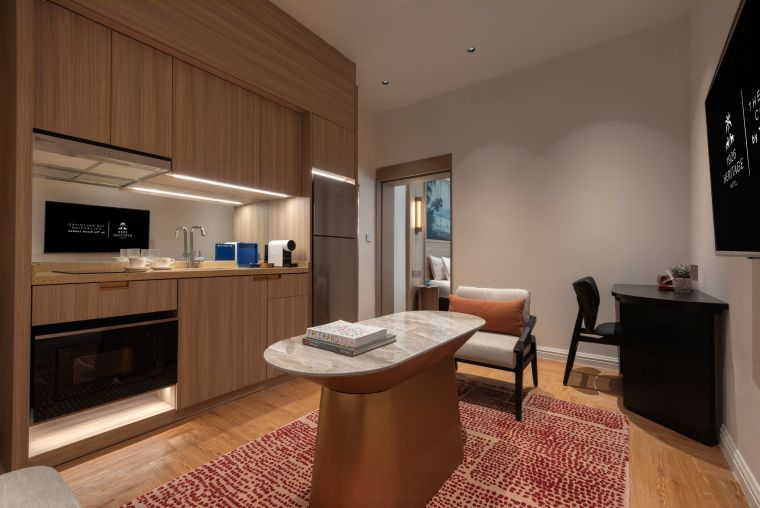
Accommodation options continue this design approach. The Straits Suite offers a spacious layout with a separate bedroom, living area, and study. Interior furnishings and amenities are designed to provide comfort while maintaining consistency with the hotel’s broader heritage-inspired aesthetic. Premium bath amenities and carefully selected furnishings contribute to the guest experience while supporting the overall design narrative.
The hotel’s interior design draws extensively from Penang’s historical influences. Guests enter through the original main double doors leading into the central bungalow, which now serves as the reception area. Within the lobby, a feature wall created using French-inspired straw marquetry incorporates imagery of palm trees and panthers, extending the storytelling elements first introduced at the entrance.
Throughout the property, preserved corridors and redesigned spaces create an environment that reflects Penang’s architectural and cultural heritage. Design details reference the city’s Straits-inspired character while integrating modern hospitality features. Rather than replicating historical settings, the hotel’s interiors reinterpret heritage elements within contemporary spaces.
Accommodation options continue this design approach. The Straits Suite offers a spacious layout with a separate bedroom, living area, and study. Interior furnishings and amenities are designed to provide comfort while maintaining consistency with the hotel’s broader heritage-inspired aesthetic. Premium bath amenities and carefully selected furnishings contribute to the guest experience while supporting the overall design narrative.
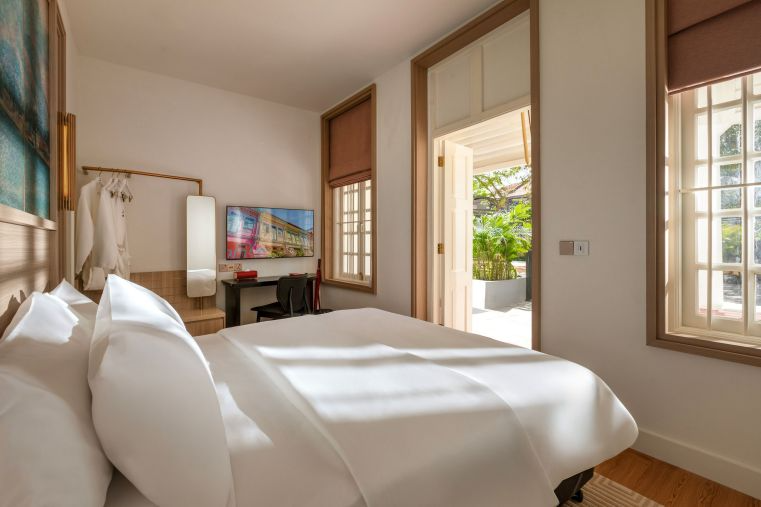
Another distinctive accommodation category is the Heritage Garden Patio Room. Situated on the ground floor, the 52-square-metre room includes a private patio and garden area. Its design emphasises a closer connection to outdoor spaces through direct access to greenery and the nearby swimming pool. The integration of landscaped surroundings into the guestroom experience reflects the property’s effort to combine heritage architecture with nature-oriented hospitality.
Beyond guestrooms, the hotel incorporates a range of facilities intended to support both leisure and business travellers. Two meeting venues, the Burma Room and Heritage Hall, are designed to benefit from natural daylight, creating productive environments for corporate gatherings and events.
Additional facilities include a modern fitness centre equipped with contemporary exercise equipment, allowing guests to maintain their fitness routines during their stay. Wellness offerings are further expanded through Sensorium Spa, which features an Asian-inspired design concept and provides treatments focused on relaxation and restoration.
Beyond guestrooms, the hotel incorporates a range of facilities intended to support both leisure and business travellers. Two meeting venues, the Burma Room and Heritage Hall, are designed to benefit from natural daylight, creating productive environments for corporate gatherings and events.
Additional facilities include a modern fitness centre equipped with contemporary exercise equipment, allowing guests to maintain their fitness routines during their stay. Wellness offerings are further expanded through Sensorium Spa, which features an Asian-inspired design concept and provides treatments focused on relaxation and restoration.
Outdoor spaces also play a significant role in the overall design experience. The swimming pool is surrounded by tropical landscaping, creating a secluded environment within the urban setting of George Town. Meanwhile, a central courtyard garden serves as a shaded communal space that reinforces the connection between architecture, landscape, and guest wellbeing.
Food and beverage concepts within the property continue the emphasis on cultural identity and local storytelling. Root House by Gēn, the hotel’s Chinese bistro, explores the culinary heritage of Malaysia’s Chinese diaspora communities. Led by chef-founder Johnson Wong, the restaurant’s menu draws from local ingredients, regional influences, and culinary traditions developed through migration and cultural exchange.
The dining concept examines how recipes and flavours have evolved over time as communities moved between regions. Through this approach, the restaurant seeks to reflect aspects of Penang’s cultural development while connecting guests with the destination’s broader heritage narrative.
Complementing the dining offering is U-Bar, a long-bar concept designed as a relaxed social space for guests. The venue provides curated beverage selections within an environment intended for informal gatherings and unwinding after a day of exploration or business activities.
The Heritage Collection by Daily Coffee serves as the hotel's all-day dining outlet. Operating from breakfast through dinner, the venue offers a combination of local dishes and familiar international favourites. Its menu reflects Penang’s reputation as one of Malaysia’s culinary destinations while providing an accessible dining option for guests throughout the day.
The hotel also features U-Shop, a retail space showcasing artisanal products and merchandise sourced from various locations across Penang. The shop extends the property's connection to local culture by highlighting products linked to the destination’s creative and artisan communities.
As part of its hospitality offering, 1926 Heritage Hotel encourages guests to engage with nearby cultural and heritage attractions. The property is positioned within close proximity to destinations such as Nagore Square, the heritage temples of Lorong Burma, and Hin Bus Depot, allowing visitors to explore George Town’s cultural landscape from a central location.
Through the restoration of a century-old colonial residence and the integration of contemporary hospitality facilities, 1926 Heritage Hotel Penang presents a design-led accommodation experience rooted in heritage preservation. The property combines architectural conservation, culturally inspired interiors, landscaped outdoor spaces, and destination-focused dining concepts within one of Penang’s historic urban districts.
Food and beverage concepts within the property continue the emphasis on cultural identity and local storytelling. Root House by Gēn, the hotel’s Chinese bistro, explores the culinary heritage of Malaysia’s Chinese diaspora communities. Led by chef-founder Johnson Wong, the restaurant’s menu draws from local ingredients, regional influences, and culinary traditions developed through migration and cultural exchange.
The dining concept examines how recipes and flavours have evolved over time as communities moved between regions. Through this approach, the restaurant seeks to reflect aspects of Penang’s cultural development while connecting guests with the destination’s broader heritage narrative.
Complementing the dining offering is U-Bar, a long-bar concept designed as a relaxed social space for guests. The venue provides curated beverage selections within an environment intended for informal gatherings and unwinding after a day of exploration or business activities.
The Heritage Collection by Daily Coffee serves as the hotel's all-day dining outlet. Operating from breakfast through dinner, the venue offers a combination of local dishes and familiar international favourites. Its menu reflects Penang’s reputation as one of Malaysia’s culinary destinations while providing an accessible dining option for guests throughout the day.
The hotel also features U-Shop, a retail space showcasing artisanal products and merchandise sourced from various locations across Penang. The shop extends the property's connection to local culture by highlighting products linked to the destination’s creative and artisan communities.
As part of its hospitality offering, 1926 Heritage Hotel encourages guests to engage with nearby cultural and heritage attractions. The property is positioned within close proximity to destinations such as Nagore Square, the heritage temples of Lorong Burma, and Hin Bus Depot, allowing visitors to explore George Town’s cultural landscape from a central location.
Through the restoration of a century-old colonial residence and the integration of contemporary hospitality facilities, 1926 Heritage Hotel Penang presents a design-led accommodation experience rooted in heritage preservation. The property combines architectural conservation, culturally inspired interiors, landscaped outdoor spaces, and destination-focused dining concepts within one of Penang’s historic urban districts.